
Anaphylaxis is a severe, potentially life-threatening allergic reaction that can occur within minutes of exposure to an allergen. It’s a systemic response, meaning it affects multiple body systems simultaneously, and requires immediate medical attention. While the term “anaphylactic reaction” might sound intimidating, understanding its causes, symptoms, and what to do in such an emergency is crucial for anyone who has experienced allergies or knows someone who has.
The Body’s Overreaction: Understanding the Mechanism
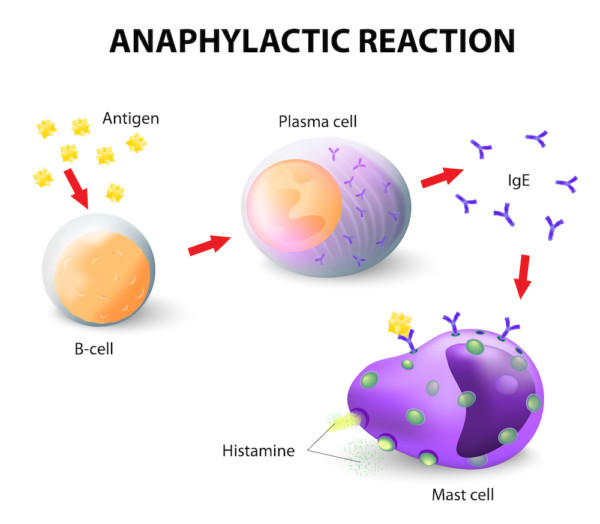
At its core, an anaphylactic reaction is an exaggerated immune system response. Normally, your immune system acts as a defense mechanism, protecting you from harmful invaders like bacteria and viruses. However, in people prone to allergies, the immune system mistakenly identifies a harmless substance – an allergen – as a threat.
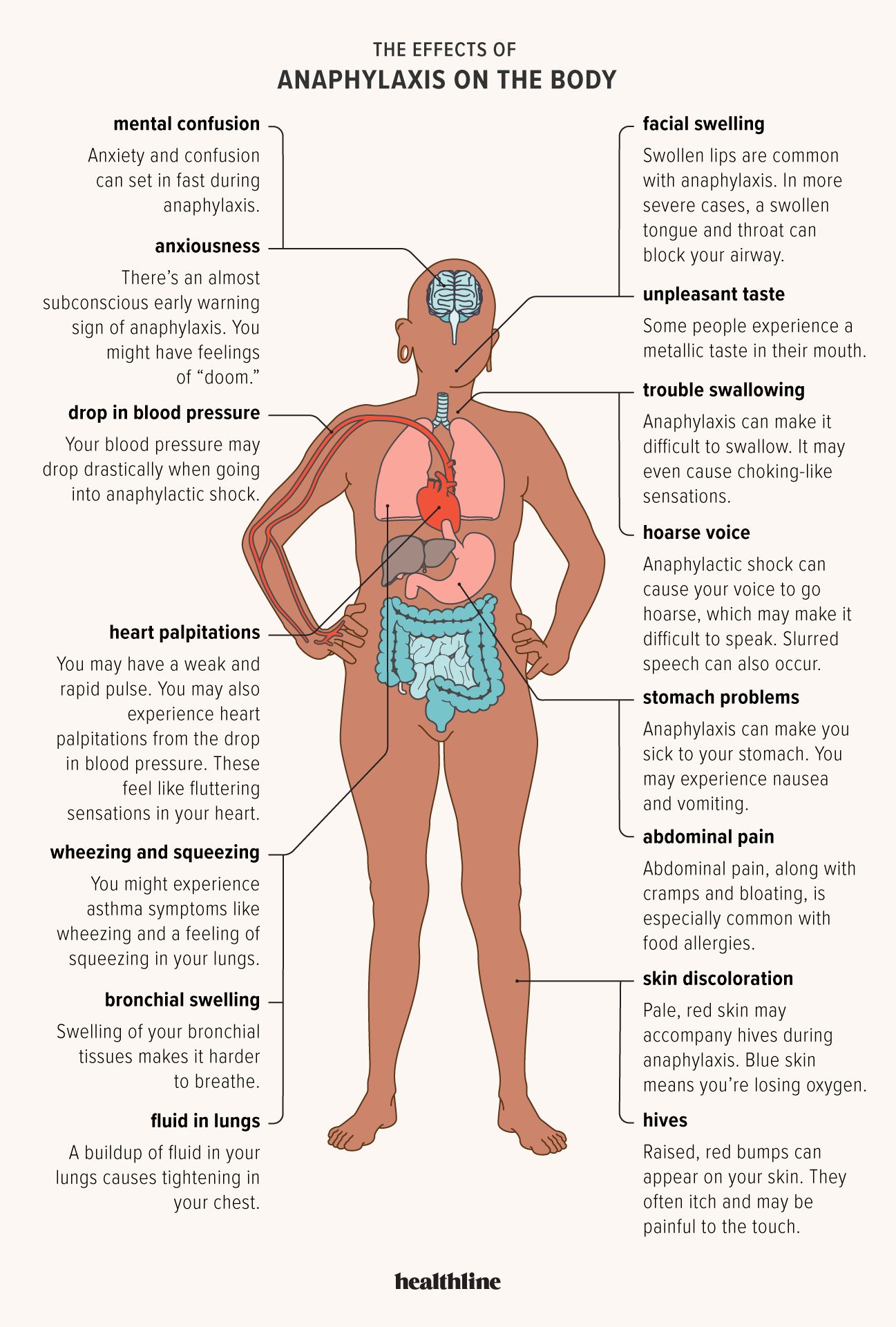
When an individual with a known allergy encounters that allergen, whether through ingestion, inhalation, injection, or skin contact, their immune system triggers a rapid and widespread release of chemicals, most notably histamine. This chemical cascade is what leads to the characteristic signs and symptoms of anaphylaxis.
Common Triggers of Anaphylaxis
While almost any substance can theoretically trigger an allergic reaction, certain allergens are far more common culprits for anaphylaxis. Recognizing these common triggers is the first step in prevention.
Food Allergens: The Most Frequent Culprits
Food allergies are a leading cause of anaphylaxis, particularly in children. The “top 8” most common food allergens are responsible for the vast majority of severe reactions:
- Peanuts: Often a severe and persistent allergen.
- Tree Nuts: Including walnuts, almonds, cashews, pistachios, and pecans.
- Milk: A common childhood allergy, though many outgrow it.
- Eggs: Another frequent childhood allergen that is often outgrown.
- Soy: Often found in processed foods.
- Wheat: Can be a challenging allergen to navigate due to its widespread presence in foods.
- Fish: Typically a lifelong allergy.
- Shellfish: Including shrimp, crab, lobster, and mussels, usually a lifelong allergy.
It’s important to note that even trace amounts of these allergens can trigger a reaction in highly sensitive individuals. Cross-contamination in kitchens and food preparation areas is a significant concern.
Insect Stings and Bites: A Potent Threat
Venom from stinging insects is another common cause of anaphylaxis. This includes:
- Bees: Including honeybees and bumblebees.
- Wasps: Including yellow jackets, hornets, and paper wasps.
- Ants: Particularly fire ants.
A single sting from one of these insects can be enough to provoke a life-threatening reaction in a sensitized individual.
Medications: Unexpected Reactions
Certain medications can also trigger anaphylaxis. This is particularly concerning as these reactions can occur in unexpected situations, such as during medical procedures. Common culprits include:
- Antibiotics: Penicillin and its derivatives are notorious for causing severe allergic reactions.
- Nonsteroidal Anti-inflammatory Drugs (NSAIDs): Aspirin, ibuprofen, and naproxen.
- Chemotherapy Drugs: Certain agents used in cancer treatment.
- Anesthetics: Particularly intravenous anesthetics used in surgery.
- Contrast Media: Used in medical imaging tests like CT scans and MRIs.
It is vital for healthcare providers to be aware of a patient’s medication allergies before administering any drugs.
Other Triggers: Less Common but Still Significant
Beyond the most frequent causes, other factors can also lead to anaphylaxis:
- Latex: Exposure to natural rubber latex, found in gloves, balloons, and some medical devices, can trigger reactions.
- Exercise: In rare cases, exercise can trigger anaphylaxis, sometimes in conjunction with other factors like food consumption. This is known as exercise-induced anaphylaxis.
- Hormonal Changes: In women, menstrual cycles and pregnancy have been implicated in some cases.
Recognizing the Signs: Symptoms of Anaphylaxis
The hallmark of anaphylaxis is its rapid onset and progression. Symptoms can appear within seconds to minutes of exposure and can worsen quickly. It’s important to be aware of a wide range of potential signs, as not all individuals will experience every symptom.
Early Warning Signs: Subtle but Significant
Sometimes, mild symptoms can precede a more severe reaction. These might include:
- Hives or a widespread rash: Itchy, raised red welts on the skin.
- Mild itching or tingling: A general feeling of discomfort on the skin.
- Swelling of the lips, face, or tongue: Often mild at first.
- A metallic taste in the mouth: A peculiar sensory experience.
While these early signs may seem minor, they should not be ignored, as they can be the precursor to a more severe event.
Respiratory Distress: Breathing Difficulties
One of the most alarming and dangerous symptoms of anaphylaxis involves the respiratory system. The release of histamine causes the airways to constrict, making breathing difficult. Signs include:
- Wheezing: A high-pitched whistling sound during breathing.
- Shortness of breath: Feeling like you can’t get enough air.
- Tightness in the chest: A constricting sensation.
- Coughing: Persistent and often severe.
- Swelling of the throat or tongue: This can block the airway completely, leading to suffocation.
Cardiovascular Collapse: The Most Critical Stage
As anaphylaxis progresses, it can affect the cardiovascular system, leading to a dangerous drop in blood pressure and impaired circulation. This is a critical stage requiring immediate intervention. Symptoms include:
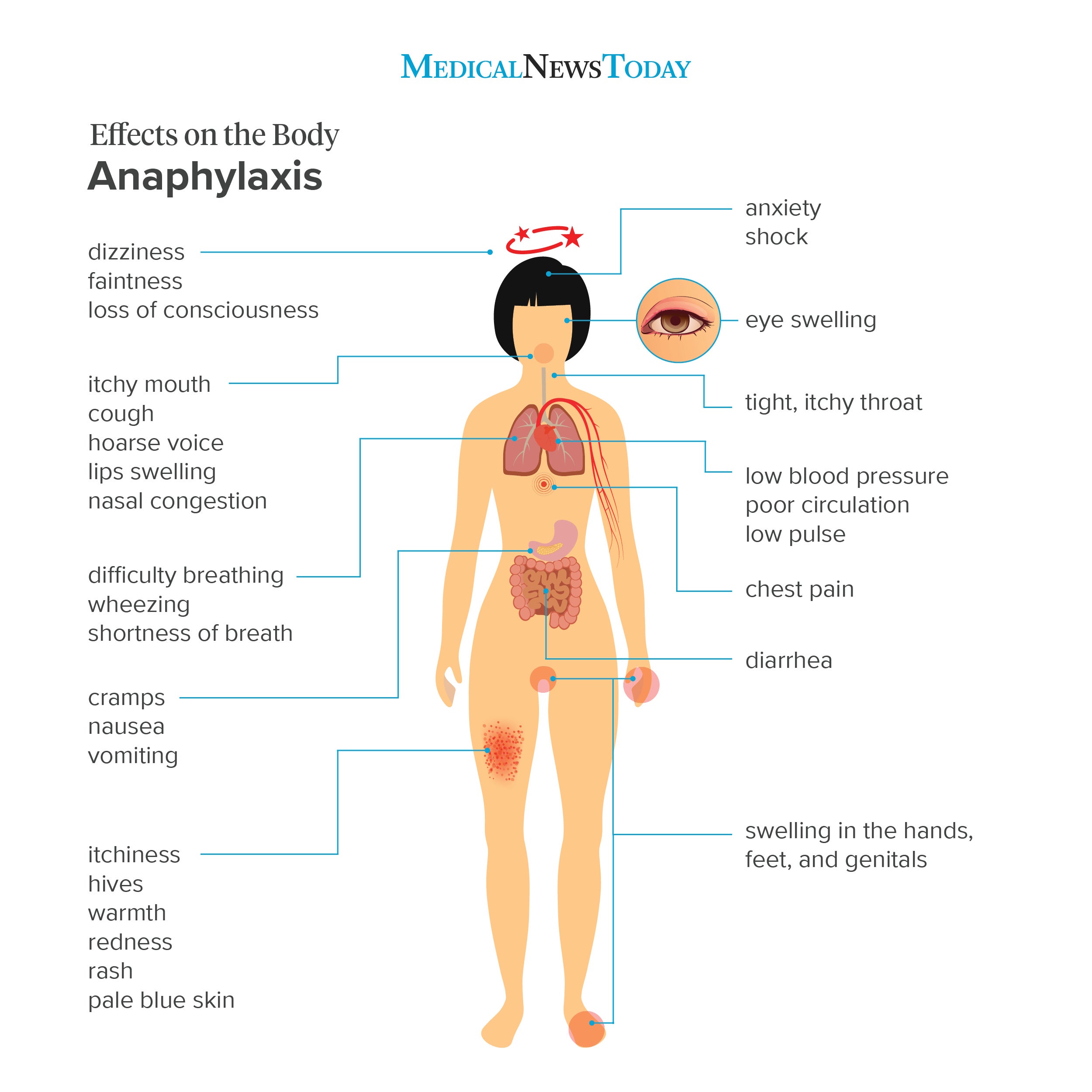
- Sudden drop in blood pressure: Leading to dizziness or lightheadedness.
- Rapid or weak pulse: The heart beats faster but with less force.
- Fainting or loss of consciousness: Due to insufficient blood flow to the brain.
- Pale or bluish skin: Indicating poor oxygenation.
Gastrointestinal Symptoms: Digestive Upset
The digestive system can also be affected by anaphylaxis. These symptoms might occur alongside other signs or sometimes precede them:
- Nausea and vomiting: Feeling sick to your stomach and throwing up.
- Abdominal cramps: Painful spasms in the stomach area.
- Diarrhea: Loose, watery stools.
Neurological Symptoms: Brain Impact
In severe cases, the brain can be affected by the drop in blood pressure and oxygenation:
- Anxiety or a feeling of impending doom: A sense of unease and fear.
- Confusion or disorientation: Difficulty thinking clearly.
What to Do in an Anaphylactic Emergency: Immediate Actions
Recognizing anaphylaxis and acting swiftly is paramount. Time is critical, and prompt treatment can save a life.
The Power of Epinephrine: The First Line of Defense
The cornerstone of anaphylaxis treatment is epinephrine (also known as adrenaline). This potent medication works by constricting blood vessels, relaxing airway muscles, and improving heart function, effectively counteracting the effects of the allergic reaction.
- Epinephrine Auto-Injectors (EpiPen, Auvi-Q, etc.): For individuals with known severe allergies, an epinephrine auto-injector is a life-saving device that can be carried at all times. These devices are designed for easy self-administration or administration by a caregiver.
- How to Use an Epinephrine Auto-Injector: Familiarize yourself with the instructions for your specific device. Generally, it involves removing the safety cap, pressing the device firmly against the outer thigh, and holding it in place for the recommended time.
- Seek Immediate Medical Attention: Even if epinephrine is administered and symptoms improve, it is crucial to seek emergency medical care immediately afterward. This is because a second, or biphasic, reaction can occur hours later, even after initial symptoms have subsided.
Calling Emergency Services: The Next Critical Step
If you suspect someone is experiencing anaphylaxis, call your local emergency number (e.g., 911 in the US, 999 in the UK) immediately. Clearly state that you suspect anaphylaxis and provide as much information as possible about the situation, including:
- The person’s symptoms.
- What they were exposed to (if known).
- Whether epinephrine has been administered.
Supporting Someone During an Anaphylactic Reaction: Practical Advice
While waiting for emergency medical services to arrive, follow these steps:
- Administer Epinephrine (if available): If the person has an epinephrine auto-injector and you know how to use it, administer it without delay.
- Lay the Person Down: Have the person lie down flat with their legs elevated. This helps improve blood flow to vital organs. If they are having trouble breathing or are vomiting, they can sit up or lie on their side.
- Loosen Tight Clothing: Make it easier for them to breathe by loosening belts, collars, or other restrictive clothing.
- Stay with Them: Do not leave the person alone. Monitor their breathing and pulse.
- Be Prepared to Perform CPR: If the person stops breathing or their pulse becomes undetectable, be prepared to perform cardiopulmonary resuscitation (CPR) if you are trained.
Living with the Risk: Prevention and Management
For individuals at risk of anaphylaxis, proactive management and prevention are key to minimizing the threat.
Allergy Testing and Diagnosis: Identifying Triggers
If you suspect you or your child has allergies, consult an allergist for proper diagnosis. Allergy testing, such as skin prick tests or blood tests (IgE tests), can help identify specific allergens.
Carrying an Epinephrine Auto-Injector: A Lifesaving Companion
For anyone diagnosed with a risk of anaphylaxis, carrying at least two epinephrine auto-injectors at all times is non-negotiable. Ensure they are not expired and are stored according to the manufacturer’s instructions. Educate family members, friends, and school staff on how to use the auto-injector.
Anaphylaxis Action Plan: A Written Guide
Work with your doctor to develop a personalized Anaphylaxis Action Plan. This document outlines:
- Specific allergens to avoid.
- Recognizable symptoms of anaphylaxis.
- Instructions on when and how to use epinephrine.
- Emergency contact information.
- Instructions for seeking medical care.
Educating Others: Spreading Awareness
It’s crucial to educate those around you about your allergies and the potential for anaphylaxis. This includes family, friends, teachers, colleagues, and food service providers. Clear communication can prevent accidental exposures and ensure prompt assistance in an emergency.
Awareness of Cross-Contamination: Vigilance in Daily Life
For food allergies, understanding and practicing meticulous avoidance of cross-contamination is vital. This involves:
- Reading food labels carefully.
- Communicating allergies clearly when dining out.
- Washing hands and surfaces thoroughly.
- Using separate utensils and cutting boards.
In conclusion, an anaphylactic reaction is a serious medical emergency that demands immediate recognition and action. By understanding the triggers, symptoms, and the critical importance of prompt epinephrine administration and professional medical care, we can empower ourselves and others to navigate the risks associated with severe allergies and ensure the best possible outcomes in critical situations.
aViewFromTheCave is a participant in the Amazon Services LLC Associates Program, an affiliate advertising program designed to provide a means for sites to earn advertising fees by advertising and linking to Amazon.com. Amazon, the Amazon logo, AmazonSupply, and the AmazonSupply logo are trademarks of Amazon.com, Inc. or its affiliates. As an Amazon Associate we earn affiliate commissions from qualifying purchases.