
The traditional image of healthcare often centers on the sprawling hospital campus—a centralized hub of inpatient wards, emergency departments, and high-intensity surgical suites. However, the most significant shift in modern medicine is occurring outside these walls. The ambulatory care setting, often referred to as outpatient care, represents any medical service that does not require an overnight stay. While the definition is rooted in the duration of the visit, the modern reality of these settings is defined by a sophisticated integration of technology, data analytics, and decentralized digital infrastructure.
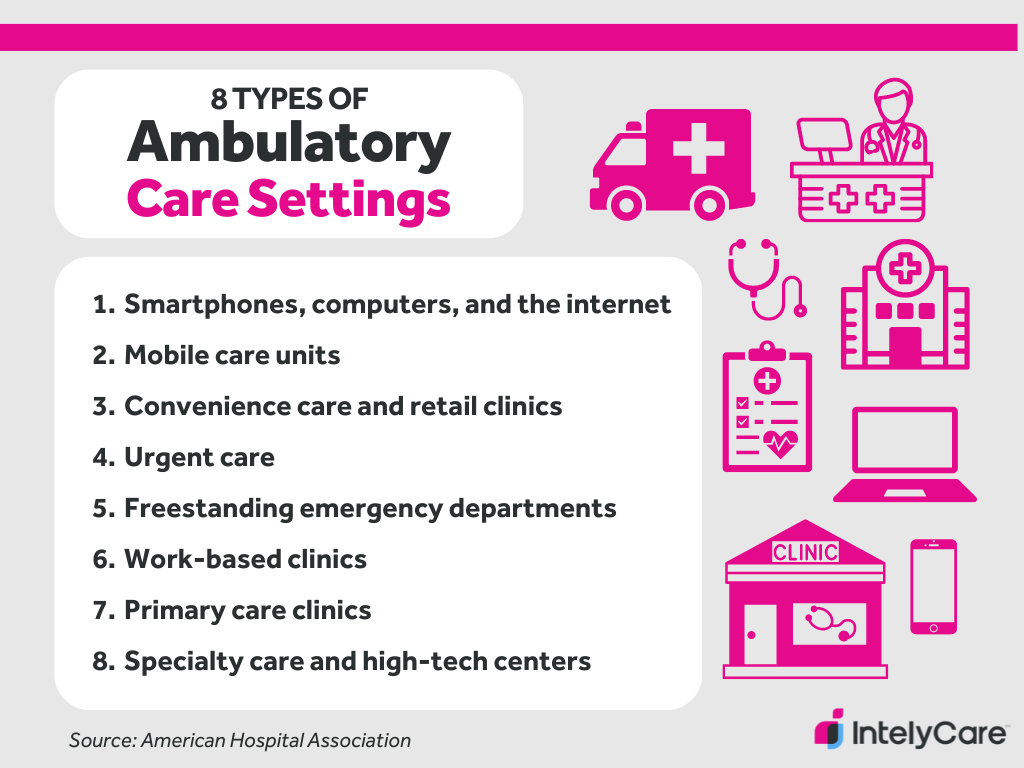
From primary care clinics and urgent care centers to specialized surgical hubs and diagnostic labs, ambulatory care is the front line of the digital health revolution. As healthcare systems pivot toward value-based care, the technology stack within these settings has become the primary driver of efficiency, patient outcomes, and operational scalability. Understanding what an ambulatory care setting is in the 21st century requires a deep dive into the software, AI tools, and connectivity frameworks that allow these facilities to function as high-tech extensions of the broader medical ecosystem.
The Technological Architecture of Outpatient Care
The modern ambulatory care setting is no longer just a physical office; it is a node in a vast, interconnected digital network. The transition from paper-based records to complex software ecosystems has fundamentally changed how these facilities operate. At the core of this transformation is the Electronic Health Record (EHR), but in the ambulatory space, these tools are increasingly specialized to handle high-velocity, high-volume patient throughput.
Cloud-Based EHR and Interoperability
Unlike the monolithic legacy systems found in large-scale hospitals, many ambulatory settings utilize cloud-native EHR platforms. These systems offer the agility required for smaller clinics to manage scheduling, billing, and clinical documentation without the need for massive on-site server infrastructure. The focus has shifted toward interoperability—the ability of different software systems to communicate and exchange data seamlessly. Through standards like FHIR (Fast Healthcare Interoperability Resources), an ambulatory clinic can instantly pull a patient’s historical data from a distant hospital or push a specialist’s consultation notes back to a primary care provider. This seamless data flow is the technological backbone that prevents fragmentation in outpatient care.
The Digital Front Door and Patient Engagement
The “digital front door” refers to the suite of software tools that manage the patient journey before they even step into the clinic. In a tech-forward ambulatory setting, this includes AI-powered chatbots for symptom checking, online self-scheduling modules, and automated check-in kiosks. These tools reduce administrative friction and optimize the clinic’s workflow. By automating the intake process, software allows staff to focus on clinical tasks rather than manual data entry. Furthermore, patient portals have evolved into robust communication hubs where individuals can view lab results, message providers securely, and manage chronic conditions through integrated health tracking apps.
AI and Data Analytics in Clinical Decision Support
In the ambulatory setting, clinicians often face the challenge of making rapid, accurate decisions across a wide variety of patient cases. Artificial Intelligence (AI) and Machine Learning (ML) are now being integrated directly into the outpatient workflow to provide real-time clinical decision support (CDS). These tools act as a “second set of eyes,” analyzing vast amounts of clinical data to identify patterns that might be invisible to the human eye.
Diagnostic AI and Image Analysis
One of the most impactful applications of tech in ambulatory care is in the field of diagnostics. Specialized outpatient centers, such as radiology clinics or dermatology practices, are increasingly utilizing AI algorithms to screen images. For instance, AI-driven dermatological tools can analyze photos of skin lesions to flag potential malignancies with high accuracy, allowing the clinician to prioritize urgent cases. In outpatient imaging centers, AI software can pre-scan MRI or CT results, highlighting anomalies for the radiologist to review. This not only speeds up the diagnostic process but also significantly reduces the margin for human error.
Predictive Analytics for Population Health
Ambulatory care settings are at the heart of population health management. By utilizing predictive analytics software, clinics can analyze their entire patient database to identify individuals at high risk for chronic diseases or hospital readmissions. For example, a primary care group can use an AI tool to scan EHR data for markers of escalating cardiovascular risk across their patient population. This allows the clinic to shift from reactive care to proactive intervention—a cornerstone of the modern tech-enabled healthcare model. These data tools enable providers to implement targeted outreach programs, ensuring that the most vulnerable patients receive care before their conditions require an emergency room visit.
Telehealth and the Virtual Extension of Ambulatory Care
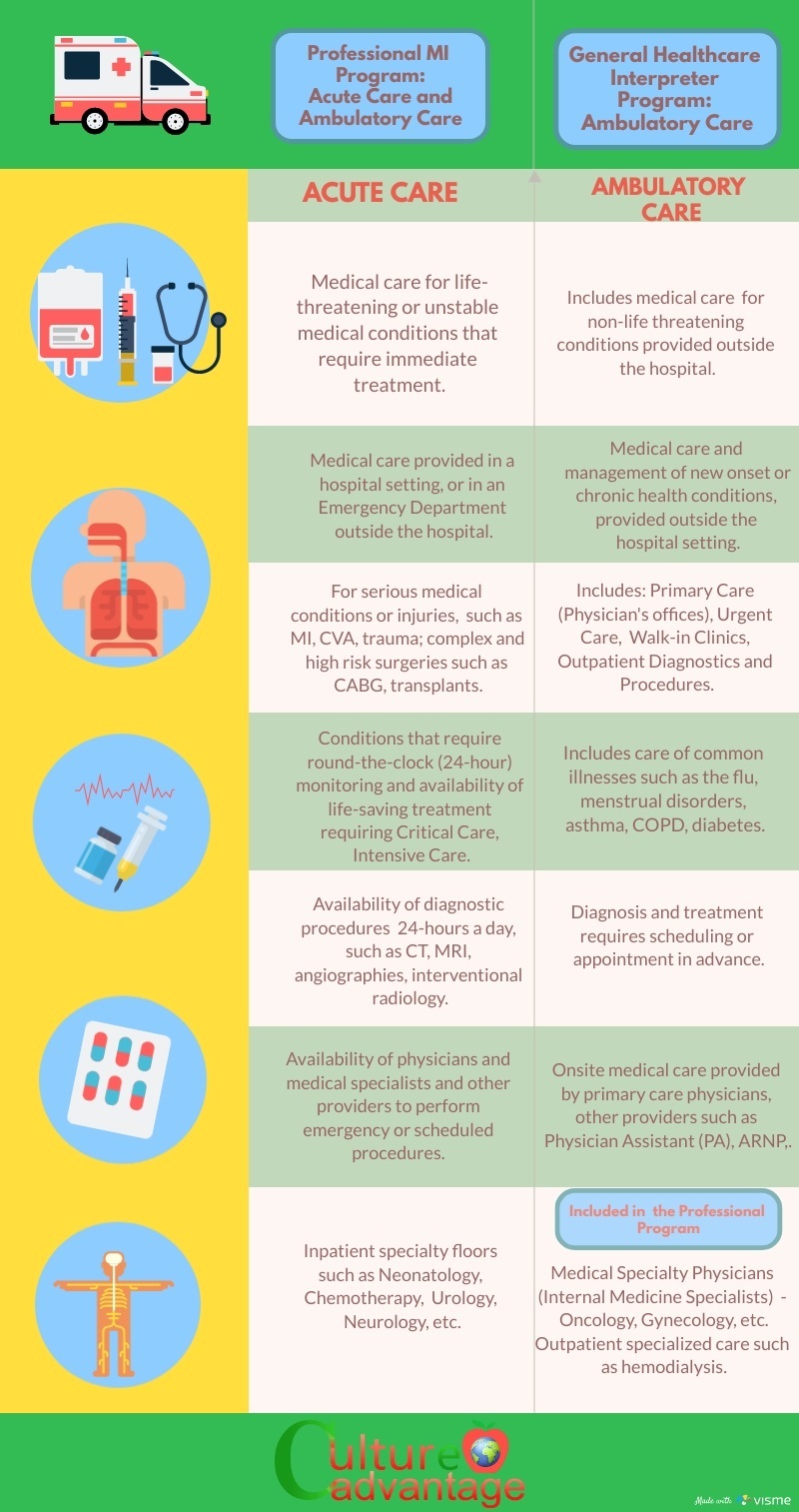
The definition of an ambulatory care setting has expanded to include the “virtual clinic.” Telehealth is no longer just an emergency measure for social distancing; it is a permanent fixture of the outpatient landscape. The technology supporting these visits has matured from simple video conferencing into integrated platforms that facilitate comprehensive remote examinations.
High-Definition Virtual Care Platforms
The software used for virtual ambulatory care is now deeply integrated into clinical workflows. These platforms offer more than just video; they include features like screen-sharing for patient education, real-time transcription of the visit for the EHR, and integrated billing for insurance reimbursement. Tech-enabled ambulatory settings use these platforms to manage follow-up appointments, mental health consultations, and medication management, significantly increasing the capacity of the physical facility.
Remote Patient Monitoring (RPM) and IoT
The Internet of Medical Things (IoMT) has turned the patient’s home into a functional extension of the ambulatory care setting. Through Remote Patient Monitoring (RPM), patients use connected devices—such as cellular-enabled blood pressure cuffs, continuous glucose monitors, and smart scales—to transmit health data directly to their provider’s software dashboard. This continuous stream of data allows clinicians in the ambulatory setting to monitor chronic conditions in real-time. If a patient’s vitals cross a certain threshold, the system triggers an automated alert, enabling the care team to intervene immediately. This use of IoT gadgets represents a shift toward a “clinic-without-walls” model, where the ambulatory setting is the central hub for a distributed network of monitored patients.
Cybersecurity and Data Privacy in Distributed Environments
As ambulatory care settings become more tech-reliant, they also become prime targets for cyber threats. The decentralized nature of outpatient care—where data flows between clinics, pharmacies, labs, and patient devices—creates a complex attack surface that requires sophisticated digital security measures.
Securing the Outpatient Infrastructure
Unlike large hospital systems with dedicated internal IT departments, many independent ambulatory settings must rely on managed service providers (MSPs) and robust software security features. End-to-end encryption for telehealth sessions, multi-factor authentication (MFA) for EHR access, and advanced firewalls are now non-negotiable. The tech industry has responded with “Security as a Service” (SECaaS) models tailored for the healthcare sector, providing enterprise-grade protection to smaller clinics. These tools are designed to defend against ransomware, which remains one of the most significant threats to the continuity of outpatient care.
Compliance and Ethical Data Handling
In the United States, HIPAA (Health Insurance Portability and Accountability Act) sets the standard for protecting sensitive patient data. In the ambulatory space, compliance must be built into every software tool, from the messaging app used by the nursing staff to the cloud storage where diagnostic images are kept. The tech-enabled clinic must also navigate the ethical implications of AI and data usage. Ensuring that AI algorithms are transparent and free from bias is a growing focus for tech developers in the healthcare space. As ambulatory settings collect more data through wearables and portals, the responsibility to manage that data ethically and securely becomes a central pillar of their operational strategy.

The Future of Ambulatory Tech: Edge Computing and Beyond
Looking forward, the evolution of the ambulatory care setting will be driven by advancements in edge computing and personalized medicine. As the volume of data generated by medical devices grows, processing that data at the “edge”—closer to where it is collected—will reduce latency and improve the speed of clinical insights.
Furthermore, the integration of genomic data into the ambulatory EHR will pave the way for highly personalized treatment plans. Future software tools will be able to cross-reference a patient’s genetic profile with their current medications to predict adverse drug reactions or suggest more effective therapies. This level of precision, powered by high-performance computing and advanced algorithms, will further cement the ambulatory care setting as the epicentre of modern, proactive, and tech-driven medicine.
In summary, an ambulatory care setting is no longer defined merely by the absence of an overnight stay. It is defined by its digital sophistication. It is a high-tech environment where AI-driven diagnostics, cloud-based interoperability, and remote monitoring converge to deliver efficient, personalized, and data-centric healthcare. For technology professionals and healthcare providers alike, the outpatient space represents the most dynamic frontier for innovation in the digital age.
aViewFromTheCave is a participant in the Amazon Services LLC Associates Program, an affiliate advertising program designed to provide a means for sites to earn advertising fees by advertising and linking to Amazon.com. Amazon, the Amazon logo, AmazonSupply, and the AmazonSupply logo are trademarks of Amazon.com, Inc. or its affiliates. As an Amazon Associate we earn affiliate commissions from qualifying purchases.