
In the complex landscape of addiction recovery, various organizations and approaches offer solace and support. Among them, the Alano Club stands out as a unique and enduring institution. Far from a mere building, an Alano Club represents a distinctive entity with a profound identity, a carefully cultivated reputation, and a model that has fostered countless journeys to sobriety. To truly understand “what is an Alano Club” is to delve into its unique “brand” within the recovery community – a brand built on trust, peer support, and an unwavering commitment to a safe, sober environment. It is a testament to community-driven solutions, a “brand” whose equity is measured not in financial returns, but in the enduring spirit of human connection and sustained recovery.

The Distinct Identity of Alano Clubs: A Sanctuary’s Brand
An Alano Club’s identity is its most powerful asset. Unlike conventional institutions, its “brand” is not forged through aggressive marketing campaigns or corporate directives, but through consistent action, shared values, and the lived experiences of its members. It embodies a sanctuary, a haven distinct from other recovery resources, primarily defined by its autonomy and its foundational principles.
More Than a Building: Crafting a Trustworthy Space
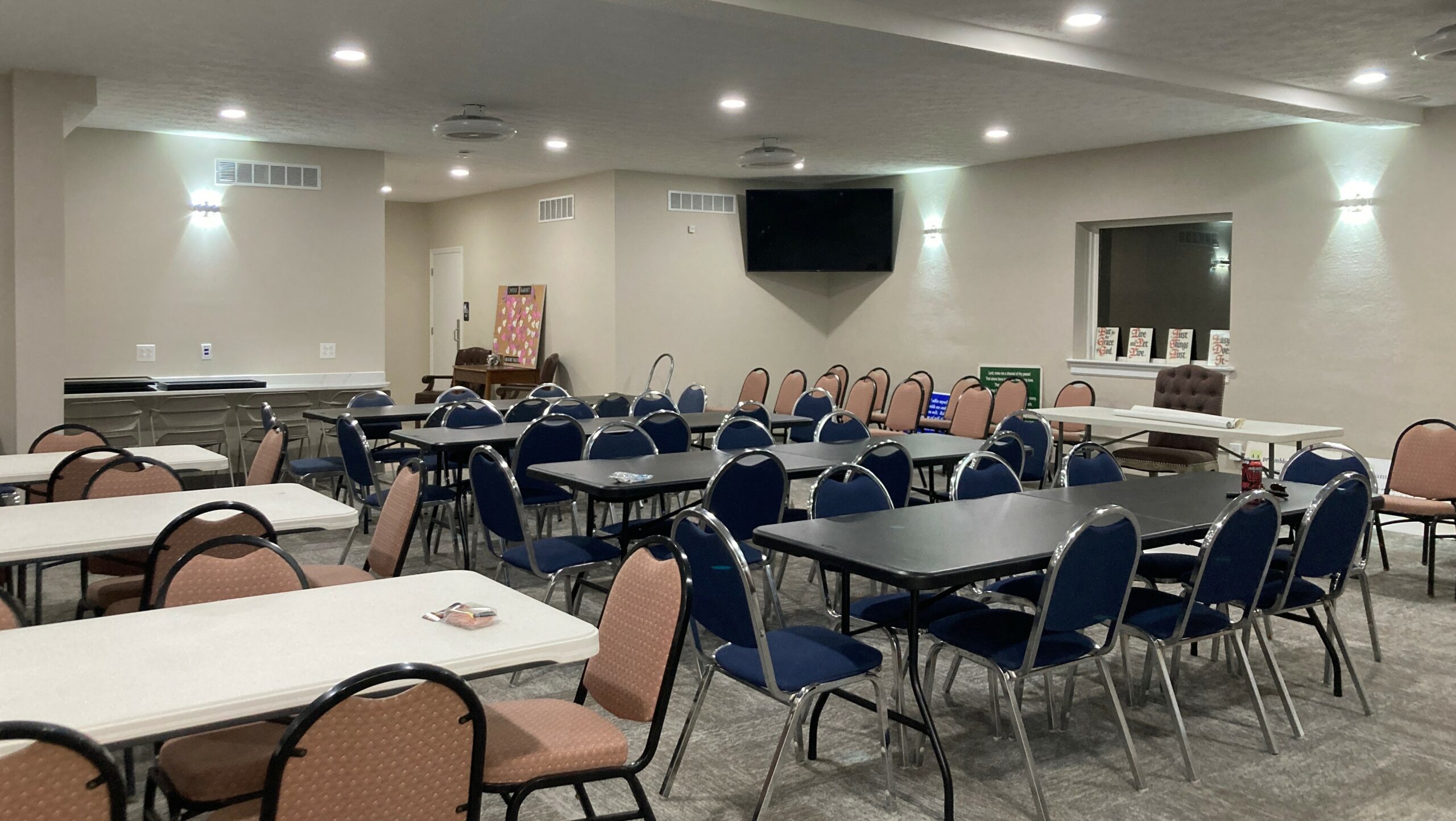
At its heart, an Alano Club is a physical space, but its identity transcends bricks and mortar. It is a meticulously crafted environment designed for trust and safety, particularly for individuals navigating the often-perilous path of recovery. The physical attributes—a clean, well-maintained space, often equipped with meeting rooms, a kitchen, and common areas for socializing—are crucial. However, it’s the atmosphere that truly defines its identity. This atmosphere is deliberately cultivated to be free from drugs and alcohol, judgment, and external pressures. It’s a space where anonymity is respected, and shared vulnerability is encouraged, making it a “brand” of sanctuary that feels authentically safe and welcoming. This consistent offering of a secure psychological and physical space is central to its distinct identity and perceived value. The familiarity and reliability of the environment become a crucial part of its “brand promise” – a place where one can consistently find support without fear.
The Self-Sustaining Model: A Unique Organizational Blueprint
Part of what makes the Alano Club’s identity so unique is its operational model. Most Alano Clubs operate as independent non-profit organizations, often run by volunteer boards comprising members in recovery. They are typically sustained through member contributions, donations, rent from 12-step groups (like AA, NA, Al-Anon) that hold meetings there, and fundraising efforts. This self-sustaining, community-driven approach is a critical component of its “organizational blueprint” and integral to its “brand story.” Unlike many recovery centers that rely heavily on grants or government funding, Alano Clubs often operate with a grassroots ethos. This independence fosters a strong sense of ownership and accountability among members, reinforcing the idea that the club truly “belongs” to those it serves. This model not only ensures financial viability but also imbues the club with an authentic, member-first identity that resonates deeply with its community. It’s a “brand” built by and for its users, which enhances trust and loyalty.
Core Values as Identity Pillars: An Unspoken Promise
Every successful “brand” is built upon a foundation of core values, and the Alano Club is no exception. While not formally articulated in a corporate mission statement, the unspoken promise of an Alano Club rests on several fundamental pillars: safety, sobriety, anonymity, and fellowship. These are the “brand values” that define every interaction and every aspect of the club’s existence. Safety encompasses both physical security and psychological well-being. Sobriety is the non-negotiable prerequisite for all activities within its walls. Anonymity ensures that individuals can seek help without fear of exposure or stigma, fostering an environment of trust. Fellowship highlights the crucial role of peer connection and mutual support. These values are not just ideals; they are actively lived and reinforced daily by the community, forming a powerful, enduring identity that communicates its purpose without needing explicit marketing. This consistent adherence to core values makes the Alano Club a reliable and trustworthy “brand” in a world where such assurances are paramount.
Building Community “Brand Equity”: Trust, Fellowship, and Reputation
The “brand equity” of an Alano Club isn’t found in market share or stock prices; it’s rooted in the profound trust, deep fellowship, and solid reputation it earns within the recovery community. This equity is built painstakingly, one meeting, one conversation, and one sober day at a time. It’s a testament to the power of consistent, positive experiences that accumulate into an invaluable community asset.
The Power of Peer Support: Strengthening the Alano “Brand Experience”
The quintessential “brand experience” of an Alano Club is the power of peer support. It’s an environment where individuals connect with others who truly understand their struggles because they’ve walked a similar path. This shared experience creates an immediate bond and a unique form of empathy that external resources often cannot replicate. The informal gatherings, shared meals, and casual conversations in an Alano Club are just as vital as the structured meetings in reinforcing this peer connection. This constant reinforcement of “you are not alone” is perhaps the most powerful aspect of the Alano Club’s “brand proposition.” It fosters a sense of belonging and mutual responsibility, strengthening the individual’s commitment to sobriety and the community’s collective success. This human-centric approach transforms the Alano Club from a service provider into a vital social network, making it an indispensable part of many individuals’ recovery journeys and bolstering its “brand loyalty.”
Cultivating a Reputation for Reliability and Support
A strong reputation is invaluable for any “brand,” and for an Alano Club, it is the lifeblood of its existence. This reputation is cultivated through a steadfast commitment to reliability and unwavering support. Alano Clubs are known for their consistent availability, often open daily for extended hours, providing a stable anchor in what can be an otherwise turbulent period in someone’s life. This reliability extends to the consistency of their environment – always sober, always welcoming. Moreover, their reputation is built on the tangible support they offer: a safe place to meet, often a place to grab a coffee or a low-cost meal, and always a place to find a listening ear. This continuous delivery on its implicit promises builds deep trust within the recovery community. Over time, this consistent, positive experience leads to a powerful word-of-mouth referral system, where individuals in recovery actively recommend Alano Clubs to newcomers, cementing its reputation as a reliable and effective resource.
Navigating Public Perception: The Challenge of Visibility and Stigma
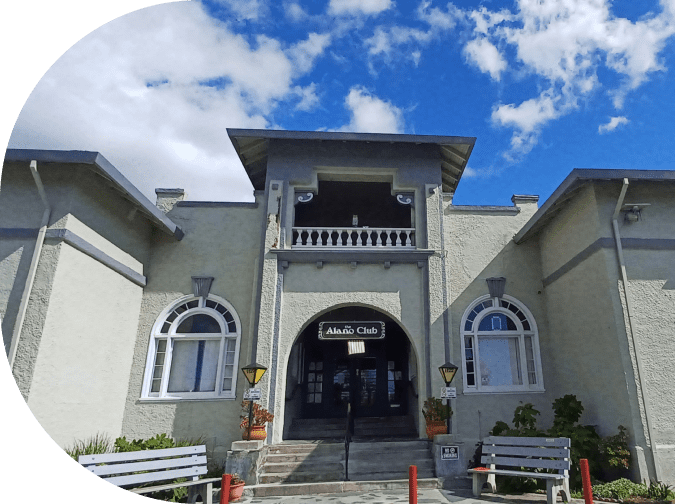
While an Alano Club builds robust equity within its immediate community, it often faces the nuanced challenge of public perception. The “brand” of recovery, unfortunately, still carries societal stigma. Alano Clubs must navigate a delicate balance: being visible enough to serve those in need, yet respecting the anonymity and privacy of its members. They are not typically advertised broadly; their “marketing” is often organic, relying on referrals from treatment centers, probation officers, and, most importantly, word-of-mouth from within the recovery community itself. This careful approach to visibility means their public “brand identity” might be less defined than a commercial entity, yet it is no less potent. They often operate quietly, serving their purpose without fanfare, allowing their impact to speak for itself. This low-key, dignified approach to public engagement is a deliberate choice that upholds their core values and respects the journey of their members, shaping a distinct and often revered “brand” within their specific niche.
The Alano Club as a “Case Study” in Niche Community Development
Beyond its immediate function, the Alano Club serves as a fascinating “case study” in highly specialized community development. It demonstrates how a grassroots, self-governing model can create a resilient and impactful “brand” that effectively addresses a critical societal need. Its longevity and widespread presence speak volumes about the efficacy of its unique approach.
Sustaining Identity Through Autonomy and Local Ownership
A key factor in the Alano Club’s enduring identity and resilience is its decentralized nature and local ownership. While the concept of an “Alano Club” is recognized broadly, each club is typically an independent entity, managed by its local community. This autonomy allows each club to adapt its services, atmosphere, and specific operational nuances to the needs and culture of its immediate surroundings, while still adhering to the core tenets that define all Alano Clubs. This local ownership fosters a powerful sense of responsibility and dedication among members and volunteers, ensuring the “brand” remains responsive and relevant. It’s a “glocal” model – a globally recognized concept implemented and sustained at a hyper-local level. This empowers the community to shape and maintain the “brand,” ensuring its continued vitality and alignment with its users’ evolving requirements, thus strengthening its identity as a truly community-led initiative.
Measuring Impact Beyond Metrics: Qualitative Brand Success
In an era obsessed with quantitative data and measurable KPIs, the Alano Club offers a compelling “case study” in qualitative “brand” success. Its true impact cannot be fully captured by financial statements or attendance figures alone. The success of an Alano Club is measured in the transformed lives, the rekindled relationships, the moments of connection, and the thousands of sober days accumulated within its walls. These are the intangible benefits that form the bedrock of its “brand value.” The narratives of recovery, the shared laughter, the quiet moments of despair overcome – these are the powerful testimonials that define its “brand legacy.” This focus on human transformation rather than purely statistical outcomes reinforces its unique “brand purpose,” setting it apart from more traditional service providers. It highlights that profound social impact can be achieved and recognized without being strictly quantifiable, relying instead on the lived experience of its beneficiaries.
Adapting to Modern Demands: Evolving the Alano Club Identity
Like any enduring “brand,” Alano Clubs face the imperative of adaptation to remain relevant in a changing world. This involves evolving their identity while preserving their core values. Modern demands include engaging with a younger, more diverse demographic, leveraging digital tools (for communication, not meetings themselves), and addressing contemporary challenges within the recovery landscape, such as the opioid crisis or mental health co-morbidity. Some clubs are exploring online presence for information sharing, offering diverse meeting types, or creating partnerships to broaden their reach. The challenge lies in integrating these modern approaches without diluting the cherished principles of anonymity, simplicity, and grassroots ownership. This evolution is about ensuring the Alano Club “brand” remains accessible, inclusive, and effective for future generations of individuals seeking recovery, proving its adaptability as a robust, community-centric model.
Marketing the Mission: Communicating Value in a Unique Context
The concept of “marketing” an Alano Club’s mission is distinctly different from commercial marketing. It’s a subtle, organic, and deeply personal process that prioritizes authenticity and trust over traditional advertising. Their “brand communication strategy” is embedded within the very fabric of their operation and the principles they uphold.
Organic Reach: Word-of-Mouth as the Primary “Marketing Channel”
For Alano Clubs, word-of-mouth is not just a marketing channel; it is the primary marketing channel. The genuine testimonials and personal recommendations from individuals who have found solace and sustained sobriety through the club’s environment are its most powerful promotional tools. When someone in recovery shares their positive experience with a newcomer, a family member, or a professional, it carries immense weight and credibility that no paid advertisement could ever achieve. This organic spread of information is rooted in the trust built within the community. It speaks to the authenticity of the “brand experience” – if the club truly delivers on its promise of a safe, supportive, and sober environment, people will naturally advocate for it. This form of “marketing” is slower but creates a deeply committed and loyal user base, reflective of its community-driven ethos.
The Role of Anonymity in “Brand Communication”
The principle of anonymity profoundly shapes how Alano Clubs engage in “brand communication.” Unlike entities that seek to highlight individual success stories or prominent figures, Alano Clubs must uphold the integrity of anonymity for their members. This means their public-facing “brand” is often focused on the collective strength and the space provided, rather than individual achievements. Information shared externally is typically general, focusing on meeting schedules, the availability of the space, and the club’s purpose, without revealing personal details. This conscious choice to prioritize privacy and focus on the collective “brand” reinforces trust and ensures that individuals feel safe seeking help without fear of exposure. It’s a unique aspect of their “brand strategy” that distinguishes them from many other recovery support services.
Collaboration with External Entities: Extending the Alano Club’s Reach
While direct marketing is minimal, Alano Clubs often extend their “brand reach” through strategic, albeit informal, collaborations with external entities. This includes building relationships with local treatment centers, hospitals, social workers, probation officers, and mental health professionals. These professionals, recognizing the invaluable support that Alano Clubs provide, often refer individuals to them. Such referrals are a powerful form of indirect “marketing,” as they come from trusted sources within the broader support ecosystem. These partnerships are not about advertising, but about integrating the Alano Club’s “brand” as a recognized and respected component of the comprehensive recovery network. By establishing itself as a reliable partner in the recovery journey, the Alano Club further solidifies its reputation and extends its essential mission to those who need it most, without compromising its core identity or the anonymity of its members.
In conclusion, an Alano Club is far more than a physical space; it is a powerful “brand” in the realm of addiction recovery. Its identity is forged through a unique self-sustaining model, unwavering adherence to core values, and a profound commitment to peer support. Its “brand equity” is built on trust, reliability, and a reputation cultivated through lived experience and qualitative impact. As a distinct “case study” in community development, it navigates the delicate balance of visibility and anonymity, extending its mission through organic reach and strategic collaborations. The enduring legacy of Alano Clubs is a testament to the power of a “brand” built not on commercial gain, but on shared humanity and the promise of a sober future.
aViewFromTheCave is a participant in the Amazon Services LLC Associates Program, an affiliate advertising program designed to provide a means for sites to earn advertising fees by advertising and linking to Amazon.com. Amazon, the Amazon logo, AmazonSupply, and the AmazonSupply logo are trademarks of Amazon.com, Inc. or its affiliates. As an Amazon Associate we earn affiliate commissions from qualifying purchases.