
The Gateway to a Lucrative Financial Career
An actuary test is far more than a mere examination; it is a critical rite of passage, a rigorous assessment designed to qualify individuals for one of the most intellectually demanding and financially rewarding professions in the global economy. At its core, an actuary test evaluates a candidate’s mastery of complex mathematical, statistical, and financial concepts essential for analyzing risk and uncertainty. Actuaries are the financial architects of the future, working across industries like insurance, pensions, investments, and enterprise risk management to quantify future events and make informed financial decisions. Their expertise is indispensable for businesses and governments alike, helping to design products, manage liabilities, and ensure financial stability in an unpredictable world.
The actuarial profession is consistently ranked among the top jobs for salary, job security, and work-life balance. This prestige is directly linked to the difficulty and comprehensive nature of the actuarial examination process. These tests serve as a vital gatekeeper, ensuring that only individuals with a profound grasp of the necessary theoretical and practical knowledge are entrusted with the significant financial responsibilities inherent in an actuarial role. Passing these exams not only validates an individual’s intellectual capacity but also signifies a commitment to continuous learning and adherence to the highest professional standards, thereby fostering immense trust in the profession among employers and the public. For those seeking a career path defined by intellectual rigor, impactful contributions, and substantial financial rewards, navigating and conquering the actuary tests is the definitive starting point.
Navigating the Actuarial Examination Systems
The journey to becoming a fully credentialed actuary is structured and demanding, administered by several prominent professional organizations worldwide. In North America, the two primary bodies are the Society of Actuaries (SOA), which focuses on life, health, pensions, and general financial topics, and the Casualty Actuarial Society (CAS), specializing in property and casualty (P&C) insurance, including auto, home, and workers’ compensation. While their focuses differ, both organizations maintain equally stringent examination processes, ensuring that their respective credential holders are thoroughly equipped for the challenges of their specific fields. Similar bodies exist globally, such as the Institute and Faculty of Actuaries (IFoA) in the UK, but the fundamental principles tested and the multi-stage nature of the qualification process remain largely consistent across jurisdictions.
The actuarial examination process is a multi-stage journey, often stretching over several years, requiring dedication, perseverance, and significant intellectual investment. It typically begins with a series of preliminary exams designed to establish foundational knowledge in core areas:
- Preliminary Exams: These initial tests cover fundamental mathematical and statistical concepts crucial for actuarial work. Common preliminary exams include Probability (P), Financial Mathematics (FM), Investment and Financial Markets (IFM – SOA) / Long-Term Actuarial Mathematics (MAS-I – CAS), and Statistics for Risk Modeling (SRM – SOA) / Short-Term Actuarial Statistics (MAS-II – CAS), and Predictive Analytics (PA – SOA). Many aspiring actuaries begin taking these exams while still in university, gaining a significant advantage for entry-level positions.
- Validation by Educational Experience (VEE): In addition to exams, candidates must typically satisfy VEE requirements in Economics, Corporate Finance, and Applied Statistical Methods. These are often met through specific university courses or approved online modules, demonstrating a broader understanding of relevant academic disciplines.
- Advanced Exams: As candidates progress, the exams become more specialized and application-focused. These tests delve into advanced actuarial models, risk management techniques, product design, reserving, pricing, and enterprise risk management specific to either the life/health/pension or property/casualty sectors. These exams often involve case studies and longer-form answers, requiring not just calculation but critical thinking and communication skills.
- Professionalism Course/Seminars: Before attaining full fellowship, candidates must complete a professionalism course or seminar. This component focuses on the ethical responsibilities, professional conduct standards, and legal frameworks governing actuarial practice, ensuring that actuaries operate with integrity and uphold the public trust.
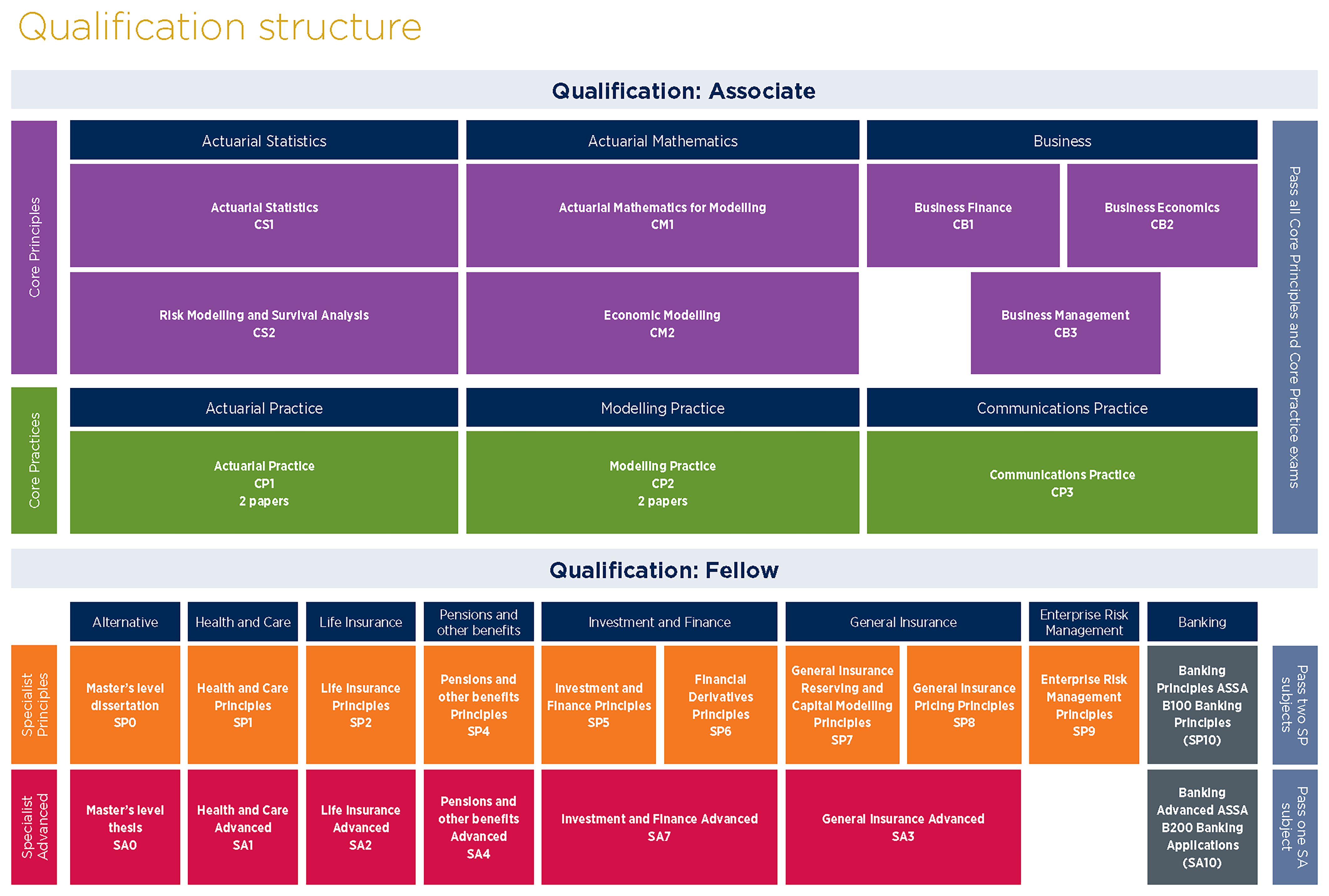
Successful completion of these stages leads to credentialing, such as an Associate of the Society of Actuaries (ASA) or Associate of the Casualty Actuarial Society (ACAS), and ultimately to Fellowship (FSA or FCAS), signifying the highest level of professional qualification and expertise. Each credential unlocked along this path not only represents a significant personal achievement but also a tangible boost to one’s career trajectory and earning potential.
The Financial Commitment and Return on Investment
Embarking on the actuarial path is a significant financial undertaking, encompassing various direct and indirect costs. Candidates must budget for exam fees, which can range from a few hundred to over a thousand dollars per sitting, depending on the exam’s complexity and the administering body. Beyond the fees, the cost of study materials represents another substantial expense. This includes textbooks, specialized study manuals from reputable providers (e.g., Actex, ASM, Coaching Actuaries), online video lectures, practice problem sets, and full-length simulated exams. These resources are indispensable for thorough preparation and can accumulate to hundreds or even thousands of dollars per exam. Additionally, there’s the opportunity cost of time spent studying—thousands of hours that could otherwise be dedicated to leisure or income-generating activities. Retakes, common due to the exams’ difficulty, amplify these costs, making a strong initial preparation crucial.
Despite these upfront investments, the return on investment (ROI) for actuarial certification is exceptionally high, making it one of the most financially astute career choices. The most direct and compelling benefit is the significant salary growth tied to passing each exam and attaining designations. Entry-level actuarial analysts typically start with competitive salaries, but compensation escalates dramatically with each passed exam, often accompanied by raises or bonuses. Fully credentialed actuaries (FSA or FCAS) command six-figure salaries, with experienced professionals and those in leadership roles earning upwards of $200,000, $300,000, or more annually.
Beyond direct compensation, the actuarial profession offers remarkable job security and consistent demand. Actuaries are essential across numerous sectors, and their specialized skills are not easily automated, ensuring a stable career path even during economic fluctuations. This high demand also translates into career versatility; actuarial skills in statistical modeling, risk assessment, and financial forecasting are highly transferable to diverse roles in consulting, investment banking, data science, financial technology, and enterprise risk management. Finally, the prestige and influence associated with actuarial credentials are invaluable. Actuaries are respected for their analytical rigor and ethical conduct, often serving in critical advisory and decision-making capacities within organizations, further enhancing their long-term financial prospects and professional satisfaction.

Strategies for Success in Actuarial Exams
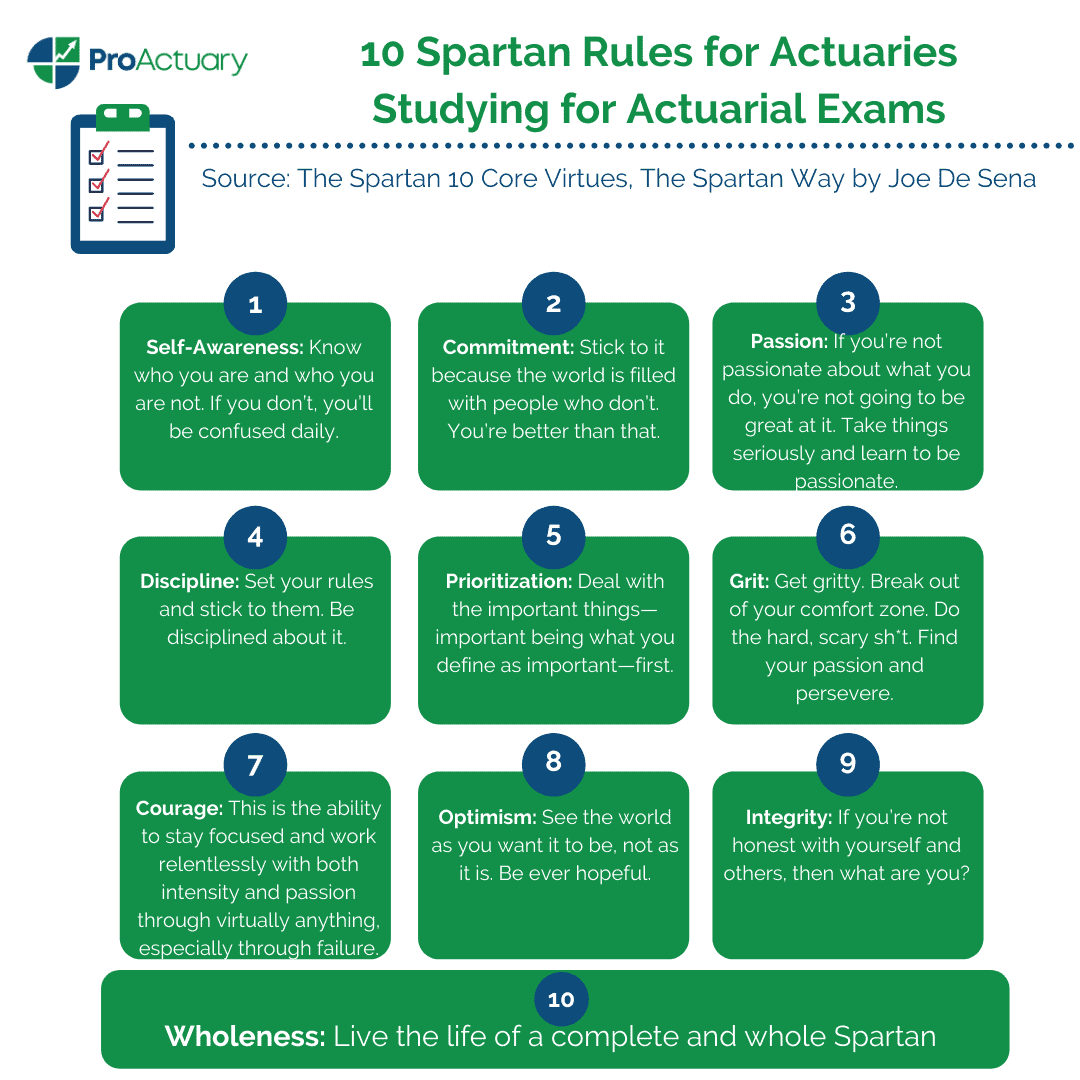
Conquering the actuarial exams demands a strategic and disciplined approach. The sheer volume of material and the intricate problem-solving required necessitate more than just rote memorization. Effective study habits are paramount, beginning with consistency and discipline. Establishing a regular study schedule and adhering to it over months is crucial, treating study time as an unmissable appointment. Utilizing diverse study resources, including official textbooks, comprehensive study manuals, online forums for conceptual clarification, and, most importantly, a vast array of practice problems and past exams, will solidify understanding. The actuarial exams are not just about knowing the theory but about applying it under timed pressure. Therefore, dedicating significant time to practice problems, working through them meticulously, and reviewing solutions thoroughly, including those for incorrect answers, is non-negotiable.
Many actuarial candidates pursue their credentials while simultaneously working full-time. This balancing act requires exceptional time management and often significant personal sacrifice. Thankfully, many employers in the actuarial field recognize the value of certification and offer substantial support, including dedicated study time during work hours, reimbursement for exam fees and study materials, and salary increases or bonuses upon passing. Leveraging these employer benefits is crucial. However, candidates must also be prepared to dedicate evenings and weekends to studying, making compromises in social life and leisure activities for extended periods. Setting realistic expectations for the study process and communicating commitments to family and friends can help manage stress and maintain motivation.
Finally, mental fortitude and persistence are perhaps the most critical assets for an aspiring actuary. The exams are notoriously difficult, with pass rates often hovering around 40-50%. It is common for candidates to fail an exam one or more times before passing. Such setbacks can be disheartening, but the ability to learn from failures, identify weak areas, and rebound with renewed determination is a hallmark of successful actuaries. Viewing the actuarial journey as a marathon rather than a sprint, celebrating small victories, and maintaining a long-term perspective on the ultimate career benefits will provide the resilience needed to navigate the challenging, yet ultimately rewarding, path to actuarial credentialing.
aViewFromTheCave is a participant in the Amazon Services LLC Associates Program, an affiliate advertising program designed to provide a means for sites to earn advertising fees by advertising and linking to Amazon.com. Amazon, the Amazon logo, AmazonSupply, and the AmazonSupply logo are trademarks of Amazon.com, Inc. or its affiliates. As an Amazon Associate we earn affiliate commissions from qualifying purchases.