
The term “acquisition” resonates through the halls of corporate strategy, financial news broadcasts, and investment forums. While seemingly straightforward, understanding the nuances of an acquisition is crucial for anyone operating within the business world, particularly those focused on growth, market share, and shareholder value. At its core, an acquisition is a business transaction where one company, the acquirer, purchases a majority stake in another company, the target, thereby gaining control over its operations and assets. This fundamental definition, however, belies the complex motivations, strategic considerations, and multifaceted execution involved in such significant corporate maneuvers.
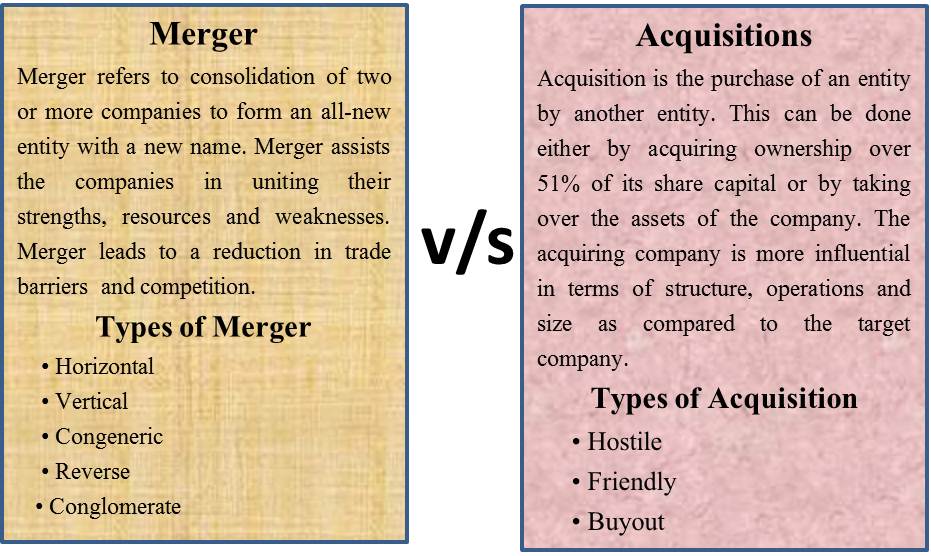
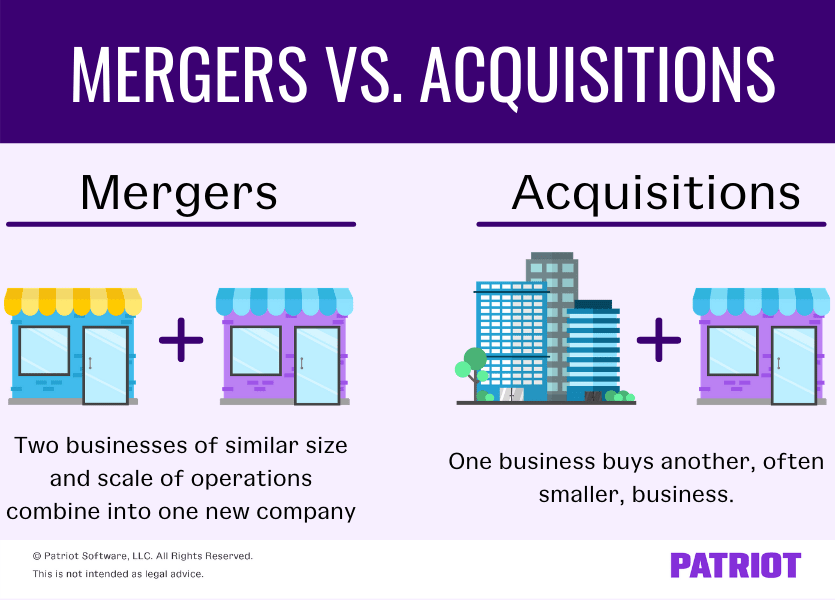
Acquisitions are distinct from mergers, where two companies of roughly equal size combine to form a new entity. In an acquisition, there is a clear buyer and a clear seller, with the acquirer absorbing the target company into its own structure, or at least exercising significant control over it. This process can take various forms, from a friendly takeover, where the target’s management welcomes the deal, to a hostile takeover, where the acquirer bypasses management and appeals directly to shareholders. The ultimate goal of an acquisition is almost always to create value – whether through synergy, market expansion, diversification, or the elimination of competition.
The Strategic Imperative of Acquisitions
Businesses do not engage in acquisitions on a whim. These are strategic decisions driven by a deep understanding of market dynamics, competitive landscapes, and future growth potential. The “why” behind an acquisition is as critical as the “how.” Companies undertake acquisitions to achieve a range of strategic objectives, each contributing to their long-term success and sustainability.
Expanding Market Reach and Share
One of the most common drivers for acquisitions is the desire to expand market reach and increase market share. By acquiring a competitor, a company can instantly gain access to its customer base, distribution channels, and geographic presence. This is particularly attractive in mature or saturated markets where organic growth may be slow. For instance, a software company looking to enter a new geographical region might acquire a local player already established in that market. Similarly, a food manufacturer might acquire another brand in a complementary product category to broaden its portfolio and capture a larger segment of the consumer spending. This immediate market entry through acquisition can be significantly faster and less risky than building a presence from scratch.
Diversification and Risk Mitigation
Acquisitions can also serve as a powerful tool for diversification. Companies operating in a single industry or relying on a narrow product line are often vulnerable to market downturns or shifts in consumer preferences. By acquiring companies in different sectors or with different product offerings, an acquirer can spread its risk across multiple revenue streams. This diversification can lead to a more stable and resilient business model. For example, a technology company might acquire a firm in the renewable energy sector to hedge against potential obsolescence in its core business or to capitalize on emerging market trends.
Acquiring New Technologies and Talent
In rapidly evolving industries, particularly in the tech sector, acquiring innovative companies is often the most efficient way to gain access to cutting-edge technologies, intellectual property, and skilled talent. Developing groundbreaking technology internally can be time-consuming and expensive, with no guarantee of success. Acquiring a startup that has already achieved technological breakthroughs or possesses a highly talented engineering team can provide an immediate competitive advantage. This “acqui-hire” strategy, where the primary motivation is to acquire the talent, is increasingly common in fields like artificial intelligence, cybersecurity, and biotechnology.
Financial Mechanisms and Deal Structures
The financial underpinnings of an acquisition are as varied as the strategic reasons behind it. The valuation of the target company, the financing of the deal, and the structure of the transaction all play a critical role in determining the success and long-term implications of an acquisition.
Valuation and Due Diligence
Before any acquisition can proceed, a thorough valuation of the target company is essential. This involves assessing its assets, liabilities, revenue streams, profitability, market position, and future growth prospects. Valuation methods can include discounted cash flow analysis, comparable company analysis, and precedent transaction analysis. Hand-in-hand with valuation is due diligence, a comprehensive investigation into the target company’s financial, legal, and operational health. This process aims to uncover any hidden risks, liabilities, or discrepancies that could impact the deal’s value or feasibility. Inadequate due diligence is a common pitfall in acquisitions, leading to unexpected costs and diminished returns.
Financing the Acquisition
Acquisitions are often capital-intensive transactions, requiring significant financial resources. The acquirer can finance the purchase through various means, including:
- Cash: Using existing cash reserves or raising cash through equity offerings or debt financing. This is often the preferred method for the seller, as it provides immediate liquidity.
- Stock: Issuing new shares of the acquirer’s stock to the shareholders of the target company. This allows the acquirer to conserve cash but dilutes the ownership stake of existing shareholders.
- Debt Financing: Taking out loans from financial institutions or issuing corporate bonds to fund the purchase. This can be an attractive option if the acquirer believes the acquired company will generate sufficient cash flow to service the debt.
- Combination: Many acquisitions involve a mix of these financing methods, tailored to the specific circumstances of the deal.
The chosen financing method has significant implications for the acquirer’s balance sheet, debt ratios, and future earnings per share.
Deal Structures: Asset vs. Stock Purchases
Acquisitions can be structured as either an asset purchase or a stock purchase.
- Stock Purchase: In a stock purchase, the acquirer buys the outstanding shares of the target company, thereby acquiring all of its assets and liabilities, both known and unknown. This is often simpler from a legal perspective, as it involves transferring ownership of the stock rather than individual assets.
- Asset Purchase: In an asset purchase, the acquirer buys specific assets of the target company (e.g., intellectual property, equipment, customer contracts) while leaving liabilities behind. This allows the acquirer to be more selective about what it acquires and to avoid inheriting unwanted obligations. However, it can be more complex, involving the individual transfer of numerous assets.
The choice between these structures depends on factors such as tax implications, the desire to assume liabilities, and the complexity of the transaction.
Post-Acquisition Integration: The Real Challenge
While the excitement of closing an acquisition is palpable, the true test of its success lies in the post-acquisition integration process. This is where the strategic vision meets operational reality, and where many seemingly promising deals falter. Effective integration requires meticulous planning, clear communication, and strong leadership.
Synergies and Value Creation
The primary justification for most acquisitions is the realization of synergies – the belief that the combined entity will be worth more than the sum of its parts. Synergies can be categorized as:
- Cost Synergies: Reductions in operating costs achieved through economies of scale, elimination of redundant functions (e.g., duplicate administrative departments), improved purchasing power, and optimized supply chains.
- Revenue Synergies: Increases in revenue generated by cross-selling products and services to the combined customer base, expanding into new markets, or leveraging the combined marketing and sales efforts.
Identifying, quantifying, and, most importantly, realizing these synergies is the cornerstone of value creation in an acquisition.
Cultural Integration and Change Management
Beyond financial and operational considerations, the integration of company cultures is often the most challenging aspect of an acquisition. Differences in leadership styles, employee values, communication norms, and decision-making processes can create friction and hinder productivity. A well-executed integration plan must address these cultural differences proactively, fostering a sense of shared purpose and minimizing employee resistance. This often involves clear communication from leadership, opportunities for employees from both companies to collaborate, and the establishment of new, shared values and practices.

Operational and Technological Integration
Integrating disparate operational systems, IT infrastructure, and business processes is a complex undertaking. This can involve consolidating software platforms, harmonizing supply chains, standardizing customer service protocols, and aligning sales and marketing strategies. A phased approach, with clear milestones and dedicated integration teams, is often employed to manage this complexity. Failure to adequately integrate these operational aspects can lead to inefficiencies, service disruptions, and a failure to achieve projected cost savings.
In conclusion, an acquisition is a powerful strategic tool for business growth, market expansion, and value creation. However, its success is not predetermined. It hinges on meticulous planning, rigorous due diligence, astute financial structuring, and, critically, a well-executed post-acquisition integration process that addresses both the tangible operational aspects and the intangible cultural elements. For businesses looking to leverage acquisitions as a catalyst for advancement, a comprehensive understanding of these interconnected facets is paramount.
aViewFromTheCave is a participant in the Amazon Services LLC Associates Program, an affiliate advertising program designed to provide a means for sites to earn advertising fees by advertising and linking to Amazon.com. Amazon, the Amazon logo, AmazonSupply, and the AmazonSupply logo are trademarks of Amazon.com, Inc. or its affiliates. As an Amazon Associate we earn affiliate commissions from qualifying purchases.