
The landscape of healthcare in the United States is undeniably complex, with myriad options, regulations, and financial considerations that can leave even the most astute individuals feeling overwhelmed. At the heart of many contemporary discussions about health insurance lies the Affordable Care Act (ACA), often colloquially referred to as Obamacare. Understanding what an ACA plan entails is not merely an academic exercise; it’s a critical component of personal financial planning, risk management, and ensuring access to essential medical services. For many Americans, an ACA plan represents a crucial lifeline, offering structured pathways to coverage that were once out of reach. This article delves into the specifics of ACA plans, exploring their foundational principles, key features, financial implications, and how they empower individuals to make informed decisions about their health and wealth.
Understanding the Affordable Care Act (ACA)
Enacted in 2010, the Affordable Care Act aimed to reform the U.S. healthcare system by expanding health insurance coverage, lowering healthcare costs, and improving the quality of care for Americans. Before its implementation, millions of individuals were uninsured or faced significant barriers to obtaining coverage, particularly those with pre-existing conditions or limited financial resources. The ACA sought to address these systemic issues, fundamentally altering how health insurance is bought, sold, and regulated.
Origins and Purpose of the ACA
The primary impetus behind the ACA was to tackle the growing problem of uninsurance and underinsurance in the United States. A significant portion of the population either couldn’t afford health insurance, was denied coverage due to health history, or found their coverage inadequate in times of serious illness. The law’s design was multifaceted, focusing on creating a more accessible, equitable, and stable health insurance market. It represented a monumental shift from a fragmented system to one with clearer regulations and greater consumer protections.
Core Mandates and Reforms
The ACA introduced several pivotal mandates and reforms that reshaped the health insurance industry. Key among these were the establishment of health insurance marketplaces (also known as exchanges), where individuals and small businesses could shop for plans; the individual mandate (which later saw its penalty removed by Congress), requiring most Americans to have health insurance or pay a penalty; and significant employer mandates for larger companies. Crucially, the law also mandated that insurers could no longer deny coverage or charge more based on health status, a transformative change for millions previously uninsurable.
Who the ACA Primarily Serves
While the ACA’s impact is broad, it primarily serves individuals and families who do not receive health insurance through an employer, Medicare, or Medicaid. This includes self-employed individuals, those working for small businesses that don’t offer coverage, part-time workers, and anyone who prefers to purchase their own plan. The marketplaces provide a structured environment for these groups to compare and enroll in plans, often with financial assistance tailored to their income levels.
Key Features and Benefits of ACA Plans
ACA-compliant plans are characterized by a set of core provisions designed to ensure comprehensive coverage and consumer protection. These features distinguish ACA plans from many pre-ACA policies and provide a robust safety net for beneficiaries.
Essential Health Benefits (EHBs)
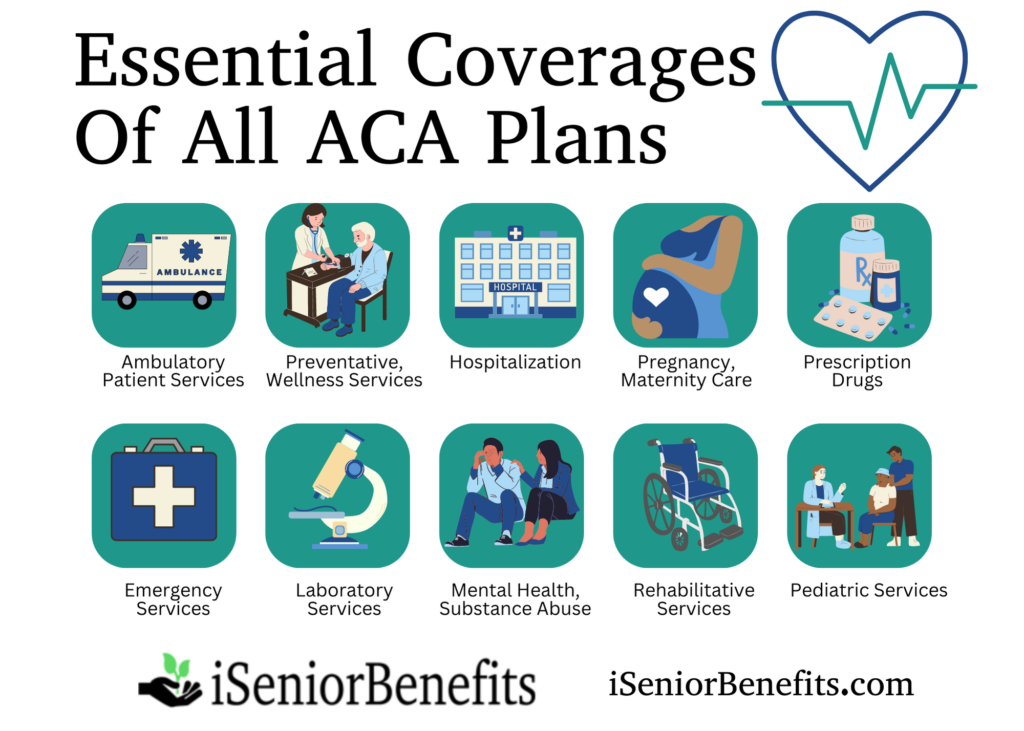
One of the most significant aspects of ACA plans is the requirement for all policies sold on the marketplaces (and most other individual and small group plans) to cover a standardized set of “Essential Health Benefits” (EHBs). These include: ambulatory patient services, emergency services, hospitalization, maternity and newborn care, mental health and substance use disorder services, prescription drugs, rehabilitative and habilitative services and devices, laboratory services, preventive and wellness services and chronic disease management, and pediatric services (including oral and vision care). This ensures a baseline level of comprehensive coverage, preventing plans from offering bare-bones policies that leave individuals vulnerable.
No Pre-existing Condition Exclusions
Perhaps the most celebrated consumer protection of the ACA is the prohibition against denying coverage or charging higher premiums based on an individual’s health status or pre-existing conditions. Prior to the ACA, insurers could refuse to cover individuals with conditions like cancer, diabetes, or heart disease, or could charge them exorbitant rates. This reform dramatically expanded access to insurance for millions, making healthcare a right rather than a privilege for the healthy.
Annual and Lifetime Limits Eliminated
Another critical protection for individuals facing serious or chronic illness is the elimination of annual and lifetime dollar limits on EHBs. Before the ACA, many insurance plans capped the amount they would pay for an individual’s healthcare over their lifetime or within a single year. Patients with severe conditions could quickly exhaust these limits, leaving them with astronomical medical bills. The ACA removed these caps, providing peace of mind and financial security for those requiring extensive medical care.
Preventive Care Coverage
The ACA strongly emphasizes preventive care, mandating that most plans cover a wide range of preventive services—such as screenings, immunizations, and counseling—without any out-of-pocket costs (like copayments or deductibles). This proactive approach to health aims to catch potential health issues early, improve overall public health, and ultimately reduce the need for more expensive treatments down the line, representing a sound financial strategy for both individuals and the healthcare system.
Navigating Financial Assistance and Subsidies
A cornerstone of the ACA’s mission to make healthcare affordable is its provision for financial assistance. These subsidies significantly reduce the cost of premiums and out-of-pocket expenses for eligible individuals and families, making coverage accessible across a broader income spectrum. Understanding these mechanisms is crucial for anyone considering an ACA plan, as they can dramatically impact personal finance.
Premium Tax Credits (PTCs) Explained
The most common form of financial assistance is the Premium Tax Credit (PTC), which helps eligible individuals and families afford their monthly health insurance premiums. These credits are paid directly to the insurance company, reducing the amount you have to pay each month. The amount of the credit is based on a sliding scale, tied to your household income and the cost of benchmark plans in your area. The lower your income relative to the federal poverty level (FPL), the larger your tax credit will be. This mechanism is vital for budgeting, as it transforms potentially prohibitive premium costs into manageable monthly expenses.
Cost-Sharing Reductions (CSRs)
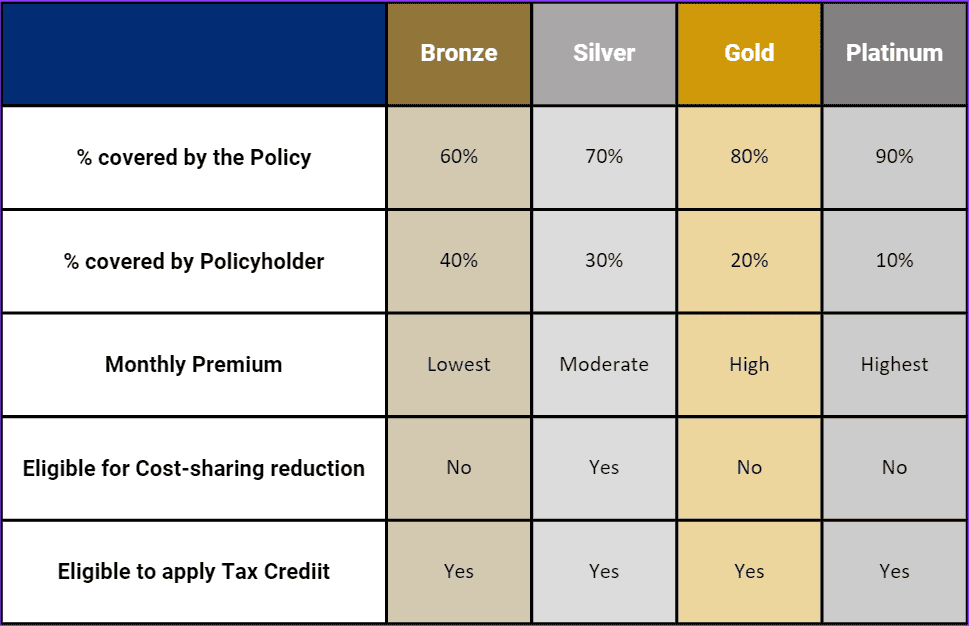
Beyond premium assistance, some individuals may also qualify for Cost-Sharing Reductions (CSRs). These subsidies lower the amount you have to pay for deductibles, copayments, and coinsurance, effectively reducing your out-of-pocket maximums. CSRs are only available if you enroll in a Silver-level plan through the marketplace and meet specific income requirements. For those who qualify, CSRs make healthcare more affordable by reducing the costs incurred when actually using medical services, providing a layer of financial protection against unexpected health events.
Eligibility Requirements for Subsidies
Eligibility for both PTCs and CSRs is primarily determined by household income relative to the Federal Poverty Level (FPL). Generally, individuals and families with incomes between 100% and 400% of the FPL may qualify for PTCs, while CSRs are typically available for those between 100% and 250% of the FPL. Other factors, such as not being offered affordable employer-sponsored coverage or not being eligible for Medicare/Medicaid, also play a role. It’s essential for individuals to accurately report their income and household size when applying through the marketplace to ensure they receive the correct amount of assistance.
Calculating Your Potential Savings
The Health Insurance Marketplace (Healthcare.gov or state-run exchanges) provides tools to estimate your eligibility and the amount of financial assistance you might receive. By inputting your expected household income, family size, and zip code, you can get a personalized estimate of your potential premium tax credits and whether you qualify for cost-sharing reductions. This step is critical in your financial planning process, as it allows you to compare the true “net” cost of various plans after subsidies.
Comparing ACA Plans and Enrollment
Navigating the Health Insurance Marketplace requires understanding the different types of plans available and how to effectively compare them to find the best fit for your health needs and financial situation. The enrollment process, while streamlined, also has specific timelines and requirements.
Understanding Plan Tiers (Bronze, Silver, Gold, Platinum)
ACA plans are categorized into metal tiers: Bronze, Silver, Gold, and Platinum. These tiers are based on how the plan divides costs between you and your insurance company, not on the quality of care.
- Bronze plans have low monthly premiums but high deductibles, meaning you pay more out-of-pocket when you use services. They cover about 60% of average healthcare costs.
- Silver plans have moderate premiums and moderate deductibles. They cover about 70% of average costs and are the only tier eligible for Cost-Sharing Reductions.
- Gold plans have higher premiums but lower deductibles and out-of-pocket costs when you receive care. They cover about 80% of average costs.
- Platinum plans have the highest premiums but the lowest deductibles and out-of-pocket costs, covering about 90% of average costs.
Choosing a tier involves balancing monthly premiums against potential out-of-pocket costs, a key financial decision based on your health status and risk tolerance.
Key Factors to Consider When Choosing a Plan
Beyond the metal tiers, several other factors are crucial when selecting an ACA plan. These include the plan’s network type (HMO, PPO, EPO, POS), which affects which doctors and hospitals you can use and whether you need a referral; the deductible, copayments, and coinsurance amounts; and the annual out-of-pocket maximum, which is the most you’ll have to pay for covered services in a year. For individuals managing chronic conditions or anticipating significant medical expenses, a plan with a lower deductible and out-of-pocket maximum, even with higher premiums, might offer better financial protection. Conversely, healthier individuals might opt for lower-premium, higher-deductible plans.
The Health Insurance Marketplace (Healthcare.gov)
The Health Insurance Marketplace (Healthcare.gov, or state-based exchanges in some states) is the central platform for individuals and families to shop for ACA-compliant health insurance. It allows you to compare plans side-by-side, determine your eligibility for financial assistance, and enroll in coverage. The Marketplace streamlines a process that was once incredibly daunting, offering a transparent and regulated environment for purchasing health insurance.
Special Enrollment Periods
While Open Enrollment typically occurs once a year (usually from November 1 to January 15 in most states), certain life events trigger a Special Enrollment Period (SEP). These events include marriage, birth or adoption of a child, loss of other health coverage, moving to a new service area, and certain changes in income. SEPs provide a crucial safety net, allowing individuals to obtain coverage outside the standard enrollment window when their circumstances change, preventing gaps in financial protection.
Impact on Personal Finance and Healthcare Decisions
An ACA plan is more than just health insurance; it’s a fundamental tool for personal financial management, mitigating risk, and enabling individuals to make proactive healthcare choices without the paralyzing fear of insurmountable medical debt.
Budgeting for Healthcare Costs
Incorporating healthcare costs into a personal budget is essential for financial stability. With an ACA plan, individuals can better predict their monthly premium expenses (especially after subsidies) and understand their potential out-of-pocket liability through deductibles, copays, and the out-of-pocket maximum. This predictability allows for more effective budgeting, reducing the financial shock of unexpected medical events. For many, an ACA plan transforms healthcare from an unpredictable financial drain into a manageable, albeit significant, line item in their monthly expenses.
Long-Term Financial Planning with ACA Coverage
Having comprehensive health insurance coverage through an ACA plan is a critical component of long-term financial planning. It protects assets from being depleted by catastrophic medical bills, a common cause of bankruptcy in the U.S. By ensuring access to preventive care and early treatment, it also helps maintain health, which is arguably one’s most valuable asset. Furthermore, stable access to healthcare can impact career longevity and earning potential. An ACA plan ensures that health crises are not automatically financial crises.
The Role of Deductibles, Copays, and Out-of-Pocket Maximums
Understanding these key cost-sharing elements is paramount. The deductible is the amount you pay out-of-pocket before your insurance begins to cover costs (beyond preventive care). Copayments are fixed amounts you pay for specific services (like doctor visits). Coinsurance is a percentage of the cost you pay for services after meeting your deductible. The out-of-pocket maximum is the absolute most you will pay for covered healthcare services in a year. Strategic financial planning involves selecting a plan where these elements align with your expected healthcare usage and your ability to absorb costs. For example, if you anticipate frequent doctor visits, a plan with higher premiums but lower copays might be more cost-effective overall.

Making Informed Healthcare Choices
Finally, an ACA plan empowers individuals to make informed healthcare choices. Knowing you have coverage for essential health benefits, preventive care, and protection against high costs means you’re more likely to seek care when needed, rather than delaying treatment due to financial fears. This proactive approach to health can lead to better health outcomes and, in the long run, prevent more severe and costly conditions from developing. The ACA, therefore, isn’t just a legal framework; it’s a financial instrument that underpins health and financial security for millions.
In conclusion, an ACA plan is a comprehensive health insurance policy designed under the guidelines of the Affordable Care Act. It provides a standardized set of benefits, protects against discrimination based on health status, and offers crucial financial assistance to make coverage affordable. For anyone navigating the complexities of personal finance and healthcare in the United States, understanding and leveraging the provisions of an ACA plan is an indispensable step towards securing both health and financial well-being.
aViewFromTheCave is a participant in the Amazon Services LLC Associates Program, an affiliate advertising program designed to provide a means for sites to earn advertising fees by advertising and linking to Amazon.com. Amazon, the Amazon logo, AmazonSupply, and the AmazonSupply logo are trademarks of Amazon.com, Inc. or its affiliates. As an Amazon Associate we earn affiliate commissions from qualifying purchases.