
In the vast and often complex landscape of pharmaceuticals, certain brand names transcend their chemical compounds to become household terms, synonymous with efficacy, trust, and reliability. Amoxil is unequivocally one such brand. Far more than just a chemical formulation, Amoxil represents a meticulously crafted corporate identity, a strategic marketing triumph, and a enduring legacy within the global healthcare sector. To truly understand “what is Amoxil,” one must look beyond its active ingredient—amoxicillin—and delve into the intricate layers of branding that have propelled it to iconic status. This article will explore Amoxil not merely as a medication, but as a powerfully built and sustained brand, examining its journey from its origins to its current standing as a global pharmaceutical benchmark.
The Genesis of a Global Pharmaceutical Brand
The inception of any successful brand begins with a compelling product, but its elevation to iconic status hinges on strategic positioning and consistent identity building. Amoxil’s story is a prime example of this intricate process within the highly regulated and competitive pharmaceutical arena.
From Compound to Household Name: The Journey of Amoxicillin
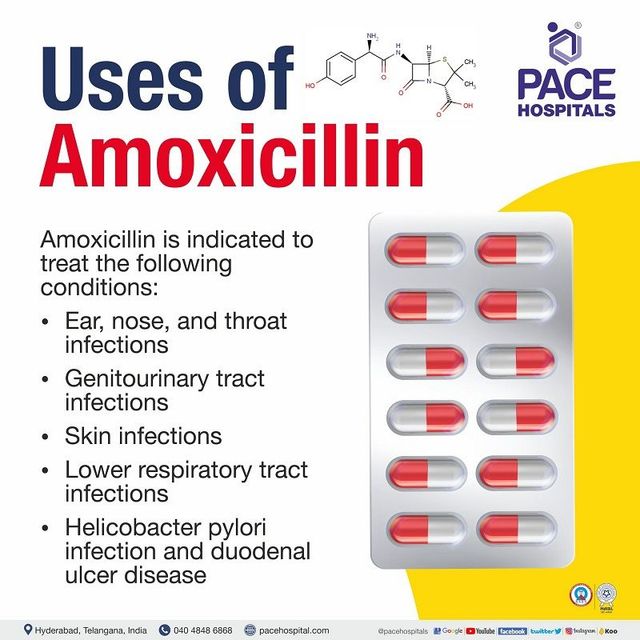
The active ingredient, amoxicillin, is a penicillin-class antibiotic, first synthesized in the early 1970s. Its introduction marked a significant advancement in the treatment of bacterial infections due to its broad spectrum of activity and improved oral absorption compared to earlier penicillins. However, merely discovering an effective compound is not enough to create a brand. The pharmaceutical company GlaxoSmithKline (GSK) — or its predecessors, Beecham and then SmithKline Beecham, before mergers — recognized the potential of this new antibiotic and embarked on a comprehensive strategy to brand it distinctly. The choice of the name “Amoxil” itself was a branding decision, designed to be memorable, pronounceable, and indicative of its class, while still maintaining a unique identity apart from its generic name. This early strategic naming laid the groundwork for future brand recognition.
Establishing Trust: Early Branding and Market Entry
Entering the market, Amoxil faced the dual challenge of educating healthcare professionals about its benefits and establishing a reputation for reliability. The initial branding efforts focused heavily on clinical trials and scientific publications, positioning Amoxil as a superior, research-backed solution. This was crucial in a sector where trust and validated efficacy are paramount. Marketing strategies targeted physicians, pharmacists, and medical institutions, emphasizing Amoxil’s pharmacokinetic advantages, safety profile, and broad utility across various infections. The corporate identity projected by Beecham, and later SmithKline Beecham, around Amoxil was one of innovation, scientific rigor, and patient welfare. This foundational branding, built on solid scientific evidence and a professional, authoritative communication style, cultivated an intrinsic trust that became a cornerstone of the Amoxil brand equity.
Amoxil’s Brand Identity and Strategic Positioning
A brand’s identity is its unique DNA, comprising visual, verbal, and experiential elements that differentiate it in the marketplace. For Amoxil, this identity has been meticulously managed to resonate with both healthcare professionals and, indirectly, patients.
The Pillars of Trust: Efficacy, Reliability, and Recognition
The Amoxil brand stands on three unwavering pillars: efficacy, reliability, and widespread recognition. Efficacy, derived from the proven effectiveness of amoxicillin, is non-negotiable in pharmaceuticals; without it, no brand can endure. Reliability is built through consistent manufacturing quality, predictable patient outcomes, and a strong safety record. These attributes have been consistently communicated through the brand’s messaging, reinforcing Amoxil as a go-to option for a range of bacterial infections. Recognition, on the other hand, is the culmination of sustained marketing, distribution, and positive user experience. The familiar name, packaging, and dosage forms contribute to this, making Amoxil easily identifiable in clinics and pharmacies globally. These pillars are not merely features of the drug but carefully nurtured aspects of the brand strategy, designed to foster confidence and loyalty.
Visual and Verbal Branding: Packaging, Naming, and Messaging
The visual identity of Amoxil, from its logo to its packaging, has traditionally projected professionalism and a clinical aesthetic, often utilizing clean lines and subdued, trustworthy colors. The packaging design emphasizes clarity of dosage, indications, and safety information, adhering to strict pharmaceutical regulations while also reinforcing brand identity. The verbal branding centers on clear, precise medical language, coupled with marketing messages that highlight its broad-spectrum nature and suitability for common infections. The Amoxil brand narrative focuses on its established track record and consistent performance, avoiding sensationalism and instead leaning into its legacy of dependable results. This disciplined approach to both visual and verbal branding ensures consistency across all touchpoints, from professional literature to patient information leaflets, solidifying its corporate identity.
Navigating a Regulated Landscape: Branding within Pharma Guidelines
One of the most significant challenges for pharmaceutical brands like Amoxil is operating within a heavily regulated environment. Advertising and promotional activities are subject to stringent governmental controls, particularly concerning claims of efficacy and safety. Amoxil’s brand strategy has expertly navigated this landscape by focusing on evidence-based marketing. Instead of direct-to-consumer advertising in many regions, efforts are concentrated on educating healthcare providers through medical representatives, professional journals, and conferences. This “push” strategy relies on the brand’s scientific integrity and the trust placed in it by medical practitioners. The brand identity of Amoxil is therefore inextricably linked to adherence to regulatory standards, a testament to responsible corporate citizenship and ethical marketing practices that further bolster its credibility.

Market Dynamics and Brand Evolution
No brand can remain static, especially in dynamic markets like pharmaceuticals. Amoxil has had to continuously adapt its brand strategy to maintain relevance amidst fierce competition and evolving healthcare trends.
Competition and Differentiation: Standing Out in a Crowded Market
The success of amoxicillin inevitably led to the entry of numerous competitors, both branded alternatives and, crucially, generic versions. To maintain its market share and premium positioning, Amoxil’s brand strategy has focused on differentiation. This often involves highlighting specific formulations (e.g., chewable tablets, suspensions for children), emphasizing its consistent quality control, and leveraging its long-standing reputation. The corporate identity of Amoxil, backed by GSK’s global stature, has served as a powerful differentiator against smaller, lesser-known generic manufacturers. The brand communicates an implicit promise of continuity, research backing, and a lower perceived risk—factors that can be pivotal for prescribers and patients alike when faced with multiple choices.
The Impact of Generics: Sustaining Brand Value
The advent of generic versions of amoxicillin posed a significant challenge to the Amoxil brand. Generic drugs, being bioequivalent and often significantly cheaper, can quickly erode the market share of pioneer brands. Amoxil’s response has been a classic branding strategy: reinforce value beyond the active ingredient. This includes emphasizing factors like manufacturing excellence, product consistency, extensive clinical experience, and the comprehensive support infrastructure of a major pharmaceutical company. The brand capital built over decades—the inherent trust and recognition—becomes a vital asset in combating generic erosion. For many healthcare professionals, the Amoxil brand represents a benchmark against which generics are measured, a testament to the enduring power of brand equity.
Global Reach and Cultural Adaptations
Amoxil’s success is not confined to a single market; it is a truly global brand. This necessitates strategic adaptations to local regulatory environments, cultural nuances, and healthcare systems. While the core brand identity of efficacy and reliability remains constant, marketing messages and distribution strategies are often tailored. For instance, in some developing countries, the brand might emphasize accessibility and affordability, while in others, it might highlight advanced formulations or specific clinical applications. This global yet locally sensitive approach to branding ensures that Amoxil remains relevant and trusted across diverse patient populations and healthcare landscapes, reflecting a sophisticated corporate identity capable of universal appeal.
The Legacy and Future of the Amoxil Brand
The journey of Amoxil is a compelling case study in pharmaceutical branding—a testament to how scientific innovation, combined with astute marketing and consistent corporate identity management, can create a brand that endures for decades.
Brand Equity and Patient Loyalty
The accumulated value of the Amoxil brand, or its brand equity, is immense. It’s built on years of positive experiences, reliable outcomes, and sustained trust. This equity translates into significant market power, allowing the brand to command a certain price point and maintain a prominent position despite generic competition. While patients may not directly choose their antibiotic, their physicians often rely on trusted brands, and patient experiences can reinforce that trust. A patient who consistently recovers effectively with Amoxil is likely to develop a passive loyalty, reinforcing the brand’s reputation through word-of-mouth and positive perception. This cycle of trust and positive outcomes is the ultimate goal of any pharmaceutical brand strategy.
Innovation, Research, and Brand Reinforcement
For a legacy brand like Amoxil to remain relevant, its parent company must continue to invest in research and development, even if not directly for new amoxicillin formulations. The broader corporate identity of GSK, as an innovative pharmaceutical leader, indirectly reinforces the Amoxil brand. Association with cutting-edge research and commitment to public health ensures that Amoxil is seen not as a relic, but as part of a dynamic, forward-thinking portfolio. This ongoing commitment to scientific excellence by the overarching corporation further strengthens the credibility and perceived value of its established brands like Amoxil.
Adapting to Digital: The Brand in the Modern Era
In an increasingly digital world, pharmaceutical brands face new challenges and opportunities. While direct online marketing for prescription drugs is often restricted, the digital presence of Amoxil (and its parent company) through official websites, professional portals, and scientific databases is crucial. Providing accessible, accurate information about the brand, its uses, and safety becomes a digital extension of its traditional branding efforts. The brand must maintain its professional, authoritative voice in online spaces, ensuring that misinformation is countered and that its identity as a reliable medical solution remains untarnished across all media.
In conclusion, “what is Amoxil” is a question that reveals layers of strategic branding. It is a pharmaceutical product, yes, but more importantly, it is a brand forged through scientific excellence, meticulous corporate identity management, and a relentless focus on trust and reliability. Amoxil’s journey from a chemical compound to a global brand icon offers invaluable insights into the enduring power of effective brand strategy within one of the world’s most critical industries. Its story is a testament to how the art of branding, even in the most technical fields, can create lasting impact and unwavering loyalty.
aViewFromTheCave is a participant in the Amazon Services LLC Associates Program, an affiliate advertising program designed to provide a means for sites to earn advertising fees by advertising and linking to Amazon.com. Amazon, the Amazon logo, AmazonSupply, and the AmazonSupply logo are trademarks of Amazon.com, Inc. or its affiliates. As an Amazon Associate we earn affiliate commissions from qualifying purchases.