
In the landscape of American geography, the question “what is America’s longest river?” often sparks a debate between two giants: the Missouri and the Mississippi. While the Mississippi is frequently the most famous, the Missouri River holds the title of the longest individual river in the United States, stretching approximately 2,341 miles from the Rocky Mountains of Montana to its confluence with the Mississippi near St. Louis. However, for investors, economists, and business leaders, these waterways represent far more than geographic milestones. They are the financial arteries of the North American continent.
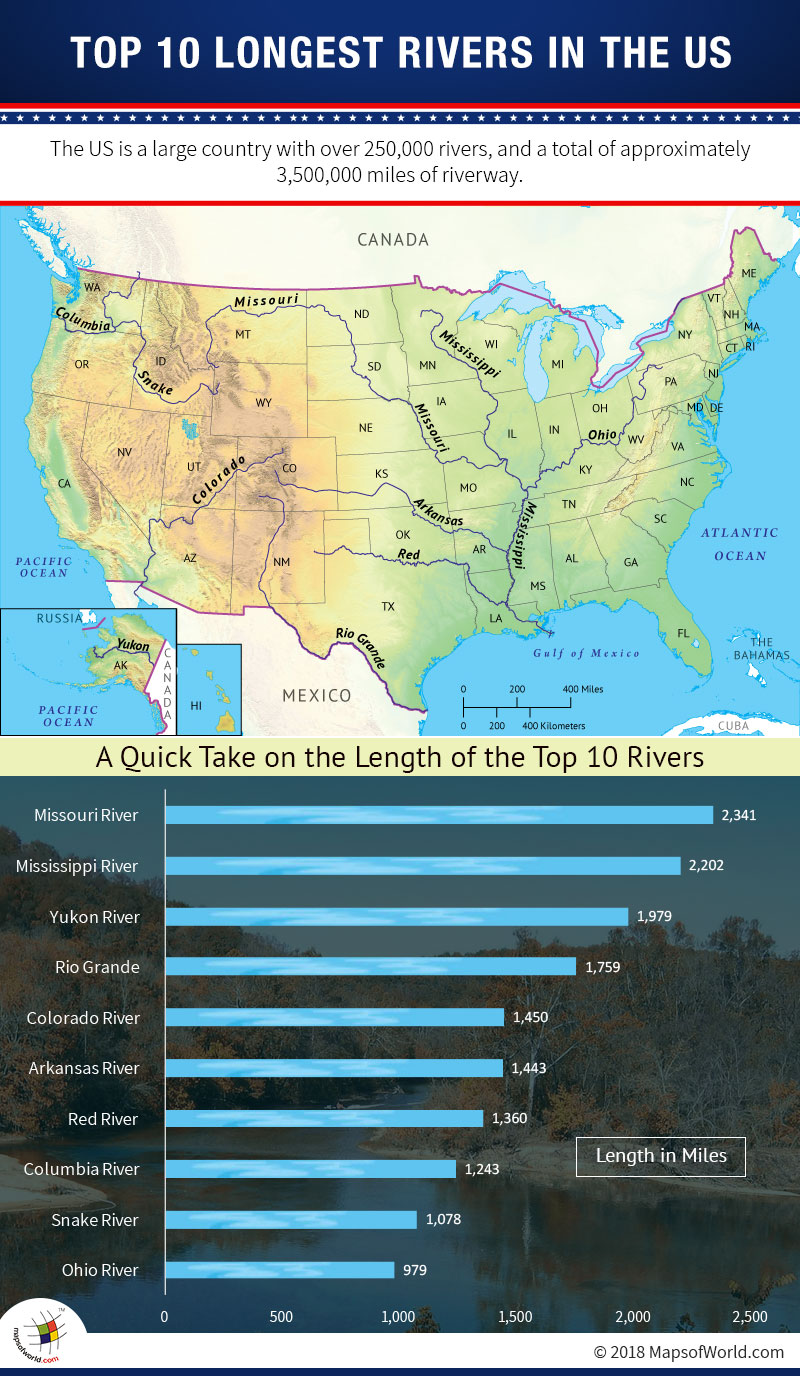
The Missouri-Mississippi river system forms a massive industrial and commercial corridor that facilitates the movement of billions of dollars in goods, powers millions of homes, and supports the global competitiveness of the American agricultural sector. To understand the “longest river” is to understand the bedrock of American trade and the massive financial infrastructure that sustains it.
The Missouri River: The Strategic Financial Value of America’s Longest River
While the Mississippi is the primary navigation channel for the heartland, the Missouri River—as the longest river—serves as the critical headwater and a major logistical tributary. The economic value of the Missouri is rooted in its ability to facilitate low-cost transport and provide the raw resources necessary for industrial production.
Logistics and the Cost-Efficiency of Barge Transport
From a “Money” perspective, the primary advantage of the Missouri River is its efficiency in freight. Shipping by water is significantly more cost-effective than rail or truck. A single barge can carry the equivalent of 16 rail cars or 70 semi-trucks. When we look at the Missouri’s role in moving bulk commodities—such as grain, fertilizer, and construction materials—the cost savings for corporations are immense.
In terms of capital expenditure (CAPEX) for logistics companies, utilizing the river system allows for higher volume at a lower fuel cost per ton-mile. This efficiency directly impacts the bottom line of domestic manufacturers and agricultural producers, making their products more competitive in the global marketplace.
Impact on Agricultural Export Markets
The Missouri River flows through the “Breadbasket” of the United States. The states surrounding the river—including Montana, North Dakota, South Dakota, Nebraska, Iowa, Kansas, and Missouri—are leaders in the production of wheat, corn, and soybeans. For these states, the river is not just a geographic feature; it is a vital link to the international market.
The Missouri provides the necessary irrigation for multi-billion dollar agricultural operations and serves as the first leg of the journey for exports headed to the Gulf of Mexico. Without the Missouri’s contribution to the larger river system, the cost of exporting American crops would rise, potentially leading to a loss of market share to international competitors like Brazil or Russia.
The Missouri-Mississippi Confluence: A Hub for Corporate Investment
The point where the Missouri flows into the Mississippi is one of the most economically significant geographic locations in the world. This confluence creates a “super-highway” for commerce that drives regional GDP and attracts massive corporate investment in infrastructure and manufacturing.
Industrial Infrastructure and Real Estate Development
The regions surrounding the Missouri and Mississippi confluences have seen a surge in industrial real estate investment. Corporations seek proximity to the river to take advantage of the multimodal transport options—where river, rail, and road intersect. This has led to the development of massive inland ports and logistics hubs.
For real estate investors, riverfront industrial property is a premium asset. These sites are essential for companies in the energy, chemical, and heavy manufacturing sectors that require large-scale intake of water for cooling or processing, as well as an outlet for bulk shipping. The appraisal values of these industrial zones have remained resilient, driven by the permanent logistical advantage provided by the river.
Energy Production and Hydroelectric ROI
Beyond transport, the Missouri River is a massive producer of energy. The river features several major dams, such as the Fort Peck, Garrison, and Oahe dams, which provide hydroelectric power to the surrounding states. For the regional economy, hydroelectricity offers a low-cost, renewable energy source that stabilizes utility prices for both consumers and businesses.
From an investment standpoint, the infrastructure surrounding the river supports a diverse energy portfolio. Coal, nuclear, and natural gas power plants are often situated along the river to utilize its water for cooling. The financial reliability of these plants depends on the consistent flow of the Missouri, making water management a key factor in regional energy security and utility stock valuations.

Financing the Future: Infrastructure Projects and Federal Investment
Maintaining the longest river in America is an expensive and complex endeavor. The financial health of the river system is directly tied to federal spending, infrastructure bills, and the work of the U.S. Army Corps of Engineers.
The Cost of Maintenance: Lock and Dam Rehabilitation
The aging infrastructure of the Missouri and Mississippi river systems represents a significant financial challenge. Many of the locks and dams were built over 50 years ago and require billions of dollars in upgrades to remain functional. In the world of business finance, this is an issue of “supply chain resilience.”
Recent federal legislation, including the Infrastructure Investment and Jobs Act, has allocated billions for the modernization of these waterways. For contractors and engineering firms, these projects represent massive long-term revenue streams. For the broader economy, these investments prevent costly “bottlenecks” that occur when a lock failure halts river traffic, which can cost the economy hundreds of millions of dollars per day in lost productivity.
Disaster Mitigation as a Risk Management Strategy
Flooding is the primary financial risk associated with the Missouri River. Major flood events, such as those in 1993 and 2019, caused billions of dollars in damages to crops, infrastructure, and private property. Consequently, flood control is viewed as a critical “risk management” strategy for the region.
The insurance industry and the federal government have a vested interest in the levee systems and floodwalls that line the river. From a personal finance perspective, property owners in the Missouri basin must navigate complex flood insurance markets. On a corporate scale, large-scale agribusinesses and manufacturers must factor “climate risk” and “water volatility” into their long-term financial forecasting. Investment in sophisticated levee systems is essentially a capital investment in protecting the region’s GDP.
Modern Monetization: Tourism and the River’s Secondary Economies
While heavy industry and agriculture dominate the conversation, the Missouri River also supports a growing secondary economy focused on recreation, tourism, and digital transformation.
The Recreational Economy: A Multi-Billion Dollar Industry
The “Outdoor Economy” is a recognized financial sector that contributes significantly to the U.S. GDP. The Missouri River, with its vast stretches of scenic landscapes and reservoirs, supports a multi-billion dollar industry including boating, fishing, and eco-tourism.
Small businesses in river towns rely on the seasonal influx of tourists, which drives local tax revenue and supports job creation in the hospitality sector. For investors looking at “lifestyle” or “experiential” real estate, the Missouri River corridor offers unique opportunities for resort development and recreational land investment.
Digital Transformation in River-Based Commerce
Even the oldest industries on the river are being transformed by financial technology (FinTech) and digital tools. Modern barge companies use AI-driven logistics platforms to optimize routes and fuel consumption, while agricultural producers use satellite data and blockchain to track the provenance of grain moving down the river.
The integration of data into river commerce allows for better “just-in-time” inventory management for factories downstream. This digital layer increases the velocity of money within the river system, allowing for faster transactions and more efficient capital allocation. As the “longest river” becomes a “smarter river,” its contribution to the national economy will only grow.

Conclusion: The Long-Term ROI of America’s Longest River
When we answer the question “what is America’s longest river?”, we are identifying more than a 2,341-mile stretch of water. We are identifying a foundational asset of the American economy. The Missouri River is a catalyst for trade, a source of energy, and a driver of industrial growth.
From the macro-economic benefits of low-cost logistics to the micro-economic impact on local riverfront communities, the Missouri-Mississippi system is a testament to the power of natural infrastructure. For those in the world of money—whether they be investors, policy makers, or business owners—the river represents a permanent competitive advantage. As long as the water flows, the Missouri will remain an essential engine of American prosperity, demanding continued investment, strategic management, and financial respect.
aViewFromTheCave is a participant in the Amazon Services LLC Associates Program, an affiliate advertising program designed to provide a means for sites to earn advertising fees by advertising and linking to Amazon.com. Amazon, the Amazon logo, AmazonSupply, and the AmazonSupply logo are trademarks of Amazon.com, Inc. or its affiliates. As an Amazon Associate we earn affiliate commissions from qualifying purchases.