
In the landscape of personal finance, few names carry as much weight as American Express (Amex). For decades, the “Centurion” logo has been synonymous with financial prestige, high-tier rewards, and a unique approach to consumer credit. However, for the modern consumer, an American Express card is more than just a status symbol; it is a sophisticated financial tool designed to optimize spending, provide robust insurance protections, and offer unparalleled travel benefits.
Unlike its primary competitors, Visa and Mastercard, American Express operates as a closed-loop network. This means they are often both the card issuer (the bank lending the money) and the payment processor (the network that handles the transaction). This integrated model allows Amex to offer a distinct suite of products tailored to high-spending individuals and business owners. To understand what an American Express card is, one must look beyond the plastic—or metal—and examine the underlying financial ecosystem that powers it.
Understanding the American Express Ecosystem
To navigate the world of American Express, it is essential to first understand the fundamental differences in their product architecture. Unlike standard bank-issued credit cards, Amex products are categorized into distinct types that dictate how a cardholder manages their monthly cash flow.
Credit Cards vs. Charge Cards
The most significant distinction within the Amex portfolio is the difference between a traditional credit card and a “charge card.”
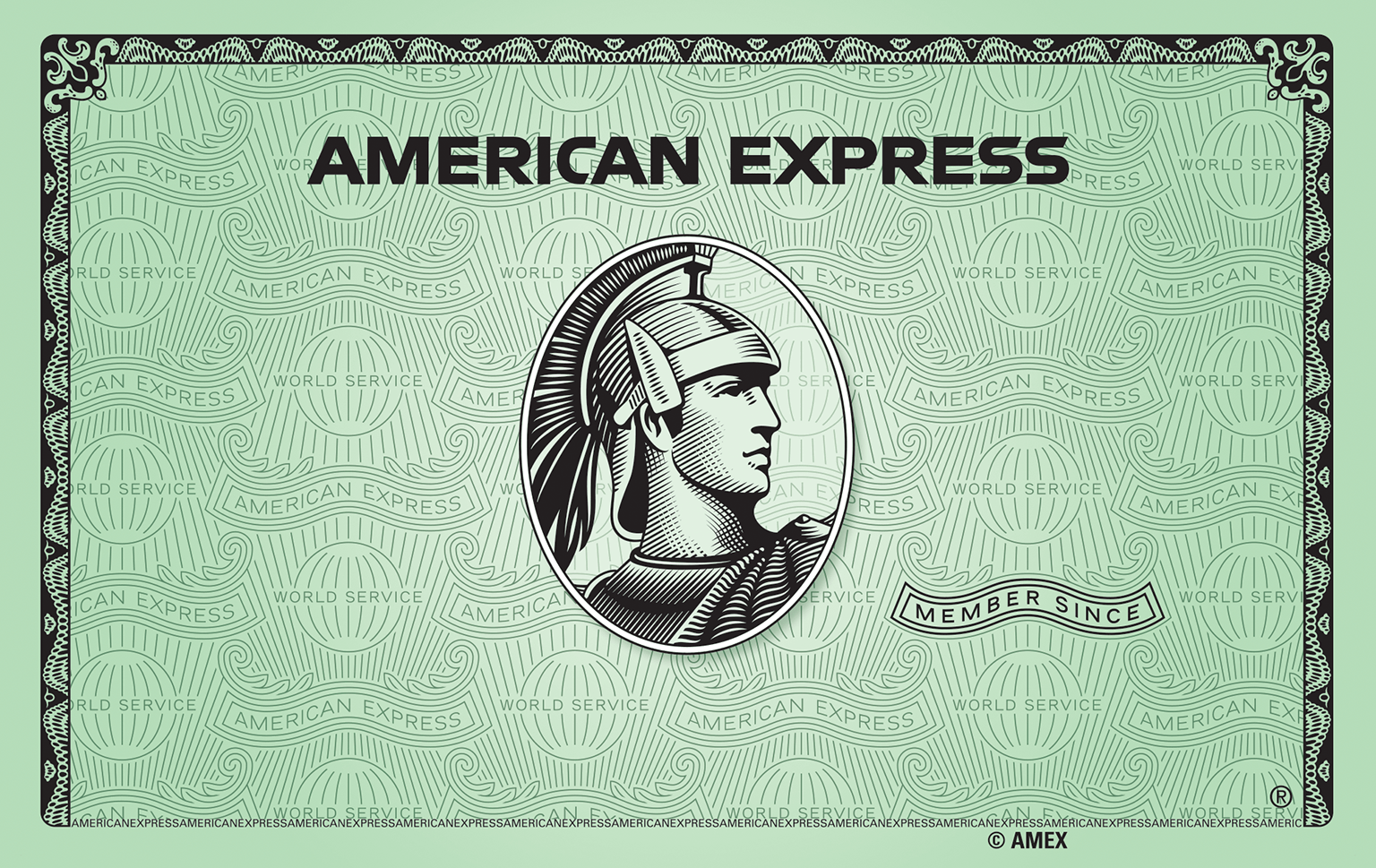
A standard credit card, such as the Amex EveryDay® or the Blue Cash Everyday®, allows cardholders to carry a balance from month to month while paying interest. These cards have a pre-set spending limit based on the individual’s creditworthiness.
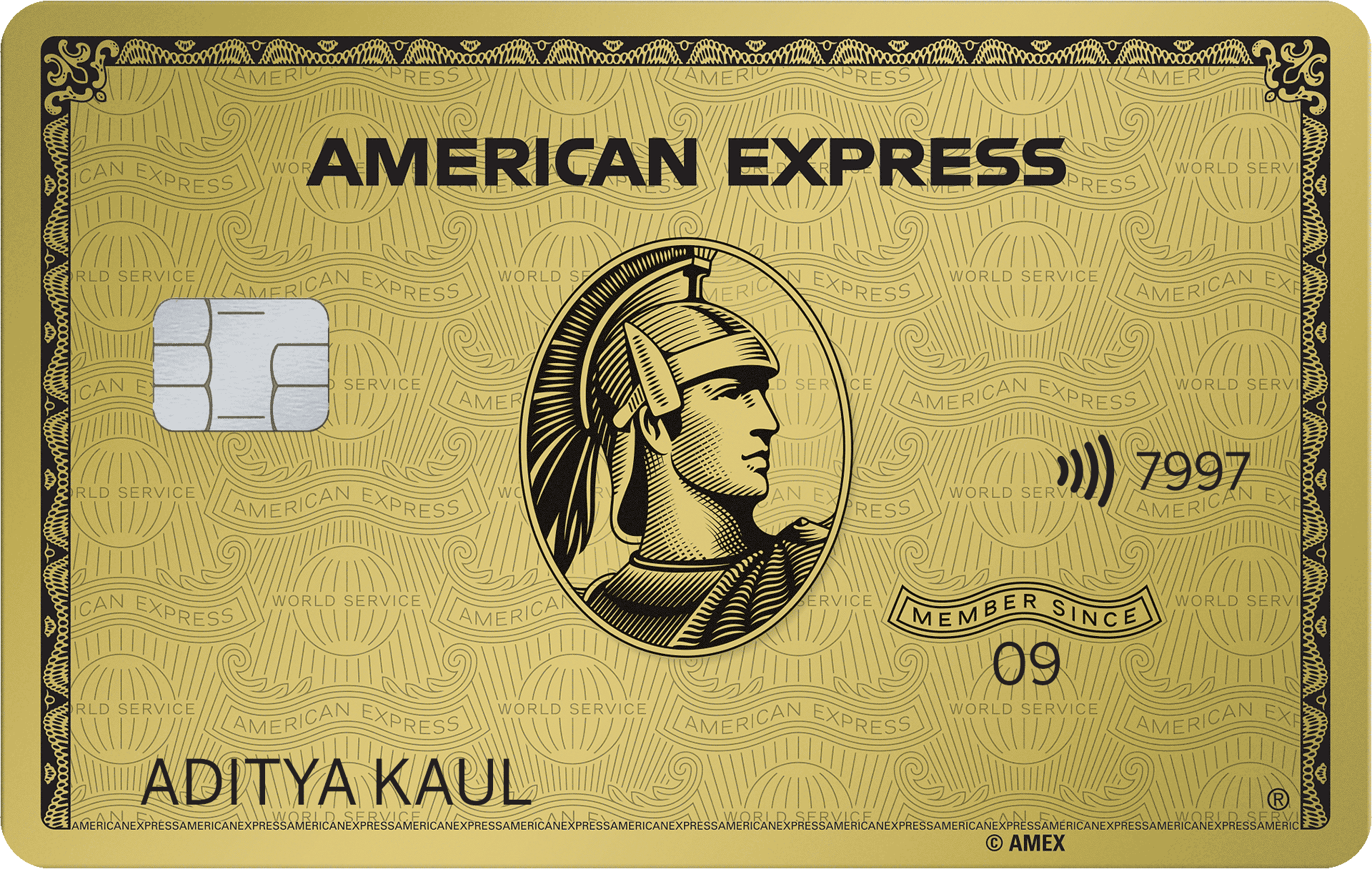
In contrast, American Express is famous for its charge cards, such as the American Express® Gold Card and The Platinum Card®. Traditionally, charge cards required the balance to be paid in full every month. While Amex has introduced “Pay Over Time” features recently, the core philosophy remains focused on short-term liquidity rather than long-term debt. These cards often come with “No Preset Spending Limit,” which does not mean unlimited spending, but rather a flexible limit that adjusts based on your usage, payment history, and financial resources.
The Membership Rewards (MR) Program
At the heart of the Amex value proposition is the Membership Rewards program. Often cited by financial experts as one of the most valuable “transferable currencies” in the world of personal finance, MR points provide immense flexibility.
Unlike fixed-value cash back, MR points can be transferred to various airline and hotel partners, such as Delta, British Airways, and Hilton. When utilized strategically for high-value redvemptions—like international business class flights—the “cent-per-point” value can far exceed that of a standard cash-back card. This ecosystem turns everyday expenses into an investment toward future luxury travel.
Key Categories of American Express Cards
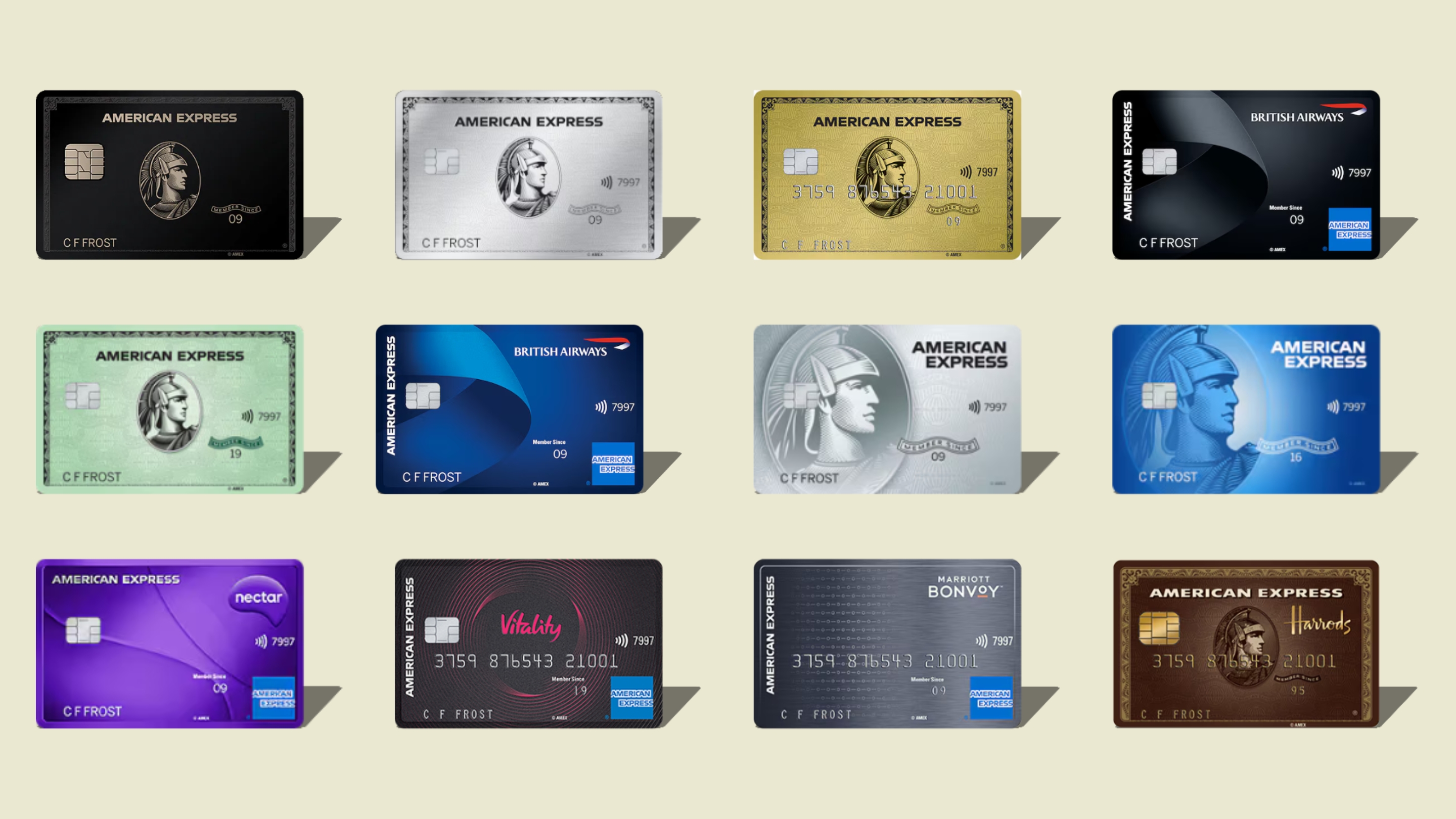
American Express offers a tiered hierarchy of cards, each designed for specific financial profiles and spending habits. Whether you are a frequent flyer, a suburban homeowner, or a corporate executive, there is a specific card tailored to your cash flow requirements.
Premium Lifestyle and Travel Cards
The “Premium” tier is where American Express truly distinguishes itself. The Platinum Card® is the flagship of this category. Designed for high-frequency travelers, it offers an array of benefits that justify its significant annual fee. From access to the exclusive Centurion Lounge network to comprehensive travel insurance and elite status with hotel chains, this card functions as a lifestyle management tool. For the cardholder, the financial goal is to utilize enough “statement credits” (such as those for Uber, digital entertainment, or airline incidentals) to offset the cost of ownership.
Everyday Spending and Cash Back Cards
Recognizing that not everyone prioritizes travel points, Amex offers a robust line of cash-back cards. The Blue Cash Preferred® Card is a prime example, often ranking as one of the best cards for families due to its high percentage of cash back on U.S. supermarkets and streaming services. In this niche, the focus is on immediate, tangible financial returns. By aligning a card’s “bonus categories” with one’s highest monthly expenses, a consumer can effectively reduce their cost of living by hundreds of dollars per year through earned rebates.
Small Business and Corporate Solutions
For entrepreneurs and business owners, American Express provides tools that go beyond simple purchasing. Amex Business cards are designed to assist with cash flow management. They offer features like extended payment terms on certain purchases and integration with accounting software like QuickBooks. By separating personal and business expenses, these cards provide a clear financial trail for tax purposes while earning rewards on high-volume business spend categories like shipping, advertising, and office supplies.
Evaluating the Costs and Benefits
One of the most debated aspects of American Express cards is the cost of membership. Unlike many “no-fee” cards offered by traditional banks, many of Amex’s top-tier products carry substantial annual fees ranging from $150 to $695 or more. Determining if a card is “worth it” requires a cold, hard look at one’s financial habits.
Annual Fees vs. Statement Credits
A savvy cardholder views an American Express annual fee not as a sunk cost, but as an upfront payment for a bundle of services. For instance, if a card has a $695 annual fee but provides $200 in hotel credits, $200 in airline fee credits, and $200 in Uber credits, the “effective” cost of the card drops to $95. The financial logic here is simple: if you were already going to spend money on those services, the card pays for itself. However, if the card forces you to spend money you wouldn’t otherwise spend, it becomes a financial liability.
Exclusive Perks and Financial Protections
Beyond the points and credits, American Express cards offer “soft” financial benefits that can be incredibly valuable in a crisis. Many of their cards include:
- Purchase Protection: Coverage if an item is stolen or accidentally damaged shortly after purchase.
- Extended Warranty: Adding an extra year to a manufacturer’s warranty on eligible purchases.
- Trip Cancellation/Interruption Insurance: Protecting the cardholder from financial loss due to unforeseen travel disruptions.
For a high-net-worth individual, these protections function as an embedded insurance policy, potentially saving thousands of dollars in the event of a lost laptop or a canceled international trip.
How to Choose the Right Card for Your Financial Goals
Selecting an American Express card should be a data-driven decision based on your historical spending and future financial objectives. It is not a “one size fits all” scenario.
Assessing Your Spending Habits
The first step is a thorough audit of your last six months of bank statements. If you spend $1,000 a month on groceries but rarely travel, a Gold Card or a Blue Cash Preferred card is far more beneficial than a Platinum Card. Conversely, if you are a consultant flying twice a month, the lounge access and hotel upgrades provided by high-tier cards become essential tools for productivity and comfort.
Credit Score Requirements and Application Process
It is important to note that American Express typically targets consumers with “Good” to “Excellent” credit (generally a FICO score of 700 or higher). From a financial planning perspective, one must be mindful of the “hard inquiry” on their credit report when applying. Amex also has specific internal rules, such as the “Once Per Lifetime” rule, which dictates that you can only receive a welcome bonus for a specific card once in your life. Timing your application to coincide with a “high” welcome offer is a key strategy for maximizing the initial financial return on a new account.
The Future of American Express in Personal Finance
As the financial technology (FinTech) sector evolves, American Express continues to adapt. They are moving beyond just physical cards to integrated financial platforms. With the rise of “Buy Now, Pay Later” (BNPL) services, Amex introduced “Plan It,” allowing cardholders to split large purchases into monthly installments with a fixed fee instead of interest.
Furthermore, their expansion into high-yield savings accounts and personal loans demonstrates a desire to be a holistic financial partner for their customers. By holding an Amex card, consumers often gain access to a broader suite of banking products that offer competitive interest rates, further cementing the brand’s place in a well-rounded personal finance strategy.
In summary, an American Express card is a multifaceted financial instrument. While it carries the weight of prestige, its true value lies in its ability to reward disciplined spending, provide significant consumer protections, and offer a gateway into a sophisticated world of travel and lifestyle benefits. When managed with a clear understanding of its fees, reward structures, and credit implications, an American Express card remains one of the most powerful tools in a modern consumer’s financial arsenal.
aViewFromTheCave is a participant in the Amazon Services LLC Associates Program, an affiliate advertising program designed to provide a means for sites to earn advertising fees by advertising and linking to Amazon.com. Amazon, the Amazon logo, AmazonSupply, and the AmazonSupply logo are trademarks of Amazon.com, Inc. or its affiliates. As an Amazon Associate we earn affiliate commissions from qualifying purchases.