
In the fiercely competitive airline industry, the concept of a “flagship” extends far beyond merely identifying the largest or most advanced aircraft in a fleet. For a global carrier like American Airlines, the term “flagship” encapsulates a carefully curated, multi-faceted brand strategy designed to project an image of unparalleled premium service, distinction, and operational excellence. It is the pinnacle of their corporate identity, a powerful statement of their commitment to the most discerning travelers, and a cornerstone of their marketing efforts to differentiate themselves in a crowded marketplace.
Understanding American Airlines’ flagship offerings is to delve into the heart of their brand strategy, exploring how they define and deliver their highest-tier experiences. It’s about recognizing the strategic choices made in product development, service design, and customer experience management that collectively form the embodiment of their premium brand promise. This article will dissect what constitutes American Airlines’ flagship, examining it through the lens of brand strategy, corporate identity, and marketing.
Defining “Flagship” in the Airline Industry: A Branding Perspective
At its core, “flagship” in the airline context represents the absolute best a brand has to offer. It’s not just a product; it’s a promise, an identity, and a carefully constructed perception. For American Airlines, as with other major carriers, the flagship concept is strategically designed to communicate the brand’s commitment to luxury, comfort, and a superior travel experience. It’s a key element in establishing and maintaining their position as a leading global airline.
Beyond a Single Aircraft: The Multifaceted Flagship Concept
While it’s common to associate a “flagship” with a specific aircraft type – such as the Boeing 747 for many airlines in its heyday, or the A380 for others – American Airlines’ approach to its flagship is more holistic and encompassing. Rather than centering on a singular piece of hardware, their brand strategy defines “flagship” as a comprehensive premium experience that spans multiple touchpoints: from pre-flight ground services to in-flight comfort and amenities. This broad definition allows for greater flexibility and consistency in branding, ensuring that the premium experience remains distinct regardless of the specific aircraft model or route. It allows American Airlines to imbue a consistent level of quality and luxury across its most important long-haul and transcontinental routes, rather than being limited to the availability of a specific plane type. This strategic decision reinforces the idea that the premium brand promise is inherent in the service, not just the machinery.
Communicating Brand Values Through Premium Offerings
The flagship offerings are the most potent vehicles for American Airlines to communicate its core brand values to its target audience. Through meticulous design, elevated service standards, and exclusive access, these products and services articulate a brand identity built on quality, exclusivity, and customer-centricity. The choice of materials in lounge design, the curated menu options onboard, the attentive service from dedicated crew members – all these elements are carefully orchestrated to convey a message of sophistication and care. This consistent messaging across all flagship elements helps to solidify American Airlines’ premium standing in the minds of travelers, reinforcing their brand promise and setting expectations for their most valuable customers. It’s a tangible representation of their commitment to excellence, effectively marketing their brand’s aspirational qualities.
American Airlines’ Flagship Offerings: Elevating the Brand Experience
American Airlines has strategically developed a suite of premium products and services under the “Flagship” banner, each designed to deliver an unparalleled experience and reinforce its high-end brand positioning. These offerings are meticulously crafted to cater to the needs and desires of its most discerning passengers, solidifying the airline’s corporate identity as a leader in global travel.
Flagship First and Flagship Business: In-Flight Product Excellence
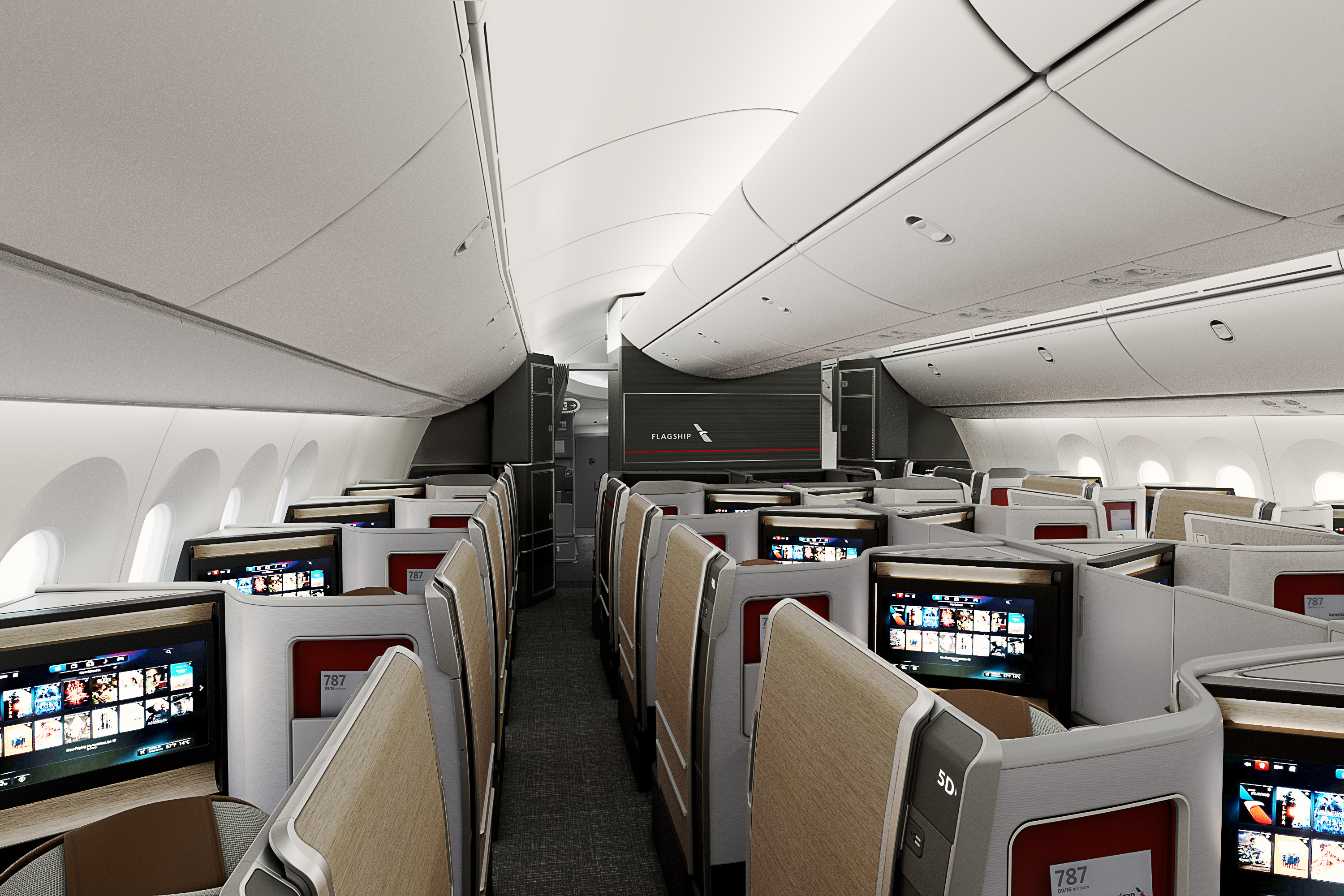
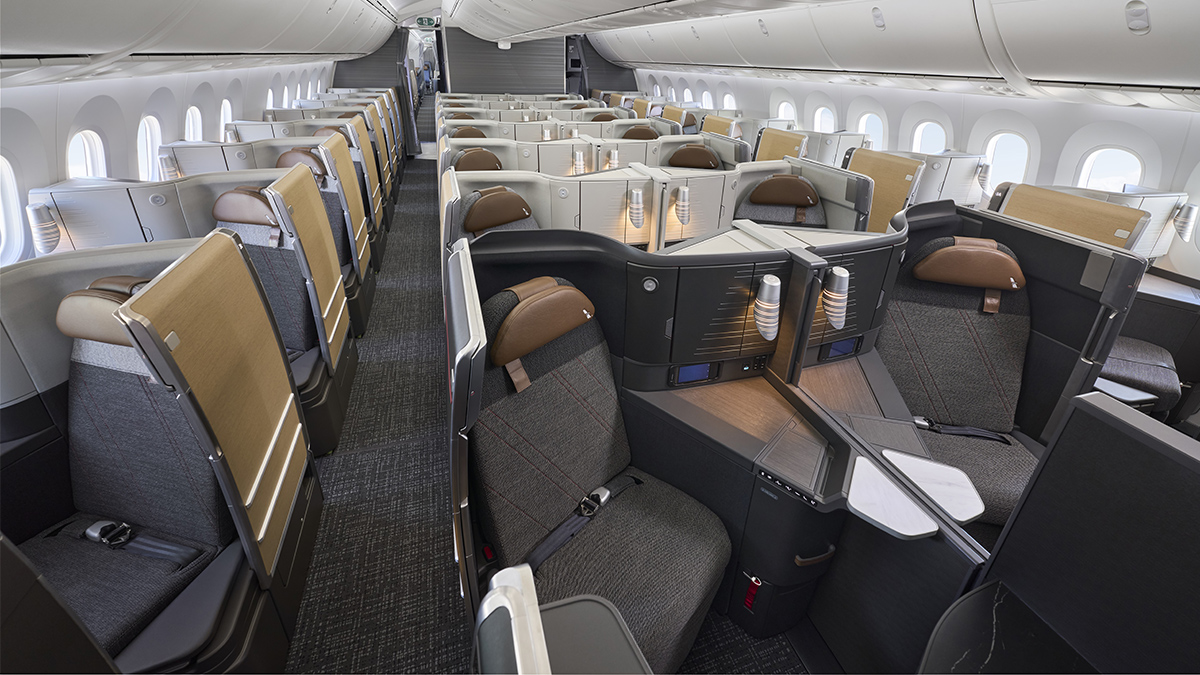
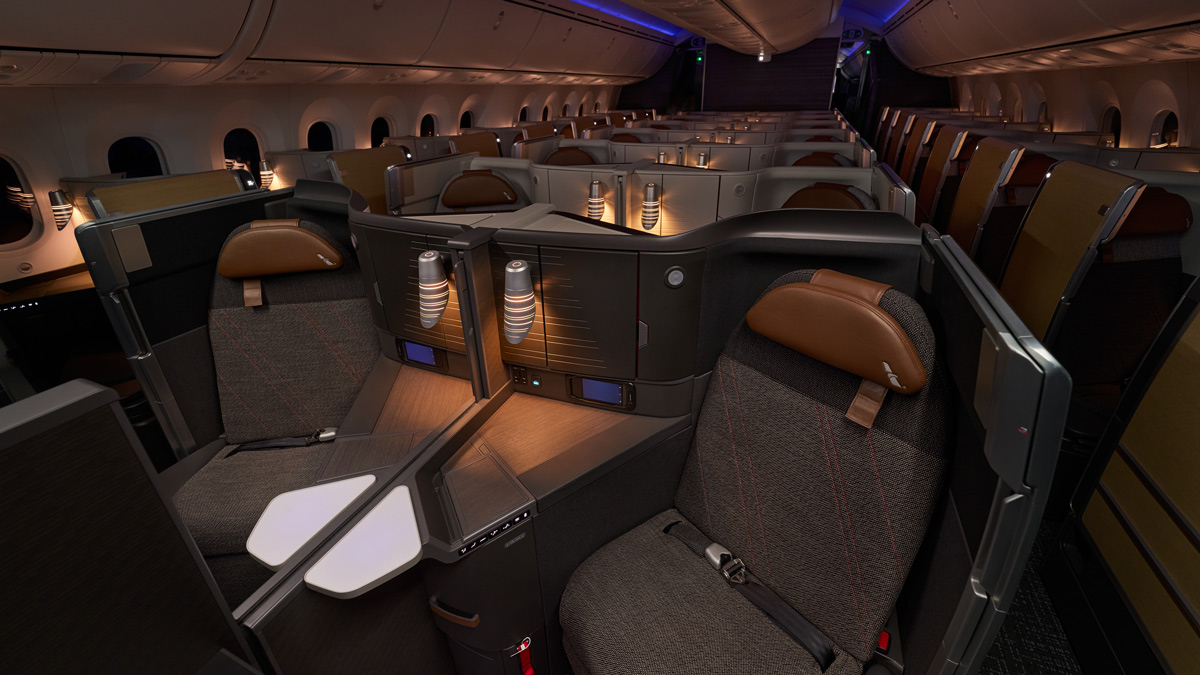
At the core of American Airlines’ in-flight premium brand experience are its Flagship First and Flagship Business cabins. These are not merely upgraded seats; they represent a significant investment in brand design and customer experience. Flagship First, available on select international and transcontinental routes, offers an exclusive, almost private jet-like experience. Passengers enjoy fully lie-flat seats with direct aisle access, enhanced privacy, and a heightened level of personalized service. The culinary experience is elevated, featuring multi-course meals designed by celebrity chefs, paired with premium wines and spirits. The amenities, from high-quality bedding to designer amenity kits, are all chosen to reflect a luxury brand image.
Flagship Business, while a step below First, still embodies a superior brand proposition. It offers lie-flat seats (often with direct aisle access), gourmet dining, and a comprehensive suite of entertainment options. Both cabins are critical brand touchpoints, showcasing American Airlines’ commitment to comfort, sophistication, and a stress-free journey. The differentiation between these two tiers also allows American Airlines to cater to slightly different segments within the premium market, ensuring broad appeal while maintaining a clear hierarchy of luxury. These product offerings are extensively featured in marketing campaigns, serving as tangible proof points for the brand’s premium promises.
The Flagship Lounge Network: Ground Experience as Brand Touchpoint
The Flagship experience begins long before passengers board the aircraft, thanks to American Airlines’ exclusive network of Flagship Lounges. Located in key international gateways, these lounges are meticulously designed extensions of the airline’s premium brand identity. They offer an oasis of calm and luxury, providing an array of amenities that distinguish them from standard airline clubs.
Key features include an impressive culinary offering, often highlighted by the Flagship First Dining experience within select lounges, where passengers can enjoy a sit-down, a la carte meal prepared by a chef. Beyond dining, the lounges provide sophisticated spaces for work and relaxation, featuring high-speed Wi-Fi, business centers, shower suites, and often quiet zones. The aesthetic design—modern, elegant, and comfortable—is crucial in reinforcing the premium brand image. These lounges are not just waiting areas; they are integral components of the Flagship brand experience, serving as powerful marketing tools that underscore American Airlines’ dedication to its top-tier customers even before they take flight. They set the tone for the journey, creating a seamless, branded experience from check-in to destination.
Strategic Aircraft Choices: Showcasing Brand Capability
While American Airlines doesn’t limit its “flagship” definition to a single aircraft, the strategic deployment of specific wide-body aircraft types on its most prestigious long-haul and transcontinental routes is a deliberate branding choice. Aircraft like the Boeing 777-300ER and the Boeing 787 Dreamliner are often equipped with the most advanced Flagship First and Business cabins, becoming mobile embodiments of the brand’s premium promise.
The choice of these modern, fuel-efficient aircraft not only aligns with operational efficiency but also contributes to the brand’s perception of modernity and technological advancement. These planes are often highlighted in marketing materials, showcasing their spacious cabins, advanced entertainment systems, and quiet flight experience. By investing in and strategically deploying these aircraft on routes where premium customers expect the best, American Airlines effectively leverages its fleet to enhance its corporate identity and marketing narrative, reinforcing its commitment to delivering a world-class travel experience. The aircraft themselves become symbols of the flagship brand.
The Strategic Imperative of a Flagship Product for Airline Brands
The existence of a “flagship” product or service is not merely an indulgence for an airline; it is a critical component of its overarching brand strategy. For American Airlines, its Flagship offerings serve multiple strategic imperatives, contributing significantly to its market position, brand perception, and financial health.
Market Differentiation and Competitive Advantage
In an industry where many core services can appear similar, a well-defined flagship product provides a crucial point of differentiation. American Airlines leverages its Flagship First and Business cabins and lounges to stand apart from competitors, particularly other legacy carriers and premium international airlines. By offering superior comfort, personalized service, and exclusive amenities, the airline carves out a distinct niche in the premium travel segment. This differentiation is vital for attracting high-value customers who are less price-sensitive and prioritize quality and experience. Marketing efforts heavily emphasize these unique selling propositions, showcasing them as reasons why American Airlines is the preferred choice for discerning travelers. The flagship becomes a benchmark, allowing the airline to control the narrative around its premium offering and prevent direct, commoditized comparisons with competitors.
Enhancing Brand Perception and Prestige
A robust flagship offering significantly enhances an airline’s overall brand perception and prestige. It signals to the market that American Airlines is a top-tier carrier, capable of delivering world-class service and luxury. This halo effect extends beyond just premium passengers; the very existence of a flagship product elevates the perception of the entire brand, even for those who may never fly in Flagship First. It instills confidence and a sense of quality across all tiers of service. This prestige is a powerful asset in marketing and public relations, allowing American Airlines to position itself as a leader rather than just another airline. It speaks to the aspiration of the brand, creating an image of reliability, excellence, and a commitment to quality that permeates the entire corporate identity.
Driving Customer Loyalty and Premium Revenue
Premium passengers, particularly business travelers and high-net-worth individuals, are highly coveted for their profitability and loyalty. American Airlines’ Flagship products are instrumental in attracting and retaining these valuable customers. The consistently superior experience fosters strong loyalty, encouraging repeat business and positive word-of-mouth referrals. These passengers often represent a disproportionately large share of revenue for airlines.
By offering a compelling flagship product, American Airlines can command premium fares, directly impacting its financial performance. The investment in Flagship services is therefore a strategic financial decision, designed to generate higher yields and contribute substantially to profitability. Furthermore, the aspiration associated with Flagship travel can motivate frequent flyers to strive for higher elite status within American’s AAdvantage program, further cementing their loyalty to the brand. It’s a virtuous cycle: an exceptional product drives loyalty, which in turn drives revenue, justifying continued investment in brand enhancement.
Crafting and Evolving the Flagship Experience: Brand Management in Action
The definition and delivery of American Airlines’ flagship experience are not static; they represent an ongoing process of brand management, requiring continuous innovation, meticulous design, and responsiveness to market dynamics. This adaptive approach ensures the flagship remains relevant, competitive, and true to its premium brand promise.
Design, Service, and Innovation: Pillars of Premium Branding
The success of a flagship product hinges on excellence in three interconnected pillars: design, service, and innovation. The design encompasses everything from the physical layout and aesthetics of the Flagship Lounges and cabins to the thoughtful selection of materials, lighting, and amenities. Every element is deliberately chosen to create an atmosphere of luxury, comfort, and exclusivity, reinforcing the brand’s high-end corporate identity. This includes ergonomic seating, elegant tableware, and sophisticated entertainment systems.
Service is equally crucial. Flagship experiences demand a higher caliber of personalized attention, anticipating passenger needs and delivering beyond expectations. This requires extensive training for flight attendants, lounge staff, and ground crews, imbuing them with the brand’s service philosophy and empowering them to act as brand ambassadors. The human touch transforms a set of features into a memorable, premium experience.
Innovation ensures the flagship remains at the forefront of the industry. This involves constantly evaluating new technologies, customer preferences, and competitor offerings to introduce enhancements. Whether it’s upgrading Wi-Fi speeds, introducing new culinary partnerships, or refining cabin layouts, innovation is key to preventing the flagship from becoming stagnant and to maintaining its competitive edge and market leadership. This continuous improvement is central to brand relevance.
Adapting to Changing Customer Expectations and Market Trends
The premium travel market is dynamic, with customer expectations continually evolving. What was considered luxurious a decade ago may now be standard. American Airlines’ brand management team must therefore be acutely aware of emerging trends, from sustainability preferences to desires for enhanced digital connectivity and wellness-focused amenities.
Adapting the flagship experience means being agile and proactive. This could involve integrating more plant-based meal options, introducing wellness programs in lounges, or enhancing personalized digital services. The brand’s ability to evolve its flagship offering in response to these shifts demonstrates its understanding of its target demographic and its commitment to meeting contemporary demands, thereby sustaining its relevance and appeal. This adaptability is a testament to sophisticated brand strategy at work, ensuring the flagship narrative remains compelling.
Consistent Branding Across All Flagship Touchpoints
A defining characteristic of a successful flagship brand is consistency. From the moment a premium passenger considers booking a Flagship fare, to their experience at the airport, onboard the aircraft, and even post-flight, every touchpoint must reflect the same high standards and brand aesthetic. Inconsistent branding, such as a luxurious lounge followed by a mediocre in-flight experience on a flagship route, can quickly erode customer trust and damage brand perception.
American Airlines invests heavily in ensuring that its Flagship First and Business cabins, Flagship Lounges, Flagship First Dining, and associated ground services present a unified, cohesive brand identity. This consistency builds confidence, reinforces the premium promise, and ensures that the brand delivers on the high expectations it sets. It’s a meticulous exercise in corporate identity management, where every detail, no matter how small, contributes to the overall brand narrative and the perception of American Airlines as a world-class carrier committed to an unparalleled premium travel experience. This unwavering consistency is the ultimate validation of their flagship brand strategy.
aViewFromTheCave is a participant in the Amazon Services LLC Associates Program, an affiliate advertising program designed to provide a means for sites to earn advertising fees by advertising and linking to Amazon.com. Amazon, the Amazon logo, AmazonSupply, and the AmazonSupply logo are trademarks of Amazon.com, Inc. or its affiliates. As an Amazon Associate we earn affiliate commissions from qualifying purchases.