
In the dynamic landscape of modern finance and technology, understanding the investment potential of key players is paramount for discerning investors. Advanced Micro Devices (AMD), a titan in the semiconductor industry, frequently captures headlines and investor interest. But what exactly is AMD stock, and what does it represent for those looking to navigate the complexities of the financial markets? This article delves into AMD as a publicly traded entity, exploring its market position, financial performance, and the various considerations that make its stock a focal point for investors operating within the Money niche. From understanding the company’s core business to analyzing its financial health and future prospects, we provide an insightful overview for anyone considering AMD as an addition to their investment portfolio.
Understanding Advanced Micro Devices (AMD) as a Company
Before dissecting its stock, it’s crucial to grasp the foundation upon which AMD’s market valuation is built: its core business and strategic positioning within the technology sector. AMD is not merely a name; it’s a powerhouse of innovation driving significant advancements in computing.
A Brief History and Core Business
Founded in 1969, Advanced Micro Devices began as a manufacturer of integrated circuits. Over the decades, it evolved into a leading global semiconductor company specializing in high-performance computing, graphics, and visualization technologies. AMD’s primary products include central processing units (CPUs) and graphics processing units (GPUs) for desktop PCs, notebooks, servers, and embedded applications. Their CPUs, particularly the Ryzen series, have established a formidable presence in the consumer market, while their Radeon GPUs compete directly with industry giants. Beyond these, AMD’s custom system-on-a-chip (SoC) solutions power popular gaming consoles, highlighting its diverse technological footprint. Recent strategic acquisitions, such as Xilinx for adaptive computing and Pensando for data center networking solutions, have significantly broadened AMD’s portfolio and market reach, positioning it as a more comprehensive solution provider for high-growth sectors.
Key Market Segments and Competitive Landscape
AMD operates across several critical market segments, each with unique growth drivers and competitive pressures. The client segment encompasses processors and GPUs for PCs and laptops, where AMD vigorously competes with Intel (CPUs) and Nvidia (GPUs). Its server segment, driven by the EPYC processor line, has made substantial inroads into the data center market, challenging Intel’s long-standing dominance. The gaming segment, powered by both discrete GPUs for PC gamers and custom SoCs for console manufacturers like Sony (PlayStation) and Microsoft (Xbox), remains a strong revenue generator. Finally, the embedded and semi-custom segment, bolstered by the Xilinx acquisition, caters to a wide array of specialized applications from industrial systems to telecommunications infrastructure. The competitive landscape is intense, characterized by rapid technological cycles and the need for continuous innovation. AMD’s ability to consistently deliver performance and value across these segments is critical to its sustained growth and investor appeal.
Recent Performance and Growth Drivers
In recent years, AMD has demonstrated remarkable turnaround and growth, largely attributed to strong product roadmaps and strategic execution. The success of its Zen architecture across its CPU lines (Ryzen for consumers, Threadripper for enthusiasts, EPYC for servers) has enabled significant market share gains. On the graphics front, Radeon GPUs continue to evolve, offering competitive alternatives for gamers and professionals. The explosion of demand in data centers, cloud computing, and artificial intelligence (AI) has been a significant tailwind for AMD, particularly with its EPYC processors and Instinct AI accelerators. Furthermore, the persistent demand for gaming consoles and the adoption of its embedded solutions in various industries contribute robustly to its revenue streams. Investor confidence has been fueled by consistent revenue growth, expanding profit margins, and a clear vision for future innovation, including advancements in AI hardware and software ecosystems.
Navigating AMD Stock in the Financial Markets
For investors, understanding the company is only half the battle. The other half involves comprehending how AMD’s business translates into its stock performance and what financial metrics are crucial for evaluation.
The Mechanics of Investing in AMD Stock
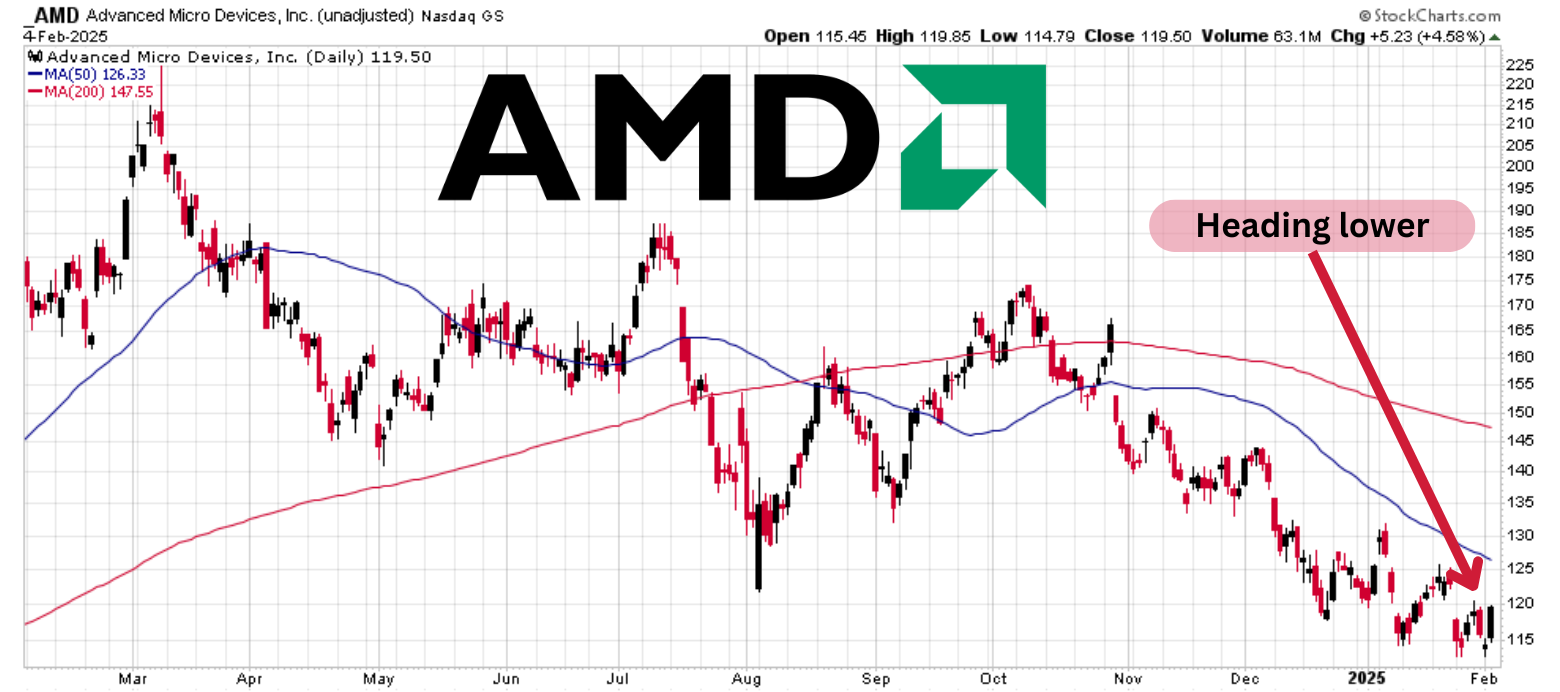
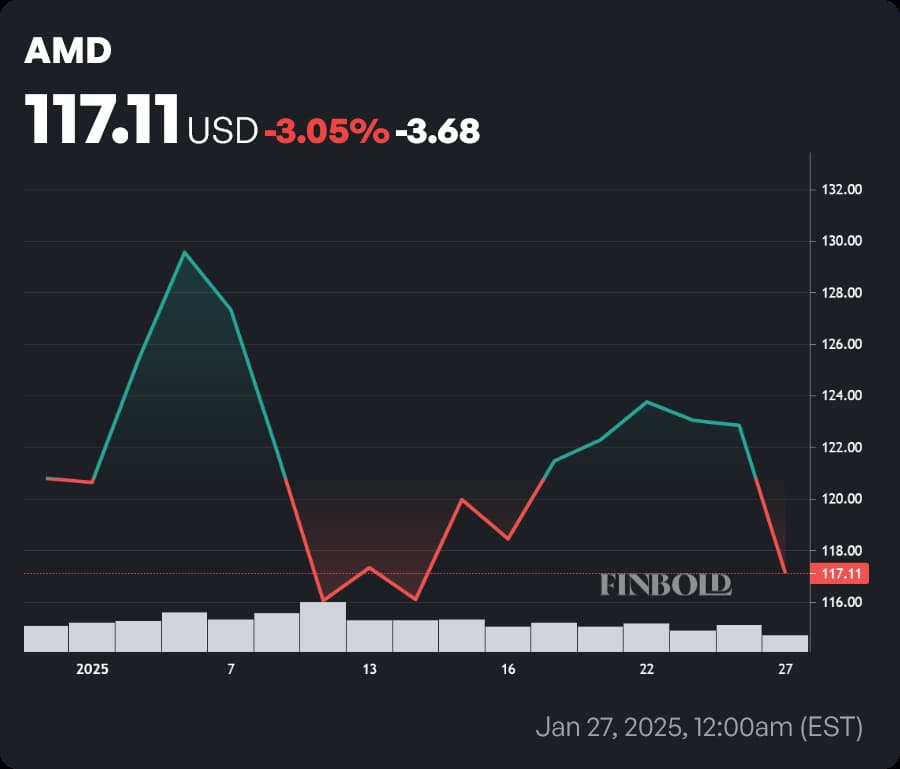
Investing in AMD stock means purchasing shares of Advanced Micro Devices, Inc. which are publicly traded on the NASDAQ Global Select Market under the ticker symbol “AMD.” This makes it accessible to retail and institutional investors worldwide. Buying AMD stock involves opening a brokerage account, depositing funds, and placing an order through a trading platform. Key metrics investors monitor include the current share price, which reflects the market’s real-time valuation of the company, and the market capitalization, calculated by multiplying the share price by the total number of outstanding shares. Market capitalization indicates the company’s overall size and value. Daily trading volumes provide insights into liquidity and investor interest, while historical price charts offer a visual representation of past performance and trends, though past performance is not indicative of future results.
Analyzing AMD’s Financial Health and Performance
A deep dive into AMD’s financial statements is essential for any serious investor. Key financial indicators provide a snapshot of the company’s health and operational efficiency.
- Revenue: Consistently increasing revenue indicates growing sales and market penetration.
- Net Income and Earnings Per Share (EPS): These figures reflect the company’s profitability. Positive and growing EPS is a strong indicator of financial strength.
- Profit Margins: Gross, operating, and net profit margins show how efficiently AMD converts sales into profits.
- Balance Sheet: Scrutinizing assets, liabilities, and shareholder equity reveals liquidity, solvency, and financial leverage. For instance, a healthy cash position and manageable debt levels are favorable.
- Cash Flow Statement: This statement illustrates how cash is generated and used, indicating the company’s ability to fund operations, investments, and debt obligations.
- Valuation Ratios: Ratios like the Price-to-Earnings (P/E) ratio, Price-to-Sales (P/S) ratio, and PEG (P/E to Growth) ratio help investors assess whether the stock is undervalued, fairly valued, or overvalued relative to its earnings or growth prospects.
Regular review of AMD’s quarterly earnings reports and annual filings (10-K, 10-Q) provides up-to-date information on these critical metrics, allowing investors to track performance and make informed decisions.
Key Factors Influencing AMD’s Stock Price
AMD’s stock price is subject to a multitude of internal and external factors.
- Technological Innovation and Product Cycles: The semiconductor industry is highly cyclical and innovation-driven. Successful product launches (e.g., new CPU or GPU architectures) can significantly boost stock performance, while delays or uncompetitive products can have the opposite effect.
- Competitive Landscape: Actions by rivals like Intel and Nvidia, including new product releases, pricing strategies, or market share shifts, directly impact AMD’s market position and investor perception.
- Global Economic Conditions: The demand for semiconductors is closely tied to the broader economy. Economic downturns can reduce demand for PCs, servers, and other electronics, affecting AMD’s sales.
- Supply Chain Dynamics: Geopolitical events, manufacturing capacity, and raw material availability can create supply chain disruptions, impacting production and delivery, as seen during recent global chip shortages.
- Analyst Ratings and Investor Sentiment: Upgrades or downgrades from financial analysts, alongside general market sentiment towards tech stocks, can influence short-term price movements.
- Strategic Acquisitions and Partnerships: Major acquisitions (like Xilinx) or significant partnerships can create new growth opportunities but also introduce integration risks or financial leverage.
- Interest Rates and Inflation: Higher interest rates can make future earnings less attractive, potentially impacting the valuation of growth stocks like AMD.
Investment Considerations and Strategies for AMD Stock

Investing in AMD, like any individual stock, requires careful consideration of its unique profile, potential risks, and alignment with an investor’s personal financial goals and risk tolerance.
Growth Potential vs. Volatility
AMD has exhibited significant growth potential, driven by its technological prowess and expansion into high-growth markets like data centers and AI. The company’s ability to innovate and capture market share from established competitors positions it well for continued top-line and bottom-line expansion. However, as a technology growth stock, AMD shares can be highly volatile. Its price often experiences larger swings compared to more stable, mature companies. This volatility can be a double-edged sword: offering substantial gains during bull runs but also exposing investors to significant drawdowns during market corrections or company-specific setbacks. Investors must weigh this inherent volatility against the compelling long-term growth narrative.
Long-Term vs. Short-Term Investment Perspectives
For long-term investors, AMD may appeal as a conviction play on the future of computing, AI, and data infrastructure. A long-term horizon allows investors to ride out short-term market fluctuations, benefiting from the compounding effect of earnings growth and potential market share expansion over several years. Belief in AMD’s product roadmap, leadership team, and strategic vision for technology forms the cornerstone of such an approach. Conversely, short-term traders might look to capitalize on AMD’s volatility, news-driven price movements, or technical chart patterns. This strategy typically involves higher risk and requires active monitoring of the market and company news, often aiming for smaller, quicker gains rather than sustained, multi-year appreciation. Different investment styles necessitate different approaches to AMD stock.
Risks Associated with Investing in AMD
Despite its successes, investing in AMD carries inherent risks:
- Intense Competition: The semiconductor market is fiercely competitive. Any misstep in product development, manufacturing, or marketing could allow competitors to gain an advantage.
- Technological Obsolescence: Rapid technological advancement means that current products can quickly become obsolete, necessitating continuous R&D investment.
- Supply Chain Disruptions: As demonstrated recently, global supply chain issues can severely impact production and sales, leading to revenue shortfalls.
- Macroeconomic Headwinds: A global economic slowdown or recession can reduce demand for electronics, impacting AMD’s sales across all segments.
- Valuation Concerns: As a high-growth stock, AMD often trades at a premium valuation. If future growth rates do not meet market expectations, the stock could experience a significant correction.
- Geopolitical Risks: The global nature of semiconductor manufacturing and sales exposes AMD to geopolitical tensions, trade disputes, and regulatory changes, particularly concerning key regions like Taiwan (TSMC) and China.
Diversification and Portfolio Integration
For most investors, especially those with moderate risk tolerance, allocating a portion of their portfolio to a high-growth stock like AMD should be done within the context of a diversified investment strategy. Diversification—spreading investments across various asset classes, industries, and geographies—helps mitigate the impact of poor performance from any single investment. AMD stock could serve as a growth component within a broader portfolio that also includes value stocks, bonds, real estate, and other assets. The allocation to AMD should be commensurate with one’s risk appetite and overall financial objectives, ensuring that potential gains are balanced against the capacity to absorb potential losses.
The Future Outlook for AMD and its Stock
Looking ahead, AMD’s trajectory appears promising, contingent on its continued innovation and strategic execution within a rapidly evolving technological landscape.
Strategic Initiatives and Upcoming Products
AMD’s future growth will be largely shaped by its strategic focus on high-performance computing, adaptive computing, and AI. The company’s roadmap includes next-generation CPU and GPU architectures designed to deliver superior performance and energy efficiency. A key strategic initiative involves deepening its penetration into the data center market with its EPYC processors and expanding its AI accelerator lineup (Instinct series) to compete more effectively with Nvidia in the burgeoning AI/Machine Learning space. The integration of Xilinx technologies opens up vast opportunities in embedded systems, industrial applications, aerospace, and defense, offering specialized solutions that cater to diverse computing needs. Continuous investment in R&D and strategic partnerships will be vital to maintaining its competitive edge and driving future product cycles.
Analyst Projections and Market Sentiment
Financial analysts often provide projections for AMD’s future earnings and revenue, influencing market sentiment and investor decisions. Generally, analysts are bullish on AMD’s long-term prospects, citing its strong product portfolio, market share gains, and strategic acquisitions. However, projections are subject to revision based on quarterly performance, competitive dynamics, and macroeconomic shifts. Market sentiment can fluctuate rapidly, driven by industry news, macroeconomic data, and broader market trends. Positive sentiment typically leads to higher valuations, while negative sentiment can exert downward pressure. Investors should consider a range of analyst opinions and understand the underlying assumptions rather than relying on a single forecast.
Broader Market Trends Affecting Semiconductor Stocks
The semiconductor industry is at the heart of several megatrends that will continue to drive demand for chips, directly benefiting AMD.
- Artificial Intelligence (AI) and Machine Learning (ML): The insatiable demand for processing power in AI training and inference models is a significant growth driver for high-performance processors and accelerators.
- Cloud Computing and Data Centers: The continued expansion of cloud services requires massive data center infrastructure, fueling demand for server CPUs and networking solutions.
- Internet of Things (IoT) and Edge Computing: The proliferation of connected devices and the need for localized processing at the ‘edge’ create new opportunities for embedded and specialized chip solutions.
- Gaming and Metaverse: Advancements in gaming graphics and the nascent development of the metaverse will continue to drive demand for high-end GPUs.
- Geopolitical Factors: Government policies, trade relations, and regional investments in semiconductor manufacturing (e.g., CHIPS Act) can significantly impact the industry landscape.
AMD’s position within these trends makes it a compelling investment, but also ties its fortune to the broader health and direction of these technological shifts.
Conclusion
Advanced Micro Devices stock represents an investment in a leading-edge technology company that has demonstrated impressive growth and innovation within the semiconductor sector. Understanding “what is AMD stock” extends beyond its ticker symbol to a comprehensive appreciation of its business segments, financial performance, competitive standing, and the broader market forces shaping its future. For investors operating within the Money niche, AMD offers compelling growth potential, particularly given its strategic focus on high-performance computing, data centers, and AI. However, this potential comes with inherent risks, including intense competition, market volatility, and macroeconomic sensitivities. A prudent investment strategy for AMD stock involves thorough due diligence, a clear understanding of one’s risk tolerance, and the integration of this asset within a well-diversified portfolio. Ultimately, investing in AMD stock requires an informed perspective that balances its exciting growth prospects with a realistic assessment of its challenges and market dynamics.
aViewFromTheCave is a participant in the Amazon Services LLC Associates Program, an affiliate advertising program designed to provide a means for sites to earn advertising fees by advertising and linking to Amazon.com. Amazon, the Amazon logo, AmazonSupply, and the AmazonSupply logo are trademarks of Amazon.com, Inc. or its affiliates. As an Amazon Associate we earn affiliate commissions from qualifying purchases.