
In the vast and ever-evolving landscape of personal computing, the term “AMD computer” frequently surfaces, yet its precise meaning can sometimes be a source of confusion. Unlike brands such as Dell, HP, or Apple, Advanced Micro Devices (AMD) does not produce complete, ready-to-use computers that bear its name as the sole identifier. Instead, AMD is a pioneering semiconductor company, a powerhouse of innovation that designs and manufactures some of the most critical components that power modern computers. Therefore, an “AMD computer” is, in essence, any computer—be it a desktop, laptop, or server—that leverages AMD’s advanced microprocessors (CPUs) and/or graphics processing units (GPUs) as its foundational processing engines.
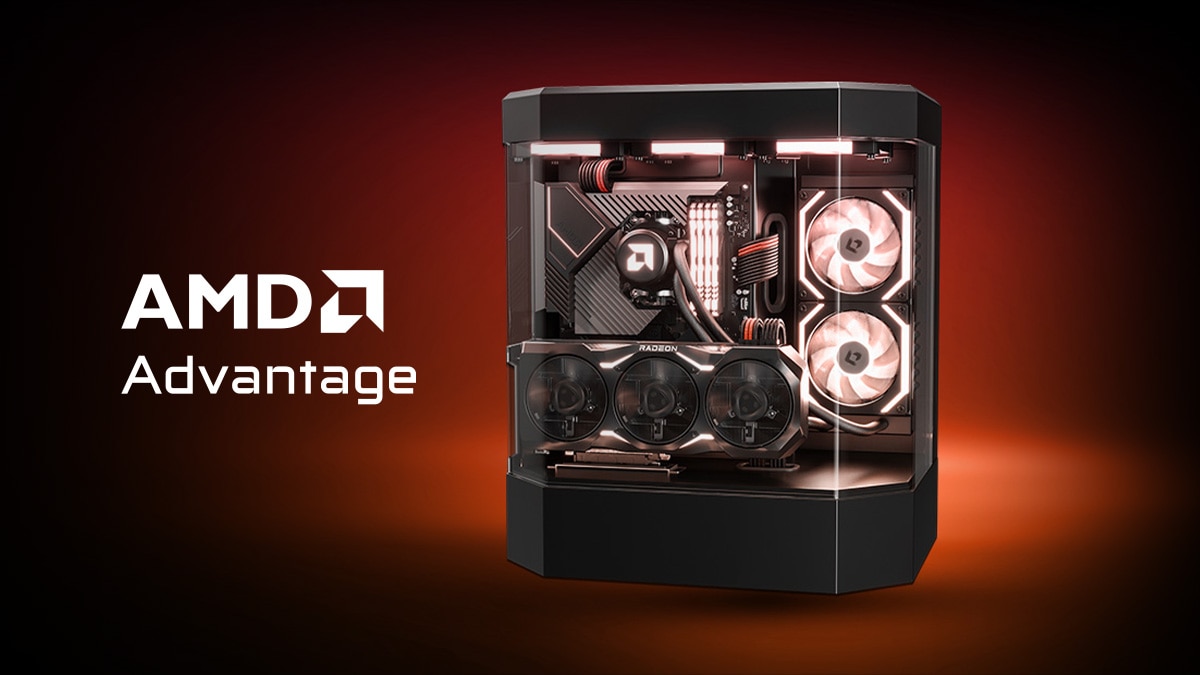
For decades, AMD has stood as a formidable force in the semiconductor industry, challenging incumbents and pushing the boundaries of what’s possible in computing performance and efficiency. This article delves into the core of what defines an AMD-powered machine, exploring the company’s rich history, its groundbreaking technologies, the advantages these bring to users, and what the future holds for this tech giant.
Understanding AMD: A Tech Giant’s Journey
Advanced Micro Devices, Inc. has carved out a pivotal role in the tech ecosystem through relentless innovation and strategic market positioning. To truly grasp what an AMD computer represents today, it’s essential to understand the company’s origins and its persistent drive to redefine performance benchmarks.
A Brief History of Advanced Micro Devices
Founded in 1969, AMD began as a manufacturer of integrated circuits, primarily focusing on supplying semiconductors to other companies. Its journey through the decades has been marked by fierce competition, periods of significant challenge, and ultimately, triumphant resurgence. Early on, AMD entered the x86 processor market, often acting as a second source for Intel’s designs, but soon began developing its own unique architectures. The release of the Athlon processor in the late 1990s marked a critical turning point, establishing AMD as a true competitor to Intel in the CPU market.
However, it was the acquisition of ATI Technologies in 2006 that cemented AMD’s position as the only company capable of offering both high-performance CPUs and GPUs, a unique advantage that would prove crucial in later years. After navigating through a challenging period in the early 2010s, AMD experienced a monumental resurgence with the introduction of its Zen architecture for CPUs and the RDNA architecture for GPUs. This era, beginning around 2017 with the launch of the Ryzen processors, catapulted AMD back into the forefront of computing innovation, offering compelling performance, especially in multi-core workloads, at competitive price points. Today, AMD’s processors and graphics cards are found in everything from supercomputers and data centers to personal gaming PCs and the latest generation of game consoles like the PlayStation 5 and Xbox Series X/S.
AMD’s Core Philosophy and Innovation
AMD’s enduring success can be attributed to its unwavering commitment to innovation and a strategic philosophy centered on delivering strong performance-per-dollar, multi-core prowess, and open standards. The company’s unique position as a developer of both CPUs and GPUs allows for deep integration and optimization, leading to features like Smart Access Memory (SAM), which enhances performance when both an AMD CPU and GPU are used together.
A hallmark of AMD’s recent CPU innovation is its chiplet design strategy. Instead of fabricating a single, large, monolithic die, AMD breaks down its processors into smaller, more manageable “chiplets” or Core Complex Dies (CCDs) that are then interconnected on an interposer. This modular approach significantly improves manufacturing yield, reduces costs, and allows for greater scalability and flexibility in designing processors with varying core counts and capabilities, from mainstream desktop CPUs to high-end server processors. This design philosophy has enabled AMD to rapidly iterate on its architectures, offering competitive products that continuously push the envelope in terms of core density and overall processing power.
The Core Components: CPUs and GPUs
At the heart of every AMD computer are the advanced processing units that define its capabilities. AMD’s dual expertise in Central Processing Units (CPUs) and Graphics Processing Units (GPUs) allows it to offer a comprehensive suite of components that cater to a wide spectrum of computing needs.
AMD’s Central Processing Units (CPUs): The Ryzen Revolution
The launch of the Ryzen processor family, based on the groundbreaking Zen architecture, marked a paradigm shift in the CPU market. Ryzen CPUs are celebrated for their exceptional multi-core performance, making them ideal for tasks that benefit from parallel processing, such as video editing, 3D rendering, scientific simulations, and heavy multitasking.
AMD’s Ryzen lineup spans various segments:
- Ryzen 3: Entry-level processors offering solid performance for everyday computing, web browsing, and light productivity tasks.
- Ryzen 5: Mid-range CPUs that strike an excellent balance between cost and performance, excelling in gaming, general productivity, and moderate content creation.
- Ryzen 7: High-performance processors tailored for demanding gamers, streamers, and content creators who require robust multi-threaded capabilities.
- Ryzen 9: Premium, enthusiast-grade CPUs that deliver top-tier performance for the most intensive workloads, offering high core and thread counts.
- Ryzen Threadripper: Designed for workstations and high-end desktop (HEDT) users, these processors boast an extreme number of cores and PCIe lanes, catering to professionals in fields like animation, VFX, and engineering.
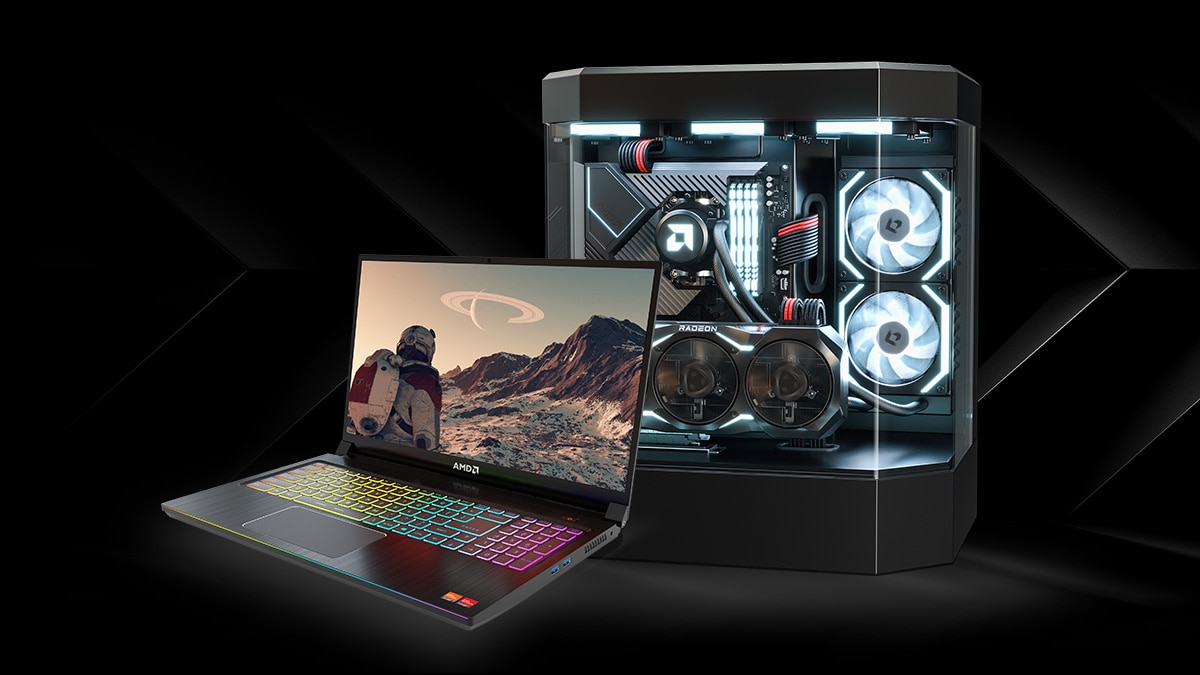
Beyond discrete CPUs, AMD also offers Accelerated Processing Units (APUs), which integrate both CPU and GPU functionalities onto a single chip. These are particularly popular in laptops, budget-friendly desktop builds, and small form-factor PCs, providing decent graphics performance without the need for a separate graphics card, making them excellent for casual gaming and multimedia consumption.
AMD’s Graphics Processing Units (GPUs): The Radeon Legacy
AMD’s graphics division, Radeon Technologies Group, is responsible for the company’s powerful GPUs, known for their performance in gaming, professional visualization, and compute-intensive applications. Radeon GPUs are built upon the RDNA (Radeon DNA) architecture, which has seen several iterations, each bringing improvements in performance, power efficiency, and feature sets.
Key aspects of Radeon GPUs include:
- Gaming Performance: Radeon RX series graphics cards are designed to deliver immersive gaming experiences across various resolutions and refresh rates, competing directly with NVIDIA’s GeForce series. Features like FidelityFX Super Resolution (FSR) leverage spatial upscaling to boost frame rates in supported games, offering a significant performance uplift.
- Professional Workloads: AMD also produces Radeon Pro series GPUs, specifically engineered for professional applications in industries such as CAD, media and entertainment, and scientific visualization. These cards offer certified drivers, advanced features, and stability required for critical professional tasks.
- Open Standards: AMD is a strong proponent of open standards, notably its FreeSync technology, which offers adaptive synchronization to eliminate screen tearing and stuttering with compatible monitors, providing a smoother gaming experience at a more accessible price point than proprietary alternatives.
Synergies: How AMD Components Work Together
One of AMD’s distinctive advantages lies in its ability to engineer both the CPU and GPU. This unique position allows for optimized communication and performance gains when both components are from AMD. The most prominent example is Smart Access Memory (SAM), a feature that allows the AMD Ryzen processor to directly access the entire GPU memory, rather than being limited to a 256MB segment. This direct access can lead to measurable performance improvements in certain games and applications when paired with a compatible AMD Ryzen CPU and Radeon RX 6000 or newer series GPU. This synergy underscores AMD’s integrated approach to platform design, striving to unlock extra performance by harmonizing its diverse hardware offerings.
Key Advantages of AMD-Powered Systems
Choosing an AMD-powered computer comes with a host of advantages that appeal to a broad spectrum of users, from budget-conscious consumers to high-end enthusiasts and professionals. These benefits often stem from AMD’s innovative architecture and competitive market strategies.
Performance and Value Proposition
Historically, AMD has often been lauded for offering a superior price-to-performance ratio, particularly in its CPU offerings. While the competitive landscape constantly shifts, AMD’s Ryzen processors have consistently delivered compelling multi-core performance at various price points, often outperforming competitors in workloads that heavily utilize multiple threads, such as video rendering, compiling code, and streaming while gaming. This makes AMD systems a very attractive option for users seeking robust performance without breaking the bank. In gaming, while specific titles might favor one vendor over another, AMD’s Radeon GPUs are highly competitive, especially with features like FSR enabling higher frame rates on a wider range of hardware.
Innovation and Technological Advancements
AMD’s commitment to innovation is evident in its architectural designs. The chiplet architecture for CPUs, as discussed, provides significant advantages in terms of manufacturing efficiency, scalability, and performance density. This modularity allows AMD to quickly adapt to market demands and introduce processors with high core counts more economically. Furthermore, AMD’s leadership in integrated graphics through its APUs has made powerful multimedia and casual gaming experiences accessible in more affordable laptops and compact desktop systems. The company’s embrace of open standards like FreeSync for adaptive sync monitors has also made high-quality visual experiences more attainable for a wider audience, democratizing features that were once proprietary.
Platform Longevity and Upgradeability
For many years, AMD has maintained a strong reputation for platform longevity. The AM4 socket, introduced with the first-generation Ryzen processors, supported multiple generations of Ryzen CPUs, allowing users to upgrade their processors without needing to replace their motherboard for several years. While the AM5 socket represents a new platform, AMD has indicated a similar commitment to supporting it for an extended period. This commitment to socket longevity offers users greater flexibility and a more cost-effective upgrade path, making future enhancements to their systems more straightforward and less expensive compared to platforms that require frequent motherboard replacements for CPU upgrades. This aspect is particularly appealing to PC builders and enthusiasts who like to incrementally upgrade their systems over time.
Choosing an AMD Computer: Considerations and Future Trends
Deciding whether an AMD computer is the right choice for you involves understanding your specific computing needs and weighing them against AMD’s offerings. The company’s continuous innovation also paints an exciting picture for its future trajectory.
Identifying Your Needs
When considering an AMD-powered system, it’s crucial to align its strengths with your primary use cases:
- Gaming: For high-refresh rate gaming and immersive experiences, AMD offers powerful CPUs and GPUs across various price segments. Features like Smart Access Memory and FSR can provide an edge when pairing AMD components.
- Content Creation & Professional Workloads: Ryzen CPUs with their high core counts are excellent for video editing, 3D rendering, graphic design, and other multi-threaded applications. Radeon Pro GPUs cater specifically to professional visualization and design software.
- Everyday Use & Budget: AMD’s APUs provide exceptional value for mainstream users, offering capable CPU performance and integrated graphics for web browsing, office tasks, and multimedia consumption without needing a discrete graphics card.
- Mobile Computing: AMD Ryzen mobile processors are increasingly found in a wide range of laptops, offering strong performance and battery life for productivity and on-the-go content creation.
The choice between an AMD-powered system and one from a competitor (primarily Intel for CPUs and NVIDIA for GPUs) often comes down to specific benchmarks in the applications you use most, your budget, and personal preference for features and ecosystem. Both companies offer excellent products, and competition ensures continuous innovation and value for consumers.

The Future of AMD
The future for AMD appears exceptionally bright. The company is actively expanding its reach beyond traditional desktop and laptop markets into high-growth areas:
- Data Centers: AMD’s EPYC server processors are gaining significant traction in data centers and cloud computing environments, challenging Intel’s long-standing dominance with their high core counts and efficiency.
- AI and Machine Learning: AMD is making strategic investments in AI acceleration, developing specialized hardware and software platforms (like ROCm) to compete in the burgeoning AI and machine learning markets.
- Embedded Systems: AMD’s processors and GPUs are powering a growing array of embedded systems, from automotive infotainment to industrial automation.
- Sustainable Computing: As energy efficiency becomes increasingly critical, AMD is committed to designing high-performance yet power-efficient solutions, aligning with global efforts for more sustainable technology.
With its pivotal role in powering the latest generation of gaming consoles and its continuous advancements in CPU and GPU architectures, AMD is set to remain a driving force in the semiconductor industry. Its ongoing focus on performance, value, and innovation ensures that an “AMD computer” will continue to represent a powerful, versatile, and forward-looking choice for users across the globe.
aViewFromTheCave is a participant in the Amazon Services LLC Associates Program, an affiliate advertising program designed to provide a means for sites to earn advertising fees by advertising and linking to Amazon.com. Amazon, the Amazon logo, AmazonSupply, and the AmazonSupply logo are trademarks of Amazon.com, Inc. or its affiliates. As an Amazon Associate we earn affiliate commissions from qualifying purchases.