
In an era saturated with media choices, understanding the essence of a television channel goes far beyond its mere programming schedule. For AMC, a name synonymous with some of the most critically acclaimed and culturally impactful television shows of the 21st century, delving into “what is AMC channel” is fundamentally an exploration of its brand. It’s about dissecting its identity, its strategic evolution, its unique value proposition, and its indelible mark on the landscape of modern entertainment. Far from being just another cable channel, AMC has meticulously crafted a brand that resonates with a specific audience, delivering a consistent promise of quality, complexity, and compelling narrative.

At its core, AMC is a premium cable and satellite television channel, owned by AMC Networks, Inc. However, this clinical definition barely scratches the surface of its true significance. Its brand journey is a compelling case study in strategic re-invention, market positioning, and the cultivation of a distinct artistic voice. From its origins as a repository for classic Hollywood films, AMC transformed itself into a powerhouse of original, prestige television, effectively challenging established networks and streaming giants alike. This article will explore the multifaceted brand identity of AMC, examining its historical metamorphosis, its strategic pillars, and its enduring legacy in the ever-evolving media ecosystem.
AMC’s Genesis: From Classic Films to Cultural Phenomenon
The story of AMC’s brand is one of profound strategic transformation, demonstrating a keen understanding of market shifts and an audacious willingness to redefine itself. Its initial identity was a far cry from the edgy, original content provider we know today.
The “American Movie Classics” Era and Its Brand Promise
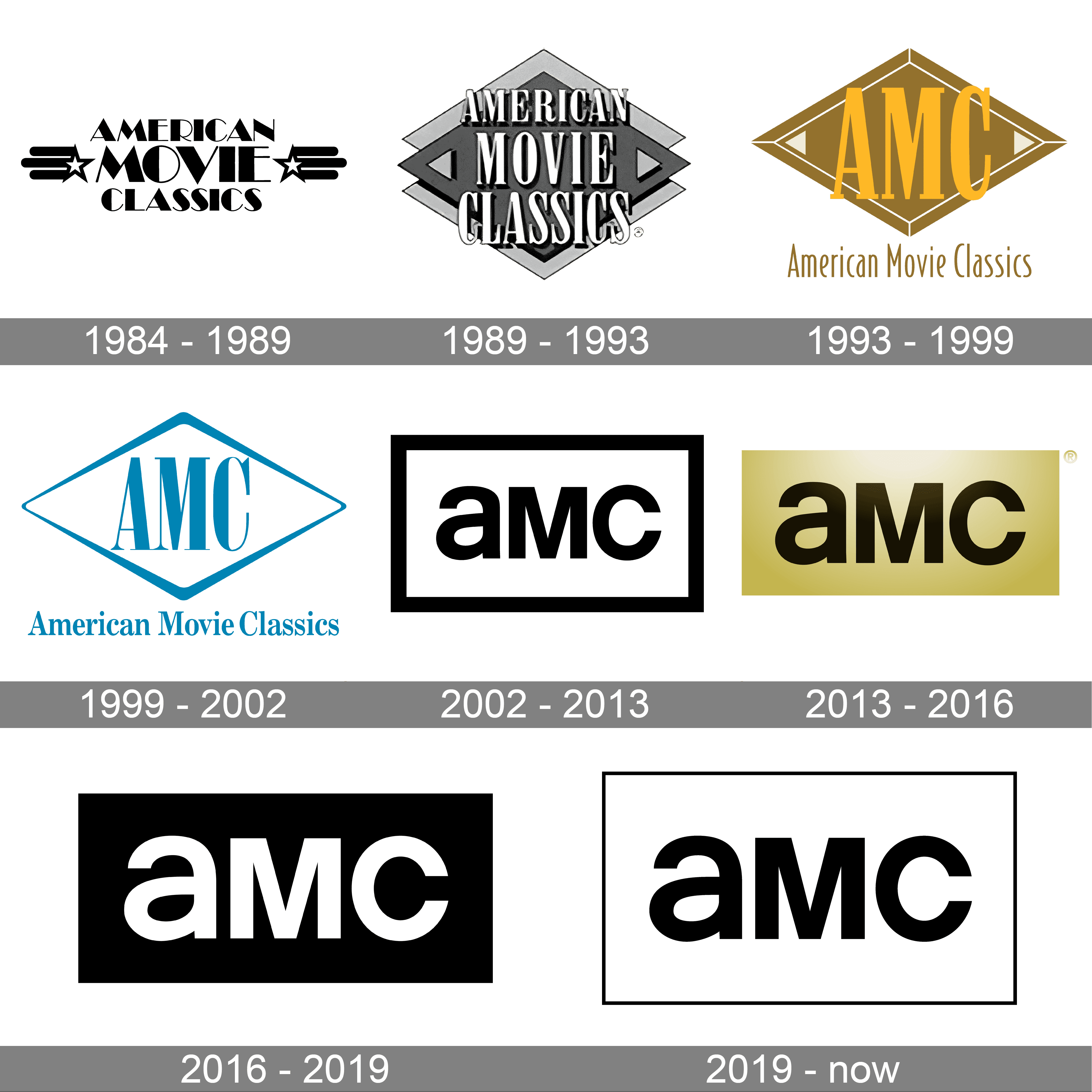
Launched in 1984, AMC stood for “American Movie Classics.” As its name explicitly stated, its brand promise was clear and singular: to be a haven for vintage films. During this era, AMC positioned itself as a nostalgic retreat, offering commercial-free presentations of classic Hollywood movies, often from the 1930s to the 1970s. Its target audience was film aficionados, baby boomers, and anyone yearning for a bygone era of cinematic storytelling. The brand identity was one of preservation, elegance, and unadulterated cinematic history. It was a niche play, but a successful one, cultivating a loyal following by delivering exactly what its name promised. The marketing emphasized timeless glamour, iconic stars, and the art of classic filmmaking. This foundational identity, while eventually superseded, laid the groundwork for an appreciation of storytelling and production quality that would later become a hallmark of the AMC brand.
The Pivotal Shift to Original Programming: A Brand Rebirth
As the 1990s gave way to the 2000s, the media landscape began to shift dramatically. The proliferation of digital cable, home video, and eventually streaming services meant that classic films were becoming more accessible through various channels. AMC recognized the imperative to evolve its brand or risk obsolescence. This led to a strategic, yet gradual, pivot towards original programming, a decision that would redefine its brand identity entirely.
The turning point began subtly, with the introduction of commercial breaks and a broader selection of films, including more contemporary titles. However, the true brand rebirth occurred in the mid-2000s with the launch of its first original dramatic series. This was not merely an addition to its programming slate; it was a fundamental re-articulation of its brand promise. AMC was no longer just about preserving the past; it was about creating the future of television. This pivot was a risky but ultimately brilliant brand strategy, betting on the power of prestige television to carve out a new, more prominent niche in a crowded market. It leveraged its existing reputation for quality, albeit in a different medium, and applied it to serialized storytelling.
Defining Its Early Brand Niche in Scripted Drama
With its nascent foray into original content, AMC consciously sought to distinguish itself from traditional broadcast networks and even other cable channels. Its early original series, starting notably with Mad Men in 2007, were characterized by their cinematic quality, complex characters, ambiguous morality, and a focus on adult themes. This immediately established a new brand niche: high-quality, character-driven dramas with a darker, more sophisticated edge.
This wasn’t about mass appeal in the same vein as a broadcast network; it was about cultivating a dedicated audience that appreciated nuanced storytelling and artistic integrity. The marketing strategy for these shows emphasized their unique vision, their talented creators, and their departure from conventional television tropes. AMC aimed to be the home for stories that challenged viewers, sparked conversations, and felt more akin to independent cinema than typical episodic television. This deliberate differentiation was crucial for a brand attempting to break new ground and establish credibility in a fiercely competitive industry. The “prestige” label became synonymous with AMC, allowing it to attract top-tier talent both in front of and behind the camera.
Crafting a Distinctive Brand Identity: The AMC Effect
The transformation from “American Movie Classics” to a purveyor of “prestige television” wasn’t accidental; it was the result of a deliberate and cohesive brand strategy that coalesced around specific content pillars and audience engagement. This strategic shift created what can be termed “The AMC Effect” – a recognizable imprint on the television landscape.
The Pillars of AMC’s Content Strategy: Complex Narratives and Character Focus
The core of AMC’s brand identity in its original programming era rested on a few unwavering pillars. Firstly, there was an unwavering commitment to complex, serialized narratives. Unlike procedural dramas or episodic comedies prevalent elsewhere, AMC’s shows demanded viewer investment over multiple seasons, rewarding patience with intricate plot developments and deep character arcs. Secondly, and perhaps most importantly, was a profound emphasis on character development. Shows like Mad Men, Breaking Bad, and The Walking Dead weren’t just about plot twists; they were profound character studies, exploring the depths of human nature, morality, and transformation.
The brand’s aesthetic also played a significant role. AMC embraced a cinematic quality in its production values, opting for lush cinematography, sophisticated direction, and often a slower, more deliberate pacing that mimicked feature films. This artistic integrity signaled a commitment to quality that resonated with a discerning audience. The themes explored were often dark, morally ambiguous, and dealt with the consequences of human choices, further distinguishing the brand from lighter, more conventional fare. This content strategy wasn’t just about making good television; it was about building a recognizable brand voice that promised a certain type of viewing experience.
Iconic Series as Brand Anchors: Mad Men, Breaking Bad, The Walking Dead
The success of AMC’s brand reinvention can largely be attributed to a string of landmark series that became synonymous with its identity. These shows didn’t just win awards; they became cultural touchstones and powerful brand anchors.
- Mad Men (2007-2015): This series about Madison Avenue advertising executives in the 1960s was AMC’s first true breakthrough. It established the brand’s reputation for sophisticated, character-driven drama, exquisite period detail, and complex thematic explorations. Mad Men instantly branded AMC as a channel for intelligent, discerning viewers.
- Breaking Bad (2008-2013): A visceral, morally challenging saga of a high school chemistry teacher turned meth manufacturer, Breaking Bad elevated AMC’s brand to global acclaim. Its innovative storytelling, stunning performances, and masterful execution cemented AMC’s image as the home of groundbreaking, often dark, narratives. It showcased the brand’s willingness to take risks and push boundaries.
- The Walking Dead (2010-2022): This post-apocalyptic zombie drama became a phenomenon, achieving massive viewership numbers not typically seen on cable. The Walking Dead demonstrated AMC’s ability to create wildly popular genre fiction while maintaining the character-focused storytelling and high production values consistent with its brand. It proved that AMC could deliver both critical acclaim and widespread commercial success, broadening its brand appeal significantly.
These series weren’t just shows; they were pillars that defined and reinforced the AMC brand, creating a loyal fanbase that associated the channel with unparalleled dramatic quality and unforgettable narratives.
Target Audience and Brand Resonance
AMC’s strategic pivot allowed it to cultivate a very specific and highly engaged target audience. This audience typically comprises adults who appreciate sophisticated storytelling, are willing to engage with complex themes, and seek television that challenges rather than simply entertains. They are viewers who value artistic merit, strong writing, and deep character exploration over formulaic plots or superficial spectacle.
The brand resonated deeply with this demographic by consistently delivering on its promise of quality. AMC became a trusted source for “event television” – shows that viewers would actively seek out, discuss, and anticipate. This strong brand resonance translated into loyalty, with viewers following the channel across different series, knowing they could expect a certain standard of excellence. The brand successfully communicated that it was a curator of stories for intelligent adults, offering a viewing experience that felt more substantial and thought-provoking than much of its competition. This deep connection with its audience is a testament to its successful brand positioning and consistent delivery.
The Business of Brand: Marketing, Distribution, and Monetization
Beyond its creative output, the AMC brand is also a sophisticated business entity, strategically marketing, distributing, and monetizing its intellectual property in a rapidly evolving media landscape. Its success lies not just in creating great content but in how it leverages its brand equity.
Building Brand Loyalty through Storytelling and Engagement
AMC understood that in the crowded media market, strong narratives were not just entertainment; they were tools for building enduring brand loyalty. By investing in compelling, long-form storytelling, the channel fostered a sense of community and dedication among its viewers. Fans of Breaking Bad or The Walking Dead didn’t just watch the shows; they engaged with them deeply, discussing theories, dissecting characters, and actively participating in online forums.
AMC supported this engagement through robust marketing campaigns that extended beyond on-air promos. They invested in extensive digital content, behind-the-scenes features, talk shows (like Talking Dead), and fan conventions. This created a holistic brand experience that transformed passive viewers into active participants, further cementing their loyalty to the AMC brand and its narrative universe. The brand effectively transitioned from being a broadcaster to a storyteller and community builder, enhancing its long-term value.
Expanding the Brand Ecosystem: AMC+, International Reach, and Spin-offs
A critical aspect of AMC’s brand strategy has been the intelligent expansion of its intellectual property. Recognizing the value of its flagship series, AMC strategically developed spin-offs and companion series, like Better Call Saul (from Breaking Bad) and multiple The Walking Dead universe extensions. These not only extended the life of popular franchises but also provided new opportunities for storytelling, keeping the brand fresh and relevant to its existing fanbase while attracting new viewers.
Furthermore, AMC has significantly expanded its distribution and monetization strategies. The launch of AMC+ as a premium streaming service is a crucial move in adapting to cord-cutting and the rise of direct-to-consumer models. AMC+ offers early access to new episodes, exclusive content, and a consolidated viewing experience, catering to the modern viewer’s desire for flexibility and curated content. This initiative allows AMC to maintain control over its brand experience and subscriber relationships.
Internationally, AMC Networks has also extended its brand presence, either through licensing agreements or by launching dedicated AMC channels in various territories. This global reach ensures that the AMC brand and its signature content are accessible to a worldwide audience, further cementing its position as a significant player in the global entertainment industry. This multi-platform, multi-territory strategy is essential for sustaining brand growth and relevance in a globalized market.
Navigating a Competitive Media Landscape
The media landscape is constantly evolving, with new streaming services and content producers emerging regularly. AMC’s brand strategy has had to continuously adapt to remain competitive. This involves a delicate balance of continuing to invest in high-quality original programming, leveraging its existing intellectual property, and exploring new distribution models.
Competition from tech giants like Netflix, Amazon, and Apple, along with established players like HBO and FX, demands that AMC consistently delivers unique and compelling content that justifies its premium positioning. The brand must differentiate itself not just by the quality of its shows, but by the overall experience it offers – be it through exclusive content on AMC+, early access, or unique narrative approaches. AMC’s brand strength lies in its recognized identity for sophisticated, character-driven drama, which helps it cut through the noise and attract viewers looking for that specific type of storytelling. The ongoing challenge is to maintain this distinct brand voice while innovating in a market that rewards both quality and accessibility.
AMC’s Enduring Legacy and Future Brand Trajectory
AMC’s journey from a niche classic film channel to a global entertainment brand is a testament to strategic vision and consistent execution. Its legacy is deeply intertwined with the “Golden Age of Television,” and its future requires continued adaptation and innovation.
Impact on “Prestige Television”
AMC played an undeniable role in defining and popularizing “prestige television.” By championing complex, serialized dramas with cinematic production values, it helped elevate the perception of television as an art form capable of rivaling cinema. Shows like Mad Men and Breaking Bad didn’t just win awards; they changed audience expectations, paving the way for a wave of sophisticated storytelling across the industry. The AMC brand became synonymous with this elevated standard, signaling to viewers that they could expect thought-provoking narratives and high artistic quality. Its success demonstrated the commercial viability of catering to a discerning audience, influencing other networks and streaming services to invest in similar high-concept dramas. This lasting impact on the creative trajectory of television is one of AMC’s most significant brand achievements.
Adapting to the Streaming Revolution
The advent of the streaming revolution posed a significant challenge to traditional linear cable channels like AMC. Recognizing this seismic shift, AMC has proactively adapted its brand strategy. The creation and expansion of AMC+ is a direct response to consumer preferences for on-demand viewing and curated content. By consolidating content from AMC, Shudder, SundanceTV, IFC Films Unlimited, and other properties under one premium streaming umbrella, AMC+ aims to be a destination for fans of genre, independent film, and quality drama, reflecting the broader tastes cultivated by the AMC Networks portfolio. This move allows the brand to maintain direct relationships with its audience, collect valuable data, and offer a more personalized viewing experience, moving beyond the constraints of traditional broadcast schedules.

Sustaining Brand Relevance in a Fragmented Market
In a market increasingly fragmented by myriad streaming services, maintaining brand relevance is a continuous uphill battle. For AMC, the future trajectory of its brand involves several key challenges and opportunities. It must continue to invest in original content that maintains its reputation for quality and distinctiveness, ensuring that new shows can stand alongside its iconic predecessors. This requires a sharp eye for emerging talent and compelling concepts that align with the established AMC brand identity.
Furthermore, AMC needs to leverage its rich library of intellectual property strategically, finding innovative ways to re-engage existing fans and attract new ones through spin-offs, re-imaginings, and new narrative formats. The brand’s success will also depend on its ability to integrate its linear channel presence with its streaming offerings, creating a seamless and valuable ecosystem for its subscribers. Ultimately, the question “what is AMC channel” will continue to evolve, but its core brand promise of delivering intelligent, engaging, and high-quality storytelling remains its most valuable asset in an ever-changing entertainment world. By staying true to this promise while embracing new technologies and distribution models, AMC aims to secure its position as a vital and enduring force in global entertainment.
aViewFromTheCave is a participant in the Amazon Services LLC Associates Program, an affiliate advertising program designed to provide a means for sites to earn advertising fees by advertising and linking to Amazon.com. Amazon, the Amazon logo, AmazonSupply, and the AmazonSupply logo are trademarks of Amazon.com, Inc. or its affiliates. As an Amazon Associate we earn affiliate commissions from qualifying purchases.