
In the high-stakes world of luxury goods and chemical manufacturing, few success stories are as compelling—or as invisible—as that of Ambrox. Often discussed in the hushed tones of laboratory white papers or the glossy marketing copy of elite perfume houses, Ambrox represents more than just a chemical compound. It is a masterclass in ingredient branding, a cornerstone of corporate identity for the Swiss fragrance giant Firmenich, and a pivotal example of how a technical innovation can redefine an entire market’s value proposition.
To understand what Ambrox is, one must look beyond its molecular structure to its strategic position within the global brand economy. It is the gold standard of synthetic ambergris, a component that has transitioned from a functional replacement for a rare natural resource to a high-status “captive molecule” that drives billions in retail revenue.
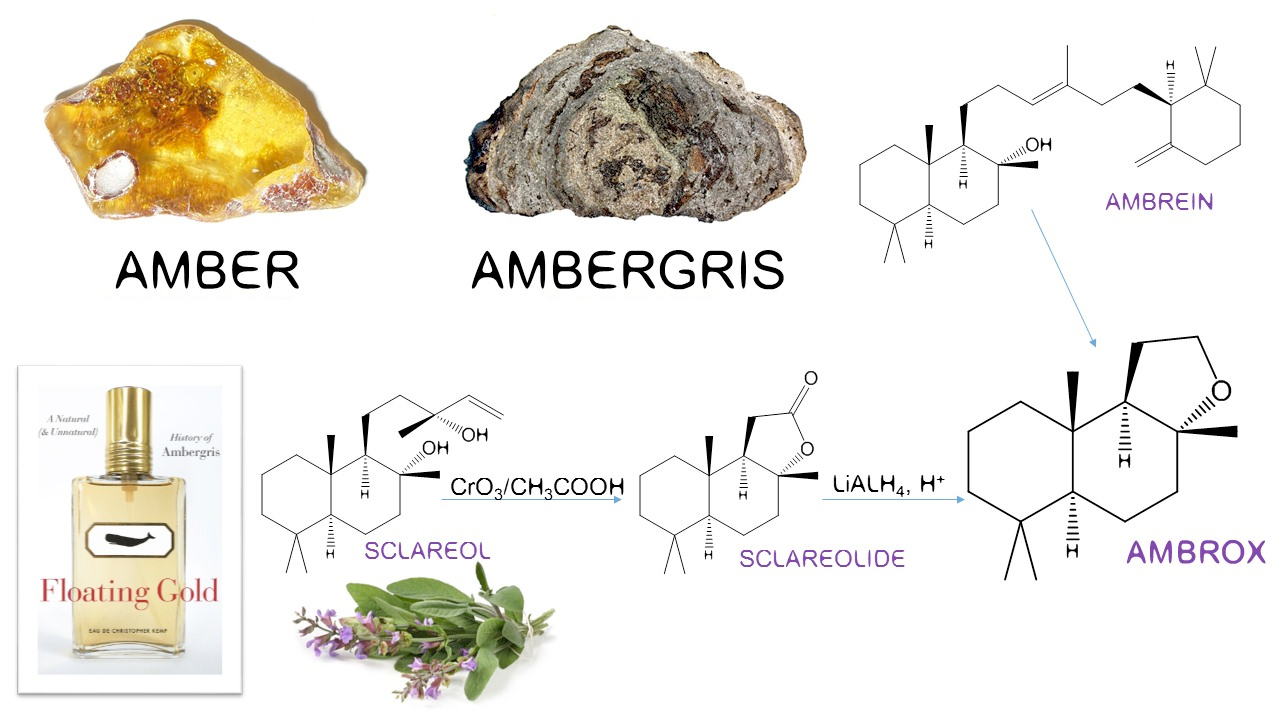
The Evolution of an Ingredient Brand: From Substitute to Superstar
The history of Ambrox is a narrative of necessity meeting innovation. Historically, the fragrance industry relied on ambergris—a waxy substance produced in the digestive system of sperm whales. Due to its rarity, ethical concerns, and extreme cost, the industry required a sustainable, consistent alternative. This led to the development of Ambrox (and its generic counterpart, Ambroxan).
The Birth of a Trademarked Powerhouse
Ambrox was developed as a proprietary brand by Firmenich. While many companies produce variations of the molecule (dodeca-hydro-3a,6,6,9a-tetramethylnaphtho[2,1-b]furan), the name “Ambrox” itself carries a level of brand equity that generic alternatives struggle to match. By trademarking the process and the name, Firmenich did not just create a product; they created a standard.
In branding, this is known as “ingredient branding”—a strategy similar to “Intel Inside” for computers or “Gore-Tex” for outerwear. When a perfumer or a luxury brand mentions they use Ambrox, they are signaling a commitment to a specific olfactory profile: clean, woody, salty, and incredibly long-lasting. This brand consistency has allowed Ambrox to remain at the top of the supply chain for decades.
Shifting the Narrative from Synthetic to Premium
One of the most significant brand challenges in the chemical space is the perception of “synthetic” versus “natural.” For years, synthetic ingredients were seen as cheap fillers. Ambrox flipped this script. Through careful market positioning and association with “High Perfumery,” Ambrox was rebranded as a “biotech marvel.”
It is now marketed as a cleaner, more ethical, and more sophisticated version of the natural world. This shift in corporate identity—from a chemical supplier to a provider of “sustainable luxury”—has been instrumental in Ambrox’s dominance. It allowed the brand to occupy a space where it is not just a chemical, but a prestigious artistic tool.
Strategic Positioning: Moving from Utility to Luxury Brand Identity
The success of Ambrox is not merely a result of its scent, but of how it has been positioned within the B2B and B2C landscapes. It serves as a crucial case study in how a B2B product can achieve a level of consumer recognition that influences purchasing decisions at the retail level.
The “Captive Molecule” Strategy
In the fragrance industry, a “captive” is a molecule that is patented and owned by a specific fragrance house. For a period, Ambrox functioned as a formidable wall around Firmenich’s portfolio. Brand strategy here relied on exclusivity. If a luxury fashion house wanted the specific, crystalline warmth of Ambrox, they had to work with the house that owned it.
This exclusivity built an aura of mystery and high value around the ingredient. Even as patents expired and “Ambroxan” (the generic version) became widely available, the “Ambrox” brand maintained its “Grand Cru” status. This is a classic branding move: maintaining a premium price point and prestige image even when the functional technology has been democratized.
The Rise of the “Molecule” Brand Trend
Perhaps the most interesting turn in the Ambrox story is the rise of minimalist brands like Escentric Molecules. This brand strategy involves stripping away the complexity of traditional perfume and focusing on a single aroma-chemical. While their most famous release, Molecule 01, focuses on Iso E Super, the subsequent focus on the Ambroxan/Ambrox family has turned a technical ingredient into a household name among fragrance enthusiasts.
By putting the ingredient at the center of the brand identity, these companies have educated the consumer. The modern consumer no longer just asks for a “fresh scent”; they ask for “Ambrox.” This level of brand penetration is rare for a raw material and demonstrates the power of transparency as a marketing tool.

Consumer Perception and the Narrative of Modernity
In contemporary branding, the “story” behind a product is often as important as the product itself. Ambrox has benefitted from a narrative that aligns perfectly with modern values: minimalism, sustainability, and transparency.
Redefining “Natural” through Biotechnology
As the “Clean Beauty” and “Sustainable Luxury” movements gained momentum, Ambrox was perfectly positioned to lead. Because it is derived from sclareol (found in clary sage) through a process of white biotechnology, it allows brands to claim a “natural origin” while maintaining the performance of a synthetic.
From a brand strategy perspective, this is “The Best of Both Worlds” positioning. It appeals to the eco-conscious consumer while satisfying the demand for high-performance, long-lasting luxury goods. The branding of Ambrox has evolved to highlight its biodegradable nature and its role in protecting marine life (by replacing whale-derived ambergris), making it a hero of corporate social responsibility (CSR).
The Scent of the “New Normal”
In the 2010s and 2020s, Ambrox became the olfactory backbone of some of the most successful fragrance launches in history, such as Dior Sauvage and Baccarat Rouge 540. These scents have defined the era. The brand identity of Ambrox is now inextricably linked to the concept of “The Modern Man” or “The Modern Woman”—clean, approachable, but deeply sophisticated.
For brand managers, Ambrox represents a “safe yet distinctive” bet. It provides a reliable foundation that consumers consistently rate highly in blind tests, allowing brands to build complex marketing campaigns around a core that they know will resonate.
The Business of Scent: Economics and Corporate Identity
Beyond the marketing, the story of Ambrox is a story of significant financial impact and intellectual property management. It is a testament to how chemical engineering, when paired with elite branding, creates a high-margin ecosystem.
Protecting the Intellectual Moat
Firmenich and other major players like Givaudan and IFF invest hundreds of millions of dollars into R&D to find the “next Ambrox.” The corporate identity of these firms is built on their ability to innovate and then protect those innovations through rigorous trademark and patent strategies.
Ambrox is the proof of concept for this model. It shows that a single successful molecule can sustain a company’s reputation for decades. The brand equity of “Ambrox” acts as a halo for the rest of the Firmenich portfolio, signaling to potential partners that their lab is the home of the industry’s most essential icons.
The Future of Ingredient Branding
The template set by Ambrox is now being applied to other sectors, from sustainable textiles to alternative proteins. We are seeing a shift where the “ingredient” is no longer hidden but is instead the star of the marketing campaign. This requires a shift in how companies approach their corporate identity. They must move from being “silent suppliers” to “visible innovators.”
The future of Ambrox itself lies in its continued refinement. New versions, such as “Ambrox Super” or “Ambrox DL,” represent the brand’s attempt to segment its own market, offering different facets of the scent at different price points—a classic tiered brand strategy.

Conclusion: Why Ambrox Matters in the Brand Economy
Ambrox is more than a molecule; it is a symbol of the modern luxury economy. It demonstrates how technical excellence can be transformed into cultural relevance through strategic branding. For business leaders and brand strategists, the lesson of Ambrox is clear: value is not just found in the final product on the shelf, but in the proprietary innovations that make that product possible.
By moving an invisible chemical from the laboratory to the forefront of consumer consciousness, the creators of Ambrox have built an enduring legacy. It remains the invisible thread that connects the world’s most prestigious luxury houses, proving that in the modern market, what you can’t see—the brand, the IP, and the “captive” innovation—is often the most valuable asset of all. As we move further into an era defined by biotechnology and sustainable luxury, the “Ambrox model” of ingredient branding will undoubtedly serve as the blueprint for the next generation of global market leaders.
aViewFromTheCave is a participant in the Amazon Services LLC Associates Program, an affiliate advertising program designed to provide a means for sites to earn advertising fees by advertising and linking to Amazon.com. Amazon, the Amazon logo, AmazonSupply, and the AmazonSupply logo are trademarks of Amazon.com, Inc. or its affiliates. As an Amazon Associate we earn affiliate commissions from qualifying purchases.