
Amazon.de stands as a colossal pillar within the European e-commerce landscape, an integral part of the global Amazon brand synonymous with convenience, vast selection, and competitive pricing. More than just a website, Amazon.de represents the localized manifestation of a global brand strategy tailored specifically for the German market. It embodies how a multinational entity adapts its core identity, marketing approach, and operational framework to resonate with the unique cultural nuances and consumer expectations of a specific country. Understanding “what is Amazon.de” is to delve into a compelling case study of international brand building, market penetration, and sustained brand leadership in one of Europe’s most economically powerful nations.
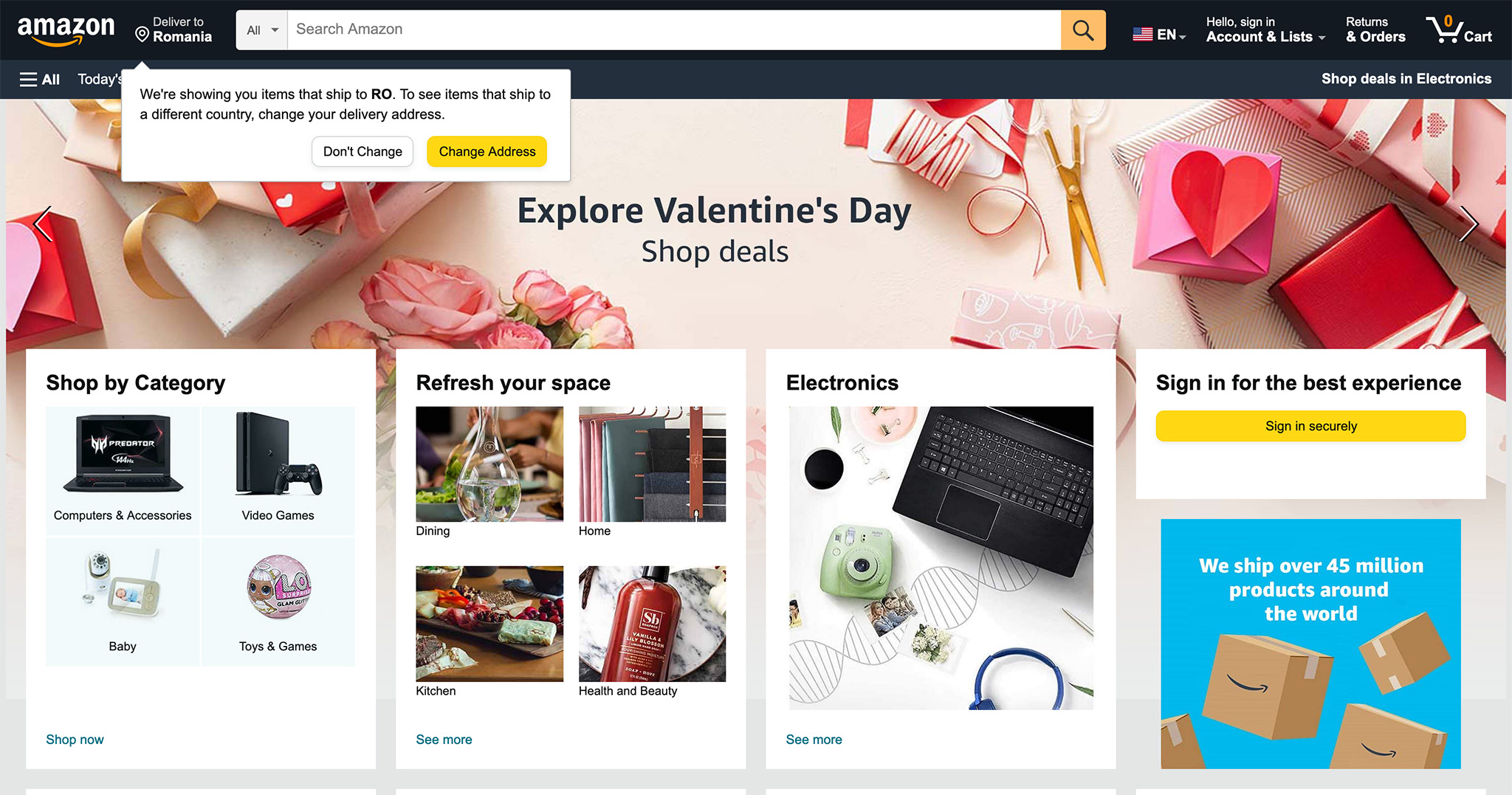
At its heart, Amazon.de is Amazon’s dedicated platform for customers in Germany and Austria, launched in 1998, just four years after Amazon.com began in the U.S. What started as an online bookstore, echoing Amazon’s origins, rapidly diversified to become the “everything store” that its parent company aspired to be globally. This evolution wasn’t merely about expanding product categories; it was a deliberate and strategic effort to embed the Amazon brand into the daily lives of German consumers, building trust, loyalty, and an undeniable market presence through meticulous brand management and localized strategies. This article will explore the brand strategy, identity, market positioning, and societal impact of Amazon.de, illustrating how a global brand cultivates local relevance and maintains its competitive edge.
Establishing a Global Brand, Locally: The Genesis of Amazon.de
The journey of Amazon.de is a testament to Amazon’s strategic foresight in international expansion. Recognizing the vast potential of the European market, Germany, with its strong economy, tech-savvy population, and robust logistics infrastructure, was identified as a prime candidate for early expansion. The decision to launch Amazon.de in 1998 was not just about opening a new sales channel; it was about extending the Amazon brand promise of customer-centricity and vast selection to a new geographic and cultural context.
From Bookstore to Everything Store: Amazon’s Core Brand Vision
Amazon’s brand DNA, established by Jeff Bezos, was rooted in a relentless focus on the customer and a vision of becoming the world’s most customer-centric company. Initially a bookstore, this vision quickly expanded to encompass virtually every product category imaginable. For Amazon.de, this meant replicating and adapting that “everything store” brand promise from the outset. The challenge was not just to offer a wide range of products but to communicate this breadth in a way that resonated with German consumers, often known for their discernment and preference for quality and reliability. The brand’s identity was built on convenience, selection, and increasingly, speed of delivery – pillars that would become synonymous with Amazon globally and locally.
Strategic Expansion: Why Germany? Market Potential and Cultural Fit
Germany presented a unique blend of opportunities and challenges for Amazon. The market boasted a large, affluent population with high internet penetration rates, signaling significant e-commerce potential. However, German consumers also held strong traditions of brick-and-mortar retail and a pronounced emphasis on data privacy and consumer rights. Amazon’s strategic expansion into Germany was underpinned by the understanding that while the global brand framework provided a foundation, success would hinge on a deeply localized approach. The company had to build trust not just through its services but by demonstrating an understanding of and respect for local values. This included meticulous attention to product descriptions, local payment methods, and adapting marketing messages to German sensibilities, all crucial elements of brand building.
Initial Challenges and Adaptation: Building Local Trust
The early days of Amazon.de were marked by the necessity for significant adaptation. Translating the website and product descriptions was a given, but true localization went much deeper. It involved understanding local purchasing habits, holiday seasons, and even humor. Payment methods, for instance, had to include bank transfer and invoice options alongside credit card payments, reflecting German preferences. Building logistics networks within Germany was also a critical step, requiring substantial investment in fulfillment centers to ensure the rapid and reliable delivery that was becoming a hallmark of the Amazon brand. These adaptations were not just operational tweaks; they were fundamental elements of a brand strategy designed to integrate Amazon into the German commercial fabric and cultivate a strong local brand identity rooted in reliability and convenience.
The Amazon.de Brand Ecosystem: Products, Services, and Customer Promise
The strength of the Amazon.de brand lies not just in its existence but in the comprehensive ecosystem of products and services it offers, all designed to reinforce its core brand promise of convenience and customer value. This ecosystem extends far beyond simple retail, weaving Amazon into various aspects of daily life for millions of German consumers.
The Expansive Product Catalog: Brand Equity in Variety
The “everything store” mantra is palpably true for Amazon.de. From books and electronics to groceries and fashion, the sheer breadth of products available is a cornerstone of its brand equity. This vast selection positions Amazon.de as a one-stop-shop, reducing the need for consumers to visit multiple retailers. The brand benefits from the network effect: more products attract more customers, which in turn attracts more sellers, creating a virtuous cycle that continually expands the catalog. This comprehensive offering is a critical component of Amazon.de’s brand appeal, emphasizing convenience and unparalleled choice.
Amazon Prime: Cultivating Brand Loyalty Through Value
Amazon Prime is perhaps the most potent tool in Amazon’s global brand strategy, and its success in Germany is no exception. Launched as an annual subscription service, Prime bundles fast, free shipping with a suite of digital entertainment services like Prime Video, Prime Music, and Prime Reading. For German consumers, Prime transcends a mere shipping upgrade; it’s a loyalty program that creates a deeper, stickier relationship with the Amazon brand. The perceived value of unlimited fast shipping, combined with quality entertainment, encourages subscribers to consolidate their online shopping with Amazon.de, reinforcing brand dependence and increasing customer lifetime value. It’s a strategic move that transforms transactional customers into loyal brand advocates.
Digital Offerings: Kindle, Music, Video as Brand Extensions
Beyond physical goods, Amazon.de has successfully extended its brand into the digital realm with offerings like the Kindle e-reader ecosystem, Prime Video, and Amazon Music. These digital products serve multiple purposes: they diversify Amazon’s revenue streams, create touchpoints outside of direct commerce, and strengthen the overall brand ecosystem. For example, Prime Video offers a curated selection of movies and TV shows, including German productions and synchronized content, appealing directly to local tastes. This cultural customization of digital content reinforces Amazon.de’s commitment to the German market and enhances its brand identity as a comprehensive digital lifestyle provider, not just a retailer.
Third-Party Marketplace: Empowering Micro-Brands Under the Amazon Umbrella
A significant portion of products sold on Amazon.de comes from third-party sellers. This marketplace model is a masterstroke in brand strategy. It allows Amazon to offer an even broader selection without holding all the inventory, while simultaneously empowering countless small and medium-sized businesses (SMBs) to reach a massive customer base. For these SMBs, listing on Amazon.de provides immediate access to a trusted brand’s infrastructure and customer loyalty. For Amazon, it reinforces its brand as an indispensable platform, a nexus where global commerce meets local entrepreneurship. The brand acts as a quality assurance gateway, leveraging its reputation to build trust for a multitude of smaller brands operating within its platform.
Navigating the German Market: Brand Strategy and Localization
Successfully establishing a global brand like Amazon in a discerning market like Germany requires more than just translating a website. It demands a deep understanding of local culture, regulatory frameworks, and competitive dynamics. Amazon.de’s brand strategy has consistently focused on localization while maintaining the core tenets of the global Amazon identity.

Cultural Nuances and Consumer Expectations: Tailoring the Brand Message
German consumers are often characterized by their emphasis on quality, precision, reliability, and privacy. Amazon.de has had to tailor its brand messaging and operational practices to align with these expectations. This includes ensuring accurate and detailed product descriptions, transparent pricing, and robust customer service. Marketing campaigns for Amazon.de often reflect a more direct, informative, and quality-focused approach compared to more emotion-driven campaigns seen elsewhere. The brand carefully navigates cultural sensitivities, ensuring its messaging is respectful and resonates authentically with German values, thereby building deeper brand affinity.
Logistics and Customer Service: Delivering on the Brand Promise
The promise of fast, reliable delivery is a cornerstone of the Amazon brand globally. In Germany, where punctuality and efficiency are highly valued, this aspect is even more critical. Amazon.de has invested heavily in a sophisticated logistics network across Germany, including numerous fulfillment centers and last-mile delivery solutions, to meet and exceed customer expectations for speed and reliability. Similarly, customer service is localized, offering support in German, understanding local consumer protection laws, and providing efficient resolution processes. This operational excellence directly reinforces the brand’s promise of convenience and trustworthiness, crucial for maintaining its strong market position.
Competitive Landscape: Differentiating the Amazon.de Brand
The German e-commerce market is highly competitive, featuring strong local players like Otto and Zalando, alongside other international giants. Amazon.de’s brand differentiation strategy has focused on its unparalleled selection, competitive pricing, and the comprehensive Prime ecosystem. While competitors might excel in specific niches (e.g., fashion for Zalando), Amazon.de positions itself as the universal go-to, leveraging its brand reputation for breadth and convenience. Its continued investment in technology, such as AI-powered recommendations and seamless user experience, further strengthens its brand appeal against rivals.
Regulatory Environment: Brand Compliance and Trust
Germany has stringent regulations concerning consumer rights, data protection (e.g., GDPR), and competition law. Amazon.de’s brand strategy must rigorously comply with these regulations to maintain consumer trust and avoid legal repercussions. Transparency in pricing, clear return policies, and robust data security measures are not merely legal obligations but critical elements of building and sustaining a trustworthy brand image in Germany. Demonstrating adherence to these standards reinforces Amazon.de’s commitment to operating ethically and responsibly within the German market, safeguarding its reputation.
The Societal and Economic Footprint of the Amazon.de Brand
Beyond its commercial success, the presence of Amazon.de has had a profound societal and economic impact on Germany, shaping employment, consumer behavior, and broader retail trends. Understanding “what is Amazon.de” also means recognizing its broader influence as a corporate citizen.
Employment and Regional Development: A Brand’s Economic Impact
Amazon.de is a significant employer in Germany, operating numerous fulfillment centers, corporate offices, and data centers. These operations create thousands of direct and indirect jobs, ranging from logistics and technology to customer service. The establishment of new fulfillment centers often brings economic development to specific regions, impacting local economies through job creation, infrastructure investment, and associated services. This economic contribution is an undeniable aspect of the Amazon.de brand’s societal footprint, though it’s often viewed with a mix of appreciation for jobs and scrutiny over working conditions.
Shaping Consumer Behavior: The Amazon.de Effect
The convenience, vast selection, and competitive pricing offered by Amazon.de have fundamentally altered German consumer behavior. Online shopping has become more prevalent, and expectations for fast delivery and easy returns have risen across the retail sector. Amazon.de has normalized these aspects, pushing traditional retailers to adapt their own strategies to compete. The brand has, in essence, raised the bar for e-commerce standards, influencing how Germans shop and interact with retail brands both online and offline.
Corporate Social Responsibility and Brand Image in Germany
Like its global parent, Amazon.de faces ongoing scrutiny regarding its corporate social responsibility (CSR) initiatives, particularly concerning environmental impact, labor practices, and tax contributions. Building a positive brand image in Germany requires addressing these concerns proactively. Amazon.de has undertaken initiatives in sustainability, such as investing in renewable energy and optimizing packaging, and engages in various community programs. Transparent communication around these efforts is crucial for mitigating criticism and reinforcing its brand as a responsible corporate entity within German society. The brand’s ability to balance its commercial objectives with its social obligations will be key to its long-term acceptance and enduring brand loyalty in Germany.
The Future of Amazon.de: Evolving the Brand in a Digital Age
The landscape of e-commerce is in constant flux, driven by technological advancements, evolving consumer expectations, and increasing competition. For Amazon.de, maintaining its leadership position requires continuous innovation and adaptation of its brand strategy to remain relevant and compelling to German consumers.
Innovation and Adaptation: Staying Relevant
The future of Amazon.de will undoubtedly involve further integration of cutting-edge technologies. This includes advancements in artificial intelligence for hyper-personalized recommendations, voice commerce via Alexa-enabled devices, and exploring new delivery methods such as drones and autonomous vehicles. For the brand, this means reinforcing its identity as a technological pioneer and a leader in convenient, future-forward shopping experiences. Adapting to new digital trends and seamlessly integrating them into its brand offerings will be crucial for sustained relevance.
Sustainability and Ethical Brand Positioning
As environmental concerns grow, sustainability will become an increasingly important differentiator for brands. Amazon.de will need to further strengthen its commitment to sustainable practices, from green logistics and renewable energy powering its operations to offering more eco-friendly product options. Communicating these efforts transparently and effectively will be vital for building a brand image that resonates with environmentally conscious German consumers and differentiates it from competitors. Ethical sourcing and fair labor practices will also remain critical components of its brand’s social license to operate.

The Enduring Power of the Amazon.de Brand
Ultimately, the enduring power of the Amazon.de brand lies in its ability to consistently deliver on its core promise: vast selection, competitive pricing, and unparalleled convenience, all while adapting to the unique demands of the German market. It has meticulously built a brand identity rooted in trust and reliability, fostering a loyal customer base through services like Prime and a localized user experience. As the digital age continues to evolve, Amazon.de’s capacity for innovation, its commitment to local relevance, and its ability to address societal expectations will determine its continued success and its place as a quintessential German e-commerce giant. Its journey offers invaluable insights into the complexities and triumphs of global brand building in a nuanced local context.
aViewFromTheCave is a participant in the Amazon Services LLC Associates Program, an affiliate advertising program designed to provide a means for sites to earn advertising fees by advertising and linking to Amazon.com. Amazon, the Amazon logo, AmazonSupply, and the AmazonSupply logo are trademarks of Amazon.com, Inc. or its affiliates. As an Amazon Associate we earn affiliate commissions from qualifying purchases.