
In today’s rapidly evolving digital landscape, the term “cloud” is ubiquitous. From streaming our favorite shows to storing our precious photos, cloud services are silently powering much of our online lives. At the forefront of this technological revolution stands Amazon Web Services (AWS), a monumental force that has reshaped how businesses and individuals interact with technology. But what exactly are Amazon Cloud Services, and why are they so pivotal to the functioning of the modern world? This exploration delves into the core of AWS, examining its foundational principles, its diverse offerings, and its profound impact across the realms of tech, brand, and finance.
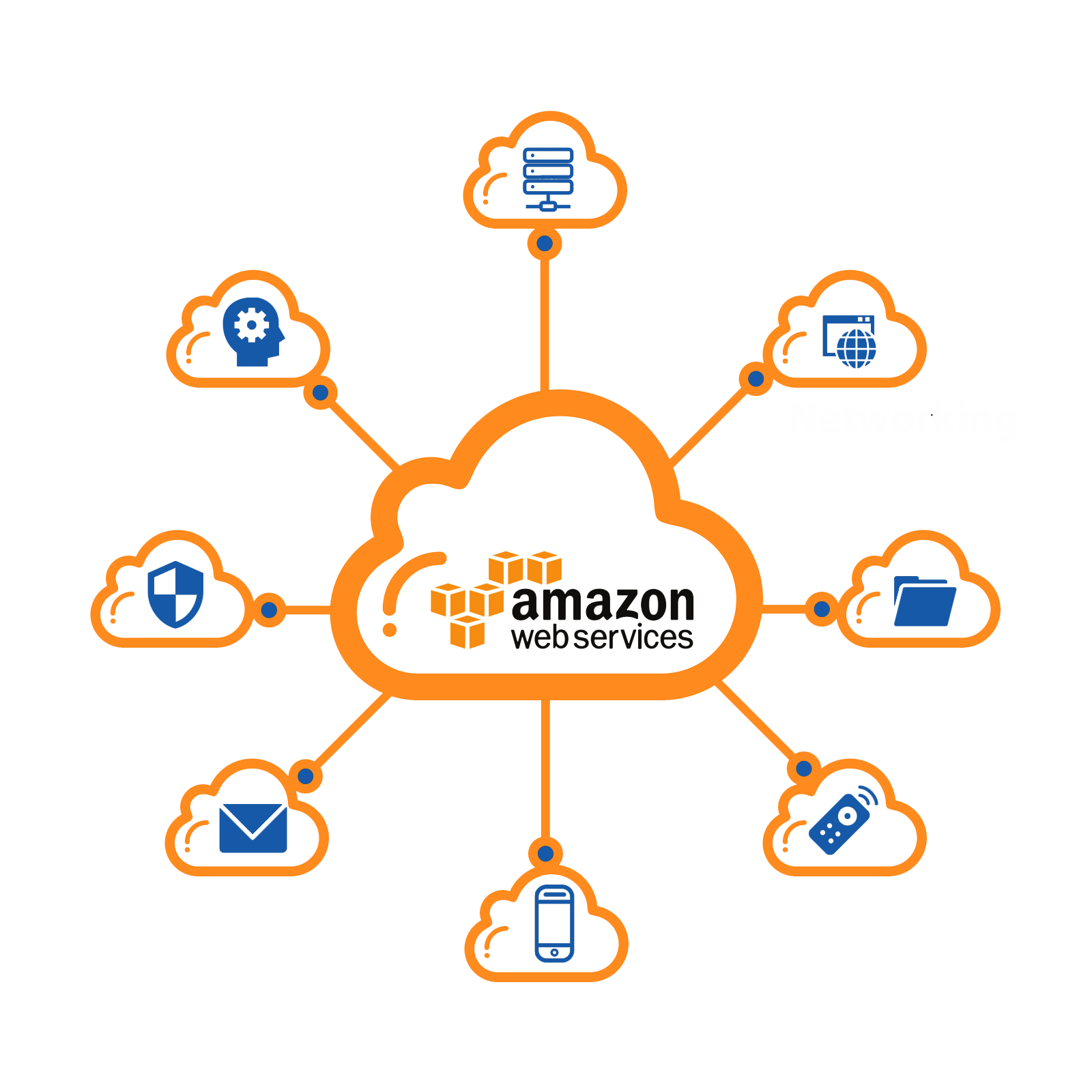
The Foundation of the Cloud: Understanding Amazon Web Services
At its heart, Amazon Cloud Services, or AWS, is a comprehensive and broadly adopted cloud computing platform. It provides a vast array of on-demand computing resources and services over the internet. Instead of businesses investing heavily in their own physical data centers, servers, and IT infrastructure, AWS offers a pay-as-you-go model, allowing them to rent these resources as needed. This radical shift in IT procurement has democratized access to powerful computing capabilities, enabling startups and established enterprises alike to innovate and scale at an unprecedented pace.
The Core Concepts: Infrastructure as a Service (IaaS), Platform as a Service (PaaS), and Software as a Service (SaaS)
To truly grasp what AWS offers, it’s essential to understand the fundamental service models of cloud computing:
Infrastructure as a Service (IaaS)
This is the most basic category of cloud computing services. With IaaS, cloud providers like AWS offer fundamental computing resources such as virtual machines, storage, and networking. Businesses can rent these resources and have complete control over their operating systems, middleware, and applications. Think of it as renting an empty plot of land where you can build whatever you desire, from a small shed to a sprawling skyscraper. AWS’s Elastic Compute Cloud (EC2) is a prime example of IaaS, offering resizable compute capacity in the cloud.
Platform as a Service (PaaS)
PaaS goes a step beyond IaaS by providing a platform that allows customers to develop, run, and manage applications without the complexity of building and maintaining the underlying infrastructure. AWS offers services like Elastic Beanstalk, which allows developers to easily deploy and manage web applications and services developed with popular programming languages and platforms. This is akin to renting a fully equipped workshop; you have all the tools and benches, and you just need to bring your creative ideas to build your product.
Software as a Service (SaaS)
SaaS delivers fully functional software applications over the internet on a subscription basis. Users access these applications through a web browser or a dedicated client. While AWS itself is not primarily a SaaS provider in the traditional sense, it powers countless SaaS applications. For instance, many companies utilize AWS to host their SaaS offerings, making services like customer relationship management (CRM) tools or project management software accessible to end-users without them needing to install or manage anything on their own devices. This is like subscribing to a fully furnished apartment; you simply move in and start living.
The Pillars of AWS: Key Service Categories
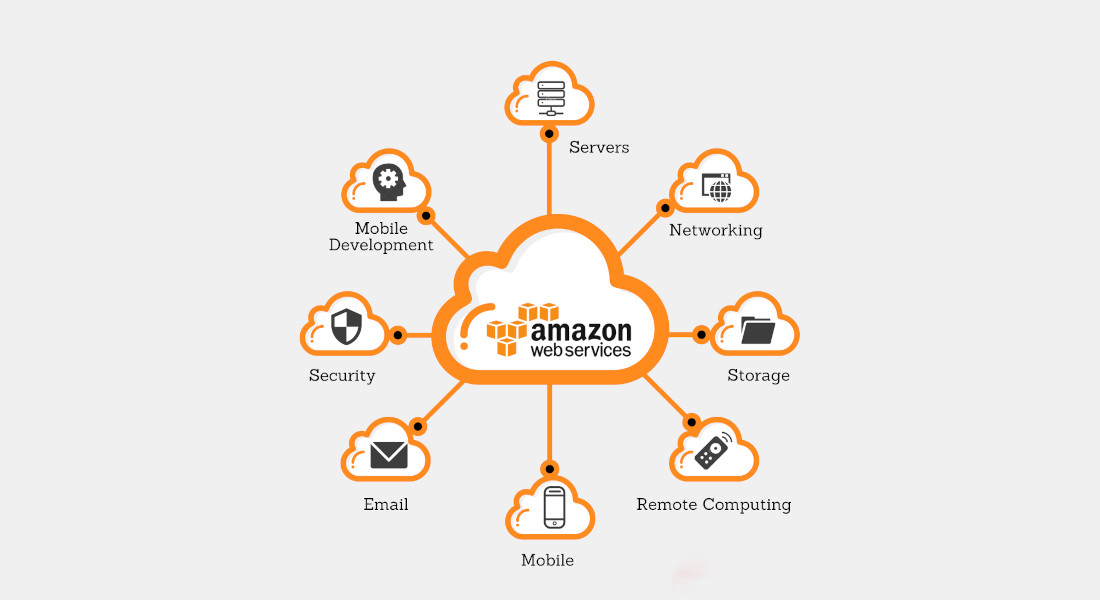
AWS offers an expansive portfolio of services, often categorized into several key areas:
- Compute: This includes virtual servers (EC2), serverless computing (Lambda), and container orchestration (ECS, EKS). These services are the engines that power applications and processes.
- Storage: From object storage (S3) for unstructured data to block storage (EBS) for databases and file storage (EFS) for shared file systems, AWS provides a wide range of options to store and retrieve data.
- Databases: AWS offers a variety of managed database services, including relational databases (RDS), NoSQL databases (DynamoDB), and data warehousing solutions (Redshift), catering to diverse data needs.
- Networking & Content Delivery: Services like Virtual Private Cloud (VPC) for creating isolated cloud environments and CloudFront for content delivery networks (CDNs) ensure secure and efficient data transfer.
- Machine Learning & Artificial Intelligence (AI): AWS has heavily invested in AI and ML, offering services for building, training, and deploying machine learning models (SageMaker), as well as pre-trained AI services for tasks like natural language processing (Comprehend) and image recognition (Rekognition).
- Developer Tools: A suite of tools helps developers build, deploy, and manage applications, including code repositories (CodeCommit), continuous integration/continuous delivery (CI/CD) pipelines (CodePipeline), and testing services.
- Security, Identity, & Compliance: AWS provides robust security features and services to protect data and applications, such as identity and access management (IAM) and encryption services.
The Impact of AWS on Technology Trends and Innovation
The influence of AWS on the technology landscape cannot be overstated. It has become the bedrock upon which many of today’s most innovative technological advancements are built.
Accelerating Digital Transformation and Software Development
AWS empowers businesses to embrace digital transformation by providing the scalable and flexible infrastructure necessary to adapt to changing market demands. Developers can rapidly prototype, test, and deploy new applications, significantly shortening development cycles. The availability of managed services, particularly in areas like databases and AI, allows development teams to focus on building unique features rather than managing complex infrastructure. This agility is crucial in today’s fast-paced tech environment, where the ability to iterate quickly is a competitive advantage.
The Rise of AI and Machine Learning

The accessibility of powerful computing resources and specialized AI/ML services through AWS has democratized the adoption of artificial intelligence. Startups and established companies can now leverage sophisticated algorithms and tools without the prohibitive upfront investment in hardware and specialized expertise. This has fueled the development of intelligent applications across various industries, from personalized recommendations and predictive analytics to autonomous systems and advanced robotics. AWS’s SageMaker, for example, has become a go-to platform for data scientists to streamline the entire machine learning workflow.
Enabling Scalability and Global Reach
One of AWS’s most significant contributions is its ability to provide unparalleled scalability. Businesses can seamlessly scale their resources up or down in response to fluctuating demand, ensuring optimal performance and cost efficiency. This is particularly vital for applications that experience sudden spikes in traffic, such as e-commerce platforms during holiday seasons or news websites during major events. Furthermore, AWS’s global network of data centers allows companies to deploy their applications closer to their end-users worldwide, reducing latency and improving the user experience.
AWS and the Evolution of Brand Strategy and Marketing
The principles of cloud computing, as championed by AWS, have also permeated the world of brand strategy and marketing, influencing how businesses build their identities and connect with their audiences.
Enhancing Digital Presence and Customer Experience
For brands, a robust and reliable online presence is paramount. AWS provides the infrastructure to host dynamic websites, e-commerce platforms, and mobile applications that deliver seamless customer experiences. Services like Amazon CloudFront enable faster content delivery globally, crucial for engaging audiences and ensuring quick access to product information or marketing content. The ability to analyze vast amounts of customer data, facilitated by AWS’s data analytics and storage services, allows brands to gain deeper insights into consumer behavior, enabling more personalized marketing campaigns and improved customer service.
Data-Driven Marketing and Personalization
In the age of big data, brands are increasingly relying on analytics to understand their customers. AWS offers a suite of services for data ingestion, storage, processing, and analysis, enabling brands to collect and interpret customer interactions across various touchpoints. This data-driven approach allows for highly personalized marketing efforts, from targeted advertisements and customized email campaigns to tailored product recommendations. By understanding individual customer preferences, brands can foster stronger relationships and drive higher engagement.
Case Studies in Innovation and Scalability
Numerous success stories highlight how businesses have leveraged AWS to achieve remarkable brand growth and operational efficiency. From rapidly scaling startups that have become industry leaders to established enterprises that have modernized their IT infrastructure, the case studies are abundant. These examples often showcase how the agility, cost-effectiveness, and global reach of AWS have been instrumental in enabling ambitious brand strategies and delivering exceptional customer value. For instance, Netflix famously relies on AWS for its global streaming service, demonstrating the platform’s ability to handle massive scale and deliver a consistent user experience.
The Financial Implications: Cost-Effectiveness and Business Finance with AWS
AWS has fundamentally altered the financial landscape for businesses, offering significant advantages in terms of cost management and financial planning.
The Power of Pay-As-You-Go and Reduced Capital Expenditure
One of the most compelling financial benefits of AWS is its pay-as-you-go pricing model. Instead of large upfront capital expenditures on physical servers and data center facilities, businesses pay only for the computing resources they consume. This shifts IT spending from a capital expense (CapEx) to an operational expense (OpEx), offering greater financial flexibility. For startups and small businesses, this means they can access enterprise-grade infrastructure without the prohibitive initial investment, leveling the playing field.
Optimizing Business Finance and Operational Efficiency
AWS provides tools and services that enable businesses to optimize their financial operations. By monitoring resource usage and implementing cost-saving strategies, such as rightsizing instances or leveraging reserved instances for predictable workloads, companies can significantly reduce their IT expenditure. The scalability of AWS also means businesses don’t overprovision resources, thus avoiding unnecessary costs. Furthermore, the automation capabilities offered by AWS can reduce the need for manual IT management, freeing up valuable human resources and further contributing to operational efficiency.
Investment and Growth Opportunities
The accessibility and scalability of AWS have also opened up new avenues for investment and growth. Companies that can leverage cloud computing efficiently are often more agile, innovative, and cost-effective, making them more attractive to investors. The ability to quickly develop and deploy new products and services, powered by AWS, can lead to faster market penetration and revenue growth. For individuals looking to build online businesses or side hustles, AWS offers the infrastructure to launch and scale their ventures without the traditional barriers to entry.
In conclusion, Amazon Cloud Services, or AWS, is far more than just a collection of servers in a remote location. It is a dynamic and ever-evolving ecosystem that underpins a vast segment of the digital world. Its impact reverberates through the realms of technology, enabling groundbreaking innovations and accelerating digital transformation. It empowers brands to connect with their audiences in more meaningful ways, driven by data and exceptional experiences. And it revolutionizes business finance, offering unprecedented cost-efficiency and flexibility. As technology continues its relentless march forward, AWS will undoubtedly remain a central force, shaping the future of how we work, play, and interact in the digital age.
aViewFromTheCave is a participant in the Amazon Services LLC Associates Program, an affiliate advertising program designed to provide a means for sites to earn advertising fees by advertising and linking to Amazon.com. Amazon, the Amazon logo, AmazonSupply, and the AmazonSupply logo are trademarks of Amazon.com, Inc. or its affiliates. As an Amazon Associate we earn affiliate commissions from qualifying purchases.