
The Amazon app, often perceived simply as a mobile storefront, is in fact a sophisticated and multifaceted technological platform that serves as the primary gateway to one of the world’s largest and most diverse e-commerce and digital service ecosystems. Far from being a static digital catalog, it represents a culmination of cutting-edge software engineering, artificial intelligence, data analytics, and user experience design, all meticulously crafted to deliver a seamless, personalized, and efficient interaction for millions of users globally. To truly understand “what is the Amazon app,” one must delve into its intricate technological architecture and its expansive functional scope that transcends mere online shopping.
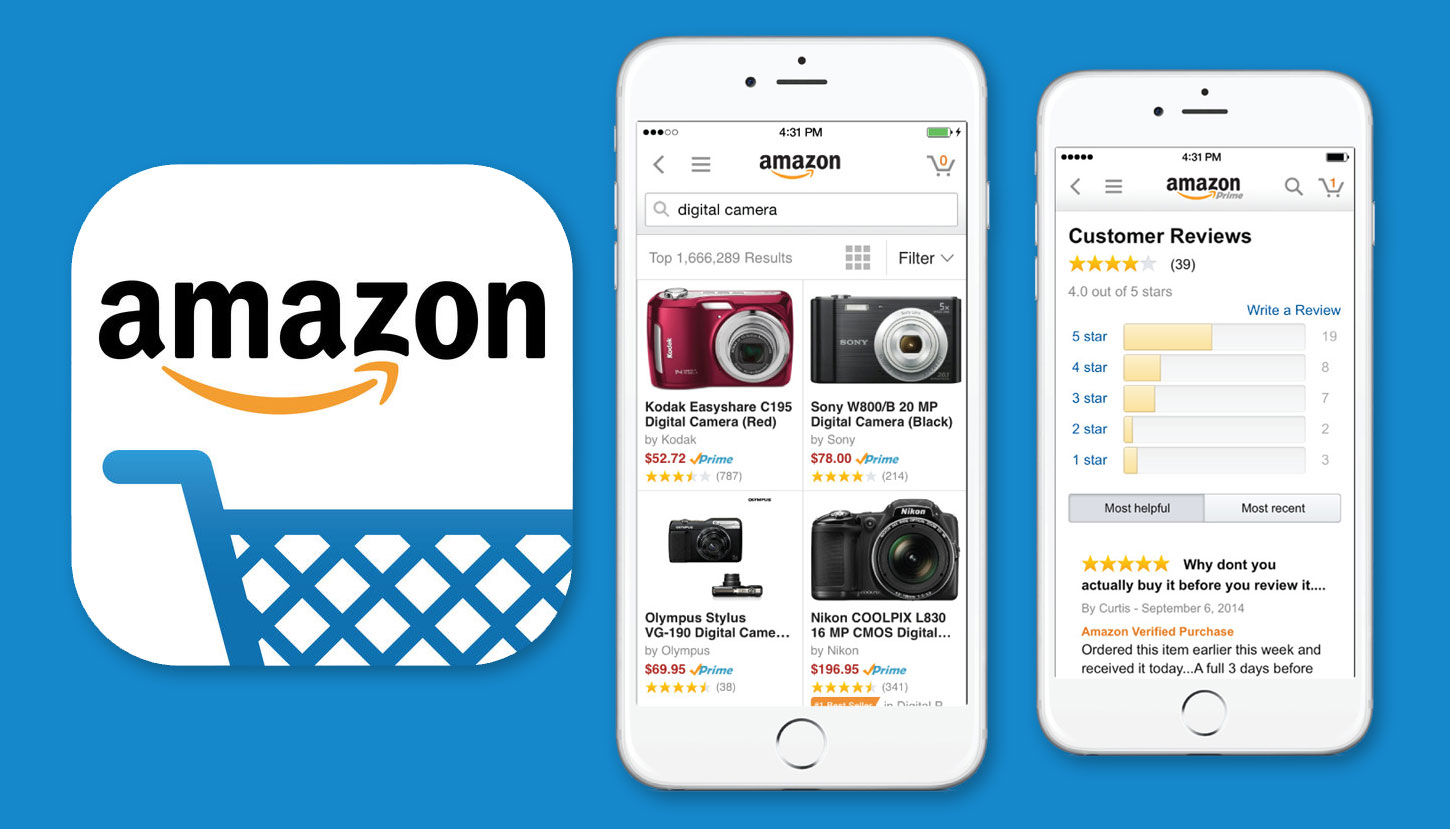
Unpacking the Amazon App: More Than Just a Shopping Cart
At its core, the Amazon app is a powerful mobile application designed to optimize the user’s interaction with Amazon’s vast inventory and services on portable devices. Its evolution mirrors the rapid advancements in mobile technology, transforming from a basic retail interface into a comprehensive digital assistant for commerce, entertainment, and smart home management. This transformation highlights Amazon’s continuous investment in technology to enhance customer engagement and streamline operations across its sprawling digital footprint.
The Digital Storefront in Your Pocket
The most apparent function of the Amazon app is its role as a mobile digital storefront. It meticulously replicates and, in many ways, enhances the desktop website experience, adapting it for the unique characteristics of smartphones and tablets. This involves a highly optimized user interface (UI) and user experience (UX) that accounts for touch-based navigation, smaller screen real estate, and varying network conditions. Users can browse millions of products across an unparalleled range of categories, from consumer electronics and apparel to groceries and industrial supplies. The app employs robust search algorithms and filtering mechanisms to enable quick product discovery, supported by high-resolution imagery, detailed product descriptions, customer reviews, and comparative pricing, all delivered rapidly to the user’s device. This sophisticated data delivery and rendering system is crucial for managing the sheer volume and complexity of Amazon’s catalog.
Seamless Access and Integration
Beyond just product display, the Amazon app is engineered for deep integration across Amazon’s diverse portfolio of services. A single sign-on provides unified access to a user’s purchase history, wish lists, payment methods, shipping addresses, and critical account settings. More significantly, it acts as a hub for Amazon Prime benefits, allowing members to track orders, manage subscriptions, and often access snippets or previews of Prime Video, Amazon Music, and Kindle content directly from within the main app. This level of technical integration requires complex Application Programming Interfaces (APIs) and robust data synchronization protocols to ensure a consistent and coherent experience, regardless of which Amazon service the user is interacting with. It showcases a centralized approach to customer data and service delivery, creating a sticky ecosystem where users are encouraged to remain within the Amazon universe for multiple needs.
Key Features and Technological Underpinnings
The Amazon app’s true technological marvel lies in the intelligent features it integrates, leveraging cutting-edge advancements to personalize and streamline the shopping experience. These features are powered by sophisticated algorithms and robust backend infrastructure, continuously working to anticipate user needs and optimize interactions.
Personalized Recommendations and AI
One of the Amazon app’s most iconic and effective technological features is its highly personalized product recommendation engine. This system is driven by advanced Artificial Intelligence (AI) and Machine Learning (ML) algorithms that continuously analyze an immense volume of data points. These include a user’s browsing history, past purchases, items viewed by similar customers, search queries, items added to carts or wish lists, and even geographical and temporal patterns. The AI engine dynamically learns and refines its suggestions, presenting users with relevant products and deals that significantly enhance product discovery and often lead to impulse purchases. The underlying technology involves complex predictive modeling, collaborative filtering, and deep learning neural networks, all operating in real-time to process and present tailored content almost instantaneously.
Streamlined Browsing and Search Algorithms
Navigating a catalog with hundreds of millions of items demands exceptionally efficient browsing and search capabilities. The Amazon app utilizes highly optimized search algorithms capable of processing natural language queries, autocorrecting typos, and providing relevant results rapidly. These algorithms employ techniques such as inverted indexing, semantic search, and relevance ranking to prioritize the most appropriate products. Furthermore, an intuitive categorization system, coupled with extensive filtering and sorting options, empowers users to quickly narrow down their choices. From a technical standpoint, this requires massive computational power for indexing and querying, distributed across Amazon’s global server infrastructure, ensuring performance even under peak loads and across diverse network environments.
Secure Transactions and Payment Gateways
The security of personal and financial data is paramount for any e-commerce application. The Amazon app employs industry-standard encryption protocols (such as SSL/TLS) to secure all data transmissions, protecting sensitive information like credit card numbers and personal details. It supports a wide array of secure payment methods, including major credit/debit cards, Amazon Pay, gift cards, and often region-specific payment solutions. Features like two-factor authentication (2FA) and biometric authentication (fingerprint or facial recognition) further fortify account security, adding layers of protection against unauthorized access. The robust payment gateway infrastructure ensures reliable and compliant transaction processing, adhering to global financial security standards and undergoing continuous auditing to prevent fraud and cyber threats.
Voice Control with Alexa Integration
Leveraging Amazon’s pioneering work in voice AI, the app incorporates Alexa integration, allowing users to interact with the platform using voice commands. Users can search for products, add items to their cart, reorder past purchases, or inquire about order status purely through spoken instructions. This hands-free functionality enhances accessibility and convenience, making shopping faster and more intuitive in various scenarios. The technological backbone for this feature includes sophisticated natural language processing (NLP) and automatic speech recognition (ASR) engines, which convert spoken words into actionable commands, demonstrating the app’s ambition to integrate with Amazon’s broader AI ecosystem.
Augmented Reality (AR) Shopping Experience
For specific product categories, such as home furnishings and decor, the Amazon app integrates Augmented Reality (AR) capabilities. The “View in Your Room” feature allows users to virtually place 3D models of products into their actual physical environment using their smartphone’s camera. This innovative application of AR technology provides a highly immersive preview, helping customers visualize how an item would look and fit before making a purchase. This reduces purchase uncertainty and return rates. The implementation of AR requires precise real-time object tracking, 3D rendering, and camera sensor integration, pushing the boundaries of mobile commerce interaction.
Beyond Retail: The App’s Multifaceted Ecosystem

While shopping is its core, the Amazon app has strategically evolved to become a central hub for a wider array of Amazon’s digital services and technological offerings, effectively tying together different facets of a user’s digital life.
Digital Content Consumption (Prime Video, Music, Kindle)
For Amazon Prime members, the main app provides convenient access points or sometimes limited in-app functionality for Amazon’s digital content services. While dedicated apps exist for Prime Video, Amazon Music, and Kindle, the main Amazon app can serve as a discovery platform, allowing users to browse content, manage subscriptions, or quickly jump to specific titles. This integration facilitates a more holistic Prime experience, reinforcing the value proposition of the membership. From a technical perspective, this involves cross-platform content delivery networks (CDNs) and secure digital rights management (DRM) systems to ensure content is accessible and protected across various Amazon applications and devices.
Smart Home Control and Device Management
The Amazon app also plays a supportive role in the Amazon smart home ecosystem. While the Alexa app is the primary interface for managing smart devices, the main Amazon app often facilitates the initial registration, setup, and basic management of Amazon-branded hardware like Echo devices, Fire TV sticks, and Kindle e-readers. Users can view their registered devices, manage subscriptions tied to these devices, or troubleshoot basic issues directly. This showcases a strategic integration designed to streamline the user experience for those heavily invested in Amazon’s hardware, turning the shopping app into a foundational element for smart device adoption and management.
Logistics and Order Tracking Innovations
A crucial technological strength of the Amazon app is its sophisticated logistics integration, providing users with unparalleled transparency and control over their orders. The app offers real-time tracking from the moment a purchase is made through every step of the fulfillment and delivery process. This includes detailed shipment progress, estimated delivery windows, and, in some regions, map-based tracking that shows the real-time location of a delivery vehicle. This advanced tracking system relies on a complex network of internal and external APIs that communicate with warehouses, carriers, and delivery personnel, all synchronized and presented through a user-friendly interface. Proactive push notifications keep users informed of status updates, leveraging robust mobile notification services.
User Experience and Performance Optimizations
The technical brilliance of an app is only truly appreciated if it delivers a superior user experience. Amazon continuously invests in optimizing its app for intuitive interaction, speed, and reliability across a vast array of devices and network conditions.
Intuitive Interface Design
The Amazon app’s interface is a masterclass in intuitive design, born from extensive user research, A/B testing, and iterative development cycles. It employs familiar mobile UI/UX patterns, ensuring that even first-time users can navigate its complex functionalities with ease. Product pages are meticulously organized, checkout flows are streamlined, and accessibility features are integrated to cater to a diverse global user base. This seemingly simple design is backed by advanced front-end development frameworks and meticulous attention to detail, ensuring clarity, consistency, and efficiency in every interaction.
Performance, Speed, and Reliability
Given its global reach and the sheer volume of data it handles, the Amazon app is engineered for high performance, speed, and exceptional reliability. It employs various technical strategies such as optimized data caching, efficient image loading, asynchronous data retrieval, and robust error handling to ensure fast load times, smooth scrolling, and responsive interactions. These optimizations are crucial for providing a consistent experience even on older devices or in areas with slower internet connections. Reliability is maintained through continuous monitoring, automated testing, and frequent updates, minimizing downtime and ensuring the app is always available for shopping and service access. This infrastructure leans heavily on Amazon Web Services (AWS) for scalability and global reach.
Accessibility Features
In line with a commitment to inclusive design, the Amazon app incorporates a range of accessibility features. These include compatibility with screen readers for visually impaired users, adjustable text sizes, high-contrast modes, and navigation designed to be usable with assistive technologies. By adhering to international accessibility standards, Amazon ensures that its digital storefront and services are available and usable by as wide an audience as possible, demonstrating a responsible approach to technological development and user equity.
The Amazon App in the Digital Landscape
The Amazon app’s continuous evolution and technological leadership reflect broader trends in mobile technology and e-commerce, consistently setting new benchmarks for the industry and adapting to an ever-changing competitive environment.
Competing in the Mobile Commerce Space
In a fiercely competitive mobile commerce landscape, the Amazon app maintains its dominant position through relentless innovation and an unparalleled breadth of offerings. Its technological edge, particularly in areas like AI-driven personalization, end-to-end logistics integration, robust security measures, and an ever-expanding ecosystem of services, provides a significant competitive advantage. It continuously adapts to emerging technologies and consumer behaviors, ensuring it remains ahead of specialized e-commerce apps and traditional brick-and-mortar retailers attempting to transition to mobile.

Future Trends and Evolution
The Amazon app is not a static product; it is a dynamic platform constantly undergoing development and refinement. Future iterations are likely to see even deeper integration of AI for predictive shopping, where the app anticipates user needs before they are explicitly expressed. Enhanced voice commerce capabilities, more sophisticated and widespread use of AR/VR for immersive shopping experiences, and even tighter integration with the smart home and the broader Internet of Things (IoT) are probable developments. The ongoing pursuit of a more seamless, intuitive, and highly personalized mobile experience, powered by advancements in mobile hardware, 5G networks, and cloud computing, will define the Amazon app’s future trajectory. It aims to become an increasingly intelligent digital companion, proactively assisting users in every facet of their consumption and lifestyle needs.
In conclusion, “what is the Amazon app?” is a question that reveals a complex and fascinating technological achievement. It is a sophisticated, AI-driven platform that integrates a vast array of services, prioritizes user security, and constantly evolves to deliver an unparalleled digital experience. Its success stems not merely from its immense inventory but from the continuous innovation and meticulous engineering that underpin every feature, solidifying its role as an indispensable component of the digital lives of millions worldwide. As technology continues to advance, the Amazon app will undoubtedly remain at the forefront, pioneering new ways to connect consumers with products and services in an increasingly intelligent and integrated digital world.
aViewFromTheCave is a participant in the Amazon Services LLC Associates Program, an affiliate advertising program designed to provide a means for sites to earn advertising fees by advertising and linking to Amazon.com. Amazon, the Amazon logo, AmazonSupply, and the AmazonSupply logo are trademarks of Amazon.com, Inc. or its affiliates. As an Amazon Associate we earn affiliate commissions from qualifying purchases.