
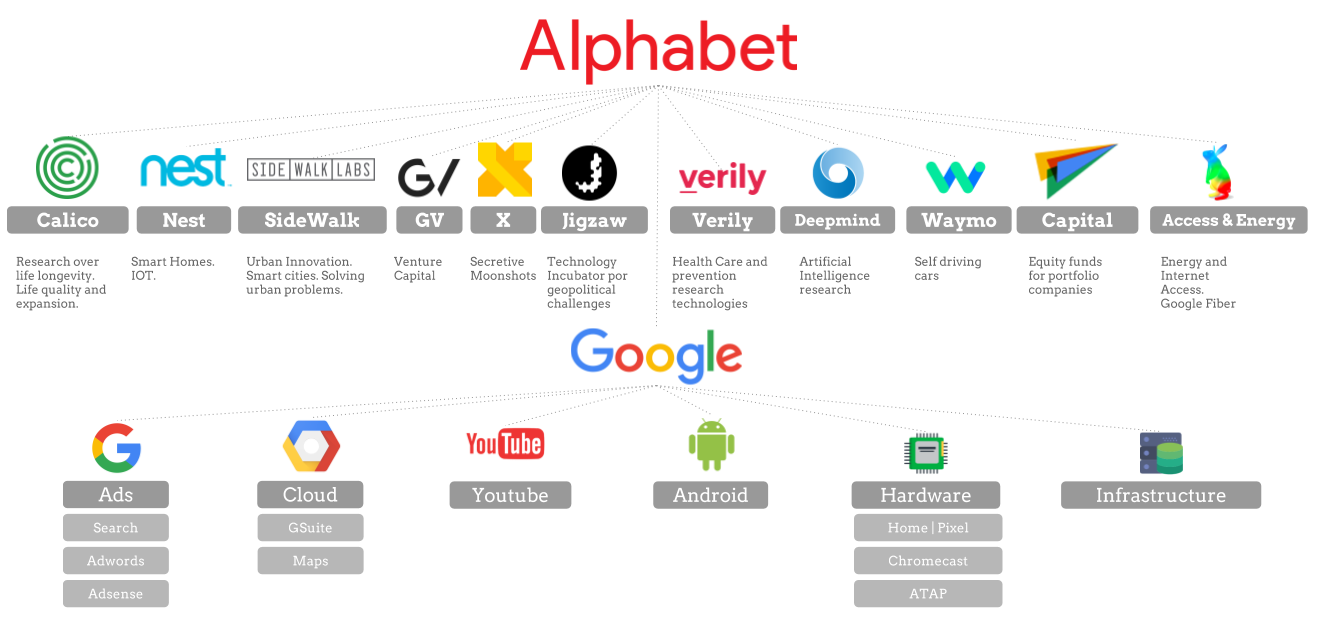
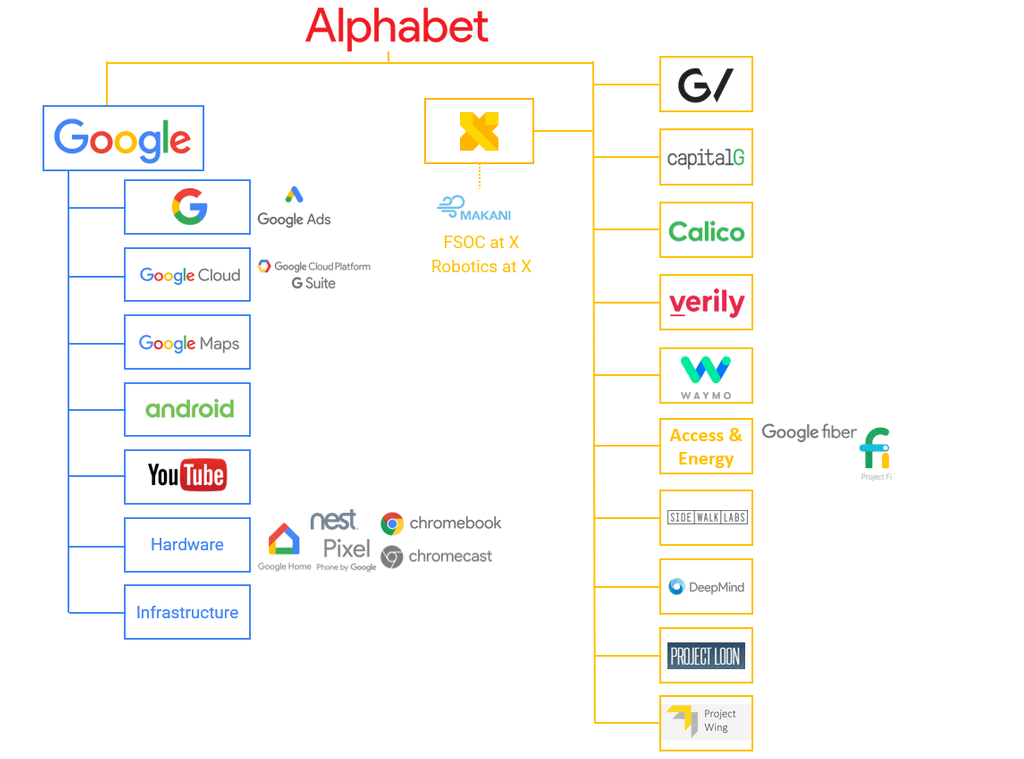
In the landscape of modern finance, few entities command as much gravity as Alphabet Inc. To the casual observer, the name might seem like a corporate footnote to the more ubiquitous “Google.” However, for investors, financial analysts, and business strategists, Alphabet represents one of the most sophisticated corporate structures ever devised. Founded in 2015 as part of a massive corporate restructuring, Alphabet Inc. serves as the parent holding company for Google and a diverse portfolio of “moonshot” ventures.
Understanding Alphabet is not merely about knowing it owns a search engine; it is about understanding a trillion-dollar capital allocation machine. This article explores the financial architecture of Alphabet, its revenue engines, its venture capital approach to innovation, and what it means for the global investment landscape.

The Architecture of a Conglomerate: Understanding the Holding Company Model
The transition from Google Inc. to Alphabet Inc. in 2015 was more than a cosmetic rebranding; it was a strategic move to improve financial transparency and operational efficiency. By creating a holding company, founders Larry Page and Sergey Brin aimed to separate the highly profitable core business (Google) from the speculative, long-term projects that had previously been buried in Google’s balance sheets.
From Google to Alphabet: The 2015 Restructuring
Prior to 2015, Google was a sprawling entity where high-margin advertising revenue funded everything from self-driving cars to life-extension research. This “messy” structure made it difficult for Wall Street to value the company accurately. The creation of Alphabet allowed the leadership to appoint CEOs to individual business units, fostering a culture of accountability. From a financial perspective, this allowed the “Core Google” business to show its true, massive profitability without being dragged down by the massive R&D spending of the more experimental divisions.
Segment Reporting: Google Services vs. Google Cloud vs. Other Bets
Today, Alphabet reports its earnings through a specific framework that provides investors with a clear view of where money is made and where it is being invested.
- Google Services: This includes the cash cows—Search, YouTube, Android, Chrome, and the Google Play Store. This segment generates the vast majority of the company’s operating income.
- Google Cloud: Once a loss-leader, this segment has evolved into a significant revenue driver, competing directly with Amazon Web Services (AWS) and Microsoft Azure.
- Other Bets: This is the venture capital arm of the company, consisting of businesses in earlier stages of development that are not yet profitable but hold the potential for massive future returns.
Revenue Engines: How Alphabet Generates Billions
To understand Alphabet as a financial entity, one must look at the sheer scale of its cash flow. The company consistently reports annual revenues exceeding $300 billion, driven primarily by an advertising ecosystem that remains unparalleled in the digital age.
The Advertising Dominance (Search, YouTube, and Network)
At its heart, Alphabet is an advertising titan. Google Search remains the most valuable piece of digital real estate in the world. Its “intent-based” advertising model—where ads are shown to users based on exactly what they are looking for—yields higher conversion rates than almost any other medium.
YouTube, another pillar of the Google Services segment, has transitioned from a video-sharing site into a global broadcasting powerhouse. With its dual revenue stream of advertising and premium subscriptions, YouTube contributes significantly to Alphabet’s top line. Furthermore, the Google Network (ads served on third-party sites) ensures that Alphabet collects a toll on a significant portion of all internet traffic.
The Growth of Cloud Infrastructure as a Profit Center
While advertising is the foundation, Google Cloud is the growth engine. In recent fiscal years, Google Cloud has achieved profitability, a major milestone for the company’s valuation. As enterprises migrate to the cloud and integrate Artificial Intelligence (AI) into their operations, Alphabet’s infrastructure becomes essential. The “Money” story here is one of high switching costs and recurring revenue, making the Cloud segment a favorite among long-term value investors.
“Other Bets” and the High-Stakes Venture Capital Model
One of the most unique aspects of Alphabet’s financial profile is the “Other Bets” segment. While most public companies are pressured to focus on quarterly earnings, Alphabet uses its massive cash reserves to fund speculative ventures that could become the “Google” of the next decade.
Moonshots and Capital Allocation
“Other Bets” includes companies like Waymo (autonomous driving), Verily (life sciences), and Wing (drone delivery). From a financial standpoint, these are currently “money pits”—they lose billions of dollars every year. However, Alphabet views this as disciplined capital allocation. By spending a fraction of its Search profits on these “moonshots,” Alphabet is essentially buying lottery tickets for future industries. If Waymo captures even a small percentage of the global transportation market, the financial upside would be asymmetric compared to the cost of development.
Waymo, Verily, and the Future of Diversified Returns
Waymo is often cited by analysts as the most valuable “Other Bet.” Some private valuations suggest Waymo could be worth over $30 billion as a standalone entity. By keeping these companies under the Alphabet umbrella, the parent company maintains a diversified portfolio that shields it from the eventual plateauing of the digital ad market. For investors, Alphabet is not just a tech stock; it is a diversified technology fund.
Investing in Alphabet: Stock Classes and Market Valuation
For those looking to put money into Alphabet, the company’s share structure is a critical point of study. Unlike many companies, Alphabet has multiple classes of stock that impact how much “say” an investor has in company operations.
GOOG vs. GOOGL: Understanding Voting Rights
When searching for Alphabet on a stock exchange, investors will see two primary tickers: GOOGL (Class A) and GOOG (Class C).
- Class A (GOOGL): These shares come with one vote per share. They are typically held by institutional and retail investors who want a standard stake in the company.
- Class C (GOOG): These shares have no voting rights. They were created to allow the company to issue stock for employee compensation and acquisitions without diluting the voting power of the founders.
- Class B: These shares are held exclusively by the founders and insiders, carrying 10 votes per share. This structure ensures that Larry Page and Sergey Brin maintain ultimate control over the company’s strategic direction, a common (though sometimes controversial) practice in the tech industry.
Key Financial Metrics and Long-Term Value Propositions
Alphabet is frequently valued based on its Price-to-Earnings (P/E) ratio and its Free Cash Flow (FCF). Because the company holds a massive amount of cash on its balance sheet (often exceeding $100 billion), it has the flexibility to engage in aggressive share buybacks. For the “Money”-focused investor, these buybacks are essential because they reduce the total number of shares outstanding, thereby increasing the earnings per share (EPS) and providing a floor for the stock price.
Risks and Regulatory Challenges in the Global Market
No financial analysis of Alphabet is complete without addressing the systemic risks it faces. The company’s dominance has made it a primary target for regulators worldwide, which poses a significant threat to its future profitability.
Antitrust Litigation and Potential Financial Impact
Alphabet is currently embroiled in multiple antitrust lawsuits, particularly from the U.S. Department of Justice (DOJ) and the European Union. These regulators argue that Google’s dominance in search and advertising technology constitutes an illegal monopoly. The financial risk here is twofold: first, the potential for multi-billion dollar fines; and second, the possibility of a forced “breakup” of the company. While a breakup might sound catastrophic, some financial analysts argue that the sum of Alphabet’s parts (YouTube, Search, Cloud) might actually be worth more than the consolidated company.
Macroeconomic Factors and Ad-Spend Volatility
As an ad-centric business, Alphabet is sensitive to the global economic cycle. During recessions, corporations typically slash their marketing budgets first. While Google Search is more “recession-proof” than social media advertising (because it captures direct intent), Alphabet is not immune to a cooling economy. Furthermore, the rise of AI-driven search (like ChatGPT) presents a new competitive threat that could disrupt the traditional “ten blue links” model that has powered Alphabet’s revenue for two decades.
In conclusion, Alphabet Inc. is a masterpiece of modern corporate finance. It is an entity that successfully balances the immense, steady cash flows of a utility (Search) with the aggressive, high-risk growth of a venture capital firm (Other Bets). For those interested in the intersection of business and finance, Alphabet stands as the ultimate example of how a company can use market dominance in one sector to fund the attempted conquest of the future. Whether it is through its dual-class stock structure, its cloud expansion, or its “moonshot” investments, Alphabet remains a cornerstone of the global economy and a pivotal focus for any serious investor.
aViewFromTheCave is a participant in the Amazon Services LLC Associates Program, an affiliate advertising program designed to provide a means for sites to earn advertising fees by advertising and linking to Amazon.com. Amazon, the Amazon logo, AmazonSupply, and the AmazonSupply logo are trademarks of Amazon.com, Inc. or its affiliates. As an Amazon Associate we earn affiliate commissions from qualifying purchases.