
In the current era of rapid digital transformation, we often focus on the software, algorithms, and artificial intelligence that drive our world. However, the physical hardware that supports this digital superstructure—from the massive data centers housing servers to the rockets launching communication satellites—depends entirely on materials science. At the heart of this physical foundation lies alloy steel.
Alloy steel is not merely a construction material; it is a highly engineered technological product designed to push the boundaries of what is possible in mechanical and structural engineering. By manipulating the atomic structure of iron through the precise addition of various elements, engineers have created a family of materials that can withstand extreme pressures, resist corrosive environments, and maintain integrity at temperatures that would melt or weaken standard carbon steel.
The Science of Synthesis: Understanding the Composition of Alloy Steel
To understand alloy steel from a technical perspective, one must look at it as a customizable platform. While basic carbon steel consists primarily of iron and carbon, alloy steel incorporates a “cocktail” of other elements to achieve specific mechanical and physical properties. This process of alloying is essentially a form of microscopic hardware optimization.
Primary Alloying Elements and Their Technical Functions
Each element added to the iron base acts as a “patch” or an “upgrade” to the material’s performance.
- Chromium: Perhaps the most vital additive for modern tech applications, chromium increases hardness and, more importantly, provides the oxidation resistance necessary for stainless steel variants.
- Nickel: This element improves toughness and resistance to corrosion, particularly in low-temperature environments, making it essential for cryogenic technology.
- Manganese: Used to improve strength and resistance to wear and tear, manganese is critical for high-impact industrial machinery.
- Molybdenum: Often used in high-tech energy applications, molybdenum increases the material’s strength at high temperatures and its resistance to “creep” (deformation under long-term stress).
- Vanadium: Added to refine the grain structure of the steel, resulting in a material that is both incredibly hard and remarkably lightweight.
Low-Alloy vs. High-Alloy Classifications
In the technical field, alloy steels are categorized by the percentage of these alloying elements.
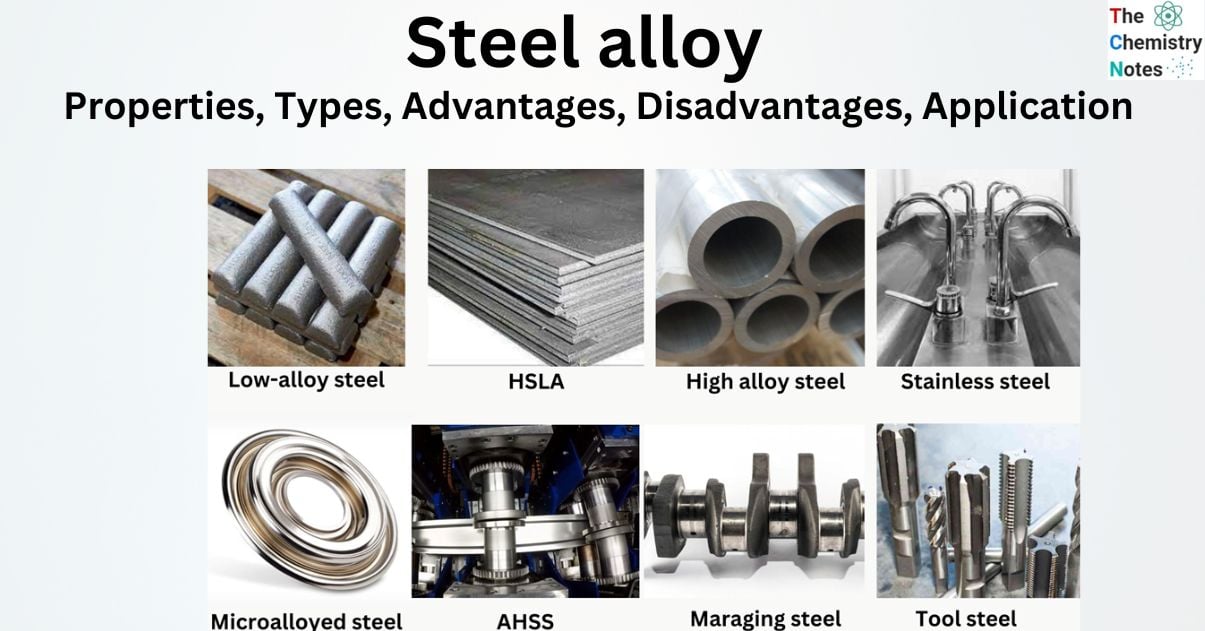
- Low-Alloy Steels: Generally containing less than 8% alloying elements, these are engineered for high strength and weldability. They are the workhorses of the automotive and bridge-building industries.
- High-Alloy Steels: Containing more than 8% alloying elements (such as stainless steel), these are specialized materials designed for extreme environments, such as chemical processing plants or aerospace components.
Performance Metrics: How Alloy Steel Drives Technical Innovation
The reason alloy steel remains a central focus of materials technology is its ability to be “tuned” for specific performance metrics. In engineering, there is always a trade-off between weight, strength, and cost. Alloy steel provides the most versatile solution to this optimization problem.
Enhancing Strength-to-Weight Ratios
In the tech sector, particularly in the development of electric vehicles (EVs) and high-performance drones, weight is the enemy of efficiency. Advanced High-Strength Steels (AHSS), a subset of alloy steel, allow engineers to use thinner sheets of metal without sacrificing structural integrity. This allows for lighter chassis, which in turn extends battery life in EVs and increases payload capacity in aerospace technology.
Thermal Stability and Conductivity
Modern computing hardware generates immense amounts of heat. While copper and aluminum are used for heat sinks, the structural housing for high-performance servers and industrial-grade hardware often requires alloy steels that can handle thermal cycling. Certain alloys are designed to have a low coefficient of thermal expansion, meaning they do not warp or change shape when subjected to the intense heat of a high-load data center or a jet engine.
Corrosion Resistance in Digital Infrastructure
The “Cloud” is not ethereal; it lives in subsea cables and coastal data centers. The salt-heavy environments of these locations are incredibly hostile to metals. High-chrome alloy steels are essential for the protective casings and structural supports of the global internet infrastructure, ensuring that hardware remains functional for decades despite being submerged in or exposed to corrosive seawater.
Industrial Applications: Where Materials Science Meets Hardware
The versatility of alloy steel makes it indispensable across several high-tech verticals. As we transition to a more automated and electrified world, the demand for these specialized materials continues to scale.
Aerospace and Defense Technology
In aerospace, the requirements for materials are uncompromising. Components must be able to withstand the vacuum of space, the intense friction of atmospheric re-entry, and the high-pressure environment of a turbine engine. Nickel-based superalloys (a high-end category of alloy steel) are the only materials capable of maintaining their shape and strength at the 1,200°C+ temperatures found in modern aircraft engines. Without these alloys, the efficiency of commercial and military aviation would drop significantly.
Renewable Energy Infrastructure
The green tech revolution is built on alloy steel. Wind turbine shafts and gears are subjected to immense torque and must operate for 25 years without failure. To achieve this, engineers use molybdenum and chromium alloys that resist fatigue. Similarly, in nuclear power technology, specialized alloy steels are used for reactor pressure vessels because of their ability to withstand constant neutron bombardment without becoming brittle.
High-Precision Manufacturing and Robotics
The arms of industrial robots require a high degree of stiffness and low inertia. Chromoly (chromium-molybdenum) alloys provide the necessary rigidity to ensure that a robotic arm can place a microchip with sub-millimeter precision millions of times over its lifespan. Furthermore, the tools used to manufacture our gadgets—the dies, molds, and cutting tools—are made from “Tool Steels,” a high-carbon alloy steel designed for extreme hardness and heat resistance.
The Future of Materials: Smart Alloys and AI-Driven Discovery
As we look toward the future, the development of alloy steel is moving away from trial-and-error experimentation and toward a more “tech-first” approach involving software and data science.
AI-Driven Alloy Discovery
The number of possible combinations of elements in the periodic table is nearly infinite. Traditionally, creating a new alloy took years of laboratory testing. Today, materials scientists use machine learning algorithms to simulate how different elements will interact at the molecular level. By feeding historical data into AI models, researchers can predict the properties of a theoretical alloy before it is ever smelted. This “computational metallurgy” is accelerating the development of materials that are stronger, lighter, and cheaper than anything previously known.
Additive Manufacturing (3D Printing) with Steel
One of the most exciting trends in technology is Metal Additive Manufacturing. Specialized alloy steel powders are now being used in industrial 3D printers to create complex geometries that were previously impossible to manufacture. This allows for the creation of “topologically optimized” parts—components that have material only where it is needed for strength, resulting in hardware that looks organic and weighs a fraction of traditional parts. This intersection of software-driven design and alloy steel is revolutionizing the production of medical implants and custom engine components.
Sustainability and the Circular Economy
The tech industry is under increasing pressure to reduce its carbon footprint. Steel is the most recycled material on earth, and modern “Green Steel” initiatives are using hydrogen-based smelting and electric arc furnaces (EAF) to produce alloys with near-zero carbon emissions. Because alloy steel is so durable, it plays a vital role in the circular economy, as components can be refurbished or recycled back into high-grade tech materials without loss of quality.
Conclusion: The Silicon and Steel Partnership
While silicon may be the heart of the digital age, alloy steel is its skeleton. From the microscopic precision of a robotic assembly line to the massive scale of a deep-sea data hub, the specialized properties of alloyed metals enable our modern technological lifestyle. As we continue to innovate with AI, 3D printing, and renewable energy, the evolution of alloy steel will remain a critical frontier in materials technology, proving that the most advanced software still requires the world’s strongest hardware to change the world.
aViewFromTheCave is a participant in the Amazon Services LLC Associates Program, an affiliate advertising program designed to provide a means for sites to earn advertising fees by advertising and linking to Amazon.com. Amazon, the Amazon logo, AmazonSupply, and the AmazonSupply logo are trademarks of Amazon.com, Inc. or its affiliates. As an Amazon Associate we earn affiliate commissions from qualifying purchases.