
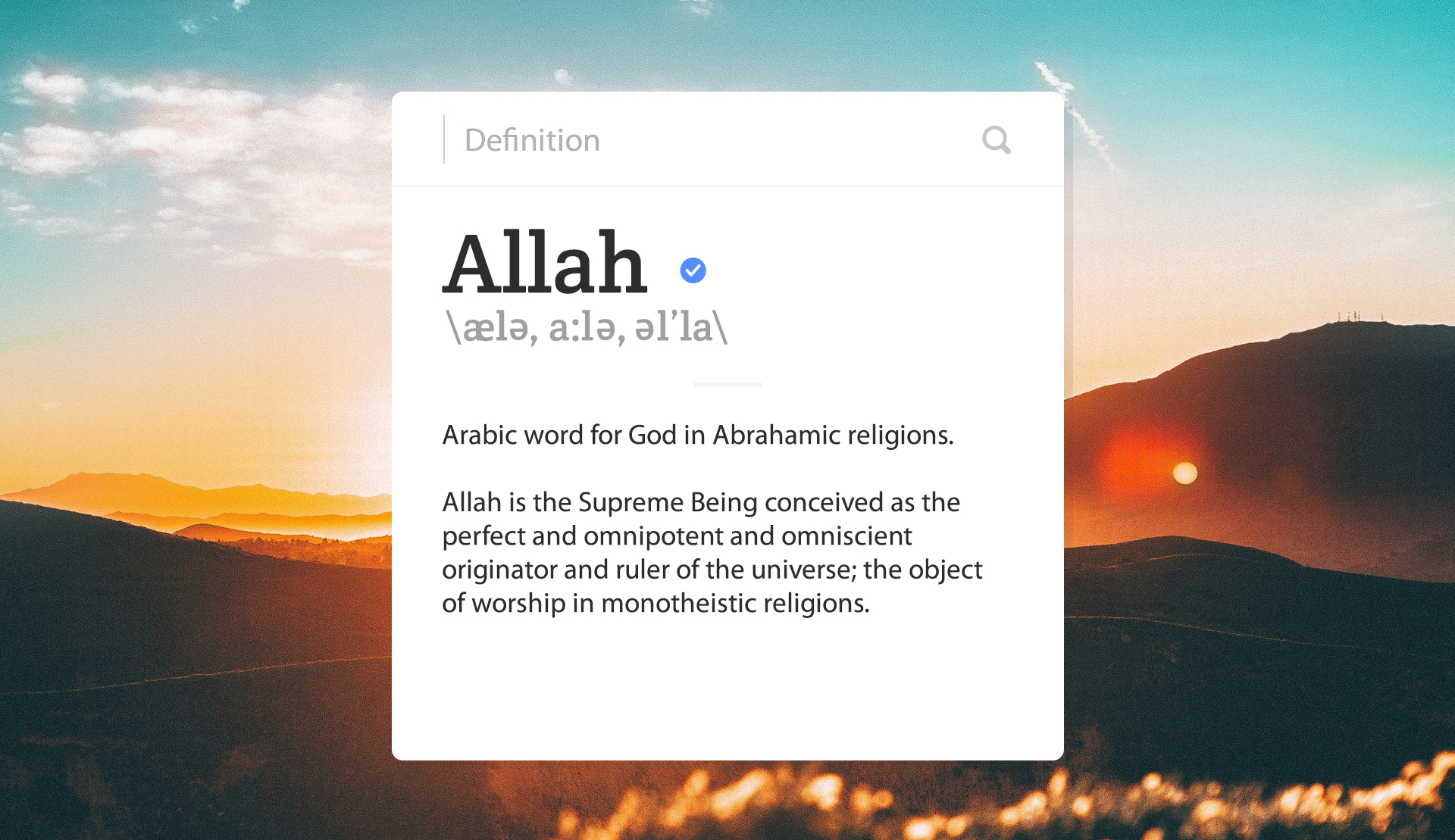
To understand “what Allah means” within the sphere of global economics is to explore one of the most disciplined and rapidly growing frameworks in the financial world: Islamic Finance. While the term is fundamentally theological, representing the One God in Islam, its implications in the marketplace dictate a comprehensive set of ethical, legal, and social parameters. In the realm of money, “Allah” represents the ultimate owner of all resources, positioning human beings not as absolute masters of wealth, but as temporary stewards (Khalifas) entrusted with its management.
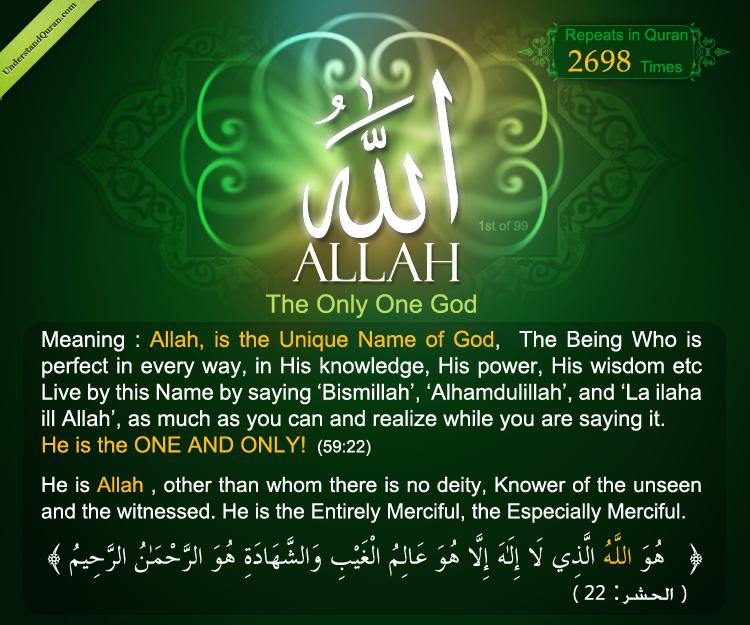
This paradigm shift—from ownership to stewardship—is the cornerstone of a multi-trillion-dollar industry that governs everything from personal savings accounts to massive sovereign wealth funds. Understanding the “meaning” of this divine oversight reveals a financial system rooted in equity, risk-sharing, and the rejection of exploitation.
The Divine Blueprint: Understanding the Spiritual Foundation of Islamic Finance
In conventional finance, the primary objective is often the maximization of shareholder value through any legal means. However, when we ask what the concept of a higher power means for a portfolio, the answer lies in the “Maqasid al-Sharia” (the objectives of Divine Law). This framework ensures that money serves humanity rather than humanity serving money.
The Concept of Stewardship (Khalifa)
In Islamic economic theory, humans are designated as “Khalifas” or vicegerents on Earth. This means that every dollar earned, invested, or spent is subject to an accountability that transcends local tax laws. For a business owner or an investor, this means their “meaning” of success is tied to how well they managed the “Amanah” (trust) placed in them. Wealth is not viewed as a sign of superiority, but as a tool for societal betterment. This perspective fosters a long-term investment horizon, as stewards are concerned with the legacy and the ethical footprint of their capital.
Wealth as a Trust, Not an Absolute Right
When an investor operates under the recognition of a divine authority, the accumulation of wealth is tempered by moral constraints. It is not enough for a business to be profitable; it must be “Halal” (permissible). This excludes industries such as gambling, alcohol, tobacco, and high-interest lending. By redefining “what Allah means” in a financial sense, we move toward a “Purpose-Led” economy where capital is deployed to support life-affirming industries, mirroring modern ESG (Environmental, Social, and Governance) trends but with a 1,400-year-old pedigree.
Sharia-Compliant Investing: Beyond the Interest Rate
The most visible manifestation of Islamic principles in the money sector is the prohibition of “Riba” (usury or interest). To understand what the divine law means for a bank, one must look at how it replaces the standard lender-borrower relationship with a partnership-based model.
The Prohibition of Riba (Usury)
In a traditional financial system, money is treated as a commodity that can be sold for more money (interest). In the Islamic financial worldview, money is merely a medium of exchange and a measure of value. It has no intrinsic value in itself. Therefore, “making money on money” is seen as exploitative and unproductive. Instead, capital must be linked to real assets. This ensures that the financial sector remains tied to the “real” economy—manufacturing, trade, and services—preventing the speculative bubbles that often plague global markets.
Risk-Sharing vs. Risk-Transfer
What distinguishes this niche most sharply is the concept of “Gharar” (excessive uncertainty). Conventional insurance and many derivative products often involve transferring risk from one party to another for a fee. Islamic finance mandates risk-sharing. In a “Musharakah” (partnership) or “Mudarabah” (profit-sharing) agreement, both the provider of capital and the entrepreneur share in the profits and the losses. This creates a more stable economic environment where banks are invested in the success of their clients, rather than profiting from their failure through late fees and compounded interest.
Social Impact and the Pillars of Zakat

For many, the “meaning” of faith in finance is most clearly seen in the mandatory redistribution of wealth. Unlike voluntary corporate social responsibility (CSR), Islamic finance integrates social equity into the very fabric of balance sheets through the mechanism of Zakat.
Institutionalized Charity as a Macroeconomic Tool
Zakat is a mandatory payment (usually 2.5% of qualifying wealth) that acts as a wealth tax rather than an income tax. Its primary function is to circulate wealth, preventing it from stagnating in the hands of a few. From a “Money” perspective, Zakat acts as a natural stimulus for the economy. By taxing idle capital, it encourages individuals to invest their money in productive ventures to cover the Zakat obligation, thereby creating jobs and driving innovation.
Sadaqah and Voluntary Social Responsibility
Beyond the mandatory Zakat, the concept of “Sadaqah” (voluntary charity) and “Waqf” (endowments) play a massive role in business finance. A “Waqf” is a permanent endowment, often in the form of real estate or a cash fund, where the principal remains intact and the profits are used for public works like hospitals, schools, or infrastructure. This historical model of “social finance” is currently being revitalized through “Social Sukuk” (Islamic bonds), where the proceeds are used specifically for social or environmental projects.
The Global Rise of the Halal Economy
What “Allah” means in the 21st century is also a massive branding and marketing phenomenon. The “Halal Economy” is no longer restricted to meat; it encompasses a lifestyle and a financial standard that appeals to over 1.8 billion consumers globally.
Ethical Consumerism and Brand Integrity
The global Halal market is valued in the trillions. For a brand, being “Halal-certified” means more than just compliance; it is a mark of purity, quality, and ethical integrity. Modern consumers—both Muslim and non-Muslim—are increasingly seeking “Tayyib” (wholesome) products. This has led to the rise of ethical branding in cosmetics, fashion, and digital services, where the “meaning” of the product is as important as its utility.
Emerging Markets and FinTech Integration
The marriage of faith-based finance and technology (FinTech) is one of the most exciting trends in the “Money” niche. Islamic FinTech startups are leveraging blockchain to ensure transparency in Zakat distribution and using Crowdfunding to provide interest-free microloans to entrepreneurs in emerging markets. These tools are democratizing access to capital, proving that ancient ethical principles can be successfully integrated into cutting-edge digital infrastructure.
Navigating the Future of Faith-Based Wealth Management
As global markets become more volatile, the interest in “Faith-Based Wealth Management” is surging. Investors are looking for stability, and the asset-backed nature of Islamic finance provides a natural hedge against the hyper-inflation and debt crises seen in the conventional sector.
Transparency and Digital Islamic Banking
The future of this niche lies in the “Neobanks”—digital-only banks that offer Sharia-compliant products with the user experience of a Silicon Valley app. These platforms are redefining what it means to save and invest. By using AI to screen stocks for Sharia compliance and offering “round-up” features for Zakat, these tools are making it easier for the younger, tech-savvy generation to align their financial lives with their spiritual values.
The Alignment with Global ESG Goals
There is an incredible synergy between Islamic finance and the global movement toward Environmental, Social, and Governance (ESG) criteria. Both frameworks reject “sin” stocks and prioritize the well-being of the planet and its people. For institutional investors, this means that Islamic “Sukuk” (bonds) are becoming a preferred vehicle for green financing. Whether it’s funding a solar farm in Malaysia or a social housing project in London, the “meaning” of the investment is rooted in a shared commitment to sustainable growth.
In conclusion, “what Allah means” in the context of money and finance is the pursuit of a “Moral Economy.” It is a system where profit is a reward for risk and value creation, rather than a product of debt and exploitation. By centering the financial system around divine stewardship, Islamic finance offers a robust, ethical, and increasingly relevant alternative to the traditional models of wealth accumulation. As the world seeks more equitable ways to manage global capital, the principles of faith-based finance provide a roadmap for a future where prosperity is shared, and wealth is managed with a higher purpose in mind.
aViewFromTheCave is a participant in the Amazon Services LLC Associates Program, an affiliate advertising program designed to provide a means for sites to earn advertising fees by advertising and linking to Amazon.com. Amazon, the Amazon logo, AmazonSupply, and the AmazonSupply logo are trademarks of Amazon.com, Inc. or its affiliates. As an Amazon Associate we earn affiliate commissions from qualifying purchases.