
The Nasdaq Composite Index, a bellwether for the technology sector and broader growth stocks, frequently captures headlines with its impressive rallies and occasional corrections. For investors, analysts, and market enthusiasts, the concept of an “all-time high” is more than just a number; it represents a pinnacle of market optimism, economic conditions, and corporate performance. Pinpointing the exact all-time high for Nasdaq is a dynamic pursuit, as the index is constantly fluctuating, often setting new records as the market evolves.
As of recent market activity leading into mid-2024, the Nasdaq Composite has been trading above its previous peak from late 2021, demonstrating robust growth driven by technological advancements, AI euphoria, and a resilient economy. While the specific number changes almost daily with market closes, the index has reached unprecedented levels, comfortably surpassing 17,000 points in May 2024, after having previously peaked around 16,212.23 points in November 2021. This consistent push into new territory reflects underlying shifts in the economic landscape, investor sentiment, and the relentless innovation characterizing the companies listed on this prominent exchange. Understanding these peaks requires a deeper dive into what the Nasdaq represents, the forces that propel it to new heights, and what these milestones signify for investors.

Understanding the Nasdaq Composite: A Brief Overview
Before dissecting its peaks, it’s crucial to grasp the fundamental nature of the Nasdaq Composite Index. Unlike other indices that might focus on specific geographies or company sizes, the Nasdaq has carved out a unique identity as the home for innovative, growth-oriented companies, primarily in the technology and biotechnology sectors.
What is the Nasdaq Composite Index?
The Nasdaq Composite Index is a stock market index that includes nearly all common stocks listed on the Nasdaq stock market. It’s a broad-based index, meaning it reflects the performance of a vast array of companies, making it a comprehensive barometer for the health of the technology sector and, increasingly, the broader economy. Established in 1971, the Nasdaq was the world’s first electronic stock market, pioneering a new era of trading. Its original base value was 100 points.
Nasdaq’s Role in the Global Markets
The Nasdaq’s significance extends far beyond being a mere collection of tech stocks. It serves as a global benchmark for innovation, entrepreneurship, and growth potential. Its constituents often include companies at the forefront of transformative technologies – from software and hardware giants to biotechnology innovators and internet service providers. Consequently, the performance of the Nasdaq Composite is often seen as a leading indicator for global technological trends and investor appetite for growth stocks. Its movements are closely watched for insights into market sentiment regarding future-oriented industries.
Key Components and Sector Focus
While often synonymous with “tech,” the Nasdaq Composite is more diverse than many assume. It includes companies from various sectors, although technology, healthcare, and consumer discretionary firms tend to have the largest representation by market capitalization. Heavyweights like Apple, Microsoft, Amazon, Alphabet (Google), and Meta Platforms (Facebook) command significant weight due to their enormous market valuations. The concentration of such influential companies means that their individual performances can heavily sway the overall index, driving it towards new highs or contributing to significant downturns. This concentration also highlights the index’s vulnerability to sector-specific headwinds or tailwinds.
Pinpointing Nasdaq’s Historic Peaks
The journey to an all-time high is rarely linear, punctuated by periods of rapid ascent, consolidations, and occasional corrections. Each major peak tells a story about the economic environment, technological paradigms, and investor enthusiasm of its time.
The Exact All-Time High Figures and Context
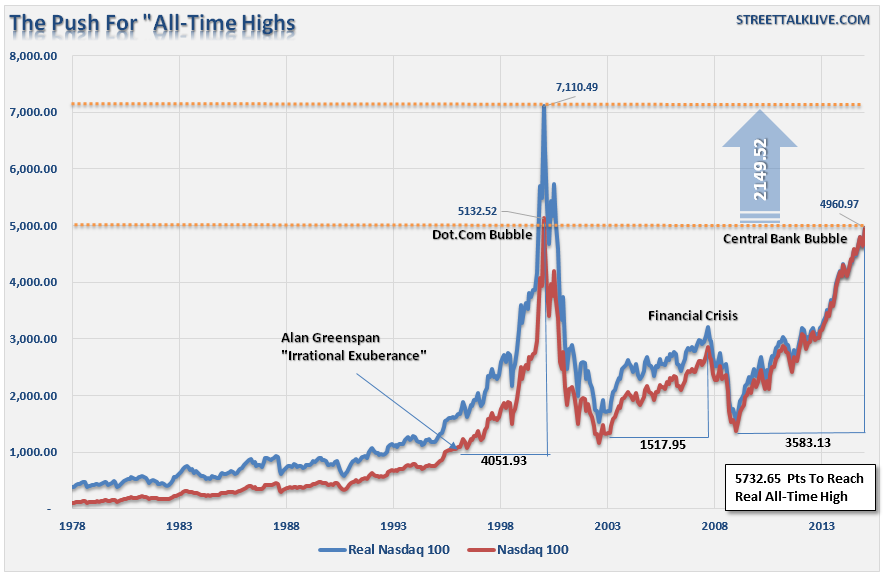
As mentioned, the all-time high for the Nasdaq Composite is a continually moving target. Historically, one of the most significant previous peaks occurred in November 2021, when the index reached approximately 16,212.23 points. This milestone was the culmination of a robust bull run fueled by historically low interest rates, massive fiscal stimulus, and the acceleration of digital transformation during the COVID-19 pandemic. Many tech companies thrived as remote work, e-commerce, and digital entertainment became central to daily life.
Fast forward to May 2024, the Nasdaq Composite has not only reclaimed but substantially surpassed its 2021 peak, pushing past the 17,000-point mark. This recent surge signifies a renewed bullish sentiment, driven by a new wave of technological excitement and a more stable economic outlook. It’s vital to remember that these figures are closing prices; intraday highs can sometimes exceed the closing record. The consistency in setting new records underscores the index’s enduring capacity for growth.
Key Drivers Behind Recent Record Highs
The recent journey to and past new all-time highs for the Nasdaq Composite can be attributed to several interconnected factors:
-
Artificial Intelligence (AI) Revolution: The most prominent driver in 2023-2024 has been the immense excitement and investment surrounding Artificial Intelligence. Companies like Nvidia, a major chipmaker whose products are critical for AI development, have seen unprecedented growth, pulling the broader tech sector along. Investors are betting on AI’s potential to revolutionize industries and drive future corporate profits.
-
Resilient Economic Performance: Despite fears of a recession, the U.S. economy has shown remarkable resilience, with strong employment figures and controlled inflation, providing a favorable backdrop for corporate earnings.
-
Anticipation of Interest Rate Cuts: While the Federal Reserve maintained high interest rates for an extended period to combat inflation, market participants have increasingly anticipated future rate cuts. Lower interest rates typically benefit growth stocks, as they reduce the cost of capital and increase the present value of future earnings.
-
Strong Corporate Earnings: Many of the largest Nasdaq-listed companies have continued to deliver robust earnings reports, demonstrating their ability to innovate and expand even in challenging environments.
-
Investor Optimism and FOMO (Fear Of Missing Out): A positive feedback loop often develops in bull markets, where rising prices attract more investors, creating a self-fulfilling prophecy of further gains. The allure of AI and other disruptive technologies has fueled significant investor enthusiasm.
Historical Context: Dot-Com Bubble vs. Modern Tech Rally
It’s impossible to discuss Nasdaq’s peaks without referencing the infamous Dot-Com Bubble of 1999-2000. During that era, the Nasdaq Composite soared to nearly 5,132 points by March 2000, driven by speculative fervor for internet companies, many of which had unproven business models or lacked profitability. The subsequent burst led to a multi-year bear market, with the index losing over 75% of its value.
The current tech rally, while showing signs of exuberance in certain areas, differs significantly. Today’s dominant tech companies are, for the most part, highly profitable, generate substantial free cash flow, and have established strong competitive moats. Their products and services are deeply integrated into the global economy, making them less speculative than many of their dot-com predecessors. Furthermore, the market today is more diversified, with a greater emphasis on tangible earnings and sustainable growth, although concentration risk in a few mega-cap stocks remains a consideration.
The Significance of All-Time Highs for Investors
An all-time high is more than just a celebratory number; it carries significant psychological and analytical weight for investors, influencing strategy and risk perception.
Bull Market Psychology and Momentum Investing
Reaching new all-time highs is a defining characteristic of a bull market. It fosters a sense of optimism, confidence, and positive momentum. Many investors are drawn to markets that are trending upwards, following the adage “the trend is your friend.” This can lead to momentum investing, where investors buy into stocks or indices that have shown strong past performance, hoping the trend will continue. While effective in certain phases, momentum can reverse quickly, catching late entrants off guard. New highs can also create a fear of missing out (FOMO), pushing hesitant investors into the market.
Valuation Concerns and Risk Assessment
While exciting, all-time highs also prompt crucial questions about valuations. When indices reach unprecedented levels, it’s natural to wonder if stocks are becoming overvalued. Metrics like Price-to-Earnings (P/E) ratios, Price-to-Sales (P/S) ratios, and other valuation multiples come under intense scrutiny. High valuations can imply that future growth is already priced into the stock, leaving less room for further appreciation or making them more vulnerable to any negative news or economic slowdowns. Savvy investors use these moments to reassess the risk-reward profile of their portfolios and consider taking profits or rebalancing.
Long-Term Growth vs. Short-Term Volatility
For long-term investors, all-time highs are often a validation of their patient strategy. Historically, equity markets, including the Nasdaq, have demonstrated an upward bias over extended periods, reflecting economic growth, innovation, and corporate profitability. Therefore, a new all-time high might simply be another waypoint on a long-term growth trajectory. However, short-term traders and those focused on market timing face a different challenge. Entering a market at its peak can lead to immediate paper losses if a correction follows. Understanding the difference between long-term investment principles and short-term market fluctuations is critical when operating in a high-flying market.
Factors Influencing Nasdaq’s Future Performance
Predicting the future is impossible, but identifying key influencing factors can help investors anticipate potential shifts in Nasdaq’s trajectory from its current all-time highs.
Interest Rates and Monetary Policy
The Federal Reserve’s monetary policy, particularly interest rate decisions, profoundly impacts growth stocks. Lower interest rates generally make it cheaper for companies to borrow and expand, and they increase the present value of future earnings, which disproportionately benefits growth-oriented tech companies. Conversely, higher interest rates can make borrowing more expensive, dampen consumer spending, and make fixed-income investments more attractive, potentially drawing capital away from equities. The trajectory of inflation and the Fed’s response will remain a critical determinant for the Nasdaq.
Technological Innovation and Disruption
The very essence of Nasdaq is innovation. Future performance will heavily depend on the continued pace of technological breakthroughs. Beyond AI, advancements in areas like quantum computing, biotechnology, renewable energy, virtual reality, and space technology could spawn the next generation of market leaders. Companies that successfully innovate and disrupt existing markets will likely continue to drive the index higher. However, regulatory scrutiny, particularly against large tech companies, could also become a more significant headwind.
Geopolitical Landscape and Economic Growth
Global economic stability, geopolitical tensions, and trade relations can have far-reaching effects on the Nasdaq. Many of its constituent companies have extensive international operations and supply chains, making them vulnerable to global economic slowdowns, trade wars, or political instability. A robust global economy provides a fertile ground for corporate expansion and consumer spending, which directly benefits technology companies. Conversely, sustained geopolitical conflicts or economic contractions could exert downward pressure.
Investor Sentiment and Market Psychology
Ultimately, market performance is also a reflection of investor sentiment. Fear and greed are powerful emotions that can drive irrational behavior, creating bubbles or causing unwarranted sell-offs. Sustained optimism, fueled by positive news and strong earnings, can propel the Nasdaq to even greater heights. However, any significant negative catalysts – unexpected economic data, corporate scandals, or major geopolitical events – can quickly shift sentiment, leading to corrections or bear markets. Understanding the prevailing psychological climate is key to anticipating market movements.
Navigating a High-Flying Market: Strategies for Investors
Operating in a market where the Nasdaq is regularly hitting all-time highs requires a thoughtful and disciplined approach to investing.
Diversification Beyond Tech
While the Nasdaq Composite offers exposure to some of the world’s most innovative companies, a portfolio solely concentrated in this index or technology stocks can be highly susceptible to sector-specific downturns. Smart investors diversify their portfolios across different asset classes (stocks, bonds, real estate), industries (utilities, consumer staples, industrials), and geographies. This helps mitigate risk by ensuring that a downturn in one sector or region doesn’t devastate the entire portfolio.
Long-Term Perspective and Dollar-Cost Averaging
For most investors, especially those saving for retirement or other long-term goals, maintaining a long-term perspective is paramount. Trying to time the market, particularly at all-time highs, is notoriously difficult and often leads to suboptimal results. Instead, employing strategies like dollar-cost averaging – investing a fixed amount of money at regular intervals, regardless of market fluctuations – can be highly effective. This approach allows investors to buy more shares when prices are low and fewer when prices are high, smoothing out the average purchase price over time.
Research and Due Diligence
Even in a surging market, not all stocks are created equal. Investors should conduct thorough research and due diligence on individual companies before investing. This includes analyzing financial statements, understanding business models, assessing competitive landscapes, and evaluating management teams. Blindly chasing “hot” stocks without understanding their fundamentals can lead to significant losses if market sentiment turns. Focus on companies with strong balance sheets, sustainable competitive advantages, and clear growth prospects.

Managing Emotional Biases
The excitement of all-time highs can trigger emotional biases like overconfidence and herd mentality. It’s crucial to stick to a predetermined investment plan and avoid making impulsive decisions based on market hype or fear. Regularly reviewing your investment goals, risk tolerance, and asset allocation can help keep emotions in check and ensure you remain aligned with your financial objectives. Understanding that market corrections are a natural part of the economic cycle, even after reaching new highs, can help prepare investors for inevitable downturns.
In conclusion, the Nasdaq Composite’s journey to and beyond its all-time highs is a testament to human innovation, economic resilience, and investor confidence. While these milestones are exciting, they also serve as a reminder for investors to maintain a balanced perspective, practice diligent research, and adhere to sound financial principles to navigate the dynamic landscape of the global markets successfully. The specific number of the all-time high is ephemeral, but the lessons learned from its pursuit are enduring.
aViewFromTheCave is a participant in the Amazon Services LLC Associates Program, an affiliate advertising program designed to provide a means for sites to earn advertising fees by advertising and linking to Amazon.com. Amazon, the Amazon logo, AmazonSupply, and the AmazonSupply logo are trademarks of Amazon.com, Inc. or its affiliates. As an Amazon Associate we earn affiliate commissions from qualifying purchases.