
Artificial intelligence (AI) is no longer a futuristic concept confined to science fiction. It’s a rapidly evolving force reshaping industries, enhancing our digital lives, and fundamentally altering how we interact with technology. At the heart of this transformation lie AI agents, sophisticated entities that are becoming increasingly instrumental in automating tasks, making decisions, and interacting with the digital and physical worlds on our behalf. But what exactly are AI agents, and how do they fit into the broader landscape of technology, brand, and money?
This article will delve into the core of AI agents, exploring their definition, functionalities, and the diverse applications they are enabling. We’ll examine how these intelligent systems are poised to revolutionize everything from personal productivity and brand management to financial planning and investment strategies.
Understanding the Core Concepts of AI Agents
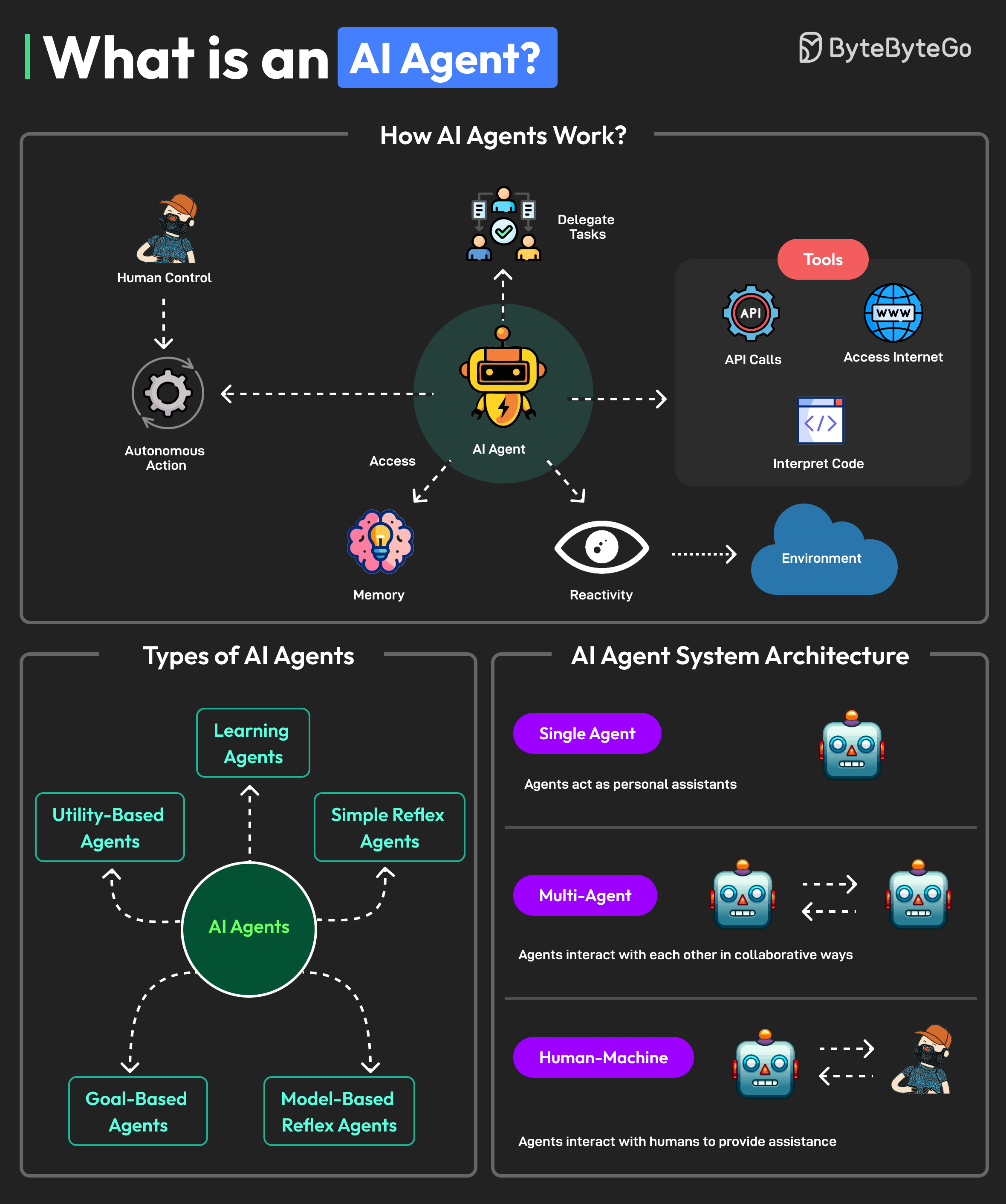
At its most fundamental level, an AI agent is an autonomous entity that perceives its environment through sensors and acts upon that environment through actuators. In simpler terms, imagine a digital assistant that doesn’t just respond to your commands but actively observes, learns, and takes initiative to achieve specific goals. This “agent” can be software-based, existing purely in the digital realm, or it can be embodied in a physical robot or device.
The key characteristics that define an AI agent include:
- Perception: AI agents gather information from their surroundings. This could be through sensors like cameras, microphones, or even by processing data streams from the internet. For software agents, this might involve reading emails, monitoring website traffic, or analyzing social media feeds.
- Reasoning and Decision-Making: Once information is perceived, AI agents employ various AI techniques – from rule-based systems to complex machine learning models – to process this data, understand its implications, and make informed decisions. This ability to reason and decide is what sets them apart from simple automated scripts.
- Action: Based on their decisions, AI agents then execute actions. These actions can range from sending an email or booking an appointment to controlling a robot arm or executing a trade on a stock market.
- Autonomy: A crucial aspect of AI agents is their ability to operate with a degree of independence. They can pursue goals, adapt to changing circumstances, and make decisions without constant human oversight. The level of autonomy can vary significantly, from agents that require explicit goals to those that can infer and set their own sub-goals.
- Learning: Many advanced AI agents possess the ability to learn from their experiences. This means their performance improves over time as they encounter new data and refine their decision-making processes. This learning capability is often powered by machine learning algorithms.
Types of AI Agents
The world of AI agents is diverse, with various classifications depending on their complexity, capabilities, and intended purpose:
Simple Reflex Agents
These are the most basic AI agents. They act solely based on the current percept, ignoring the history of percepts. They don’t have memory and cannot learn from past experiences. For example, a simple thermostat that turns on the heating when the temperature drops below a set point is a rudimentary reflex agent.
Model-Based Reflex Agents
These agents maintain an internal model of the world. This model represents the current state of the environment, which can be updated based on perceived changes and the agent’s own actions. This allows them to handle situations where the current percept alone is insufficient to determine the best action.
Goal-Based Agents
These agents not only consider the current state but also have explicit goals. They use their knowledge of the world and their current state to determine sequences of actions that will lead to achieving their desired goals. This involves reasoning about future outcomes and planning.
Utility-Based Agents
These are the most sophisticated agents. While goal-based agents aim to achieve any state that satisfies their goals, utility-based agents strive to maximize their “utility” or “happiness.” This involves assigning a numerical value to different states and choosing actions that lead to states with higher utility, even when multiple goals are involved or when goals are not strictly achievable.
Learning Agents
As the name suggests, these agents have the capacity to improve their performance over time through learning. They can learn a model of the world, learn which actions lead to desirable outcomes, or even learn new goals. This is where the power of machine learning truly shines within the agent paradigm.
AI Agents in Action: Transforming Industries

The practical applications of AI agents are vast and growing exponentially. They are no longer confined to research labs but are actively deployed across a wide spectrum of industries, driving efficiency, innovation, and new business models.
Revolutionizing Personal Productivity and Tech Usage
For individuals, AI agents are becoming indispensable tools for enhancing productivity and streamlining daily tasks.
- Virtual Assistants: Think of Siri, Google Assistant, or Alexa. These are prime examples of AI agents that manage schedules, set reminders, answer questions, control smart home devices, and even make online purchases. Their ability to understand natural language and execute a growing range of commands makes them powerful personal productivity enhancers.
- AI-Powered Software Tools: Many productivity applications are now incorporating AI agents to automate repetitive tasks. This includes tools that can draft emails, summarize long documents, organize files, schedule meetings, and even generate code snippets. For example, AI agents within writing software can suggest sentence improvements or rephrase paragraphs, significantly speeding up the writing process.
- Digital Security: AI agents are playing a critical role in cybersecurity by detecting anomalies, identifying threats, and responding to potential breaches in real-time. They can monitor network traffic for suspicious patterns, flag malware, and even automate responses to mitigate damage, offering a proactive defense.
- Personalized Recommendations: AI agents power recommendation engines on streaming services, e-commerce platforms, and social media. By analyzing user behavior and preferences, they can suggest content, products, or connections that are most likely to be relevant and engaging.
Shaping Brands and Marketing Strategies
In the realm of brand management and marketing, AI agents are enabling more intelligent, personalized, and efficient strategies.
- Customer Service Chatbots: Advanced chatbots, powered by AI agents, are transforming customer support. They can handle a significant volume of inquiries, provide instant answers to common questions, and escalate complex issues to human agents. This not only improves customer satisfaction through faster response times but also frees up human resources for more critical tasks.
- Personalized Marketing Campaigns: AI agents can analyze vast amounts of customer data to segment audiences and deliver highly personalized marketing messages. This can include tailoring ad content, email campaigns, and website experiences to individual preferences, leading to higher engagement and conversion rates.
- Brand Monitoring and Reputation Management: AI agents can continuously monitor online conversations across social media, news outlets, and forums to track brand mentions, identify sentiment, and flag potential reputation crises. This proactive approach allows businesses to respond quickly to negative feedback or capitalize on positive trends.
- Content Generation and Optimization: AI agents can assist in creating marketing content, from writing ad copy and social media posts to generating product descriptions. They can also analyze the performance of existing content and suggest optimizations for better reach and engagement.
- Market Research and Trend Analysis: By sifting through large datasets of market information, consumer behavior, and industry trends, AI agents can identify emerging opportunities and threats, providing valuable insights for strategic decision-making.
Influencing Personal Finance and Investment Decisions
The financial world is another area where AI agents are making a significant impact, offering new avenues for managing money and making investments.
- Personal Finance Management Tools: AI-powered budgeting apps can track spending, categorize expenses, identify savings opportunities, and even predict future financial needs. They can learn user spending habits and offer personalized advice to help individuals achieve their financial goals.
- Robo-Advisors: These automated investment platforms utilize AI agents to create and manage investment portfolios based on an individual’s risk tolerance, financial goals, and time horizon. They offer a lower-cost alternative to traditional human financial advisors and are accessible to a wider range of investors.
- Algorithmic Trading: In the stock market, AI agents are widely used for algorithmic trading. These agents can analyze market data, identify trading opportunities, and execute trades at high speeds, often operating with sophisticated strategies that human traders cannot replicate.
- Fraud Detection: Financial institutions employ AI agents to detect fraudulent transactions in real-time. By analyzing patterns of behavior, these agents can flag suspicious activities, protecting both businesses and consumers from financial loss.
- Personalized Investment Advice: Beyond robo-advisors, AI agents are being developed to offer more nuanced and personalized investment advice, considering individual tax situations, philanthropic goals, and other complex financial factors.
The Future of AI Agents: Autonomy, Collaboration, and Integration
The trajectory of AI agents points towards even greater autonomy, sophisticated collaboration, and seamless integration into our lives.
Enhanced Autonomy and Proactive Intelligence
As AI agents become more advanced, their ability to operate autonomously will increase. Instead of waiting for explicit instructions, they will be capable of inferring our needs, anticipating problems, and taking proactive steps to achieve our objectives. Imagine an AI agent that not only manages your calendar but also proactively reschedules meetings based on traffic conditions or your energy levels.
Human-AI Collaboration
The future isn’t about AI replacing humans entirely, but rather about a synergistic collaboration. AI agents will act as intelligent partners, augmenting human capabilities and handling tasks that are tedious, complex, or dangerous. This will free up humans to focus on creativity, critical thinking, and interpersonal interactions.
Seamless Integration and Ubiquitous AI
AI agents will become increasingly embedded in the fabric of our digital and physical environments. From smart homes that anticipate your needs to workplaces where AI assists every employee, their presence will become more ubiquitous and less noticeable, working seamlessly in the background to enhance our lives.
Ethical Considerations and Responsible Development
As AI agents become more powerful, ethical considerations surrounding their development and deployment become paramount. Issues such as data privacy, algorithmic bias, accountability for AI actions, and the potential impact on employment will require careful consideration and robust regulatory frameworks. Ensuring that AI agents are developed and used responsibly will be crucial for realizing their full positive potential.
In conclusion, AI agents represent a significant leap forward in artificial intelligence. Their capacity to perceive, reason, act, and learn makes them versatile tools capable of transforming how we approach technology, manage our brands, and handle our finances. As this technology continues to evolve, understanding AI agents is not just about staying informed; it’s about preparing for a future where intelligent automation plays an ever-increasing and vital role in nearly every aspect of our lives.
aViewFromTheCave is a participant in the Amazon Services LLC Associates Program, an affiliate advertising program designed to provide a means for sites to earn advertising fees by advertising and linking to Amazon.com. Amazon, the Amazon logo, AmazonSupply, and the AmazonSupply logo are trademarks of Amazon.com, Inc. or its affiliates. As an Amazon Associate we earn affiliate commissions from qualifying purchases.