
Agricultural engineering, often referred to as agri engineering, is a multidisciplinary field that integrates the principles of mechanical, civil, electrical, and software engineering with agricultural sciences. At its core, it is the application of technological innovation to optimize food production, manage natural resources, and design the next generation of farming infrastructure. While the discipline once focused primarily on the design of tractors and basic irrigation systems, it has evolved into a sophisticated tech sector defined by artificial intelligence, robotics, data science, and biotechnology.
In the contemporary landscape, agri engineering is the engine behind “Precision Agriculture.” It involves creating systems that allow for hyper-specific management of crops and livestock, reducing waste while maximizing output. As global populations rise and climate patterns shift, the role of the agricultural engineer has transitioned from a supporting role to a critical vanguard in global food security and environmental sustainability.

The Evolution of Agricultural Engineering in the Digital Age
The journey of agri engineering mirrors the broader trajectory of human technological progress. Historically, the field was characterized by the transition from animal labor to internal combustion engines. Today, however, the field is undergoing a “Fourth Industrial Revolution,” where hardware is becoming increasingly integrated with software and high-speed connectivity.
From Mechanical Tools to Smart Systems
In the mid-20th century, the focus of agri engineering was on mechanical efficiency—building bigger, faster, and more durable machinery. Modern engineering has shifted this focus toward intelligence. The modern tractor is no longer just a pulling machine; it is a mobile data center equipped with GPS, telematics, and onboard computers. These smart systems allow for automated steering and variable-rate technology (VRT), which enables machines to apply fertilizer or seeds at different rates across a single field based on digital maps.
The Role of Sensors and IoT in Modern Farming
The Internet of Things (IoT) has become a cornerstone of agri engineering. Engineers now deploy vast networks of sensors across farmland to monitor soil moisture, nutrient levels, and temperature in real-time. These sensors communicate via LoRaWAN or cellular networks to cloud-based platforms, providing farmers with a granular view of their operations. This “Internet of Fields” approach allows for proactive rather than reactive management, ensuring that resources like water are used only when and where they are absolutely necessary.
Precision Agriculture and AI-Driven Decision Making
One of the most transformative aspects of modern agri engineering is the integration of Artificial Intelligence (AI) and Machine Learning (ML). These technologies are being used to process the massive amounts of data generated by sensors, satellites, and drones to make autonomous decisions that were previously impossible for humans to manage at scale.
Machine Learning Algorithms for Crop Health
Agri engineers are developing computer vision systems capable of identifying crop diseases, pest infestations, and nutrient deficiencies with extreme precision. By training neural networks on millions of images of healthy and diseased plants, engineers can create mobile apps or drone-mounted cameras that flag issues before they are visible to the naked eye. This level of early detection allows for targeted interventions, significantly reducing the need for broad-spectrum chemical applications.
Autonomous Robotics and Harvesting Tech
The labor shortages facing the global agricultural sector have accelerated the engineering of autonomous robots. These machines range from small, ground-based robots that use laser-guided systems to zap weeds (eliminating the need for herbicides) to complex robotic harvesters for delicate fruits like strawberries or grapes. These robots utilize Simultaneous Localization and Mapping (SLAM) algorithms and advanced haptic feedback to navigate uneven terrain and handle fragile organic materials without causing damage.
Predictive Analytics for Yield Optimization
Beyond the physical field, agri engineering involves the development of predictive models. By analyzing historical weather data, soil analysis, and satellite imagery, engineers can create algorithms that predict crop yields months in advance. This tech is vital for supply chain management, allowing processors and distributors to prepare for fluctuations in production, thereby stabilizing food prices and reducing post-harvest waste.
Software Engineering for Food Systems and Supply Chains
While hardware often gets the spotlight, software engineering is the glue that holds modern agri engineering together. The transition from physical ledgers to digital platforms has created a demand for specialized software that can handle the unique complexities of biological production.
Data Management Platforms and Farm Management Software (FMS)
The modern farm generates terabytes of data. Agri engineers design sophisticated Farm Management Software (FMS) that aggregates data from various sources—weather stations, machinery, and soil probes—into a single dashboard. These platforms often use API integrations to connect with third-party services, providing a holistic view of the farm’s technical and operational health. The engineering challenge here lies in data interoperability: ensuring that a drone’s flight path data can be seamlessly used by a tractor’s autonomous navigation system.
Blockchain for Traceability and Transparency
Agri engineering also encompasses the digital infrastructure used to track food from seed to shelf. Blockchain technology is being integrated into agricultural supply chains to provide an immutable record of a product’s journey. By utilizing smart contracts and IoT-enabled tracking, engineers can ensure that temperature-sensitive goods were maintained in optimal conditions throughout transit. This not only enhances food safety but also builds consumer trust in brand sustainability claims.
Cloud Computing and Edge Processing
In many agricultural settings, high-speed internet is a luxury. This has forced agri engineers to innovate in the realm of edge computing—processing data locally on the machine or a local gateway rather than sending it all to the cloud. By optimizing software to run on low-power hardware in the field, engineers ensure that autonomous systems can function reliably even in the most remote locations.
The Future of Agri Engineering: Sustainable Tech and Bio-Informatics
As we look toward the future, agri engineering is increasingly merging with biotechnology and sustainable energy systems. The goal is to create a “circular” agricultural economy where waste is minimized and efficiency is maximized through technological intervention.
Vertical Farming and Controlled Environment Agriculture (CEA)
One of the most exciting frontiers in agri engineering is the design of vertical farms. These facilities rely on a total integration of structural engineering, LED lighting tech, and hydroponic or aeroponic systems. Engineers in this space develop automated climate control systems that manage CO2 levels, humidity, and nutrient delivery with surgical precision. This technology allows for year-round production in urban centers, drastically reducing the carbon footprint associated with food transportation.
Genetic Engineering and Biotech Tools
Modern agri engineering also overlaps with bio-informatics. Engineers develop the tools and software required for CRISPR-Cas9 gene editing and other biotechnological advancements. These tools allow for the development of crops that are more resilient to drought, saline soil, and extreme temperatures. The engineering of the “hardware” of the plant itself is becoming a critical component of the discipline, blending biological science with high-tech manipulation.
Drone Technology and Aerial Imaging
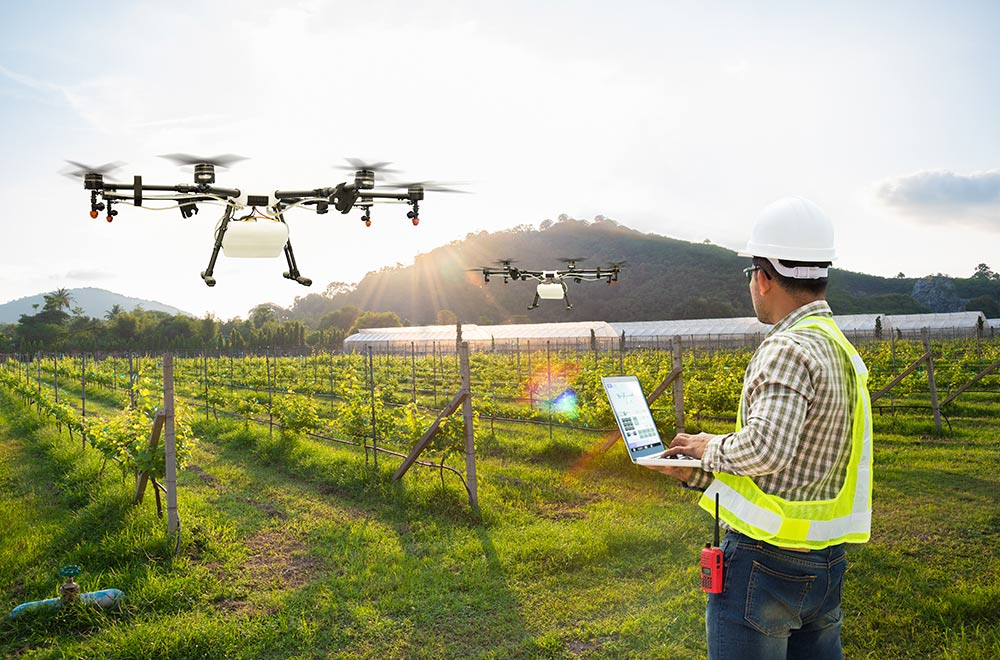
The use of Unmanned Aerial Vehicles (UAVs) has revolutionized field scouting. Agri engineers design drones equipped with multispectral and hyperspectral sensors that can measure the photosynthetic activity of plants from hundreds of feet in the air. This data is then converted into Normalized Difference Vegetation Index (NDVI) maps, which provide a “heat map” of crop health. The engineering challenge involves perfecting the stabilization of these sensors and automating the flight paths to cover thousands of acres efficiently.

Why Agri Engineering is the Next Frontier for Tech Professionals
The field of agri engineering is no longer a niche corner of the engineering world; it is a high-stakes, high-tech industry that offers some of the most complex challenges in the tech sector today. It requires a unique blend of skills: the ability to design rugged hardware that can survive the elements, the software expertise to manage big data, and the vision to apply AI to biological systems.
For tech professionals, agri engineering represents an opportunity to work on “tangible tech.” Unlike purely digital software products, the innovations in this field have a direct impact on the physical world—helping to feed the planet while protecting its natural resources. Whether it is through the development of carbon-sequestration monitoring tools or the design of hydrogen-powered farm machinery, agri engineering is where the digital world meets the survival of the physical world.
As we move forward, the definition of an “agricultural engineer” will continue to shift. They are the data scientists of the soil, the roboticists of the ranch, and the software architects of the global food supply. In a world defined by technological disruption, agri engineering stands as one of the most vital applications of human ingenuity.
aViewFromTheCave is a participant in the Amazon Services LLC Associates Program, an affiliate advertising program designed to provide a means for sites to earn advertising fees by advertising and linking to Amazon.com. Amazon, the Amazon logo, AmazonSupply, and the AmazonSupply logo are trademarks of Amazon.com, Inc. or its affiliates. As an Amazon Associate we earn affiliate commissions from qualifying purchases.