
In today’s rapidly evolving world, businesses are under immense pressure to adapt, innovate, and deliver value at an unprecedented pace. The traditional, linear approaches that once guaranteed success are now often too slow, too rigid, and too disconnected from customer needs. This is where the concept of Agile Transformation comes into play. More than just a buzzword, it represents a fundamental shift in how organizations think, operate, and deliver.
But what exactly is Agile Transformation? At its core, it’s the process of adopting Agile principles and practices across an entire organization, not just within IT departments. It’s a journey that aims to create a more flexible, responsive, and customer-centric enterprise, capable of thriving amidst uncertainty and embracing change as an opportunity rather than a threat. This transformation touches every facet of a business, from its technological infrastructure and operational workflows to its brand perception and financial strategies.

To truly understand Agile Transformation, we need to explore its multifaceted nature and how it intersects with the core pillars of modern business: Tech, Brand, and Money.
The Tech Imperative: Building a Foundation for Agility
The technological landscape is a primary driver and beneficiary of Agile Transformation. For decades, IT departments have been at the forefront of Agile adoption, often as a response to the lengthy, waterfall-like development cycles that hampered software delivery. Agile methodologies like Scrum and Kanban emerged from this need, emphasizing iterative development, continuous feedback, and rapid deployment.
Embracing Modern Software Development and AI Tools
At the heart of Agile Transformation in the tech sphere is a commitment to modern software development practices. This includes:
- DevOps Culture: Bridging the gap between development and operations teams, DevOps fosters collaboration, automation, and continuous integration/continuous delivery (CI/CD). This allows for faster releases, fewer errors, and a more stable production environment, all critical for an agile organization.
- Microservices Architecture: Breaking down large, monolithic applications into smaller, independent services makes them easier to develop, deploy, and scale. This modularity directly supports agility, enabling teams to work on and release specific features without impacting the entire system.
- Cloud-Native Development: Leveraging cloud platforms (like AWS, Azure, GCP) provides the scalability, flexibility, and on-demand resources necessary for agile teams to experiment and iterate quickly. Cloud-native approaches often incorporate managed services that further accelerate development and reduce operational overhead.
- The Rise of AI Tools: Artificial Intelligence and Machine Learning are no longer futuristic concepts; they are becoming integral to agile workflows.
- AI-Powered Development Tools: These tools can automate repetitive coding tasks, suggest code improvements, identify bugs proactively, and even generate test cases, significantly speeding up the development cycle. Think intelligent code completion, automated refactoring, and predictive bug analysis.
- Data Analytics for Insights: Agile transformations rely heavily on data-driven decision-making. AI-powered analytics platforms can process vast amounts of customer feedback, usage data, and market trends to provide actionable insights, enabling teams to pivot quickly and align their efforts with what truly matters.
- Automated Testing and Quality Assurance: AI can enhance testing by identifying complex patterns and anomalies that human testers might miss. This leads to more robust software and faster release cycles, a hallmark of agility.
- Personalization and Customer Experience: Agile organizations aim to deliver highly personalized experiences. AI engines can analyze user behavior to tailor content, recommendations, and even product features in real-time, creating a dynamic and responsive customer journey.
Digital Security in an Agile World
As organizations become more agile and interconnected, digital security becomes paramount. Traditional, siloed security approaches can create bottlenecks and slow down development. Agile Transformation necessitates a shift towards:
- DevSecOps: Integrating security practices into every stage of the DevOps pipeline. This means security is no longer an afterthought but a built-in component, tested and reinforced continuously.
- Automated Security Testing: Incorporating security scanning tools into CI/CD pipelines to identify vulnerabilities early and often.
- Threat Intelligence and Proactive Defense: Utilizing AI-driven threat intelligence platforms to stay ahead of emerging threats and adapt security measures accordingly.
- Continuous Monitoring and Incident Response: Implementing robust monitoring systems that provide real-time visibility into security posture and enable rapid incident response.
The technological advancements, when embraced within an agile framework, empower organizations to build better products faster, respond to market changes with unprecedented speed, and continuously innovate.
The Brand Imperative: Building Trust and Connection Through Agility
Agile Transformation is not just about internal processes; it profoundly impacts how a brand is perceived and how it connects with its audience. A company that can adapt quickly, listen to feedback, and deliver value iteratively is inherently more attractive to customers, partners, and employees.
Agile Marketing and Customer-Centricity
Traditionally, marketing campaigns were often planned months in advance, with little room for adjustment. Agile marketing, however, embraces flexibility and continuous improvement:
- Experimentation and Iteration: Agile marketing teams run small-scale experiments (A/B testing, pilot campaigns) to gather data and refine their strategies. This allows for quick pivots based on real-world performance rather than guesswork.
- Data-Driven Decision Making: Similar to tech, data analytics is crucial for agile marketing. Understanding customer behavior, campaign effectiveness, and market sentiment in real-time allows for optimized resource allocation and impactful messaging.
- Rapid Content Creation and Deployment: Agile methodologies enable marketing teams to produce and deploy content more quickly, responding to current events, emerging trends, and customer needs as they arise.
- Personalized Customer Journeys: By leveraging data and agile execution, brands can create highly personalized customer experiences across all touchpoints, fostering deeper engagement and loyalty. This aligns perfectly with the ability of agile tech teams to deliver tailored digital solutions.
Building a Resilient Corporate Identity and Reputation
Agile Transformation fosters a corporate identity that is synonymous with adaptability, innovation, and customer focus.
- Transparency and Open Communication: Agile organizations tend to be more transparent, both internally and externally. This builds trust and strengthens their reputation. When a company can openly communicate its challenges and progress, it resonates with stakeholders.
- Responding to Feedback: A core tenet of agility is embracing feedback. Brands that actively listen to their customers, and demonstrably act on that feedback, build a reputation for being responsive and customer-centric. This can involve quick product updates, improved customer service, or even a change in brand messaging.
- Case Studies in Agility: Successful Agile Transformations often become case studies themselves, showcasing how a company has navigated complex challenges, launched innovative products, or achieved significant market gains through its agile approach. These stories are powerful brand assets.
- Adaptability as a Brand Promise: For many modern brands, the promise isn’t about being static and perfect, but about being dynamic, evolving, and consistently delivering value. This inherent adaptability becomes a key differentiator and a source of competitive advantage.
In essence, Agile Transformation allows a brand to be more authentic, more responsive, and ultimately, more loved by its audience. It shifts the focus from a fixed image to an ongoing dialogue and co-creation with customers.
The Money Imperative: Financial Agility and Sustainable Growth
The financial implications of Agile Transformation are significant and far-reaching. It’s not just about cutting costs; it’s about optimizing resource allocation, driving profitable innovation, and building financial resilience.
Optimizing Business Finance and Investment
Agile principles directly influence how businesses manage their finances:
- Value Stream Mapping and Lean Principles: Agile transformations often incorporate Lean principles, which focus on maximizing value while minimizing waste. This extends to financial processes, identifying and eliminating non-value-adding activities in the financial lifecycle.
- Iterative Budgeting and Forecasting: Traditional annual budgeting can be rigid and quickly become obsolete. Agile budgeting involves more frequent reviews and adjustments, allowing for greater flexibility in responding to market shifts and unforeseen opportunities. This can involve principles like Zero-Based Budgeting or rolling forecasts.
- Focus on Return on Investment (ROI): Agile methodologies emphasize delivering tangible value quickly. This translates to a strong focus on measuring and optimizing the ROI of initiatives, ensuring that investments are directed towards the most impactful areas.
- Financial Tools for Agility: A range of financial tools and software can support agile transformations:
- Cloud-based Accounting Software: Offers real-time financial visibility and automation.
- Performance Management Tools: Help track key financial metrics and progress against agile goals.
- Budgeting and Forecasting Software: Enables more dynamic and iterative financial planning.
Driving Online Income and Side Hustles Through Agile Innovation
The entrepreneurial spirit is inherently agile. Agile Transformation empowers businesses to tap into new revenue streams and foster innovation:
- Rapid Prototyping and Market Validation: Agile allows businesses to quickly develop and test new product or service ideas. This significantly reduces the risk associated with launching new ventures and allows for rapid validation of market demand, crucial for generating online income.
- Empowering Internal “Intrapreneurs”: Agile fosters an environment where employees are encouraged to experiment and bring new ideas forward. This can lead to the development of new business lines, services, or even internal “side hustles” that can become significant revenue generators.
- Agile Business Models: The rise of subscription services, platform businesses, and on-demand offerings are all examples of agile business models that thrive on continuous iteration and customer value delivery. These models are particularly well-suited to generating consistent online income.
- Personal Finance and Side Hustle Empowerment: For individuals, understanding Agile principles can be a game-changer for personal finance and pursuing side hustles. The ability to break down large goals into smaller, manageable steps, iterate on ideas, and continuously learn from results is fundamental to entrepreneurial success. Whether it’s freelancing, e-commerce, or content creation, an agile mindset accelerates progress and maximizes earning potential.
By aligning financial strategies with agile principles, organizations can achieve greater financial agility, drive sustainable growth, and unlock new avenues for income generation.
The Journey of Agile Transformation
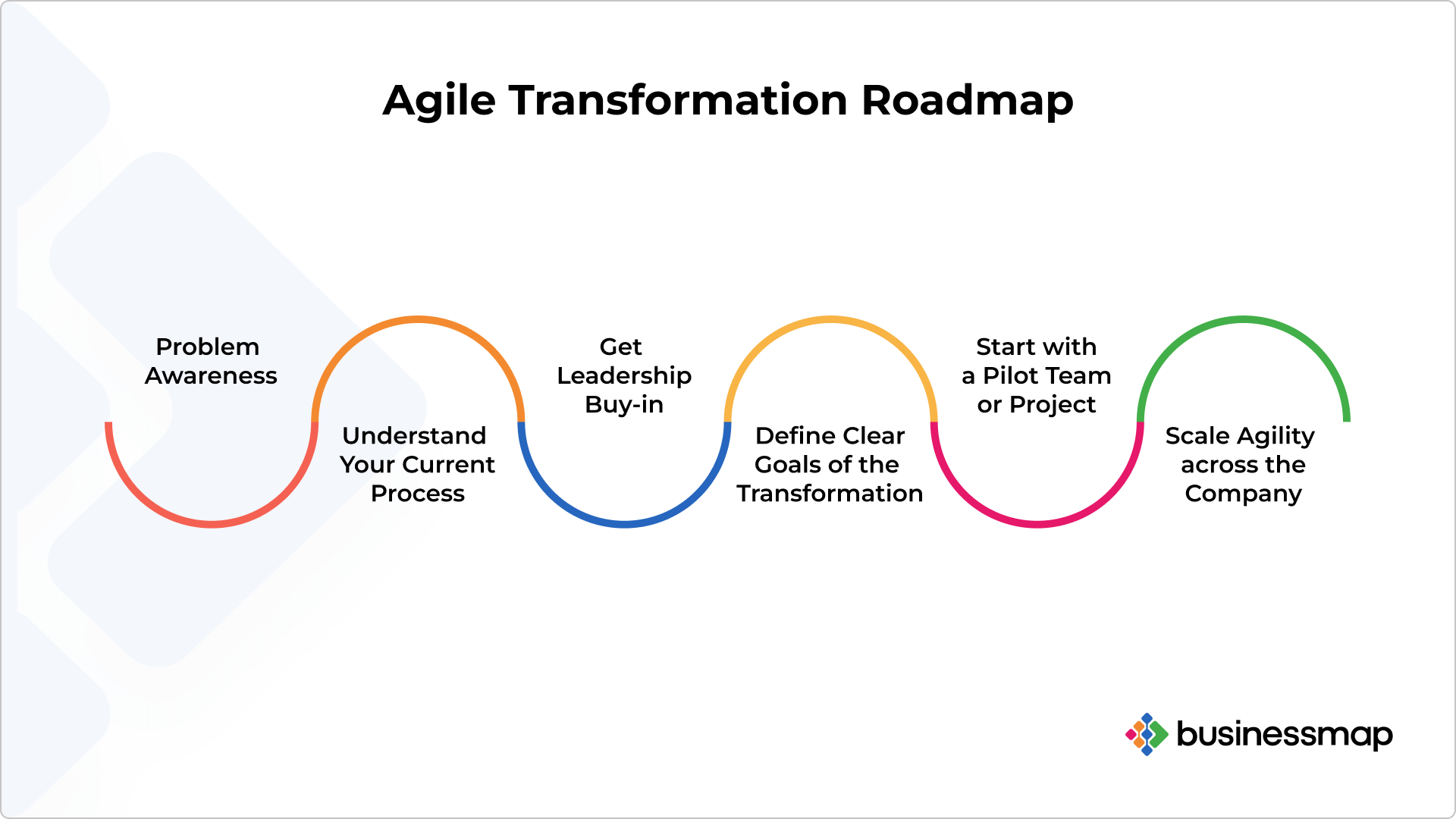
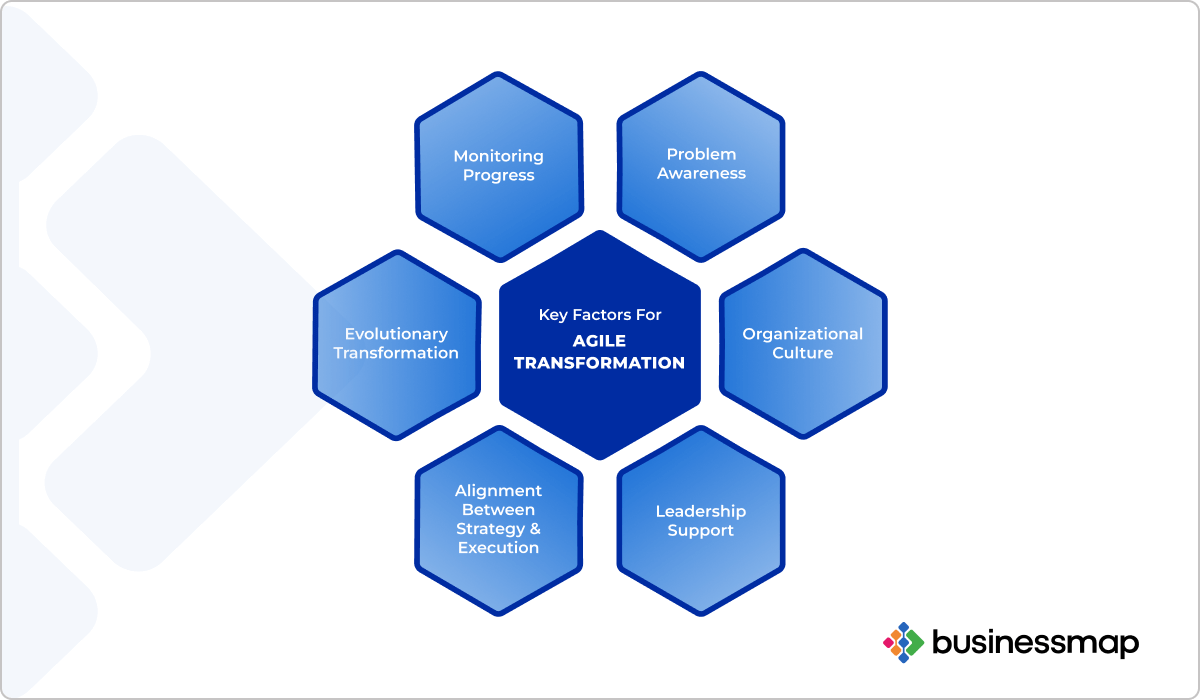
Agile Transformation is not a destination; it’s an ongoing journey. It requires a fundamental shift in mindset, culture, and leadership. It’s about embracing a growth mindset, fostering a culture of psychological safety where experimentation is encouraged, and empowering teams to make decisions.
The successful integration of Agile Transformation into Tech, Brand, and Money creates a powerful synergy. A technologically advanced, agile organization can rapidly develop innovative products. A strong, adaptable brand can effectively communicate that innovation and build lasting customer loyalty. And a financially agile business can fund these initiatives, measure their impact, and ensure sustainable growth.
In conclusion, Agile Transformation is a critical strategic imperative for any organization looking to thrive in the complexities of the modern business world. By embedding Agile principles across technology, brand strategy, and financial management, businesses can build a foundation for continuous adaptation, innovation, and enduring success. It’s about becoming a company that doesn’t just survive change, but actively shapes it.
aViewFromTheCave is a participant in the Amazon Services LLC Associates Program, an affiliate advertising program designed to provide a means for sites to earn advertising fees by advertising and linking to Amazon.com. Amazon, the Amazon logo, AmazonSupply, and the AmazonSupply logo are trademarks of Amazon.com, Inc. or its affiliates. As an Amazon Associate we earn affiliate commissions from qualifying purchases.