
In the modern technological landscape, the term “agendas” has evolved far beyond its traditional definition of a simple list of meeting items or a physical paper planner. Today, “Agendas” refers to a sophisticated category of software and digital productivity tools designed to synchronize time, tasks, and team collaboration within a unified digital ecosystem. As the workforce transitions toward remote and hybrid models, the technology behind agenda management has become the backbone of organizational efficiency. This guide explores the technological evolution of agendas, the core features of modern digital scheduling tools, and how artificial intelligence is reshaping the way we manage our most valuable resource: time.
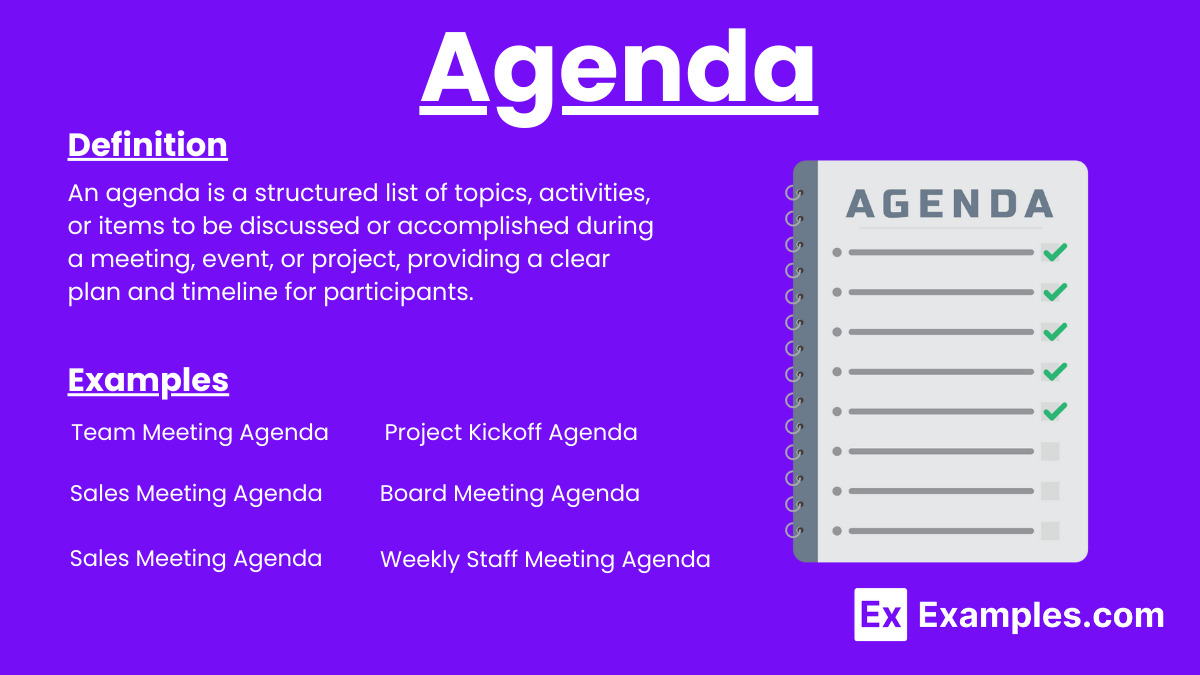
The Evolution of Agendas: From Paper Planners to Digital Powerhouses
The transition from analog to digital has fundamentally changed the architecture of how we plan. Historically, an agenda was a static document. In the current tech-driven era, an agenda is a dynamic, interactive interface that communicates with other software through APIs (Application Programming Interfaces).
The Transition to Cloud-Based Scheduling
The first major shift in agenda technology was the move to the cloud. Early digital calendars were localized to a single machine, but the advent of cloud computing allowed agendas to become ubiquitous. Services like Google Calendar and Microsoft Outlook transformed the agenda into a living document that synchronizes across smartphones, tablets, and desktops in real-time. This synchronization ensures that a change made on a mobile device is reflected instantly across all platforms, eliminating the risk of double-booking and manual errors.
How Modern Apps Redefined the “Agenda”
Beyond simple date-tracking, modern “Agenda” apps (such as Notion, Morgen, or Fantastical) have introduced the concept of the “unified workspace.” In this context, an agenda is no longer just about time; it is about context. These tools allow users to attach files, embed video conferencing links, and integrate project management boards directly into a calendar slot. The technology has shifted from a “view-only” format to a “command center” where work actually happens.
Key Features of Top-Tier Digital Agenda Tools
To understand what a digital agenda is today, one must look at the technical features that distinguish a basic calendar from a high-performance productivity tool. The current market is defined by interoperability and automation.
Task Integration and Syncing
One of the most significant technological hurdles solved in recent years is the integration of “tasks” and “events.” Historically, these were managed in separate applications. Modern agenda software utilizes two-way sync technology to pull tasks from project management tools like Jira, Trello, or Asana and place them directly into the user’s schedule. This creates a “single source of truth,” where the agenda reflects not just where a person needs to be, but what they actually need to accomplish.
AI-Powered Time Blocking and Optimization
The cutting edge of agenda technology involves Artificial Intelligence (AI) and Machine Learning (ML). New-age tools like Motion or Reclaim.ai use algorithms to automatically move tasks around based on priority and deadline. If a meeting is scheduled over a high-priority task, the software automatically finds the next available “deep work” block. This level of automation represents a shift from “manual scheduling” to “algorithmic optimization,” where the software acts as a digital personal assistant that understands human workflows.
Collaborative Features for Modern Teams
In a corporate tech environment, agendas are inherently collaborative. Features such as “Find a Time” or “Scheduling Links” (pioneered by Calendly) utilize complex availability logic to negotiate meetings without back-and-forth emails. Furthermore, the integration of “Meeting Lifecycle” tools allows agendas to automatically record sessions, generate AI-driven transcripts, and distribute action items to participants’ individual task lists immediately after a call ends.
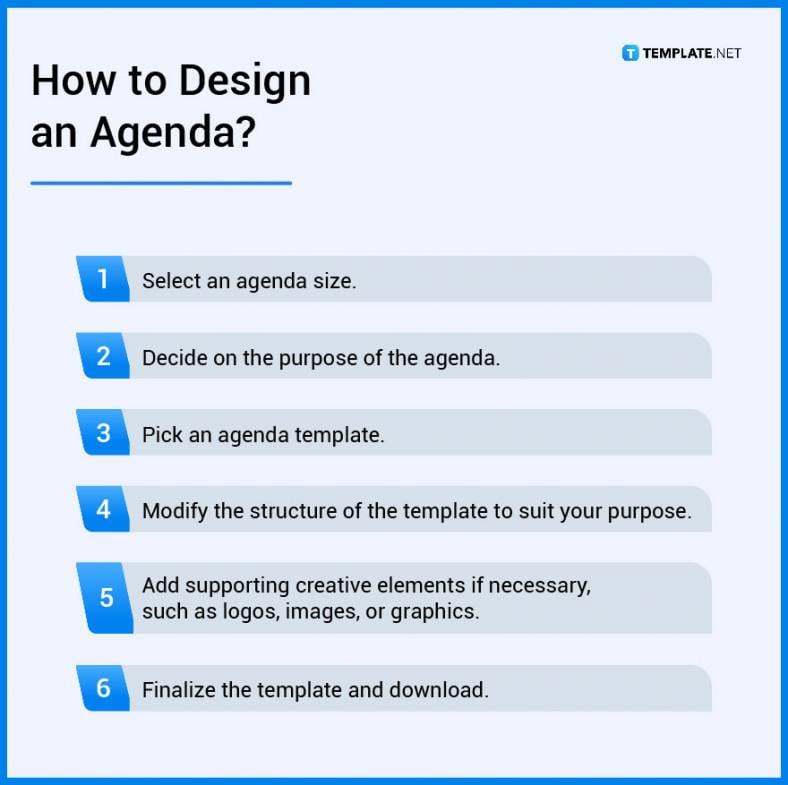
The Impact of Agenda Software on Digital Security and Privacy
As agendas move from paper to the cloud, they become repositories for sensitive corporate data. A professional’s agenda contains information about confidential product launches, private legal meetings, and personal habits. Therefore, the “Tech” behind these tools must prioritize high-level security protocols.
End-to-End Encryption in Scheduling
Security-conscious tech firms are increasingly adopting agenda tools that offer end-to-end encryption (E2EE). This ensures that the service provider cannot access the details of the meetings or the attachments shared within the calendar invites. For sectors like cybersecurity, healthcare, and finance, the “agenda” is a potential vulnerability point that requires SOC2 compliance and rigorous data-at-rest encryption standards.
Data Sovereignty and Third-Party Integrations
The modern digital agenda is often a hub for dozens of third-party integrations (Zoom, Slack, Salesforce, etc.). From a technical standpoint, managing “OAuth” permissions—which control what data these apps can see—is a critical part of using agenda software. Users must understand how their data flows between the agenda and integrated apps to prevent data leaks. Modern agenda platforms now include granular permission settings, allowing users to share their “busy/free” status without revealing the specific titles or locations of their appointments.
Choosing the Right Agenda Tool for Your Tech Stack
With a plethora of options available, selecting an agenda tool requires an understanding of how it fits into your broader technological ecosystem. The choice often comes down to the balance between a “bundled” experience and a “best-of-breed” specialized tool.
Comparing Ecosystems: Google, Microsoft, and Specialized Startups
For most enterprises, the agenda is dictated by the primary ecosystem: Google Workspace or Microsoft 365. These platforms offer seamless integration but can sometimes lack the advanced UI/UX features of specialized startups. On the other hand, “boutique” agenda apps like Cron (now Notion Calendar) or Akiflow offer superior keyboard shortcuts, “command bar” interfaces, and multi-account consolidation for power users who manage multiple professional and personal identities. These tools are designed for “digital natives” who prioritize speed and a “heads-up display” (HUD) approach to their workday.
Future Trends: The Role of Generative AI in Agenda Management
The future of agendas lies in Generative AI and Natural Language Processing (NLP). We are moving toward a reality where a user can tell their device, “I need to prepare a report for the board by Friday, find me four hours this week,” and the agenda software will analyze the user’s habits, identify when they are most productive, and negotiate with other participants’ AI agents to clear the necessary time.
Furthermore, we are seeing the rise of “Context-Aware Agendas.” These systems use location data and device usage patterns to suggest the best time for certain types of work. If the software detects you are at a coffee shop, it might suggest “light admin” tasks from your agenda; if you are in your home office with “Do Not Disturb” active, it will protect that block for “deep work.”
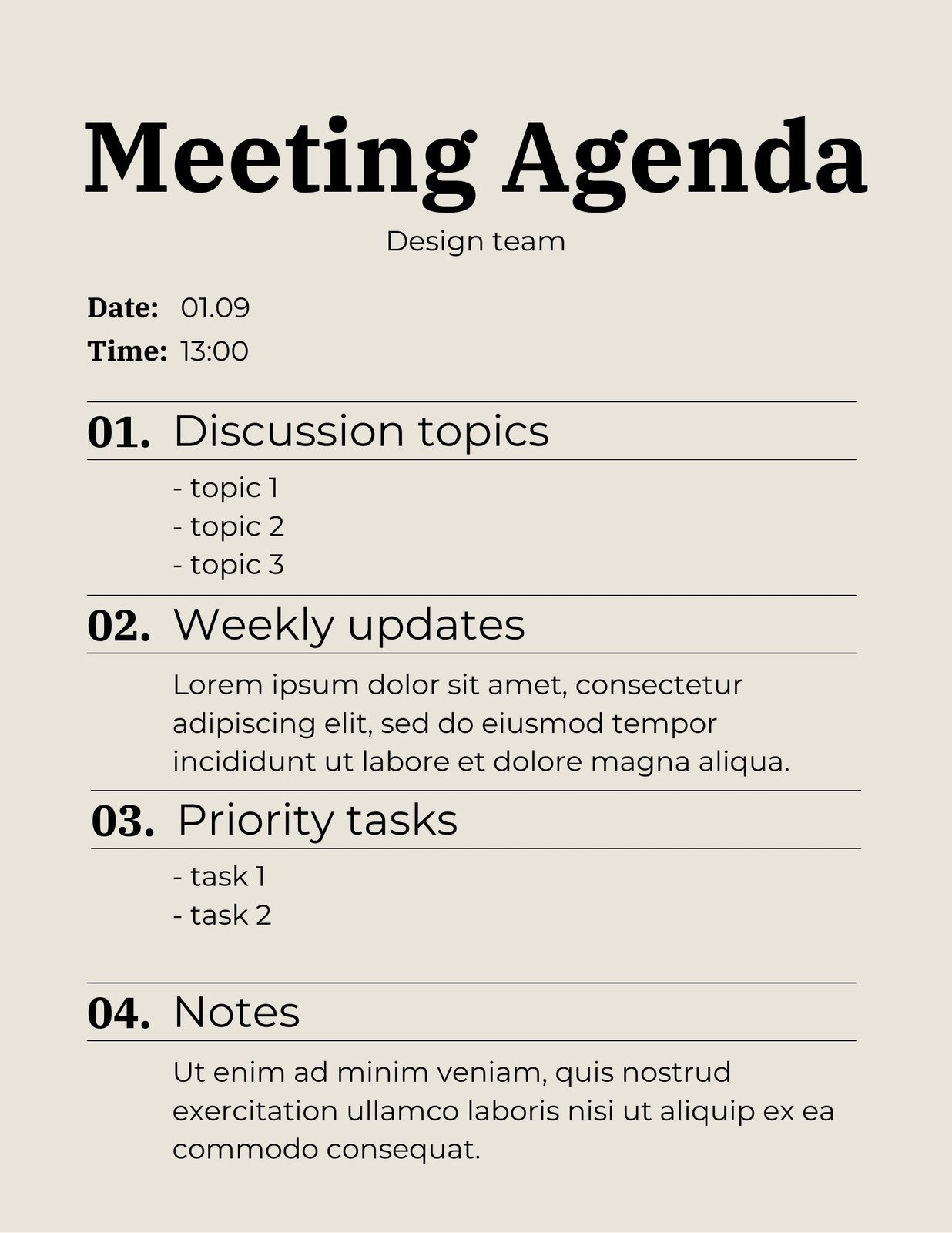
Conclusion: The Agenda as a Productivity Operating System
In conclusion, “Agendas” in the tech world are no longer passive lists—they are the operating systems of our professional lives. From the basic synchronization of cloud calendars to the complex algorithmic scheduling of AI-driven platforms, the technology behind agendas is focused on reducing “cognitive load.” By automating the “when” and the “where,” these tools allow professionals to focus entirely on the “what” and the “how.”
As we look forward, the integration of digital security, AI optimization, and cross-platform interoperability will continue to refine what an agenda is. For the modern tech enthusiast or professional, mastering these tools is not just about staying organized; it is about leveraging a sophisticated tech stack to maximize human potential in an increasingly distracted world. Whether you are using a standard enterprise tool or a cutting-edge AI scheduler, your agenda is the most important interface you interact with every day.
aViewFromTheCave is a participant in the Amazon Services LLC Associates Program, an affiliate advertising program designed to provide a means for sites to earn advertising fees by advertising and linking to Amazon.com. Amazon, the Amazon logo, AmazonSupply, and the AmazonSupply logo are trademarks of Amazon.com, Inc. or its affiliates. As an Amazon Associate we earn affiliate commissions from qualifying purchases.