
The term “aged beef” conjures images of rich, marbled cuts, intensely flavorful and melt-in-your-mouth tender. While its culinary appeal is undeniable, from a business and financial standpoint, understanding aged beef unlocks a deeper appreciation for value creation, premium market segmentation, and sophisticated supply chain management. This article delves into the financial underpinnings of aged beef, exploring how a meticulous process translates into significant economic value and impacts the business landscape of the food industry.
The Economics of Transformation: From Raw Product to Premium Asset
Aging beef is not merely a culinary technique; it’s a deliberate process of value enhancement. This transformation represents a significant investment of time and resources, a core principle in business finance where time and careful handling can exponentially increase the worth of an asset.

The Investment of Time and Storage
At its most fundamental level, aging beef is an investment in time. Unlike perishable goods that must be moved quickly, aged beef requires controlled storage for extended periods. This holding cost is a critical financial consideration.
- Inventory Carrying Costs: Businesses that age beef must account for the costs associated with storing inventory. This includes the expense of refrigerated warehousing, which is more energy-intensive and thus more costly than standard storage. Factors like rent, utilities, and specialized climate control systems contribute to these carrying costs. The longer the aging period, the higher these costs become.
- Opportunity Cost: While the beef is aging, the capital is tied up. This represents an opportunity cost – the potential returns that could have been generated if that capital were invested elsewhere. Businesses must weigh the expected profit from aged beef against these alternative investment opportunities.
- Risk Mitigation: The aging process itself carries inherent risks. Spoilage, improper temperature control, or contamination can lead to complete loss of the investment. Robust quality control and risk management protocols are essential to safeguard the invested capital. This often involves investing in advanced monitoring technology and highly trained personnel.
Value Addition Through Microbial and Enzymatic Activity
The magic of aging beef lies in the biochemical changes that occur. Enzymes naturally present in the muscle break down connective tissues and proteins, leading to increased tenderness and a more complex flavor profile. While this is a biological process, it is the management of this process that creates financial value.
- Premium Pricing Justification: The enhanced flavor and texture of aged beef command a premium price in the market. This price differential is not arbitrary; it directly reflects the increased costs incurred during the aging process and the added value perceived by the consumer. Businesses can leverage this premium to achieve higher profit margins compared to non-aged beef.
- Market Segmentation and Brand Building: Aging beef allows businesses to target a specific market segment – consumers willing to pay more for a superior product. This facilitates sophisticated branding and marketing efforts focused on quality, craftsmanship, and exclusivity. The financial success of a premium product hinges on its ability to capture this niche market.
- ROI Calculation: The decision to invest in aging infrastructure and processes is driven by a projected Return on Investment (ROI). Businesses analyze the expected revenue from premium sales against the total costs of aging (raw materials, labor, storage, marketing) to determine the profitability and viability of this venture.
Supply Chain Sophistication and Financial Management
The journey of aged beef from farm to fork is a testament to meticulous supply chain management, where every step is critical for financial success and maintaining product integrity.
Sourcing and Quality Control: The Foundation of Value
The quality of the raw material is paramount. Investing in high-grade beef carcasses at the outset is crucial, as this directly impacts the potential for successful aging and the ultimate market value.
- Upstream Investment: Businesses may invest in partnerships with select ranches that adhere to strict feeding and breeding standards. This upstream investment ensures a consistent supply of high-quality beef suitable for aging, minimizing the risk of producing an inferior product. The cost of premium sourcing is offset by the higher potential selling price.
- Traceability and Verification: Modern consumers, especially those willing to pay a premium, demand transparency. Implementing robust traceability systems, often digitally enabled, allows businesses to track the origin, breed, and handling of the beef. This adds to the perceived value and allows for premium pricing, but also incurs costs in technology and data management.
- Quality Assurance Benchmarks: Establishing clear quality assurance benchmarks at each stage of the supply chain is vital. This involves rigorous inspection of carcasses, precise temperature and humidity monitoring during aging, and expert evaluation of the final product. Investment in skilled butchers and quality control personnel is essential.
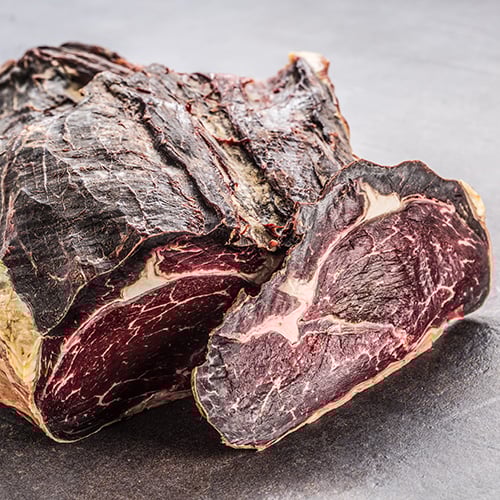
Aging Methodologies: Financial Implications of Dry vs. Wet Aging
The two primary methods of aging beef – dry aging and wet aging – have distinct financial implications, influencing cost structures, product characteristics, and market positioning.
-
Dry Aging: The High-Cost, High-Reward Model:
- Increased Costs: Dry aging involves exposing cuts of beef to controlled air circulation at specific temperatures and humidity levels for weeks or even months. This process leads to significant moisture loss (up to 20-30%), reducing the overall yield. The specialized, often custom-built, aging rooms are expensive to construct and maintain. Energy consumption for consistent climate control is substantial.
- Maximized Value: The significant trim loss, where the outer layer is removed to expose the perfectly aged meat, means that a larger proportion of the initial investment is concentrated in a smaller, more intensely flavored final product. This intensifies the premium pricing potential, justifying the higher operational costs. The longer the dry-aging period, the more pronounced the flavor and tenderness, and thus the higher the price.
- Market Niche: Dry-aged beef is typically positioned at the very top of the market, appealing to discerning gourmands and fine-dining establishments. This niche allows for considerable profit margins, but requires a strong brand narrative and consistent execution.
-
Wet Aging: The More Accessible Approach:
- Reduced Costs: Wet aging involves vacuum-sealing cuts of beef and allowing them to age in their own juices within refrigerated conditions. This method minimizes moisture loss, leading to higher yields and lower storage costs compared to dry aging. The infrastructure required is less specialized, often utilizing standard refrigeration.
- Moderate Value Addition: While wet-aged beef offers enhanced tenderness and a slightly more developed flavor than fresh beef, the transformation is less dramatic than with dry aging. Consequently, the premium pricing is more moderate.
- Broader Market Appeal: Wet-aged beef can appeal to a wider consumer base, bridging the gap between standard cuts and the ultra-premium dry-aged offerings. This allows businesses to achieve better profitability than with non-aged beef without incurring the extreme costs of dry aging.
The Financial Narrative of Aged Beef: Marketing, Branding, and Profitability
The success of aged beef in the market is intrinsically linked to how its unique value proposition is communicated and perceived, directly impacting sales and profitability.
Crafting a Premium Brand Story
The story behind aged beef is a crucial marketing asset. This narrative helps justify the premium price and builds consumer loyalty.
- Highlighting Craftsmanship and Expertise: Marketing efforts often focus on the skill and dedication of the butchers, the controlled environment, and the meticulous process. This “craftsmanship” narrative elevates the product beyond mere food to an artisanal creation. The investment in skilled labor is then framed as a value-adding component.
- Educating the Consumer: Businesses need to educate consumers about the benefits of aging – the increased tenderness, the complex flavors, and the science behind it. This investment in consumer education builds demand and strengthens the perceived value of the product, justifying the higher price point.
- Visual Storytelling: High-quality photography and videography showcasing the aging process, the marbled cuts, and the final cooked product are essential. These visual elements contribute to the premium perception and drive desire, translating into sales. Investment in professional marketing materials is therefore a strategic financial decision.
Pricing Strategies and Profit Margin Analysis
Determining the optimal pricing for aged beef is a complex financial decision that balances costs, market demand, and perceived value.
- Cost-Plus Pricing with Value Premium: While costs are a foundational element, the pricing of aged beef is heavily influenced by value-based pricing. Businesses calculate their total costs (sourcing, aging, labor, marketing) and then add a significant premium to reflect the enhanced quality, rarity, and desirability of the product.
- Competitive Analysis: Understanding how competitors price their aged beef is crucial for positioning and market share. However, the unique aging methods and quality of a business can allow for differentiation and premium pricing that exceeds competitive benchmarks.
- Profitability Metrics: Businesses closely monitor key profitability metrics such as gross profit margin, net profit margin, and ROI specifically for their aged beef products. This data informs decisions about product development, marketing spend, and overall business strategy. The investment in accurate financial tracking and analysis is paramount.

The Future of Aged Beef: Emerging Trends and Financial Opportunities
The market for aged beef continues to evolve, presenting new financial opportunities and challenges.
- Technological Advancements: Innovations in refrigeration technology, humidity control, and even digital monitoring systems are making aging more efficient and consistent, potentially lowering costs and improving yields. Investment in these technologies can lead to greater profitability.
- Subscription Models and Direct-to-Consumer (DTC): The rise of DTC e-commerce and subscription boxes presents new avenues for selling aged beef directly to consumers, bypassing traditional retail markups and capturing a larger share of the profit. This requires investment in online platforms and logistics.
- Sustainability and Ethical Sourcing: As consumers become more aware of environmental and ethical concerns, businesses that can demonstrate sustainable sourcing and ethical treatment of animals will command a premium and build stronger brand loyalty. Investment in these areas is becoming a crucial financial differentiator.
In conclusion, understanding aged beef from a financial perspective reveals a sophisticated business model built on transforming a raw commodity into a premium, high-value asset. It necessitates significant investment in time, controlled environments, and expert craftsmanship, all of which are strategically managed to justify premium pricing and capture a discerning market. The economic narrative of aged beef is one of calculated risk, meticulous execution, and the art of adding tangible value through a process that is as much about finance and business acumen as it is about culinary excellence.
aViewFromTheCave is a participant in the Amazon Services LLC Associates Program, an affiliate advertising program designed to provide a means for sites to earn advertising fees by advertising and linking to Amazon.com. Amazon, the Amazon logo, AmazonSupply, and the AmazonSupply logo are trademarks of Amazon.com, Inc. or its affiliates. As an Amazon Associate we earn affiliate commissions from qualifying purchases.