
In the landscape of personal finance, managing risk is just as critical as growing wealth. While most individuals understand the necessity of primary health insurance, a significant gap often remains between what a standard policy covers and the actual financial burden of a medical crisis. This is where Aflac, or the American Family Life Assurance Company, enters the equation. Aflac is not a health insurance provider in the traditional sense; rather, it is the world’s leading provider of supplemental insurance.
To understand what Aflac is from a financial perspective, one must look beyond the ubiquitous marketing and focus on its role as a liquidity tool and a hedge against the rising costs of out-of-pocket medical expenses. In an era where high-deductible health plans (HDHPs) have become the corporate standard, supplemental insurance has transitioned from an optional perk to a foundational component of a robust financial safety net.
The Mechanics of Supplemental Insurance: How Aflac Differs from Major Medical
The primary confusion surrounding Aflac often stems from a misunderstanding of how the insurance industry is structured. Most people are accustomed to “Major Medical” insurance—the kind provided by Blue Cross Blue Shield, UnitedHealthcare, or Aetna. These policies are designed to pay the service providers: the doctors, hospitals, and pharmacies. Supplemental insurance operates on a fundamentally different logic.
Bridging the Gap in Healthcare Coverage
Standard health insurance is designed to cover the cost of care, but it rarely covers the cost of living during a recovery. When a policyholder is diagnosed with a serious illness or suffers an injury, they face a two-pronged financial assault. First, there are the direct medical costs not covered by their primary plan, such as high deductibles, co-insurance, and out-of-network fees. Second, there are the indirect costs: mortgage payments, utility bills, groceries, and childcare—all of which must be paid even if the individual is unable to work.
Aflac serves as a financial bridge. It is designed to mitigate the “gap” that exists in traditional coverage. Instead of coordinating with a hospital to settle a bill, Aflac provides cash directly to the policyholder. This distinction is vital for financial planning because it transforms a medical policy into a flexible asset that can be used at the policyholder’s discretion.
The “Paid to You” Advantage
The defining characteristic of Aflac’s model is the direct-to-consumer payout. When a claim is filed and approved, the funds are deposited into the policyholder’s account, not the healthcare provider’s. This provides a level of financial autonomy that traditional insurance cannot match.
From a cash-flow management perspective, this is revolutionary. If an individual breaks their leg and is out of work for six weeks, they might have a $5,000 deductible on their primary health insurance. Aflac’s accident policy might pay out a set amount for the ER visit, the X-rays, and the follow-up physical therapy. The policyholder can then choose to use that money to pay their deductible, or they can use it to cover their rent while their income is interrupted. This flexibility makes supplemental insurance a versatile tool for maintaining household solvency during periods of physical and financial vulnerability.
The Personal Finance Role of Aflac: Protecting Your Income and Assets
When building a comprehensive financial plan, the goal is often to protect one’s “human capital”—the ability to earn an income. For most people, their paycheck is their most valuable asset. Aflac functions as a safeguard for that asset, ensuring that a medical event does not trigger a cascading failure of one’s broader financial goals.
Mitigation of Out-of-Pocket Expenses
The rise of High Deductible Health Plans (HDHPs) has shifted the financial burden of healthcare significantly onto the consumer. It is not uncommon for a family plan to have a $10,000 or $12,000 out-of-pocket maximum. For a household living paycheck to paycheck, or even for a middle-class family with a modest emergency fund, a single major surgery can wipe out years of savings.
By integrating Aflac into a personal finance strategy, individuals can effectively “pre-fund” their deductible. The monthly premiums paid for a supplemental policy act as a managed expense that prevents a sudden, catastrophic hit to the balance sheet. In this sense, Aflac is a form of asset protection. It prevents you from having to liquidate investments, sell property, or take on high-interest credit card debt to cover medical exigencies.
Preserving Emergency Funds and Retirement Savings
Financial advisors typically recommend an emergency fund of three to six months of living expenses. However, medical debt remains the leading cause of bankruptcy in the United States. Even a well-funded emergency account can be depleted rapidly by a chronic illness or a major accident.
Aflac allows individuals to preserve their liquidity. By receiving cash payments for specific medical events, policyholders can keep their emergency funds intact for other purposes, such as home repairs or unexpected job loss. Furthermore, it protects retirement accounts. Without supplemental coverage, many individuals are forced to take early withdrawals from 401(k)s or IRAs to pay for cancer treatments or long-term recovery, incurring not only the loss of principal and future growth but also heavy tax penalties. Aflac acts as a defensive perimeter around these long-term wealth-building vehicles.

Core Product Offerings: Tailoring Protection to Your Life Stage
Aflac offers a suite of products, each designed to address specific financial risks. Understanding which of these products aligns with one’s life stage and risk profile is a key aspect of sophisticated financial management.
Accident Insurance: High-Activity Households
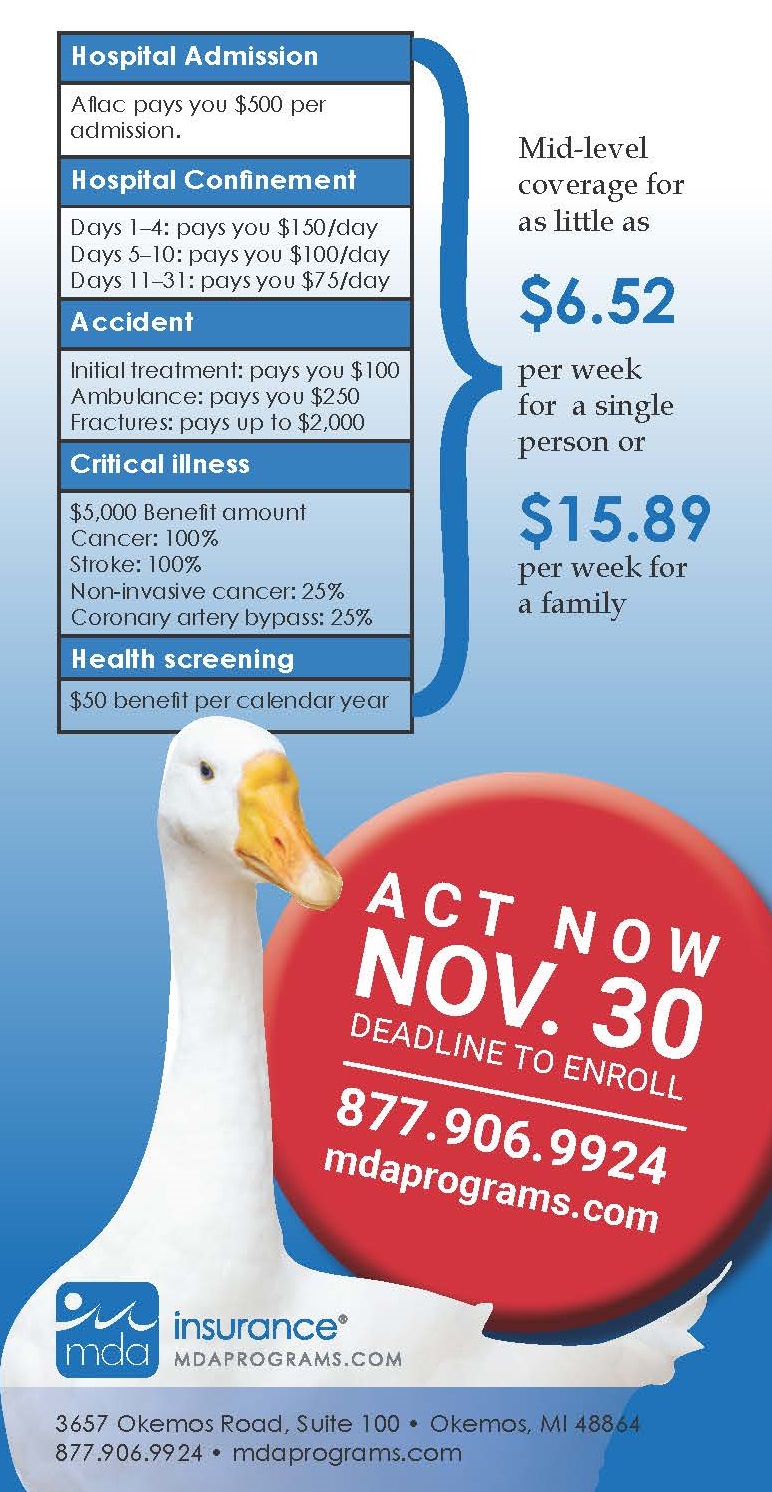
Accident insurance is perhaps the most common Aflac product. It provides defined benefits for a wide range of injuries, from concussions and lacerations to broken bones and burns. For families with active children or individuals in physically demanding jobs, the statistical likelihood of an accidental injury is high. From a financial standpoint, these policies are low-cost hedges against the frequent, smaller-scale disruptions that can nick away at a monthly budget.
Cancer and Critical Illness Insurance: The Ultimate Financial Buffer
While an accident might be a temporary setback, a diagnosis of cancer, a heart attack, or a stroke is a life-altering event with massive financial implications. Critical illness insurance provides a lump-sum payment upon diagnosis. This is particularly valuable because the costs associated with these illnesses go far beyond the hospital walls. Travel for specialized treatment, experimental medications not covered by insurance, and the need for home modifications or private nursing care can reach into the tens of thousands of dollars. Having a tax-free cash infusion at the moment of diagnosis allows the family to focus on recovery rather than financial survival.
Hospital Indemnity and Short-Term Disability
Hospital indemnity insurance pays a set amount for each day a policyholder is confined to a hospital, helping to offset the high “per-day” costs of inpatient care. Short-term disability, however, is arguably the most critical “Money” tool in Aflac’s arsenal. It replaces a percentage of the policyholder’s income if they are unable to work due to a covered sickness or off-the-job injury. In the world of personal finance, disability insurance is often called “the insurance for your lifestyle,” because it ensures that your standard of living does not collapse when your ability to trade time for money is suspended.
Assessing the Value Proposition: Is Supplemental Insurance Right for Your Portfolio?
Deciding whether to incorporate Aflac into a financial plan requires a calculated look at one’s current insurance coverage, savings, and risk tolerance. It is not a one-size-fits-all solution, but for many, the math is compelling.
Cost-Benefit Analysis: Premiums vs. Potential Payouts
When evaluating Aflac, one must weigh the cost of premiums against the “Value of Certainty.” For a relatively low monthly cost—often less than a premium streaming service subscription—a policyholder gains access to thousands of dollars in potential benefits. In a financial model, this is a “low-probability, high-impact” hedge. While you hope never to use the policy, the ROI on a single major claim can equal decades of premium payments.
For individuals with low cash reserves, Aflac is essentially a debt-prevention tool. For high-net-worth individuals, it is a way to maintain capital efficiency by ensuring that medical costs are covered by an external source rather than personal capital.
Integrating Aflac with High Deductible Health Plans (HDHPs)
The most strategic use of Aflac in modern finance is as a companion to an HDHP paired with a Health Savings Account (HSA). In this “triple-threat” strategy, the HDHP provides the required catastrophic coverage, the HSA allows for tax-advantaged savings for routine medical costs, and Aflac provides the immediate cash flow needed to cover the high deductible if a major event occurs. This combination allows an individual to minimize their monthly fixed costs (as HDHP premiums are lower) while maintaining a high level of protection.

Strategic Implementation: Navigating Claims and Maximizing Benefits
To get the most value out of Aflac as a financial tool, policyholders must understand the administrative side of the product. Aflac has invested heavily in technology to streamline the claims process, notably through its “One-Day Pay” initiative.
For the financially savvy, the speed of payment is a critical factor. In a world where credit card billing cycles move fast, receiving a claim payout within 24 hours can mean the difference between paying a medical bill on time and incurring interest charges or credit score damage. Maximizing the benefits requires a proactive approach: ensuring that every doctor’s visit, every diagnostic test, and every follow-up appointment related to a covered event is documented and submitted.
Ultimately, Aflac represents a shift in how we think about health-related financial risk. It moves the conversation from “How will I pay the doctor?” to “How will I protect my family’s financial future?” By providing liquidity in times of crisis, it allows for a more resilient, stable, and predictable financial life. Whether you are a young professional just starting your career or a seasoned investor looking to shield your assets, understanding the role of supplemental insurance is a vital step in mastering the “Money” side of your personal health journey.
aViewFromTheCave is a participant in the Amazon Services LLC Associates Program, an affiliate advertising program designed to provide a means for sites to earn advertising fees by advertising and linking to Amazon.com. Amazon, the Amazon logo, AmazonSupply, and the AmazonSupply logo are trademarks of Amazon.com, Inc. or its affiliates. As an Amazon Associate we earn affiliate commissions from qualifying purchases.