
The modern stock market is a complex ecosystem, continuously shaped by a confluence of macroeconomic indicators, geopolitical currents, and shifts in investor psychology. For both the casual retail investor and the seasoned institutional participant, understanding what drives daily volatility is essential. Today’s market environment is particularly characterized by its sensitivity to interest rate policy, labor market health, and the rapid integration of artificial intelligence into corporate earnings potential. When analyzing why the ticker symbols are moving in a specific direction, it is vital to look beyond the surface-level price action and examine the underlying drivers.
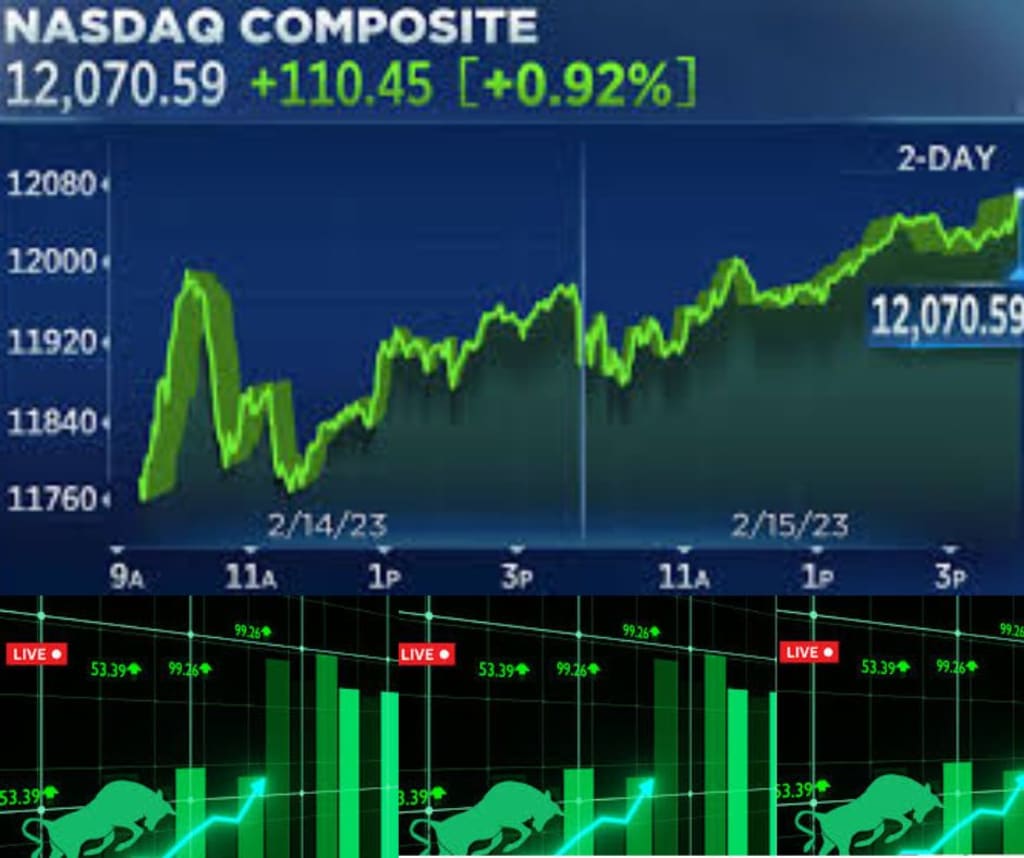
The Influence of Macroeconomic Indicators on Market Sentiment
Macroeconomics serves as the heartbeat of the stock market. At the center of this dynamic is the relationship between central bank policy—specifically the Federal Reserve’s interest rate decisions—and corporate profitability.
Interest Rates and Valuations
Interest rates function as the gravity of the financial world. When rates are high, the cost of borrowing increases for businesses, which compresses profit margins and increases the discount rate used in discounted cash flow models. This leads to lower present-day valuations, particularly for growth-oriented stocks. Conversely, when the market perceives a shift toward dovish monetary policy, investors tend to rotate capital back into riskier assets. Today, the market is perpetually scanning the rhetoric of central bankers, searching for clues regarding the timing of rate pivots. Even the slightest hint of “higher for longer” or a surprise inflation print can trigger immediate sell-offs across major indices.
Inflationary Pressures and Consumer Spending
Inflation remains the primary variable in the cost-of-living equation. While consumer spending accounts for roughly two-thirds of the U.S. economy, sustained inflation erodes purchasing power. When the Consumer Price Index (CPI) comes in higher than expected, the market often reacts negatively, anticipating that the Federal Reserve will maintain tighter liquidity to cool down the economy. Investors today are closely watching the “sticky” components of inflation, such as shelter costs and services, to determine if the economy is heading toward a soft landing or a period of prolonged stagflation.
The Role of Corporate Earnings and Guidance
While macro factors set the stage, individual corporate performance provides the script. Earnings season is the most critical time for stock selection, as it separates companies that can thrive in a high-cost environment from those that are struggling to maintain margins.
Dissecting Revenue and Margin Compression
It is not enough for a company to simply beat earnings estimates. In today’s market, the “quality” of earnings is under intense scrutiny. Investors are looking for organic revenue growth rather than growth fueled solely by cost-cutting measures or share buybacks. If a company reports strong earnings but provides weak guidance for the upcoming quarter, the stock often suffers. This is because the market is a forward-looking mechanism; current performance is considered “priced in,” and expectations for future growth dictate the share price movement.
The Impact of AI-Driven Capital Expenditure
The massive influx of capital into artificial intelligence infrastructure has created a bifurcated market. Companies providing the “picks and shovels”—such as semiconductor manufacturers and cloud infrastructure providers—have seen explosive growth. However, this has led to questions regarding the return on investment for companies integrating these tools. Today, the market is actively debating whether the high capital expenditure (CapEx) on AI will eventually lead to significant productivity gains or if it represents an overextension of corporate budgets. Stocks are moving based on how clearly management teams can articulate the bridge between current massive AI spending and future profitability.
Geopolitical Instability and Global Supply Chains
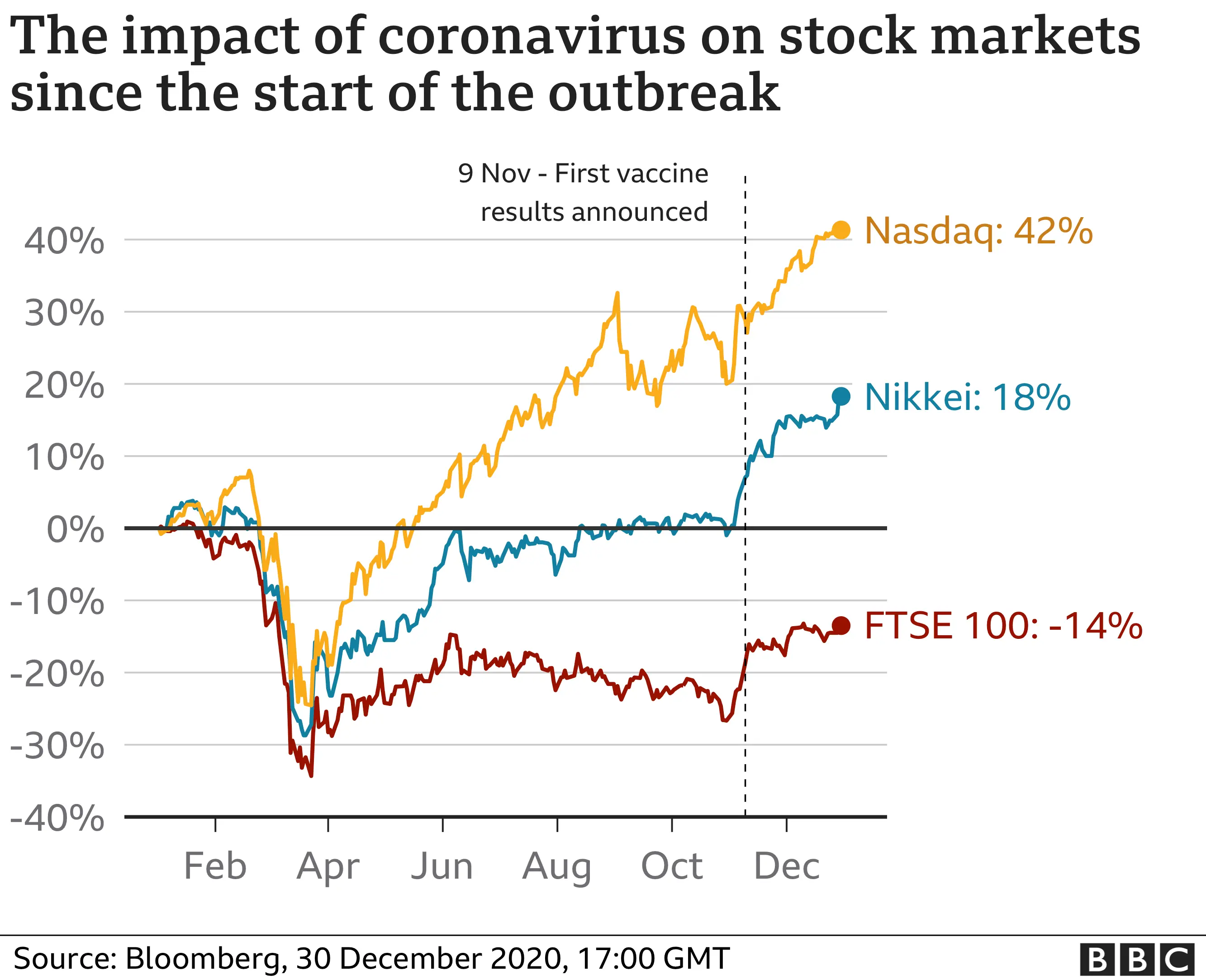
The globalized nature of modern business means that a conflict or a policy shift in one corner of the world can create ripples that hit the New York Stock Exchange within seconds.
Supply Chain Resilience and Energy Prices
Energy prices are the most immediate transmission mechanism for geopolitical risk. Conflict in major oil-producing regions often leads to an instantaneous spike in energy costs, which serves as a tax on the global consumer. Since energy is a fundamental input for transportation and manufacturing, higher oil prices feed directly into inflation. Today’s market watches geopolitical tensions not just for the humanitarian cost, but for their potential to disrupt the global supply chain, force central banks to remain hawkish, and cause volatility in the commodity markets that support equity valuations.
Trade Policy and Global Alliances
Trade wars, tariffs, and regulatory shifts in major economies like China and the European Union create significant uncertainty. Markets abhor uncertainty. When trade policies become protectionist, companies with high international exposure often see their stock prices fluctuate as investors attempt to price in the risk of reduced market access or increased operating costs abroad. Today, the diversification of supply chains—often referred to as “near-shoring” or “friend-shoring”—is a theme that analysts monitor closely to assess the long-term health of multinational corporations.
Investor Psychology and the Role of Algorithmic Trading
Understanding the mechanics of the market also requires an acknowledgment of who—or what—is doing the buying and selling.
The Rise of Systematic and Algorithmic Trading
A significant portion of today’s daily volume is driven by high-frequency trading (HFT) algorithms and systematic models. These systems are designed to react to data points in milliseconds, often exacerbating volatility. When a piece of breaking news hits the wires, algorithmic traders can initiate a cascade of sell or buy orders before human traders have even processed the headline. This contributes to the “whipsaw” effect often seen during early morning trading sessions, where the market can swing between positive and negative territory based on automated interpretations of news sentiment.
Retail Sentiment and Social Media Influence
Retail investors play a more prominent role today than in previous decades. Through commission-free trading platforms and the rapid dissemination of information on social media, retail sentiment can influence short-term price action, especially in highly shorted stocks or those caught in “meme” cycles. While institutional investors generally focus on long-term fundamentals, the collective behavior of the retail crowd can create pockets of irrational exuberance or panic. Understanding the “vibe” of the market—whether it is one of greed or fear—is a crucial component of modern technical analysis.

Navigating the Volatility
The factors affecting the stock market today are multifaceted and interconnected. To navigate this landscape, investors must maintain a disciplined approach to asset allocation and risk management.
While interest rates, inflation, and corporate earnings provide the structural pillars of the market, the daily fluctuations are often the result of sentiment and reaction to geopolitical noise. The key to long-term success is not to try and outmaneuver the daily algorithmic swings, but rather to ensure that a portfolio is positioned to withstand macroeconomic shifts while capitalizing on the long-term growth of quality businesses.
By keeping a close eye on the Federal Reserve’s stance, assessing the sustainability of corporate earnings, and staying informed about global shifts, investors can better understand why the market is behaving the way it is on any given day. Ultimately, the stock market remains a reflection of human expectations about the future. When those expectations change, the prices follow. Mastering the ability to distinguish between transient noise and fundamental shifts is what separates those who simply participate in the market from those who thrive within it.
aViewFromTheCave is a participant in the Amazon Services LLC Associates Program, an affiliate advertising program designed to provide a means for sites to earn advertising fees by advertising and linking to Amazon.com. Amazon, the Amazon logo, AmazonSupply, and the AmazonSupply logo are trademarks of Amazon.com, Inc. or its affiliates. As an Amazon Associate we earn affiliate commissions from qualifying purchases.