
In the dynamic world of aviation, safety and efficiency are paramount. Technologies continually evolve to meet the ever-increasing demands of air travel, from managing crowded skies to ensuring pinpoint navigation. At the forefront of this evolution is Automatic Dependent Surveillance-Broadcast (ADS-B), a surveillance technology that is fundamentally changing how aircraft are tracked and how air traffic control operates. Specifically, ADS-B Out is the crucial component of this system, acting as an aircraft’s digital voice, continuously broadcasting its position and other vital data to air traffic controllers and other equipped aircraft. This innovation marks a significant departure from traditional radar-based surveillance, ushering in an era of more precise, real-time tracking, enhanced situational awareness, and ultimately, safer skies. Understanding ADS-B Out is essential for anyone involved in modern aviation, from pilots and air traffic controllers to aviation enthusiasts and policymakers, as it underpins the future of air traffic management globally.
The Fundamentals of ADS-B Technology
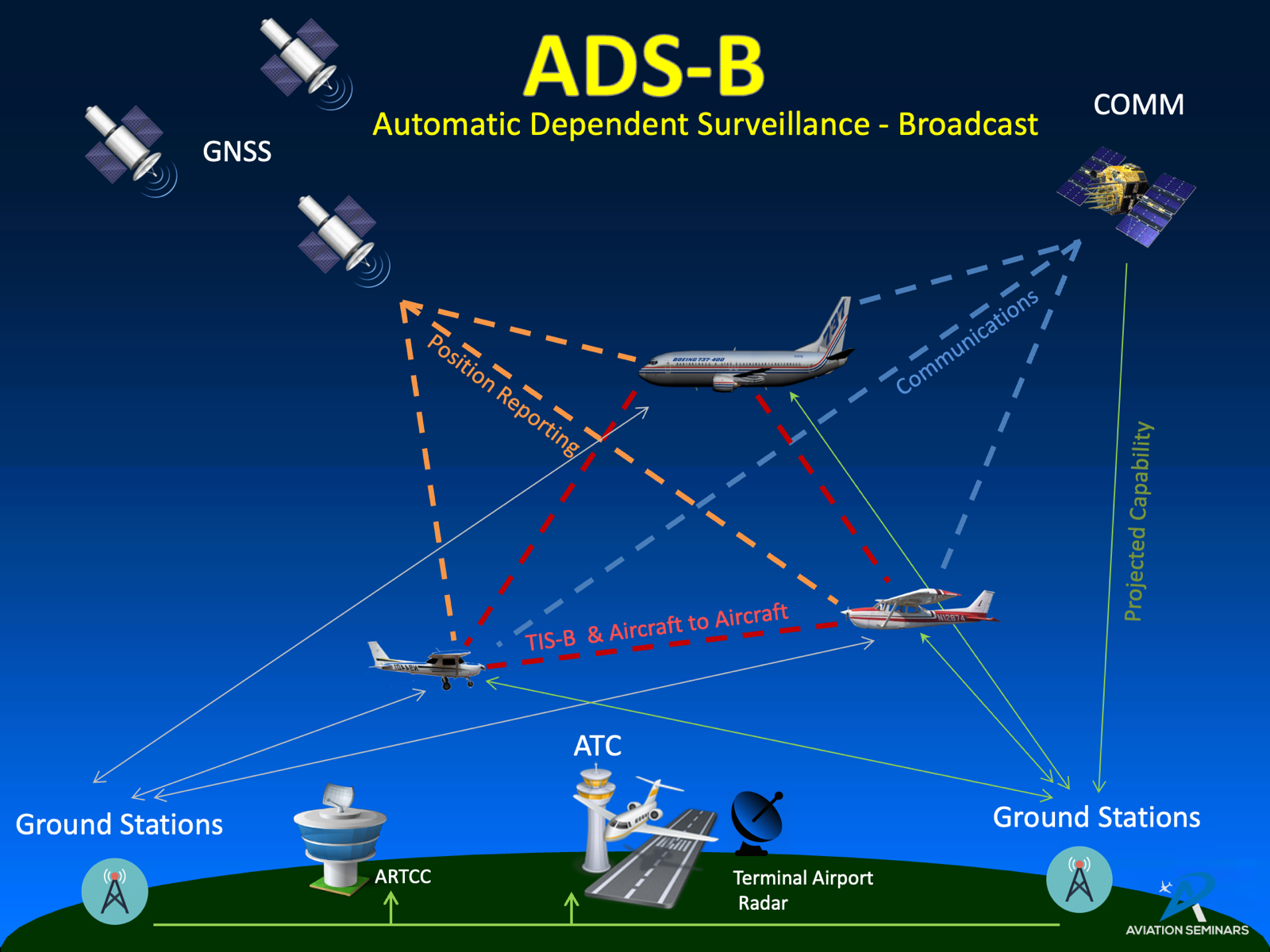
ADS-B represents a paradigm shift in air traffic surveillance, moving from ground-based radar systems to satellite-based technology. This change significantly improves the accuracy, coverage, and efficiency of aircraft tracking. At its core, ADS-B relies on precise positioning data, typically derived from Global Positioning System (GPS) satellites, to provide a detailed and continuously updated picture of an aircraft’s location.
A Shift from Radar to Broadcast
For decades, air traffic control primarily relied on secondary surveillance radar (SSR). SSR systems work by sending out a signal, which an aircraft’s transponder receives and then replies to with coded information, including its identification and altitude. While effective, radar has limitations: it requires line-of-sight, meaning coverage can be poor at low altitudes, over mountainous terrain, or far offshore. Furthermore, radar updates are intermittent, typically every few seconds, which can be insufficient in high-density airspace.
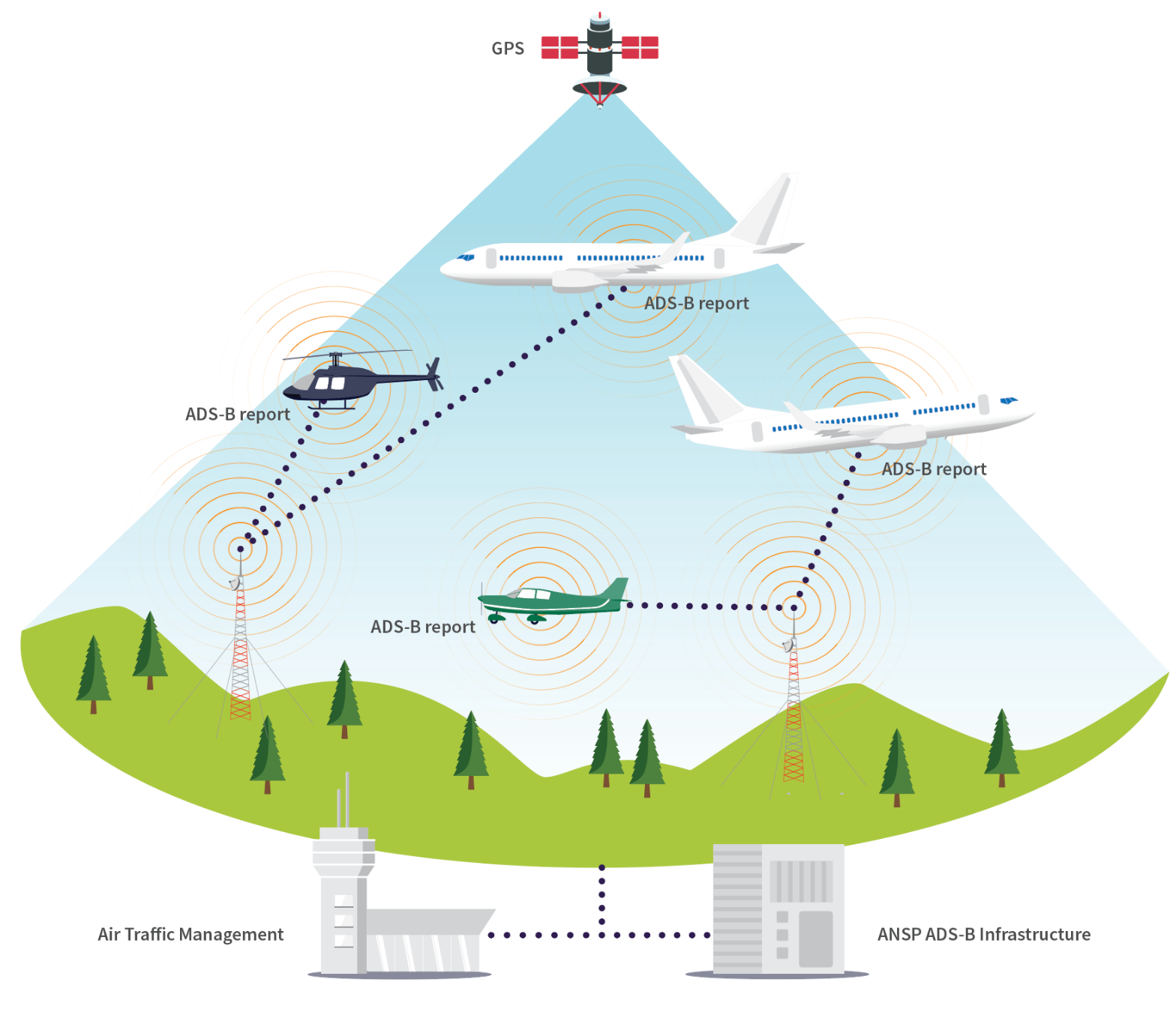
ADS-B, by contrast, is a broadcast system. Instead of waiting for a radar ping, aircraft equipped with ADS-B Out continuously broadcast their position, velocity, and other information directly to anyone with a compatible receiver. This active broadcasting provides a much more frequent and precise update rate, often several times per second, leading to a far more accurate representation of air traffic. This independence from ground-based radar infrastructure also means that ADS-B can provide surveillance in areas where radar coverage is impractical or impossible, significantly expanding surveillance capabilities.
Key Components: ADS-B Out and ADS-B In
The ADS-B system comprises two main components: ADS-B Out and ADS-B In. While the title specifically asks about “ADS-B Out,” it’s important to briefly understand both to grasp the complete picture.
-
ADS-B Out: This is the core component and the focus of this discussion. “Out” refers to the aircraft broadcasting its own data. An aircraft equipped with ADS-B Out sends out a continuous stream of digital messages containing its precise position (latitude, longitude, altitude), ground speed, magnetic heading, vertical climb/descent rate, aircraft identification, and flight number, among other parameters. This data is derived from a certified GPS receiver and an approved avionics system. The broadcast occurs on either 1090 MHz Extended Squitter (1090ES) or 978 MHz Universal Access Transceiver (978 UAT) frequencies, depending on the airspace and aircraft type. This information is received by ground stations (operated by air traffic control) and by other aircraft equipped with ADS-B In.
-
ADS-B In: This component allows aircraft to receive ADS-B Out transmissions from other aircraft and ground stations. Pilots with ADS-B In capabilities can see the real-time positions of surrounding aircraft on their cockpit displays, enhancing their situational awareness dramatically. ADS-B In also allows for the reception of Flight Information Service-Broadcast (FIS-B) data, which includes weather information, temporary flight restrictions (TFRs), and other aeronautical data, as well as Traffic Information Service-Broadcast (TIS-B) data, which relays radar-derived traffic information from ground stations.
How ADS-B Out Works
The operational mechanism of ADS-B Out is a sophisticated integration of several technologies. At its heart is a high-integrity GPS receiver that determines the aircraft’s exact position. This GPS data is then fed into an ADS-B transponder or a dedicated ADS-B unit, which processes the information along with other aircraft parameters (such as airspeed, heading, and pressure altitude from the aircraft’s flight management system and altimeters). This comprehensive data packet is then formatted into a standard message structure and broadcast wirelessly.
The broadcast is continuous, with messages sent multiple times per second. For aircraft operating at higher altitudes and internationally, the 1090ES standard is typically used, transmitting on the same 1090 MHz frequency as traditional Mode S transponders. For aircraft primarily operating in lower-altitude domestic airspace, especially general aviation aircraft, the 978 UAT system offers an alternative, often with the added benefit of receiving FIS-B and TIS-B services. The choice between 1090ES and 978 UAT depends on various factors, including the aircraft’s operational ceiling, its typical flight routes, and specific regulatory requirements. Regardless of the frequency, the core function remains the same: to provide an accurate, real-time, and continuous stream of an aircraft’s identity and trajectory to the surrounding airspace.
Why ADS-B Out is Crucial for Modern Aviation
The mandatory adoption of ADS-B Out in many parts of the world, including the United States and Europe, underscores its indispensable role in the evolution of air traffic management. Its benefits span across safety, efficiency, and environmental impact, making it a cornerstone of next-generation aviation systems.
Enhanced Situational Awareness and Safety
One of the most significant advantages of ADS-B Out is the dramatic improvement in situational awareness for both air traffic controllers and pilots. For controllers, ADS-B provides a more precise and frequent update of aircraft positions compared to radar, especially in areas with challenging terrain or offshore. This allows for closer spacing of aircraft without compromising safety, effectively increasing airspace capacity. The high refresh rate and accuracy help controllers identify potential conflicts sooner and manage traffic flows with greater confidence.
For pilots, particularly those with ADS-B In capability, the real-time display of surrounding air traffic directly in the cockpit is a game-changer. This “see and avoid” capability is augmented by an electronic display showing the position, altitude, and velocity of other ADS-B Out equipped aircraft. This significantly reduces the risk of mid-air collisions, especially in non-radar environments or during complex maneuvers near busy airports. Furthermore, the ability to receive TIS-B data (traffic information relayed from ground stations) ensures that even non-ADS-B equipped aircraft are visible to pilots, offering a comprehensive traffic picture.
Improved Air Traffic Management Efficiency
ADS-B Out is a core component of “NextGen” (Next Generation Air Transportation System in the U.S.) and “SESAR” (Single European Sky ATM Research) initiatives, which aim to modernize air traffic control systems globally. By providing continuous, precise aircraft location data, ADS-B enables air traffic controllers to manage flights more efficiently. This translates into several tangible benefits:
-
Reduced Delays: More accurate tracking allows for optimized routing and sequencing of aircraft, minimizing holding patterns and ground delays.
-
Direct Routing: Aircraft can fly more direct routes, saving fuel and time, rather than following circuitous routes dictated by radar coverage limitations.
-
Increased Airspace Capacity: With enhanced surveillance, controllers can safely manage a greater number of aircraft within a given airspace, alleviating congestion.
-
Better Search and Rescue: The constant broadcast of precise location data makes it easier to locate aircraft in distress, improving the effectiveness of search and rescue operations.
These efficiencies have a direct impact on operational costs for airlines and the overall environmental footprint of aviation through reduced fuel consumption and emissions.
Mandates and Global Adoption
The recognition of ADS-B Out’s benefits has led to widespread mandates for its implementation. The Federal Aviation Administration (FAA) in the United States, for example, required all aircraft operating in most controlled airspace to be equipped with ADS-B Out by January 1, 2020. Similarly, the European Union Aviation Safety Agency (EASA) mandated ADS-B Out for aircraft operating under Instrument Flight Rules (IFR) in European airspace. Other countries and regions, including Australia, Canada, and parts of Asia, have also implemented or are in the process of implementing similar mandates.
These mandates are crucial for achieving the full benefits of ADS-B. For the system to be truly effective in enhancing safety and efficiency, a high penetration rate of equipped aircraft is necessary. As more aircraft comply, the “common operating picture” becomes more complete and reliable for both ground controllers and airborne pilots, facilitating a seamless transition to a modern, satellite-based surveillance environment.
Technical Specifications and Implementation Considerations

Implementing ADS-B Out involves adherence to specific technical specifications and careful consideration of how the system integrates with existing aircraft avionics. Compliance ensures that all aircraft broadcasts are uniform and interoperable, a critical factor for global air traffic management.
Equipment Requirements for ADS-B Out
For an aircraft to be ADS-B Out compliant, it needs specific hardware and software. The primary components are:
-
Certified GPS Position Source: This is perhaps the most critical component. It must be an FAA-approved (or equivalent international agency approved) GPS receiver that meets specific performance standards for accuracy, integrity, and availability. This ensures the position data broadcast is highly reliable.
-
ADS-B Transponder/Transceiver: This unit receives the GPS data and other aircraft parameters, formats them into ADS-B messages, and broadcasts them. Depending on the aircraft type and operational area, this can be a 1090ES transponder (compatible with existing Mode S transponders) or a 978 UAT unit.
-
Altitude Encoder: An approved altitude source, typically part of the aircraft’s pitot-static system, is required to provide accurate pressure altitude information, which is a key data point in ADS-B Out messages.
-
Antenna: Dedicated antennas are necessary for transmitting the ADS-B signals effectively.
Installation of these components usually requires a certified avionics shop to ensure compliance with airworthiness directives and performance standards. Regular maintenance and checks are also essential to guarantee the system’s continued accuracy and reliability.
Data Integrity and Accuracy
The value of ADS-B Out lies squarely in the integrity and accuracy of the data it broadcasts. Any error in position, velocity, or identification data could have severe safety implications. Therefore, the GPS source must meet strict performance requirements, often referred to as Required Navigation Performance (RNP) or integrity levels. These standards ensure that the position information is not only accurate but also trustworthy, with a known probability of error.
Aircraft systems continuously monitor the health and performance of the ADS-B Out system. If there are any issues with the GPS signal, the transponder, or the data being broadcast, the system is designed to alert the pilot and, in some cases, revert to alternative modes of operation or indicate a degradation of service. Air traffic control systems also have checks in place to identify potentially erroneous or missing ADS-B data. This layered approach to data integrity is fundamental to maintaining safety in an ADS-B reliant airspace.
Integration with Existing Avionics
For many existing aircraft, implementing ADS-B Out means retrofitting new equipment and integrating it with the aircraft’s existing avionics suite. This can present challenges, particularly for older aircraft designs. Key considerations include:
-
Compatibility: Ensuring that the new ADS-B components can communicate seamlessly with existing GPS, attitude and heading reference systems (AHRS), and display units.
-
Wiring and Installation: Routing new wiring, finding appropriate space for new boxes, and ensuring proper antenna placement are crucial.
-
Certification: The integrated system must be certified to meet all applicable airworthiness standards and regulatory requirements. This often involves Supplemental Type Certificates (STCs) for general aviation aircraft or robust design and approval processes for commercial aircraft.
-
Cost: The cost of upgrading can vary significantly based on the aircraft type, the chosen ADS-B solution (1090ES vs. 978 UAT), and the complexity of integration.
Despite these challenges, the industry has developed a wide range of solutions, from relatively simple “all-in-one” boxes for general aviation to complex integrated systems for airliners, making ADS-B Out compliance achievable across various aircraft types.
The Future of Air Traffic Surveillance with ADS-B
ADS-B is not just a regulatory compliance item; it is a foundational technology upon which future advancements in air traffic management will be built. Its continuous evolution promises even greater levels of safety, efficiency, and environmental sustainability for global aviation.
Complementary Technologies and NextGen Initiatives
ADS-B is a cornerstone of broader initiatives like NextGen and SESAR, which aim to completely overhaul air traffic control. It works in conjunction with other advanced technologies, such as:
-
System Wide Information Management (SWIM): A digital information exchange platform that allows for real-time sharing of aviation data, including ADS-B feeds, across various stakeholders.
-
Data Communications (Data Comm): Replacing voice communications with digital text messages for routine clearances, reducing controller workload and potential for misinterpretation.
-
Performance-Based Navigation (PBN): Leveraging the precise positioning capabilities of GPS (and by extension, ADS-B) to allow aircraft to fly more direct, fuel-efficient routes.
-
Remote Tower Operations: Using high-definition cameras and other sensors, including ADS-B, to provide controllers with a comprehensive view of an airport’s traffic from a remote location.
The synergy between ADS-B and these complementary technologies is critical for realizing the full vision of modern air traffic management – a highly automated, data-driven, and seamlessly integrated system.
Benefits for General Aviation and Commercial Flights
The advantages of ADS-B extend across the entire spectrum of aviation.
For commercial flights, ADS-B Out enables more efficient operations, reduced fuel consumption, fewer delays, and safer procedures in dense airspace. Airlines can achieve greater predictability in their schedules and optimize their routes based on real-time traffic and weather information, which ADS-B helps facilitate. This directly impacts their bottom line and passenger experience.
For general aviation (GA), ADS-B Out provides unprecedented levels of situational awareness at an often lower cost than traditional radar-based traffic systems. Many GA pilots utilize ADS-B In to gain a comprehensive view of surrounding traffic and receive free real-time weather data (FIS-B), which was previously only available through costly subscriptions. This democratizes access to vital flight information, significantly enhancing safety for smaller aircraft operating in various airspaces. It also allows GA aircraft to operate more freely in controlled airspace by meeting the required surveillance standards.
Challenges and Continuous Evolution
While ADS-B offers numerous benefits, its ongoing development and widespread implementation are not without challenges. These include:
-
Cybersecurity: Ensuring the integrity and security of the broadcast data from potential spoofing or interference.
-
Data Volume: Managing the immense volume of data generated by millions of ADS-B messages every second.
-
Interoperability: Harmonizing standards across different regions and countries to ensure seamless global operation.
-
Legacy Systems: The ongoing challenge of integrating ADS-B with older, non-ADS-B equipped aircraft and transitioning legacy radar systems.
Research and development continue to address these challenges, focusing on refining ADS-B performance, integrating it with artificial intelligence for predictive analysis, and exploring next-generation surveillance concepts. The future of ADS-B will likely involve further integration with satellite-based systems (space-based ADS-B), expanding coverage even further to remote oceans and polar regions, providing truly global, continuous surveillance.
Conclusion
ADS-B Out stands as a testament to aviation’s continuous pursuit of safety and efficiency. By transforming how aircraft are tracked from an interrogative radar system to a continuous, broadcast-based technology, it has fundamentally reshaped air traffic management. Its ability to provide precise, real-time position data not only enhances situational awareness for both pilots and controllers but also unlocks significant operational efficiencies, reduces delays, and lessens aviation’s environmental footprint. As a mandated technology in much of the world, ADS-B Out is a critical component of NextGen and SESAR initiatives, paving the way for a more integrated, data-driven, and safer global airspace. Its ongoing evolution and integration with complementary technologies promise to keep aviation at the forefront of technological advancement, ensuring safer and more efficient skies for generations to come.
aViewFromTheCave is a participant in the Amazon Services LLC Associates Program, an affiliate advertising program designed to provide a means for sites to earn advertising fees by advertising and linking to Amazon.com. Amazon, the Amazon logo, AmazonSupply, and the AmazonSupply logo are trademarks of Amazon.com, Inc. or its affiliates. As an Amazon Associate we earn affiliate commissions from qualifying purchases.