
In the complex landscape of corporate finance, understanding the flow of capital is essential for long-term sustainability. While many entrepreneurs and investors focus heavily on the costs associated with producing a product or closing a sale, there is a substantial category of expenditure that exists behind the scenes: administrative costs. Often grouped under the broader umbrella of General and Administrative (G&A) expenses, admin costs represent the overhead necessary to keep an organization functioning, regardless of its sales volume or production levels.
Admin costs are the “backbone” expenses. They do not directly generate revenue, nor are they directly tied to the manufacturing process. However, without them, the infrastructure of the business would collapse. From the salary of the Chief Executive Officer to the monthly lease on a corporate headquarters, administrative costs are a permanent fixture on the income statement that requires careful management and strategic oversight.
Defining Administrative Costs in Business Finance
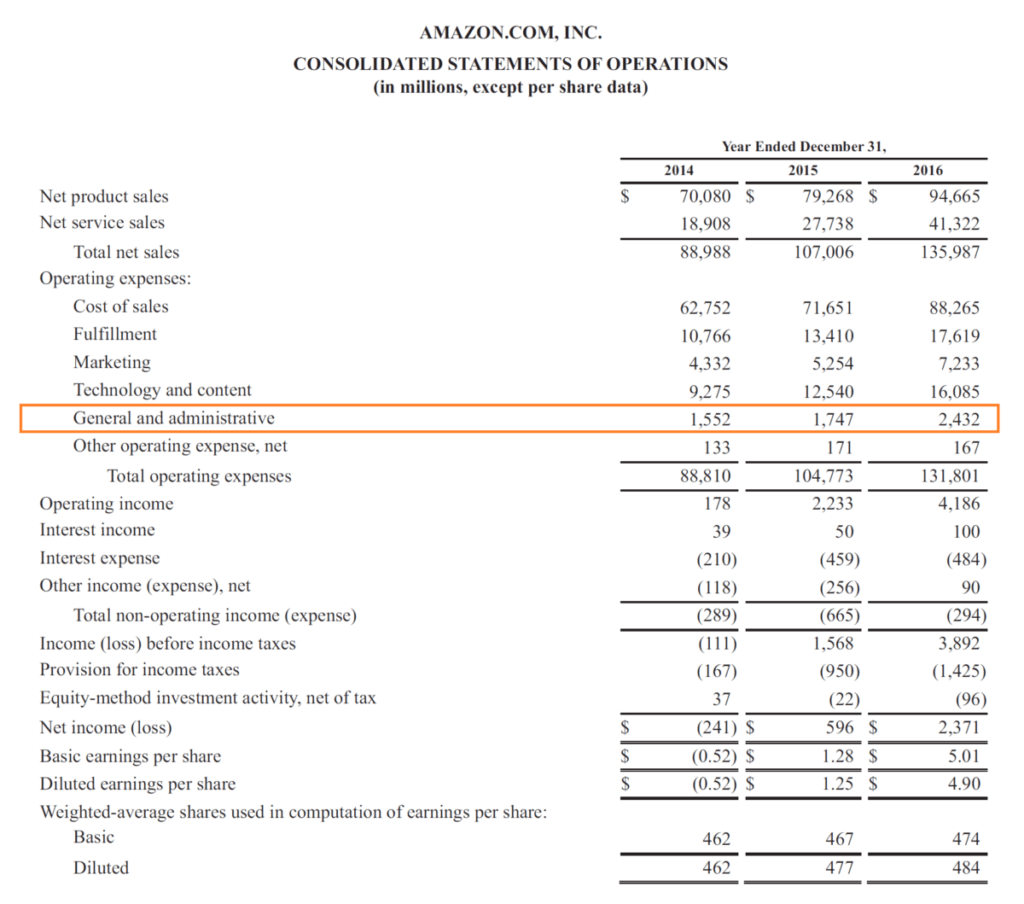
Administrative costs refer to the expenses incurred by an organization that are not specifically linked to a core function such as manufacturing, production, or sales. In the world of accounting, these are categorized as a subset of operating expenses (OPEX). While “Cost of Goods Sold” (COGS) tracks the direct materials and labor used to create a product, and “Selling Expenses” track marketing and commissions, administrative costs cover everything else required to maintain the entity’s corporate existence.
One of the defining characteristics of administrative costs is their relatively fixed nature. Unlike direct labor or raw materials, which fluctuate in direct proportion to production volume, admin costs often remain stable over the short to medium term. For example, a company pays the same amount of rent for its corporate office whether it sells one hundred units or one million units during a given month. This creates “operating leverage,” where a company can become significantly more profitable as it grows, provided it can keep its administrative costs from scaling at the same rate as its revenue.
On a standard income statement, administrative costs are usually found within the “Selling, General, and Administrative” (SG&A) line item. For internal management purposes, however, savvy financial officers separate “Selling” from “General and Administrative” to better understand which expenses are driving growth versus which are simply maintaining the status quo.
Key Components of Administrative Expenses
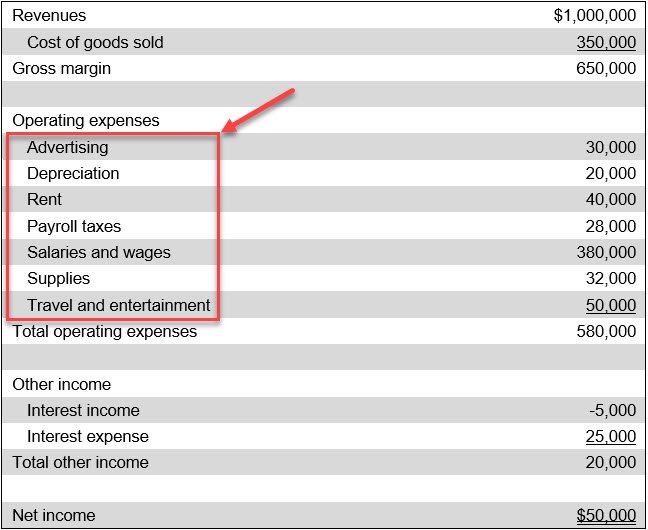
To manage admin costs effectively, a business must first identify what falls into this category. These expenses are diverse, ranging from human capital to physical infrastructure and professional compliance.
Personnel and Executive Compensation
The largest portion of administrative costs for most modern businesses is payroll for non-sales and non-production staff. This includes the executive leadership team (CEO, CFO, COO), as well as departments like Human Resources, Finance, Legal, and Corporate Administration. These roles are essential for strategic direction, regulatory compliance, and employee management, but their output is not sold directly to customers. Furthermore, benefits, payroll taxes, and bonuses for these departments are also categorized here.
Rent, Utilities, and Facility Management
The “roof over the head” of the corporate entity is a classic administrative cost. This includes the lease payments for office space, property taxes, building insurance, and the utilities required to keep the lights on and the internet running. While a factory’s rent might be allocated to COGS, the rent for the accounting department’s office is strictly an administrative expense. In the modern era of remote work, this category has shifted for many firms from physical real estate toward digital infrastructure costs.
Professional Services and Legal Fees
Maintaining a business requires constant interaction with external experts. Fees paid to outside legal counsel for contract reviews, independent auditors for financial certifications, and consultants for organizational strategy all fall under admin costs. These are often “lumpy” expenses—meaning they may spike during a merger, an audit, or a lawsuit—but they are necessary for the protection and formal operation of the brand.
Office Supplies and Information Systems
While individual items like pens or printer paper might seem negligible, the cumulative cost of office supplies across a large organization is significant. More importantly, this category now includes the software and hardware used for general business operations. Subscriptions for enterprise resource planning (ERP) software, internal communication tools like Slack or Microsoft Teams, and the depreciation of office computers are fundamental administrative expenditures.
The Strategic Role of Admin Costs in Financial Analysis
Investors and business owners look at administrative costs as a barometer for operational efficiency. While it is impossible to run a company with zero administrative overhead, an excessively high admin-to-revenue ratio can signal a “bloated” organization that is failing to leverage its scale.
Impact on Profit Margins
Administrative costs directly subtract from gross profit to arrive at Operating Income (or EBIT—Earnings Before Interest and Taxes). Because these costs are often fixed, they represent a “hurdle” the company must clear every month before it can become profitable. A company with high administrative costs requires a much higher volume of sales to reach its break-even point. Conversely, a company that masters the art of “lean” administration can enjoy higher net profit margins, providing it with more capital to reinvest in growth or return to shareholders.
The Administrative Cost Ratio
A common metric used in financial analysis is the Administrative Cost Ratio, calculated by dividing total administrative expenses by total sales revenue. For example, if a company has $1 million in revenue and $150,000 in administrative costs, its ratio is 15%.
- Low Ratio: May indicate a very efficient, highly automated, or lean operation. However, if the ratio is too low, it might suggest that the company is under-investing in its infrastructure, which could lead to regulatory failures or poor employee retention.
- High Ratio: Often seen in startups that are “building for scale” or in mature companies suffering from bureaucratic inefficiency.
Scalability and Growth
One of the most important concepts in business finance is the ability to scale. Scalability occurs when a business can increase its revenue significantly while only increasing its administrative costs marginally. In the software-as-a-service (SaaS) industry, for instance, a company might need a robust HR and finance department to manage 1,000 customers, but that same department might be able to manage 10,000 customers with only a 20% increase in staff. This efficiency is what allows tech companies to achieve massive valuations.
Identifying Efficiency: How to Optimize Without Compromising Quality
Optimizing administrative costs is a delicate balancing act. If a company cuts too deeply into its administrative budget, it risks losing the talent and tools necessary to function safely and legally. However, in an inflationary environment, controlling these costs is often the difference between a profitable year and a loss.
Leveraging Technology for Automation
The most effective way to reduce admin costs in the 21st century is through digital transformation. Tasks that previously required entire departments—such as manual data entry, payroll processing, and basic customer inquiries—can now be handled by sophisticated software and AI-driven tools. By automating the “boring” parts of administration, companies can reduce headcount or reallocate their best talent to revenue-generating activities.
Strategic Outsourcing of Non-Core Functions
For many small to mid-sized businesses, it is more cost-effective to outsource administrative functions than to hire full-time staff. Outsourced bookkeeping, fractional CFO services, and third-party HR firms allow a company to pay only for the services they need. This converts a fixed administrative cost into a variable one, providing the business with greater flexibility during economic downturns.
Lean Management and Waste Reduction
Adopting a “lean” mindset involves scrutinizing every line item in the administrative budget. This might mean renegotiating a lease for a smaller office footprint in a post-hybrid world, or consolidating software subscriptions to eliminate redundant tools. Small, incremental changes in administrative efficiency often compound into significant bottom-line savings over several fiscal years.

Admin Costs in Different Business Models
The “weight” of administrative costs varies significantly depending on the industry. A manufacturing firm will typically have a lower administrative cost ratio relative to its total expenses because the bulk of its capital is tied up in raw materials and factory labor. In contrast, a professional services firm (like a law firm or an architectural agency) may have very high administrative costs because its primary “assets” are the people and the office environment they inhabit.
In the non-profit sector, administrative costs are scrutinized even more heavily. Donors often look at the “Program Service Ratio,” which measures how much of every dollar goes toward the cause versus how much is “wasted” on administration. While this can lead to the “non-profit starvation cycle”—where organizations under-invest in the very infrastructure they need to be effective—it highlights the universal pressure to keep admin costs in check.
Ultimately, administrative costs are not merely a burden to be minimized; they are the price of doing business. They represent the investment a company makes in its own stability, legal standing, and organizational health. By understanding, tracking, and optimizing these expenses, a business can transform its back-office operations from a static expense into a strategic advantage that supports long-term financial prosperity.
aViewFromTheCave is a participant in the Amazon Services LLC Associates Program, an affiliate advertising program designed to provide a means for sites to earn advertising fees by advertising and linking to Amazon.com. Amazon, the Amazon logo, AmazonSupply, and the AmazonSupply logo are trademarks of Amazon.com, Inc. or its affiliates. As an Amazon Associate we earn affiliate commissions from qualifying purchases.