
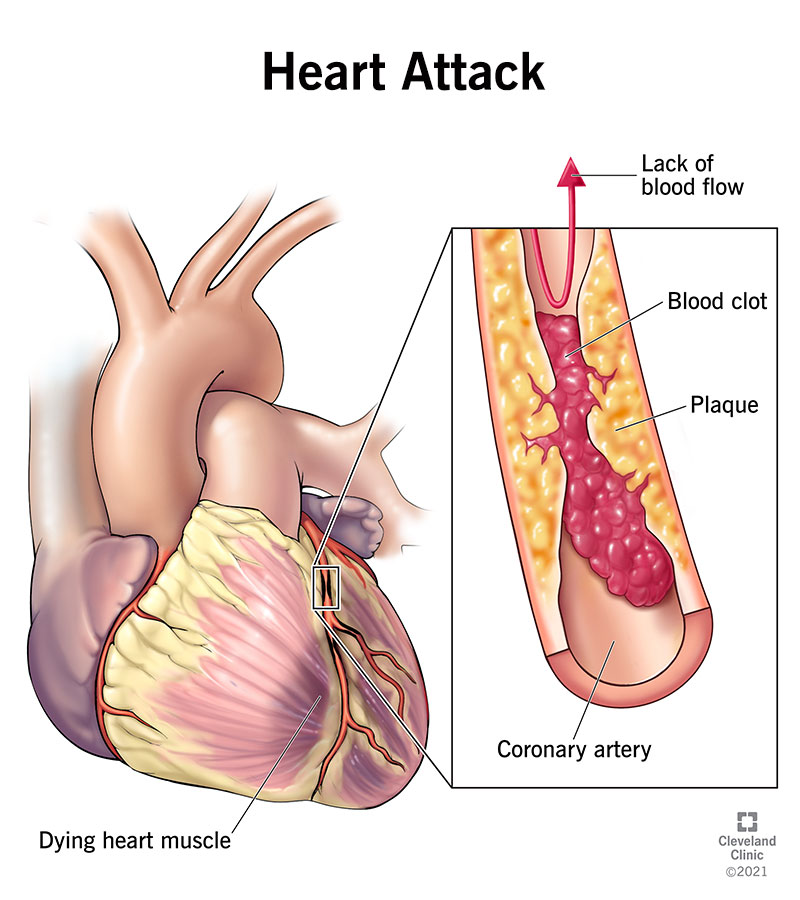
An acute myocardial infarction (AMI), commonly known as a heart attack, is a severe medical emergency that occurs when blood flow to a part of the heart is blocked, often by a blood clot, leading to the death of heart muscle tissue. While the immediate focus during such an event is undeniably on medical intervention and saving a life, the long-term ramifications extend far beyond the clinical, profoundly impacting an individual’s and their family’s financial stability. Navigating the aftermath of an AMI requires not just medical recovery but also a robust understanding of the intricate financial landscape it creates. From the immediate shock of emergency care costs to the sustained burden of rehabilitation, medication, and potential income loss, an AMI can present a formidable financial challenge. This article delves into the various financial dimensions of an acute myocardial infarction, offering insights into how to prepare for, manage, and mitigate its economic fallout. Understanding these aspects is crucial for anyone looking to build a resilient financial plan capable of weathering life’s unexpected health crises.

The Immediate Financial Shock: Hospitalization and Treatment Costs
The moment an individual experiences symptoms of an acute myocardial infarction, a rapid chain of expensive medical interventions is set in motion. Emergency services, diagnostic tests, and life-saving procedures accumulate costs at an astonishing rate, often before the patient is even fully aware of their surroundings. This initial phase represents the most significant and immediate financial shock for most families.
Emergency Services and Diagnostic Testing
The journey often begins with an ambulance ride, which, depending on the service provider and distance, can itself cost hundreds to thousands of dollars. Upon arrival at the emergency room, a battery of diagnostic tests is performed to confirm the AMI and assess its severity. These typically include electrocardiograms (ECGs), blood tests to measure cardiac enzymes (like troponin), chest X-rays, and sometimes an echocardiogram or CT scan. Each of these tests carries a separate charge, and without adequate insurance, these initial diagnostic costs can quickly climb into the thousands. The critical nature of these tests means there is no room for delay or negotiation in the moment, making them unavoidable expenses.
Surgical Interventions and Medication Expenses
Once an AMI is confirmed, immediate intervention is often necessary to restore blood flow to the heart. The most common procedure is percutaneous coronary intervention (PCI), which involves inserting a catheter into an artery and inflating a balloon to open the blocked vessel, often followed by the placement of a stent. Open-heart surgery, such as a coronary artery bypass graft (CABG), might be necessary in more complex cases. These procedures are incredibly effective but also incredibly expensive, with PCIs potentially costing tens of thousands of dollars and CABG surgeries often exceeding $100,000, not including the facility fees, anesthesiologist fees, and post-operative care.
Beyond surgical costs, patients are immediately prescribed a regimen of medications, including antiplatelet drugs, beta-blockers, ACE inhibitors, and statins, among others. These medications are crucial for recovery and preventing future events, and their initial doses in the hospital are part of the overall inpatient bill. The combination of emergency services, advanced diagnostics, and critical surgical or interventional procedures means that the hospital bill for an acute myocardial infarction can easily range from tens of thousands to well over a hundred thousand dollars, even before the patient leaves the hospital.
Post-Acute Care and Rehabilitation
Discharge from the hospital does not signify the end of medical expenses. Many AMI patients require post-acute care, which might include a short stay in a skilled nursing facility or, more commonly, participation in a cardiac rehabilitation program. Cardiac rehab is vital for recovery, involving supervised exercise, education on heart-healthy living, and counseling. These programs can span several weeks to months, with each session incurring a cost. While often covered by insurance, co-pays and deductibles can still add up. Additionally, home healthcare services might be necessary for patients with reduced mobility or requiring assistance with daily activities, further contributing to the financial burden. The comprehensive nature of this immediate care phase underscores the importance of understanding insurance coverage and having an emergency financial safety net.
Long-Term Financial Strain: Managing Life After an AMI
Surviving an acute myocardial infarction is a profound blessing, but it often marks the beginning of a significant long-term financial journey. The need for ongoing medical management, lifestyle adjustments, and potential income disruption can create a sustained strain on personal finances that may last for years or even a lifetime.
Income Disruption and Lost Wages
One of the most immediate and impactful financial consequences of an AMI is the potential for income disruption. Recovery from a heart attack, especially if it involved major surgery, can take weeks or even months. During this period, individuals may be unable to work, leading to a direct loss of income. For hourly wage earners, freelancers, or small business owners, this can be catastrophic. Even salaried employees with robust sick leave policies may exhaust their paid time off, forcing them onto unpaid leave or short-term disability benefits, which typically replace only a portion of their regular income. The emotional stress of recovery can also impact cognitive function and physical stamina, potentially affecting future job performance or even necessitating a career change to a less physically demanding role, which could lead to reduced earning potential in the long run.
Ongoing Medical Management and Prescription Costs
Post-AMI care involves continuous medical oversight to prevent recurrence. This typically includes regular follow-up appointments with cardiologists, primary care physicians, and other specialists, each incurring consultation fees and co-pays. Furthermore, the lifetime commitment to prescription medications is a significant ongoing expense. Drugs like statins, antiplatelets, beta-blockers, and blood pressure medications are essential for managing heart health but can cost hundreds of dollars monthly, even with insurance. While generic options exist, specific formulations or necessary brand-name drugs can be substantially more expensive. These recurring medication costs become a permanent fixture in a household budget, requiring careful financial planning and budgeting to ensure adherence and optimal health outcomes.
Lifestyle Changes and Related Expenses
An AMI often necessitates significant lifestyle changes, many of which carry financial implications. Dietary adjustments, for instance, might involve purchasing more fresh produce, lean proteins, and specialized heart-healthy foods, which can sometimes be more expensive than typical processed alternatives. Membership in a gym or access to exercise equipment might be recommended for maintaining physical activity levels post-rehabilitation. Stress reduction techniques, such as therapy or mindfulness programs, could also involve costs. Furthermore, for those who need to make changes to their living environment due to reduced mobility or other health considerations, home modifications can represent substantial expenses. These lifestyle-related costs, while vital for long-term health, must be factored into the overall financial picture following an AMI.
The Role of Insurance: Protection and Pitfalls
Insurance serves as a critical buffer against the financial devastation an acute myocardial infarction can cause. However, understanding the nuances of different insurance policies—and their limitations—is paramount to maximizing protection and avoiding unforeseen financial pitfalls.
Health Insurance: Coverage Types and Out-of-Pocket Maxima

Health insurance is the primary line of defense against the astronomical costs of an AMI. Plans vary widely in their coverage, from Preferred Provider Organizations (PPOs) and Health Maintenance Organizations (HMOs) to High Deductible Health Plans (HDHPs). Understanding your specific plan’s deductible, co-insurance, co-pays, and most importantly, your out-of-pocket maximum, is crucial. The out-of-pocket maximum is the most you will have to pay for covered services in a plan year, which offers a critical ceiling on expenses for an event like an AMI. However, this maximum can still be several thousand dollars, representing a significant immediate financial burden. Furthermore, it’s important to verify if specific hospitals, cardiologists, or cardiac rehab facilities are in-network to avoid higher out-of-network charges. Even with “good” insurance, unexpected charges or services deemed “not medically necessary” can lead to disputes and additional costs.
Disability Insurance: Short-term vs. Long-term Benefits
Given the potential for significant income disruption, disability insurance becomes a vital asset. Short-term disability (STD) typically replaces a portion of your income (e.g., 50-70%) for a limited period, usually up to six months. This can be crucial during the initial recovery phase from an AMI. Long-term disability (LTD) takes over if the disability extends beyond the STD period, potentially providing benefits for years, up to retirement age, or for the duration of the disability. Many employers offer group disability insurance, but individual policies can also be purchased to supplement coverage or for those not covered by an employer. Understanding the waiting periods, benefit duration, and definition of “disability” (e.g., “own occupation” vs. “any occupation”) in your policy is critical to ensuring it will provide the necessary financial lifeline should an AMI prevent you from working.
Critical Illness Insurance: Understanding Lump-Sum Payouts
Critical illness insurance is a specialized policy that pays a lump-sum cash benefit upon diagnosis of certain specified critical illnesses, which almost always include heart attack. Unlike health insurance, which pays medical providers, or disability insurance, which replaces income, critical illness insurance provides a direct cash payout to the policyholder. This money can be used for anything: medical deductibles, living expenses, alternative treatments, travel for specialized care, or even to replace lost income. While not a substitute for health or disability insurance, it offers an additional layer of financial protection, providing flexibility and liquidity at a time when financial resources are often stretched thin. The payout amount is predetermined when the policy is purchased, and understanding the specific definitions and exclusions related to “heart attack” in the policy is essential.
Proactive Financial Planning for Health Crises
While no one can predict a health crisis like an acute myocardial infarction, proactive financial planning can significantly cushion the blow. Integrating health-related financial safeguards into your overall wealth management strategy is a cornerstone of true financial resilience.
Building an Emergency Fund
An emergency fund is paramount. Financial experts generally recommend setting aside 3 to 6 months’ worth of essential living expenses in an easily accessible savings account. For those with chronic health conditions or a family history of heart disease, even more might be advisable. This fund serves as the first line of defense against unexpected medical bills, lost wages during recovery, and other unforeseen expenses that arise from an AMI. Having this liquid cash can prevent you from dipping into retirement savings, incurring high-interest debt, or making difficult financial choices during an already stressful period. Regularly reviewing and replenishing this fund is a continuous financial habit that pays dividends in times of crisis.
Reviewing and Optimizing Insurance Policies
A thorough annual review of all your insurance policies—health, disability, critical illness, and even life insurance—is essential. As life circumstances change, so do insurance needs. For health insurance, ensure your chosen plan provides adequate coverage for potential cardiac events, especially if you have risk factors. Understand the provider network, formulary for common cardiac medications, and your out-of-pocket maximum. For disability insurance, verify that the coverage amount is sufficient to cover your living expenses and that the benefit period aligns with your financial planning horizon. Consider supplementing employer-provided coverage with individual policies if gaps exist. Optimizing policies means not just checking coverage, but also ensuring you’re getting the best value for your premiums and understanding all terms and conditions before a crisis strikes.
Estate Planning Considerations
While estate planning might seem distant during an acute health crisis, a severe AMI underscores its importance. Having a current will, power of attorney for financial matters, and an advance directive (healthcare proxy/living will) is crucial. These documents ensure that your financial affairs can be managed, and your healthcare wishes respected, should you become incapacitated during recovery. A financial power of attorney designates someone to pay bills, manage investments, and handle other financial tasks if you are unable to. This prevents financial chaos and protects your assets during a vulnerable time, ensuring your recovery can be the sole focus.
Seeking Financial Assistance and Support
Even with robust insurance and careful planning, the financial burden of an AMI can be overwhelming. Fortunately, various avenues for financial assistance and support exist to help mitigate these costs. Knowing where to look and how to access these resources can make a significant difference in recovery.
Hospital Financial Aid Programs
Many hospitals, especially non-profit institutions, have financial assistance programs for patients who are uninsured or underinsured and cannot afford their medical bills. These programs, often called “charity care” policies, can reduce or even waive a portion of the bill based on income and family size. It’s crucial to inquire about these programs early in the process, typically with the hospital’s patient financial services department. They can guide you through the application process, which usually requires providing proof of income and assets. Negotiating hospital bills, even for insured patients, is also possible. Hospitals are often willing to offer discounts for immediate payment or set up interest-free payment plans.
Government Assistance and Social Security Disability
For individuals who experience long-term or permanent disability as a result of an AMI, government programs like Social Security Disability Insurance (SSDI) can provide a vital safety net. SSDI benefits are available to those who have worked long enough and paid Social Security taxes, and whose medical condition prevents them from engaging in “substantial gainful activity.” The application process can be complex and lengthy, often requiring extensive medical documentation, but the benefits can provide a steady income stream for those unable to return to work. Additionally, state-level programs may offer assistance for medical expenses or income support, depending on specific eligibility criteria.
Non-Profit Organizations and Patient Advocacy Groups
A multitude of non-profit organizations are dedicated to supporting heart patients and their families. Organizations like the American Heart Association often provide resources, educational materials, and sometimes direct financial assistance programs or connections to local support services. Patient advocacy groups can help navigate the complex healthcare system, understand billing, and advocate on your behalf with insurers or providers. Many disease-specific foundations also offer grants or programs to help cover medication costs, transportation to appointments, or other recovery-related expenses. Reaching out to these organizations can provide not only financial relief but also invaluable emotional support and guidance during a challenging time.
In conclusion, an acute myocardial infarction is not just a medical crisis but a profound financial event. By understanding the immediate and long-term costs, leveraging appropriate insurance, engaging in proactive financial planning, and knowing where to seek assistance, individuals and families can better navigate the economic challenges that accompany a heart attack. Financial preparedness is an often-overlooked but essential component of a holistic recovery strategy, empowering individuals to focus on their health and healing with greater peace of mind.
aViewFromTheCave is a participant in the Amazon Services LLC Associates Program, an affiliate advertising program designed to provide a means for sites to earn advertising fees by advertising and linking to Amazon.com. Amazon, the Amazon logo, AmazonSupply, and the AmazonSupply logo are trademarks of Amazon.com, Inc. or its affiliates. As an Amazon Associate we earn affiliate commissions from qualifying purchases.