
In the landscape of modern enterprise software development, the ability for disparate systems to communicate reliably and efficiently is paramount. As organizations move away from monolithic architectures toward distributed microservices, the challenge of “coupling” becomes a significant hurdle. This is where ActiveMQ, a powerful open-source message broker, enters the spotlight. Developed by the Apache Software Foundation, ActiveMQ serves as the “glue” between different applications, ensuring that data is transferred securely and asynchronously across a network.
Understanding the Fundamentals of ActiveMQ
To understand ActiveMQ, one must first understand the concept of Message-Oriented Middleware (MOM). In a traditional synchronous system, if Application A needs to send data to Application B, it must wait for Application B to acknowledge receipt before proceeding. If Application B is offline or under heavy load, Application A stalls. ActiveMQ solves this by acting as an intermediary.
The Role of Message-Oriented Middleware (MOM)
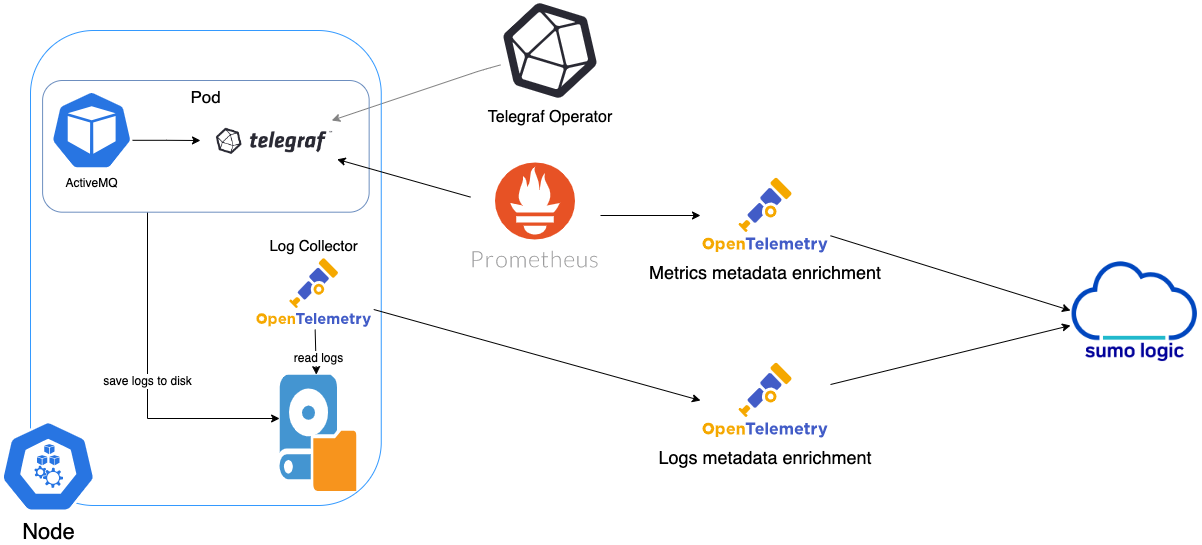
Message-Oriented Middleware is a software infrastructure that supports sending and receiving messages between distributed systems. ActiveMQ sits in the middle of these systems, providing a “store-and-forward” mechanism. When a producer sends a message, ActiveMQ stores it in a queue or a topic. The consumer can then retrieve that message at its own pace. This decoupling ensures that even if a service crashes, the data is not lost; it simply waits in the broker until the service is restored.
How ActiveMQ Facilitates Asynchronous Communication
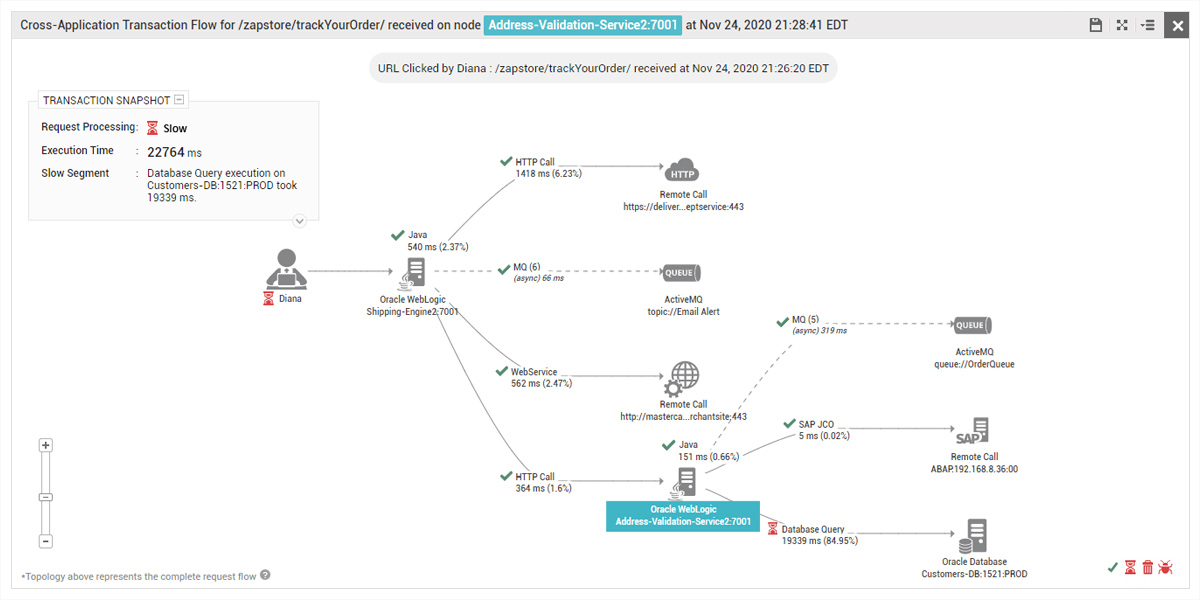
Asynchronous communication is the cornerstone of scalable software. ActiveMQ allows developers to build systems that are non-blocking. For example, in an e-commerce application, once a user clicks “buy,” the web server sends a message to the inventory system, another to the shipping system, and another to the email notification service. The web server doesn’t need to wait for the email to be sent before confirming the order to the user. ActiveMQ handles the distribution of these tasks in the background, drastically improving the user experience and system throughput.
Core Architecture and Key Features
ActiveMQ is widely regarded as one of the most flexible brokers available today. Its architecture is designed to support a vast array of protocols and messaging patterns, making it a “Swiss Army knife” for developers.
Protocols and Connectivity: JMS, AMQP, and Beyond
One of ActiveMQ’s greatest strengths is its “multi-protocol” nature. While it is written in Java and serves as the premier implementation of the Java Message Service (JMS) API, it is not limited to Java environments.
- JMS: The standard for Java-based messaging.
- AMQP (Advanced Message Queuing Protocol): A wire-level protocol that allows interoperability between different programming languages (Python, Ruby, C++, etc.).
- STOMP (Streaming Text Oriented Messaging Protocol): A simple text-based protocol often used by web applications via WebSockets.
- MQTT (Message Queuing Telemetry Transport): Essential for Internet of Things (IoT) devices where bandwidth is limited.
This versatility means that a Python script can send a message to ActiveMQ, which is then processed by a Java backend, all without the two systems needing to understand each other’s native environments.
Messaging Patterns: Queues vs. Topics
ActiveMQ supports two primary messaging models: Point-to-Point (Queues) and Publish-Subscribe (Topics).
- Queues (Point-to-Point): In this model, a message is sent to a specific queue. Only one consumer receives and processes that message. If multiple consumers are listening to the same queue, ActiveMQ performs load balancing, distributing messages among them. This is ideal for task processing.
- Topics (Publish-Subscribe): Here, a message is “broadcast” to a topic. Every consumer (subscriber) currently listening to that topic receives a copy of the message. This is perfect for real-time data feeds, such as stock price updates or system-wide notifications.
High Availability and Scalability Options
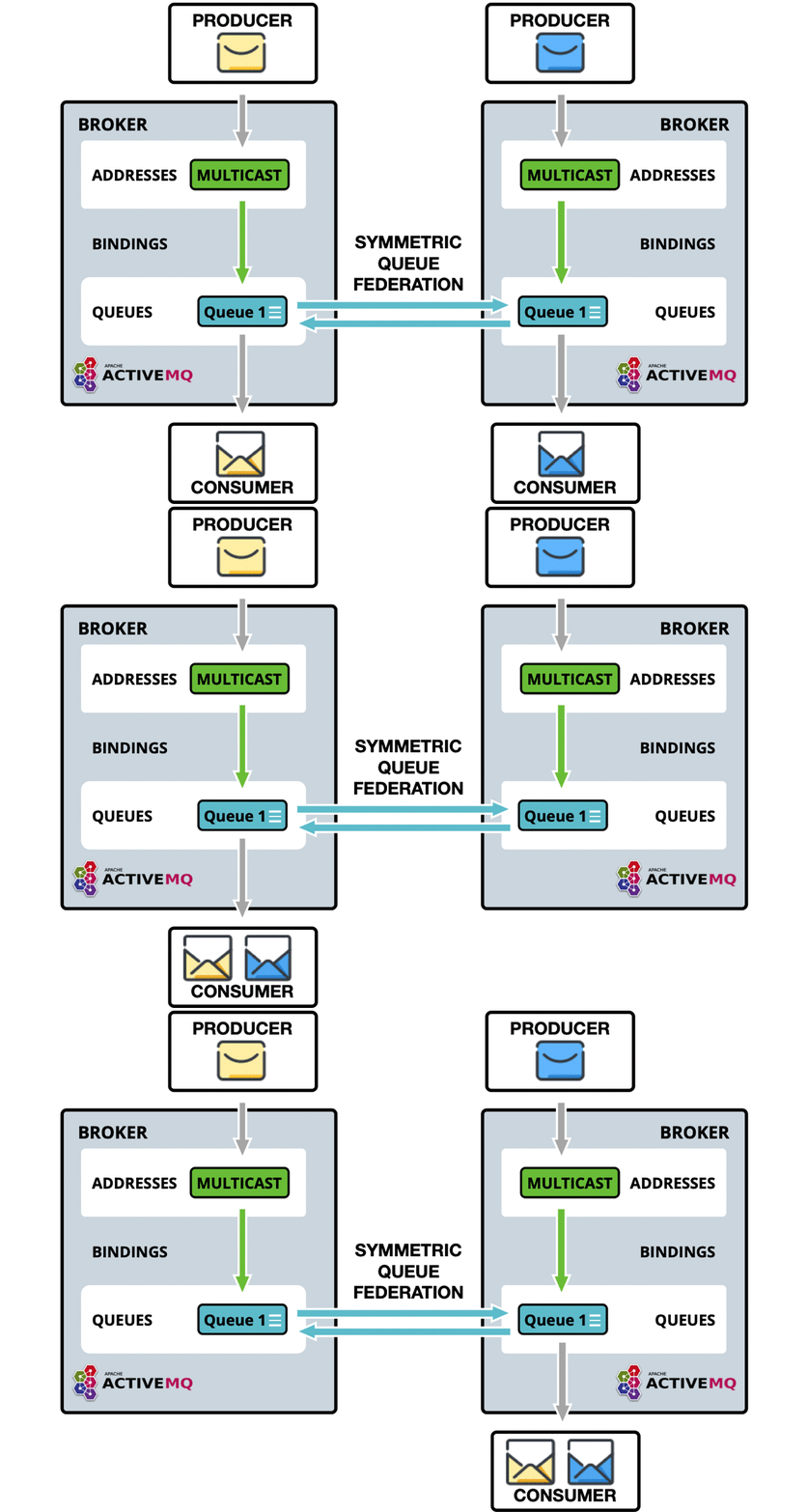
In an enterprise environment, a message broker cannot be a single point of failure. ActiveMQ offers robust features for high availability (HA). Through “Master-Slave” configurations using shared storage (like a SAN or a database) or Replicated LevelDB, ActiveMQ ensures that if one broker goes down, another takes over instantly without data loss. Furthermore, “Networks of Brokers” allow multiple ActiveMQ instances to be linked together, enabling horizontal scaling to handle millions of messages per second.
ActiveMQ Classic vs. ActiveMQ Artemis: Choosing the Right Version
If you are exploring ActiveMQ today, you will encounter two primary versions: ActiveMQ “Classic” (the 5.x series) and ActiveMQ Artemis. Understanding the difference is crucial for any technical roadmap.
The Evolution of the Project
ActiveMQ Classic has been the industry standard for over a decade. It is incredibly stable, feature-rich, and has a massive community following. However, as cloud-native requirements evolved, the Apache team sought to build a more modern, high-performance core. This led to the adoption of the HornetQ codebase from Red Hat, which became Apache ActiveMQ Artemis.
Performance Benchmarks and Modern Capabilities
Artemis is designed for the modern era. It features a non-blocking I/O architecture (based on Netty), which allows it to handle significantly higher throughput and lower latency than the Classic version.
- Artemis excels in environments requiring extreme performance and massive concurrency. It also features an “addressing model” that is more flexible than the traditional Queue/Topic split.
- Classic remains the go-to for legacy migrations and environments where the specific feature set of the 5.x series (like certain specialized plugins) is required.
For most new “greenfield” projects, the industry consensus is shifting toward Artemis due to its superior performance in containerized environments like Kubernetes.
Practical Use Cases in Modern Software Architecture
Why do engineers choose ActiveMQ over other solutions like RabbitMQ or Kafka? The answer often lies in its balance of features and its strict adherence to enterprise standards.
Decoupling Microservices
In a microservices architecture, services often need to share data without being tightly integrated. If a “User Service” needs to inform a “Marketing Service” that a new user has signed up, using a REST API call creates a dependency. If the Marketing Service is down, the User Service might fail. By using ActiveMQ, the User Service simply drops a “UserCreated” message into the broker and moves on. The Marketing Service picks it up whenever it is ready.
Handling Burst Traffic and Load Balancing
Web applications often experience “spikey” traffic. During a flash sale, an application might receive 10,000 orders in a single minute. A database cannot always handle 10,000 simultaneous writes. ActiveMQ acts as a buffer (a “shock absorber”). The orders are queued in ActiveMQ, and the backend workers pull them out at a steady rate that the database can handle, preventing system crashes during peak load.
Integrating Legacy Systems
Many large corporations still rely on legacy Mainframe or COBOL systems. These systems cannot easily speak modern REST or gRPC. However, many have connectors for JMS or can use simple socket-based protocols. ActiveMQ serves as a bridge, allowing a modern React frontend or a Node.js microservice to communicate with a 30-year-old banking backend through standardized messaging.
Implementation Best Practices and Future Outlook
Deploying ActiveMQ effectively requires more than just installing the binary. To maintain a healthy messaging ecosystem, certain technical standards must be observed.
Security and Performance Tuning
Security is non-negotiable. ActiveMQ should always be configured with TLS/SSL for data-in-transit encryption. Furthermore, it supports JAAS (Java Authentication and Authorization Service), allowing it to integrate with LDAP or Active Directory to manage who can produce or consume from specific queues.
On the performance side, “destination policies” are vital. Developers must configure how the broker handles “Slow Consumers.” If a consumer cannot keep up with the flow of messages, the broker’s memory can fill up. Configuring “Pending Message Limit Strategies” ensures the broker remains stable by discarding old messages or moving them to a Dead Letter Queue (DLQ) for later inspection.
The Future of Messaging in a Cloud-Native World
As we look toward the future, the role of ActiveMQ is evolving. While Apache Kafka has dominated the “log-based streaming” space, ActiveMQ remains the king of “complex messaging.” It handles selective consumers, scheduled delivery, and complex transactions in ways that streaming platforms are not designed for.
With the continued development of ActiveMQ Artemis, the project is positioning itself as a cloud-native powerhouse. Its small footprint and high-performance core make it ideal for deployment in Docker containers and orchestration via Kubernetes. As long as there is a need for reliable, transactional, and asynchronous communication between software components, ActiveMQ will remain a foundational tool in the technologist’s toolkit.
In conclusion, ActiveMQ is not just a tool for sending data; it is a strategic component that enables resilience, scalability, and flexibility. Whether you are managing a small app or a global enterprise network, mastering ActiveMQ provides the architectural freedom to build systems that truly stand the test of time.
aViewFromTheCave is a participant in the Amazon Services LLC Associates Program, an affiliate advertising program designed to provide a means for sites to earn advertising fees by advertising and linking to Amazon.com. Amazon, the Amazon logo, AmazonSupply, and the AmazonSupply logo are trademarks of Amazon.com, Inc. or its affiliates. As an Amazon Associate we earn affiliate commissions from qualifying purchases.