
Acquired Immunodeficiency Syndrome (AIDS) is a chronic, potentially life-threatening condition caused by the human immunodeficiency virus (HIV). While the question of “what causes AIDS” is definitively answered by the presence of HIV, understanding the nuances of this virus, its transmission, and its impact on the immune system is crucial for prevention, treatment, and ultimately, eradication. In the realm of health and well-being, understanding the underlying causes of such conditions is paramount, much like understanding the foundational principles of technology, the strategic pillars of branding, or the intricate mechanics of finance.
This article will delve into the scientific, biological, and epidemiological aspects of what causes AIDS, offering a comprehensive overview for anyone seeking to understand this complex disease. We will explore the viral culprit, how it infiltrates the body, and the devastating cascade of events it triggers, ultimately leading to the symptomatic state of AIDS.
The Culprit: Human Immunodeficiency Virus (HIV)
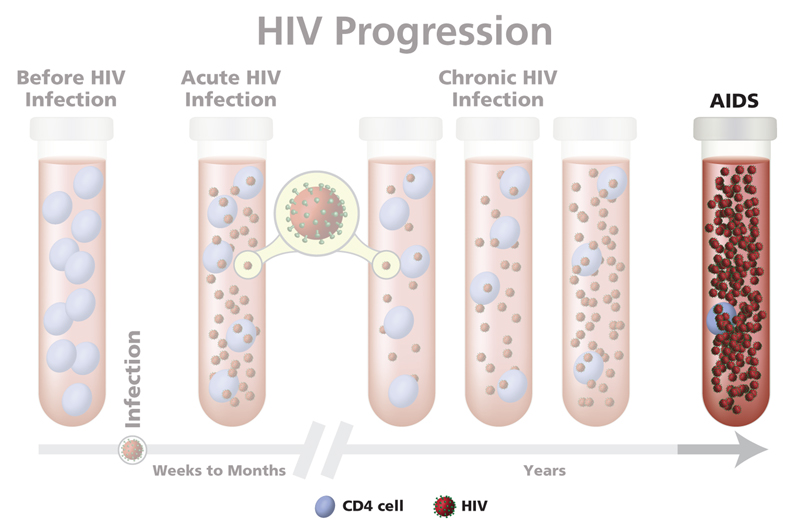
At the heart of AIDS lies the Human Immunodeficiency Virus (HIV). This retrovirus, belonging to the lentivirus family, is the sole cause of AIDS. It specifically targets and attacks the body’s immune system, particularly a type of white blood cell called CD4 T-cells (also known as T-helper cells). These cells are critical for coordinating the body’s immune response, acting as the generals of the immune army, directing other cells to fight off infections and diseases.
How HIV Replicates and Destroys CD4 Cells
Once HIV enters the bloodstream, it seeks out CD4 cells. The virus then injects its genetic material (RNA) into these cells. Using a unique enzyme called reverse transcriptase, HIV converts its RNA into DNA. This viral DNA then integrates itself into the host cell’s DNA, effectively hijacking the cell’s machinery. The infected CD4 cell is then compelled to produce new copies of the HIV virus. As these new viruses bud off from the host cell, they often damage or destroy it in the process.
Over time, this relentless destruction of CD4 cells significantly weakens the immune system. A healthy individual typically has a CD4 count of 500 to 1,500 cells per cubic millimeter of blood. As HIV progresses, this count declines. When the CD4 count falls below 200 cells per cubic millimeter, the individual is considered to have AIDS. This critically low CD4 count leaves the body vulnerable to a wide range of opportunistic infections and cancers that a healthy immune system would normally be able to fight off.
The Origins of HIV: A Scientific Perspective
The scientific consensus points to HIV originating from a type of chimpanzee in Central Africa. It is believed that a strain of simian immunodeficiency virus (SIV), which is harmless to chimpanzees, was transmitted to humans through the hunting and consumption of infected chimpanzee meat. This cross-species transmission, known as zoonotic transmission, is thought to have occurred in the early 20th century. Over decades, the virus mutated within the human population, evolving into the HIV strains we recognize today. This evolutionary journey, while a tragic cause of a global health crisis, highlights the complex interplay between human activity and the emergence of novel pathogens, a concept as critical to understand in biology as it is to analyze market trends in finance or the evolution of user interfaces in technology.
Transmission Pathways: How HIV Spreads
Understanding how HIV is transmitted is fundamental to prevention efforts. HIV is not transmitted through casual contact like hugging, kissing, sharing utensils, or insect bites. It is primarily spread through specific bodily fluids from an infected person:
1. Sexual Transmission
This is the most common mode of HIV transmission globally. HIV can be transmitted during vaginal, anal, or oral sex. The virus is present in semen, pre-seminal fluid, rectal fluids, vaginal fluids, and breast milk. The risk of transmission is higher with anal sex due to the delicate lining of the rectum, which is more susceptible to tears. Unprotected sexual contact, where condoms are not used or used incorrectly, significantly increases the risk.
2. Sharing Needles and Syringes
The sharing of needles, syringes, or other injection equipment among people who inject drugs is another significant route of HIV transmission. This is because infected blood can remain on the needle’s surface, which can then be directly injected into the bloodstream of the next user. This also applies to accidental needle sticks in healthcare settings, though these are rare and preventable with proper safety protocols.
3. Mother-to-Child Transmission
HIV can be transmitted from an infected mother to her child during pregnancy, childbirth, or breastfeeding. However, with appropriate medical interventions, including antiretroviral therapy (ART) for the mother and infant, the risk of mother-to-child transmission can be drastically reduced to less than 1%. This is a testament to the power of medical science and early intervention, akin to how technological advancements can mitigate risks in other domains.
4. Blood Transfusions and Organ Transplants (Rare)
In developed countries, routine screening of donated blood and organs for HIV has made transmission through transfusions or transplants extremely rare. However, before widespread testing, this was a significant transmission route.
The Progression of HIV Infection: From Acute to AIDS

The journey from HIV infection to the development of AIDS is typically characterized by distinct stages. While the timeline can vary significantly from person to person, understanding these stages is crucial for monitoring the disease and initiating timely treatment.
Acute Infection (Seroconversion)
Within two to four weeks after contracting HIV, some individuals may experience a brief period of flu-like illness. This is called acute retroviral syndrome (ARS) or primary HIV infection. Symptoms can include fever, chills, rash, night sweats, muscle aches, sore throat, fatigue, swollen lymph nodes, or mouth ulcers. During this stage, the virus replicates rapidly, and the viral load (the amount of HIV in the blood) is very high. This makes individuals highly infectious. However, not everyone experiences ARS, and the symptoms can be mild or easily mistaken for other illnesses.
Clinical Latency (Chronic HIV Infection)
Following the acute stage, HIV enters a phase of clinical latency, also known as chronic HIV infection. During this period, the virus is still active but reproduces at very low levels. Individuals may not have any symptoms, or they may be very mild. This stage can last for many years, often a decade or more, without treatment. However, even during latency, HIV is steadily destroying CD4 cells.
Symptomatic HIV Infection and AIDS
As the immune system continues to weaken due to ongoing CD4 cell destruction, the individual begins to experience more severe symptoms related to HIV infection. This can include weight loss, persistent fever, diarrhea, fatigue, and swollen lymph nodes. As the CD4 count continues to drop, the immune system becomes severely compromised, leading to the development of AIDS.
At this stage, the body is unable to defend itself against opportunistic infections and certain cancers. These are infections and cancers that typically do not cause illness in people with healthy immune systems. Examples include:
- Pneumocystis pneumonia (PCP): A severe fungal infection of the lungs.
- Candidiasis (Thrush): A yeast infection of the mouth, throat, or vagina.
- Tuberculosis (TB): A bacterial infection that usually affects the lungs.
- Kaposi’s sarcoma: A type of cancer that causes lesions on the skin, in the mouth, nose, or throat.
- Certain lymphomas: Cancers of the lymphatic system.
- Cryptococcal meningitis: A fungal infection of the brain and spinal cord.
- Toxoplasmosis: A parasitic infection that can affect the brain.
The presence of one or more of these opportunistic illnesses, coupled with a low CD4 count, is the defining characteristic of AIDS.
Prevention and Treatment: Combating HIV/AIDS
While there is no cure for HIV/AIDS, significant advancements in medical science have transformed the prognosis for individuals living with the virus. Prevention and treatment strategies are key to managing the condition and preventing its progression to AIDS.
Prevention Strategies
- Safe Sex Practices: Consistent and correct use of condoms during sexual activity is the most effective way to prevent sexual transmission of HIV.
- Harm Reduction Programs: For people who inject drugs, using sterile needles and syringes and participating in needle exchange programs significantly reduces the risk of transmission.
- Pre-Exposure Prophylaxis (PrEP): PrEP is a daily medication taken by HIV-negative individuals who are at high risk of contracting HIV. It can significantly reduce the risk of infection.
- Post-Exposure Prophylaxis (PEP): PEP is a course of HIV medications taken soon after a potential exposure to HIV to prevent infection.
- HIV Testing and Counseling: Regular HIV testing allows individuals to know their status and take appropriate steps for prevention or treatment.
Treatment: Antiretroviral Therapy (ART)
The cornerstone of HIV management is Antiretroviral Therapy (ART). ART involves a combination of HIV medicines taken daily. These medications work by preventing HIV from multiplying, which reduces the viral load in the blood. When the viral load becomes undetectable, it means the amount of HIV in the blood is so low that it cannot be detected by standard lab tests. An undetectable viral load has two critical implications:
- Health Benefits: It allows the immune system to recover and function more effectively, preventing opportunistic infections and significantly improving the quality of life and life expectancy for people with HIV.
- Prevention Benefits: When a person with HIV has an undetectable viral load, they cannot transmit the virus to their sexual partners. This concept is often summarized as “Undetectable = Untransmittable” (U=U).
ART has transformed HIV from a death sentence into a manageable chronic condition for many. However, it is crucial to start ART as soon as possible after diagnosis and to adhere to the treatment regimen consistently for optimal effectiveness.
Conclusion
Acquired Immunodeficiency Syndrome (AIDS) is a devastating illness caused by the Human Immunodeficiency Virus (HIV). This retrovirus systematically attacks and weakens the immune system, leaving the body vulnerable to opportunistic infections and cancers. Understanding the origin of HIV, its transmission pathways, and the progression of the disease is vital for effective prevention and treatment efforts.
While the journey from HIV infection to AIDS can be long and arduous, scientific advancements, particularly the development of Antiretroviral Therapy (ART), have dramatically altered the landscape of HIV management. For individuals diagnosed with HIV, consistent adherence to ART can lead to an undetectable viral load, preserving immune function and preventing transmission. As we continue to strive for a world without AIDS, ongoing research, accessible testing, comprehensive education, and continued global commitment to prevention and treatment remain paramount. The fight against HIV/AIDS is a testament to human resilience and the power of scientific innovation, echoing the principles of continuous improvement and strategic foresight found in technology, branding, and finance.
aViewFromTheCave is a participant in the Amazon Services LLC Associates Program, an affiliate advertising program designed to provide a means for sites to earn advertising fees by advertising and linking to Amazon.com. Amazon, the Amazon logo, AmazonSupply, and the AmazonSupply logo are trademarks of Amazon.com, Inc. or its affiliates. As an Amazon Associate we earn affiliate commissions from qualifying purchases.