
In the intricate world of personal finance, a check remains a fundamental instrument for transferring funds, despite the rise of digital payment methods. At the heart of every check lies a series of numbers that facilitate its journey from payer to payee, ensuring the correct funds are debited from one account and credited to another. Among these critical identifiers, the account number stands as paramount, serving as the unique identifier for your specific financial repository within your bank. Understanding its purpose, location, and the broader context of check mechanics is essential for anyone managing their personal or business finances, offering a crucial layer of financial literacy in an increasingly complex digital landscape.

This article will demystify the account number on a check, exploring its significance, its interaction with other crucial identifiers, and the security implications surrounding its use. We will delve into the anatomy of a check, explain how these numbers work in concert, and provide insights into protecting your financial information.
Understanding the Anatomy of a Check
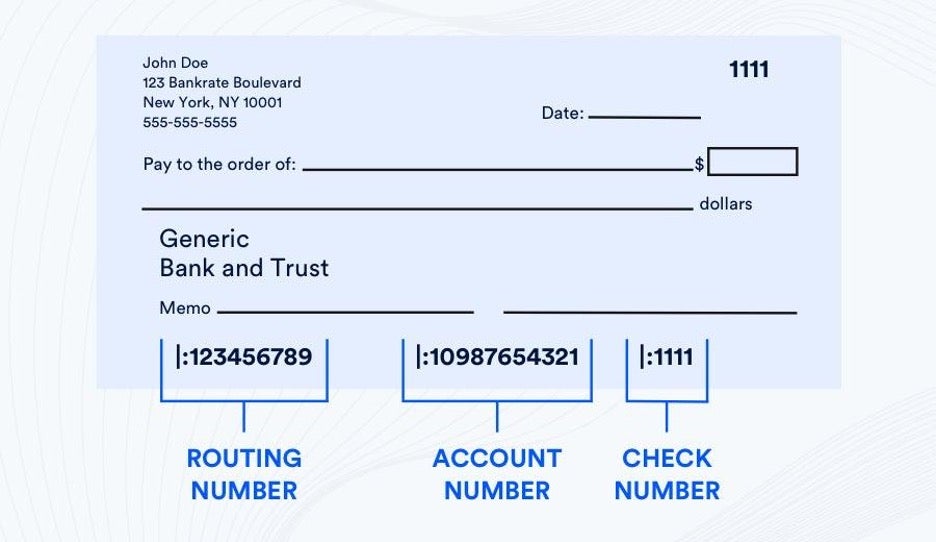
A standard paper check, while seemingly simple, is a meticulously designed document containing several pieces of information crucial for financial transactions. Each element serves a specific purpose, working together to ensure funds are transferred accurately and securely. The account number is a key component of this system, typically found at the bottom of the check, alongside other vital numerical sequences.
The MICR Line Explained
The magnetic ink character recognition (MICR) line is the strip of numbers printed at the bottom of a check using special magnetic ink. This ink allows automated check-processing machines to quickly read and interpret the information, streamlining the clearing process. The MICR line is standardized across banks and financial institutions, ensuring universal readability. It typically contains three distinct sets of numbers: the routing number, the account number, and the check number.
- Routing Number: This nine-digit number identifies the specific financial institution (bank or credit union) where the account is held. It acts like an address for your bank, directing funds to the correct institution. Different types of transactions might use slightly different routing numbers (e.g., ACH vs. wire transfers), but the one on your check is primarily for paper check processing.
- Account Number: This is the unique identifier for your individual bank account within that financial institution. It’s typically between 10 to 12 digits, though it can vary. This number tells the bank exactly which account the funds should be debited from or credited to. Without it, the bank wouldn’t know which customer’s balance to adjust.
- Check Number: Also known as the serial number, this is a sequential number unique to each check within a checkbook. It helps you and your bank track individual transactions and reconcile your statements. It’s usually found in two places: on the MICR line (often the last set of numbers) and in the upper right-hand corner of the check.
Together, these numbers form the backbone of the check processing system, allowing for efficient and accurate transfer of funds across banks and accounts.
Distinguishing Account Number from Other Identifiers
It’s crucial not to confuse your account number with other financial identifiers. While the routing number identifies your bank, the account number identifies your specific account within that bank. Similarly, the check number is for tracking individual checks, not your overall account. Misinterpreting these numbers can lead to significant errors, such as funds being sent to the wrong bank or account, or checks being processed incorrectly. Always double-check which number is required for a specific transaction or form. For instance, when setting up direct deposit, both your routing and account numbers are invariably required.
The Role of the Account Number in Financial Transactions
The account number is far more than just a sequence of digits; it is the linchpin for almost all financial transactions associated with your bank account. Its primary role is to pinpoint your specific fund repository, ensuring that money moves correctly and securely, whether you are paying a bill, receiving income, or performing an electronic transfer.
Facilitating Payments and Deposits
When you write a check, your account number is the instruction to your bank to withdraw the specified amount from your account. The payee then deposits this check into their own bank account. Their bank uses the routing number to identify your bank and your account number to identify your specific account from which to draw the funds. This process, known as check clearing, can take a few business days as the funds are verified and transferred between institutions.
Similarly, when you deposit a check into your account, your bank identifies your account number on the deposit slip or through your debit card scan to ensure the funds are added to your correct balance. For businesses and individuals regularly receiving payments, ensuring the correct account number is provided for deposits is paramount to avoiding delays and errors in revenue recognition.
Direct Debits and Electronic Transfers
Beyond paper checks, the account number is fundamental to a vast array of electronic financial transactions. Direct debits, such as automatic bill payments for utilities, rent, or subscriptions, rely on your account number (and routing number) to automatically withdraw funds from your account on a scheduled basis. These are typically set up once with your authorization and continue until cancelled.
Similarly, electronic funds transfers (EFTs) and Automated Clearing House (ACH) transactions, which include direct deposits for paychecks, government benefits, or tax refunds, critically depend on your account number. When your employer sets up direct deposit, they require your account and routing numbers to ensure your salary is channeled precisely into your designated account. This system significantly enhances efficiency, reduces the risk of lost paper checks, and provides quicker access to funds.
Even for online peer-to-peer payment services or digital wallet integrations, the underlying link to your traditional bank account often leverages your account number for initial setup and subsequent transfers of funds to and from the platform. The ubiquity of the account number in these digital processes underscores its foundational importance in modern personal finance.
Protecting Your Account Number: Security Best Practices
Given the critical role of your account number in enabling financial transactions, its security is paramount. Unauthorized access to your account number, especially when combined with your routing number, can potentially expose you to fraudulent activity, including unauthorized withdrawals or identity theft. While the system has built-in safeguards, vigilance on your part is an indispensable layer of protection.
Why Security Matters
Your account number is a key piece of your financial identity. In the wrong hands, it could be used to create fraudulent checks, set up unauthorized direct debits, or even attempt to gain further access to your financial information. While banks employ sophisticated fraud detection systems, the first line of defense often lies with the account holder. Understanding the risks associated with exposing your account number unnecessarily is the first step towards securing your finances. It’s important to remember that banks generally do not consider your account number a “secret” in the same way your PIN or online banking password is, as it must be shared for legitimate transactions. However, sharing it indiscriminately amplifies risk.
Practical Tips for Safeguarding Your Information
- Shred Old Checks and Bank Statements: Before discarding any documents containing your account number, such as old checks, voided checks, deposit slips, or bank statements, always shred them thoroughly. A cross-cut shredder offers the best protection against reconstruction.
- Be Cautious Online: Only enter your account number on secure, encrypted websites (look for “https://” in the URL and a padlock symbol). Be wary of unsolicited emails or messages asking for your bank account details; legitimate institutions rarely ask for this information via unsecure channels.
- Limit Sharing: Share your account number only when absolutely necessary for legitimate financial transactions (e.g., setting up direct deposit, paying a bill online directly from your bank). Avoid writing it down on easily accessible notes or sharing it over public Wi-Fi.
- Monitor Your Accounts: Regularly review your bank statements and online transaction history. Promptly report any suspicious or unauthorized activity to your bank. Early detection is crucial for mitigating potential damage.
- Secure Your Mail: If you receive paper statements, consider opting for electronic statements to reduce the risk of mail theft. If you still receive paper mail, retrieve it promptly from your mailbox.
- Use Strong Passwords: For online banking, always use strong, unique passwords and enable two-factor authentication (2FA) if available. This adds an extra layer of security.
Recognizing Scams and Fraud
Fraudsters continually devise new methods to trick individuals into revealing their financial information. Common scams include:
- Phishing Emails/Texts: Messages impersonating your bank or a government agency, asking you to “verify” your account details by clicking a link. These links often lead to fake websites designed to steal your credentials.
- Vishing Calls: Phone calls from individuals pretending to be from your bank, claiming there’s a problem with your account and asking for your account number or other personal details.
- Check Overpayment Scams: You receive a check for more than the agreed-upon amount and are asked to deposit it and wire back the difference. The original check is often fraudulent, and you’re left responsible for the wired funds once the check bounces.
- Bogus Investment Opportunities: Scammers may promise high returns on investments but require your bank account details to “set up” the investment, only to drain your account.
Always verify the legitimacy of any request for your account number, especially if it comes unexpectedly. Contact your bank directly using a verified phone number or website if you have any doubts.
Beyond Checks: Where Else You Find Your Account Number
While a physical check is the most common place people look for their account number, it’s certainly not the only location. In today’s digital banking environment, your account number is accessible through several other convenient and secure channels, enabling you to manage your finances without always needing a physical checkbook.
Online Banking Portals
Your bank’s online banking portal or mobile app is arguably the most common and convenient place to find your account number today. After securely logging in, you can typically navigate to a section detailing your account information. This might be under “Account Summary,” “Account Details,” or a similar tab. Most banks will display both your routing number and your full account number, often with options to copy them or print a pre-filled direct deposit form. For security purposes, some banks might mask part of your account number (e.g., showing only the last four digits) until you click to reveal the full number or confirm your identity with an additional step.
Bank Statements and Deposit Slips
Your monthly or quarterly bank statements, whether paper or electronic, will clearly list your account number. This is a primary document for reconciling your finances and serves as a reliable source for your account details. Similarly, pre-printed deposit slips from your bank will contain your account number, making it easy to correctly credit funds to your account when making cash or check deposits at a branch or ATM. Even blank deposit slips available at branches will require you to write in your account number accurately.
Direct Deposit and Pre-authorization Forms
When setting up direct deposit for your paycheck, government benefits, or setting up automatic bill payments (pre-authorized debits), you will typically need to provide your account number. Many employers or service providers offer a direct deposit form which you can often fill out digitally or print. This form explicitly asks for your bank’s routing number and your account number. It’s crucial to accurately transcribe these numbers to ensure funds are deposited or withdrawn correctly. Some banks even offer a pre-filled direct deposit form directly from your online banking portal, which is a convenient and error-reducing option.
Knowing these alternative locations for your account number ensures you can always access it when needed for legitimate transactions, even if your checkbook isn’t immediately at hand.
Troubleshooting and Common Questions
Even with a good understanding of account numbers, questions and issues can arise. Knowing how to troubleshoot common scenarios can save you time and prevent financial headaches.
What if Your Check Bounces?
A check “bounces” or is returned for insufficient funds (NSF) when there isn’t enough money in the account to cover the check amount. While not directly related to the account number being incorrect, it highlights the importance of managing your account balance. When a check bounces, both the check writer (payer) and the recipient (payee) typically incur fees from their respective banks. Repeated bounced checks can damage your banking relationship and financial standing. Always ensure you have sufficient funds before writing a check.
Finding Your Account Number Without a Check
If you don’t have a physical check and need your account number, your online banking portal or mobile app is the most accessible resource. Alternatively, you can refer to a recent bank statement. If neither of these options is available, you can always call your bank’s customer service line. After verifying your identity (which will involve personal questions and possibly a temporary code), they will be able to provide your account number. Visiting a local branch with valid ID is also an option.

Common Misconceptions
- “My account number is on my debit/credit card.” This is a common misconception. Debit and credit cards have a unique 16-digit card number, which is not your bank account number. The card number is linked to your account but is a separate identifier for card-based transactions. Your bank account number is only on your checks, bank statements, and through online banking.
- “The bank doesn’t need my account number for direct deposit, just my card.” False. Direct deposit requires your bank’s routing number and your specific bank account number, not your debit card number. Your debit card is used for purchases and ATM transactions, not for setting up direct electronic transfers into your account.
- “My account number is secret and should never be shared.” While it should be protected, it’s not a secret in the same way a password or PIN is. It must be shared for legitimate transactions like receiving direct deposits, paying bills via ACH, or writing checks. The key is to share it only with trusted entities for valid purposes and through secure channels.
Understanding these points helps demystify the check system and empowers you to navigate your financial transactions with greater confidence and security. The account number, though a simple string of digits, is a powerful tool in your financial toolkit, enabling the seamless flow of money in both traditional and modern banking landscapes.
aViewFromTheCave is a participant in the Amazon Services LLC Associates Program, an affiliate advertising program designed to provide a means for sites to earn advertising fees by advertising and linking to Amazon.com. Amazon, the Amazon logo, AmazonSupply, and the AmazonSupply logo are trademarks of Amazon.com, Inc. or its affiliates. As an Amazon Associate we earn affiliate commissions from qualifying purchases.