
In an increasingly interconnected world, where every gadget, appliance, and digital service relies on a steady flow of electricity, understanding the fundamental principles of power becomes paramount. At the heart of our modern electrical infrastructure lies Alternating Current (AC), a dynamic force that powers homes, businesses, and vast swathes of technological innovation across the globe. When we talk about “AC volts,” we’re delving into the very essence of how this ubiquitous energy is quantified and delivered, touching upon critical aspects of Tech, Brand, and Money in the process.
Far from being a mere technicality, grasping what AC volts represent is crucial for anyone engaging with technology, managing personal or business finances, or even just ensuring the safe and efficient operation of their daily devices. It’s the voltage of the power flowing from your wall outlet, the force that propels the processors in your AI tools, and the very foundation upon which entire digital security systems are built. This article will demystify AC volts, exploring its nature, its historical dominance, its technical specifications, and its profound impact on our technologically driven lives and economies.
The Alternating Current Advantage: Why AC Dominates Our Grids
To truly appreciate AC volts, we must first understand Alternating Current itself. Unlike its counterpart, Direct Current (DC), AC is characterized by its dynamic nature, a constant ebb and flow that has made it the undisputed champion of large-scale power distribution. This inherent flexibility is not just a scientific curiosity; it’s a cornerstone of modern infrastructure, enabling the vast networks that support everything from smart cities to individual productivity tools.
Understanding Alternating Current (AC): The Flow That Changes Direction
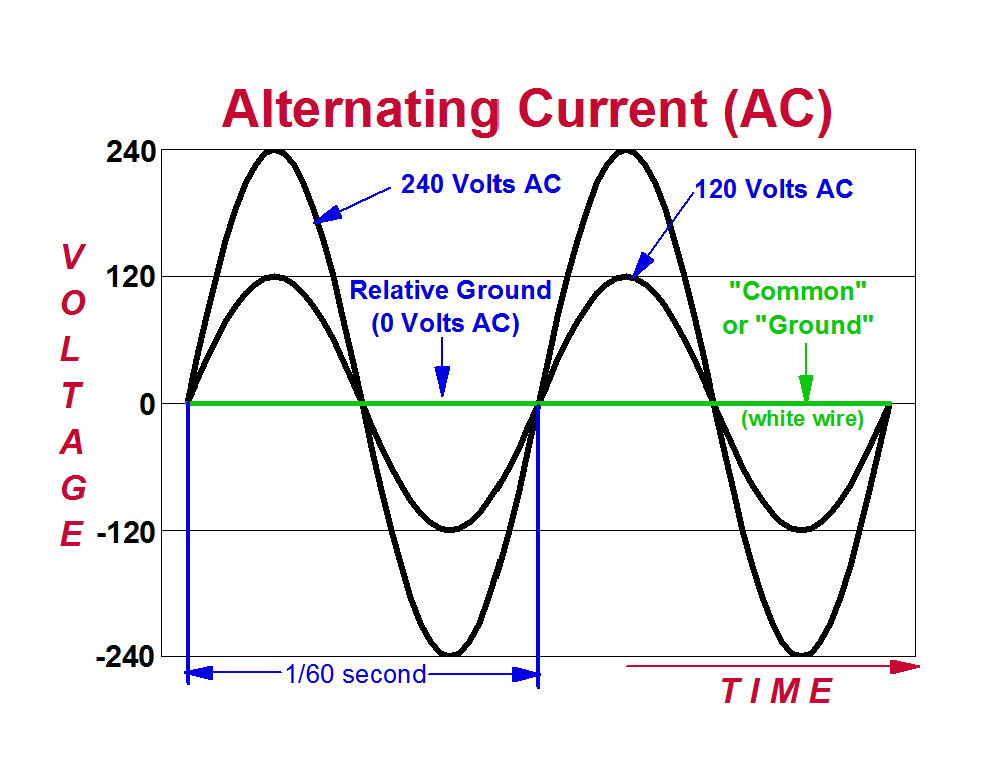
At its core, Alternating Current is an electric current that periodically reverses direction and continuously changes its magnitude with time. If you were to plot its voltage or current over time, you’d typically see a sinusoidal wave pattern. This waveform is critical:
- Frequency: Measures how many times the current completes a full cycle (reverses direction and returns to its starting point) per second. Measured in Hertz (Hz), common frequencies are 50 Hz (e.g., Europe, Asia) and 60 Hz (e.g., North America). This frequency dictates the “heartbeat” of the power system, influencing everything from motor speeds to the flicker rate of older lights.
- Amplitude: Represents the peak voltage or current reached during a cycle.
- Phase: Describes the timing relationship between multiple AC waveforms, crucial for multi-phase power systems.
When we talk about “AC volts,” we’re referring to the electrical potential difference or electromotive force that drives this alternating current. It’s the “push” behind the electrons, but unlike DC voltage, its direction and magnitude are constantly changing. This fluctuating nature, while seemingly complex, is precisely what gives AC its unique advantages, particularly when it comes to power transmission and the efficient operation of a wide array of electrical devices and industrial machinery.
DC vs. AC: A Historical Power Struggle
The dominance of AC was not a given; it was the result of a legendary “War of the Currents” in the late 19th century. On one side was Thomas Edison, championing Direct Current (DC), which powered his early incandescent lights and motors. On the other stood Nikola Tesla and George Westinghouse, advocating for Alternating Current.
The core advantage of AC, and thus AC volts, lies in its ability to be easily transformed. Transformers can step up AC voltage for long-distance transmission, significantly reducing current and therefore power loss due to resistance in the wires. Once it reaches its destination, transformers can then step down the voltage to safer and more usable levels for homes and businesses. This capability was a game-changer. DC, in contrast, could not be efficiently stepped up or down without significant energy loss and complex rotary converters, making long-distance transmission economically unfeasible.
This historical contest isn’t just an anecdote; it’s a foundational lesson in Tech innovation and Brand strategy. Tesla’s innovative AC system, though initially facing fierce resistance and a smear campaign from Edison, ultimately proved superior for establishing a widespread, economically viable electrical grid. Westinghouse’s adoption and branding of AC power laid the groundwork for modern utility companies, demonstrating how technological superiority, combined with effective deployment, can shape an entire industry and global infrastructure for over a century. The battle illuminated how critical infrastructure choices, rooted in fundamental electrical engineering principles like AC voltage transformation, directly impact economic development and societal progress.
The Science Behind AC Voltage: Key Concepts and Measurements
To truly harness and understand AC volts in practical applications—from designing cutting-edge AI tools to optimizing energy consumption for Money savings—one must grasp the specific technical concepts that define its measurement and behavior. It’s not enough to know it alternates; precision in its quantification is key to modern Tech development.
RMS Voltage: The “Effective” Value You Hear About
Because AC voltage is constantly changing, simply stating its peak value isn’t always practical for comparing its effect to DC. This is where Root Mean Square (RMS) voltage comes in. RMS voltage is the effective value of AC voltage, defined as the value of a DC voltage that would produce the same amount of heat in a resistive load. In simpler terms, if a heating element is powered by 120V AC (RMS), it will generate the same amount of heat as if it were powered by 120V DC.
- Why RMS? It provides a consistent way to compare AC and DC power delivery. When you hear about household voltages like 120V in North America or 230V in Europe, these are almost always RMS values.
- Calculation: For a pure sine wave, the RMS voltage is approximately 0.707 times the peak voltage (V_peak / √2). This means that a 120V RMS AC outlet actually has a peak voltage of about 170V. Understanding this distinction is crucial for sensitive electronics, as components must be rated to handle the peak voltage, even if the RMS value is lower.
This precise definition of AC voltage allows engineers to design power supplies, circuits, and devices with accuracy, ensuring both safety and performance. Without a standardized effective measurement like RMS, integrating diverse Tech components or troubleshooting complex systems would be significantly more challenging.
Frequency: The Heartbeat of Your Power Grid
As mentioned, frequency is the rate at which AC voltage completes its cycles, measured in Hertz (Hz). The two most common frequencies worldwide are 50 Hz and 60 Hz.
- 50 Hz vs. 60 Hz: This difference stems from historical engineering decisions and the early development of power grids in different regions. While both are perfectly effective, devices designed for one frequency may not operate optimally or safely on the other. For example, clocks, motors, and some transformers are sensitive to frequency.
- Impact on Devices: Modern electronic devices, especially those with switch-mode power supplies (like laptop chargers), are often designed to be “universal” and operate on both 50 Hz and 60 Hz. However, larger appliances or specialized industrial machinery might require specific frequencies. Mismatching frequencies can lead to overheating, reduced efficiency, or device failure, which has direct Money implications in terms of repair costs or energy waste.
For global Tech companies developing products, understanding and designing for these frequency differences is a critical part of product development and international market entry strategy, affecting everything from manufacturing to Brand reputation.
Phase: Synchronizing Power
Beyond single-phase power, which is common in homes, many industrial and commercial applications utilize three-phase AC power.
- Single-Phase: A single AC waveform, providing power to common outlets.
- Three-Phase: Consists of three separate AC waveforms, each offset by 120 degrees relative to the others. This configuration provides a constant, smoother power delivery than single-phase, making it ideal for large motors and high-power applications.
- Applications: Three-phase power is ubiquitous in data centers, factories, and large commercial buildings because it’s more efficient for transmitting large amounts of power and ideal for operating robust machinery.
The concept of phase is essential for electrical engineers designing power distribution systems and for the optimal performance of heavy-duty Tech equipment. Incorrect phasing can lead to inefficiency, equipment damage, and significant disruptions, underscoring its importance in the broader context of reliable power infrastructure and financial stability for businesses.

AC Volts in the Digital Age: Powering Our Tech World
While our digital devices run on low-voltage Direct Current (DC), the journey of that power typically begins with high-voltage AC from the wall. Understanding this conversion process and the implications of AC power for modern Tech is crucial, from the smallest gadget to the most sophisticated AI server farm.
From Wall Outlet to Device: The Journey of AC Power
Every time you plug in your smartphone charger, laptop, or smart home device, you’re initiating a critical transformation process. The power adapter, often a small brick or a compact wall wart, is more than just a plug; it’s a sophisticated piece of Tech that performs several vital functions:
- Rectification: Converts the incoming AC voltage into pulsating DC voltage.
- Filtering: Smooths out the pulsations to create a steady DC voltage.
- Regulation: Ensures the DC voltage remains stable at the required level (e.g., 5V for USB, 19V for a laptop) even if the AC input fluctuates.
- Step-Down Transformation: Often, the adapter first uses a transformer to reduce the high AC voltage (e.g., 120V or 230V) to a lower AC voltage before converting it to DC.
The stability and quality of the AC voltage fed into these adapters directly impact the longevity and performance of your devices. Unstable AC power can stress the adapter’s components, leading to premature failure and potential damage to the connected gadget. This is where concepts like surge protectors and Uninterruptible Power Supplies (UPS) become vital components of personal and corporate Digital Security strategies, protecting valuable electronics and data from the vagaries of the power grid. For businesses, downtime due to power issues translates directly into lost Money and damaged Brand reputation.
Energy Efficiency and Smart Grids: Optimizing AC Power
The future of power distribution and consumption is increasingly intertwined with Tech innovations aimed at maximizing efficiency and sustainability. Smart grids, enabled by advanced sensors, communication networks, and AI-driven analytics, represent a significant leap forward in how AC power is managed.
- Smart Homes & IoT: Devices within smart homes monitor and control energy usage, dynamically adjusting power consumption based on occupancy, time of day, and utility rates. This directly impacts household Money savings.
- Renewable Energy Integration: AC power is central to integrating renewable energy sources like solar and wind into the grid. Inverters convert DC power from solar panels into grid-compatible AC, while wind turbines directly generate AC. Smart grid technology optimizes the flow and stability of this renewable AC power.
- Demand-Side Management: Smart grids enable utilities to communicate with consumers and businesses to encourage reduced power consumption during peak times, balancing the load and preventing brownouts. This is a critical financial tool for utilities and can offer incentives for consumers.
From a Tech perspective, optimizing AC power flow in a smart grid involves complex algorithms, robust communication protocols, and real-time data analysis, all aimed at enhancing efficiency and reliability. These advancements not only reduce energy waste but also contribute to a greener planet, aligning with both financial prudence and corporate responsibility.
Beyond the Basics: Practical Implications and Safety
While AC volts are the unseen force powering our lives, understanding their practical implications, especially regarding safety, is non-negotiable. Whether you’re a curious hobbyist or a professional dealing with complex power systems, a healthy respect for AC electricity is paramount.
Measuring AC Voltage: Tools and Techniques
Accurately measuring AC voltage is a fundamental skill in electronics and electrical work.
- Multimeters: These versatile handheld devices are standard tools for measuring voltage (AC and DC), current, and resistance. When measuring AC voltage, ensure the multimeter is set to the correct ACV range.
- Oscilloscopes: For more detailed analysis, an oscilloscope provides a visual representation of the AC waveform, allowing engineers and technicians to observe frequency, amplitude, phase, and any distortions or noise present in the signal. This is invaluable for diagnosing complex electrical issues and ensuring signal integrity in sensitive Tech applications.
- Voltage Testers: Simpler devices that indicate the presence of AC voltage without providing a precise reading, often used for quick safety checks.
Knowing how to use these tools correctly is not just a matter of technical proficiency; it’s a key aspect of Digital Security for equipment and personal safety. Incorrect measurements can lead to misdiagnoses, potential damage to equipment, or even dangerous situations.
Safety First: Respecting the Power of AC
AC voltage, especially at household and industrial levels, carries significant risks. A shock from household current can be lethal, making safety protocols and education critical.
- Grounding: A vital safety feature in AC systems, grounding provides a safe path for fault currents to return to the source, preventing dangerous voltage buildup on equipment chassis.
- Insulation: Electrical wires and components are covered with insulating materials to prevent accidental contact with live conductors.
- Circuit Breakers and Fuses: These devices automatically interrupt the circuit when current exceeds a safe level, preventing overheating, fire, and damage to devices.
- Lockout/Tagout Procedures: In industrial settings, strict protocols are followed to ensure equipment is de-energized and locked out before maintenance, preventing accidental startup.
Ignoring these safety measures can have catastrophic consequences, from equipment destruction (a significant Money loss) to severe injury or death. For Tech companies, embedding safety features into product design is not just a regulatory requirement but a fundamental aspect of Brand responsibility and customer trust. A product that is unsafe, regardless of its technological prowess, will quickly erode consumer confidence.
The Brand and Business of AC Power: From Utilities to Consumers
The world of AC volts extends far beyond engineering diagrams and circuit boards; it’s intricately woven into the fabric of commerce, impacting brand perception, financial stability, and global economic development. From the largest utility providers to the smallest consumer, the reliability and cost of AC power are paramount.
Brand Reliability and Power Infrastructure
For utility companies, their entire Brand identity is built on the consistent and reliable delivery of AC power. A power outage isn’t just an inconvenience; it’s a direct assault on the utility’s reputation. Major outages can trigger public outcry, erode customer trust, and even lead to regulatory penalties. This underscores the critical importance of robust infrastructure, proactive maintenance, and rapid response systems, all centered around ensuring stable AC voltage and frequency across the grid.
Similarly, Tech brands that produce critical infrastructure—from servers to networking equipment—rely on a stable AC power supply to function. Data centers, for example, invest heavily in redundant power systems, including UPS units and generators, to ensure uninterrupted service. The inability to deliver consistent power can lead to service disruptions, data loss, and severe damage to a company’s Brand image and customer loyalty. In the age of always-on digital services, a reliable power supply isn’t just a utility; it’s a core component of a brand’s promise.

Economic Impact: AC Volts and the Global Economy
The flow of AC volts is the lifeblood of the global economy. Industrial power consumption, measured in vast quantities of kilowatt-hours, drives manufacturing, transportation, and agricultural sectors worldwide.
- Business Finance: For businesses, electricity costs represent a significant operational expense. Understanding and optimizing AC power consumption directly impacts the bottom line, influencing everything from pricing strategies to investment in energy-efficient machinery. Energy management software and smart grid solutions, as mentioned earlier, offer tangible ways to reduce these costs, impacting Business Finance positively.
- National Infrastructure: Investment in power generation, transmission, and distribution—all centered around AC power systems—is a monumental undertaking for governments and private entities. These investments underpin national productivity, attract foreign investment, and are crucial for economic growth.
- Online Income & Side Hustles: Even in the realm of online income and side hustles, reliable AC power is a silent partner. From charging the laptop used for remote work to powering the servers that host e-commerce platforms, the stability of the electrical grid is fundamental to earning a living in the digital sphere. Any disruption can lead to lost opportunities and financial setbacks.
In essence, AC volts represent more than just a scientific phenomenon; they are the unseen engine driving our technological progress, economic prosperity, and daily lives. Understanding them allows us to navigate our electrified world with greater intelligence, efficiency, and safety, making informed decisions that impact our Tech usage, Brand loyalty, and Money management.
aViewFromTheCave is a participant in the Amazon Services LLC Associates Program, an affiliate advertising program designed to provide a means for sites to earn advertising fees by advertising and linking to Amazon.com. Amazon, the Amazon logo, AmazonSupply, and the AmazonSupply logo are trademarks of Amazon.com, Inc. or its affiliates. As an Amazon Associate we earn affiliate commissions from qualifying purchases.