
In the realm of health diagnostics, certain biomarkers stand out for their versatility and diagnostic power. C-Reactive Protein (CRP) is one such marker, a protein that offers a window into the inflammatory processes occurring within the body. While its primary domain is medicine, the understanding and application of CRP testing are increasingly influenced by the very fields that define this website: Technology, Brand, and Money. This article will delve into the nature of CRP, its significance in healthcare, and how advancements in technology, the branding of diagnostic services, and the economic implications of testing all converge to shape its role.
Understanding C-Reactive Protein: The Body’s Inflammatory Signal
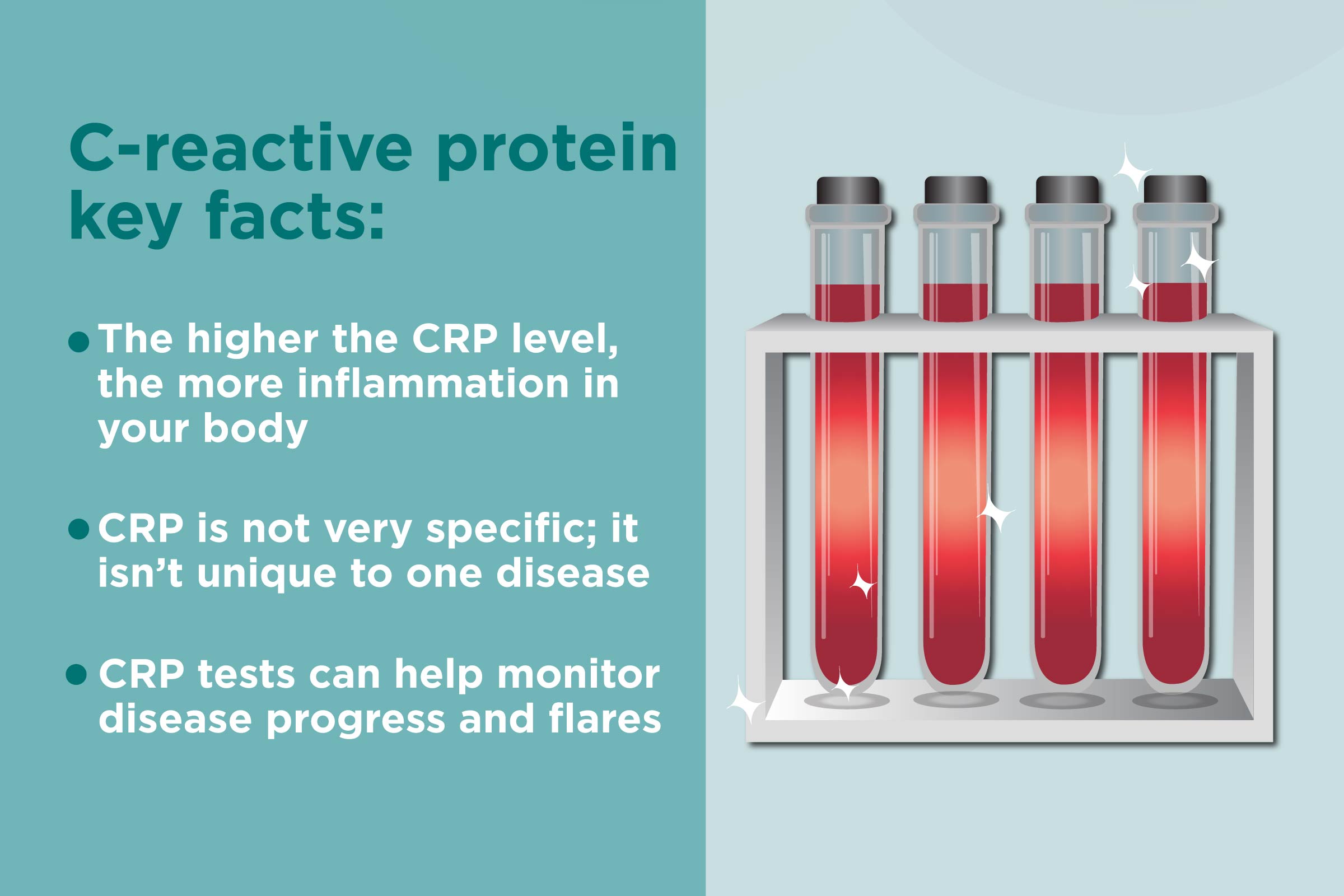
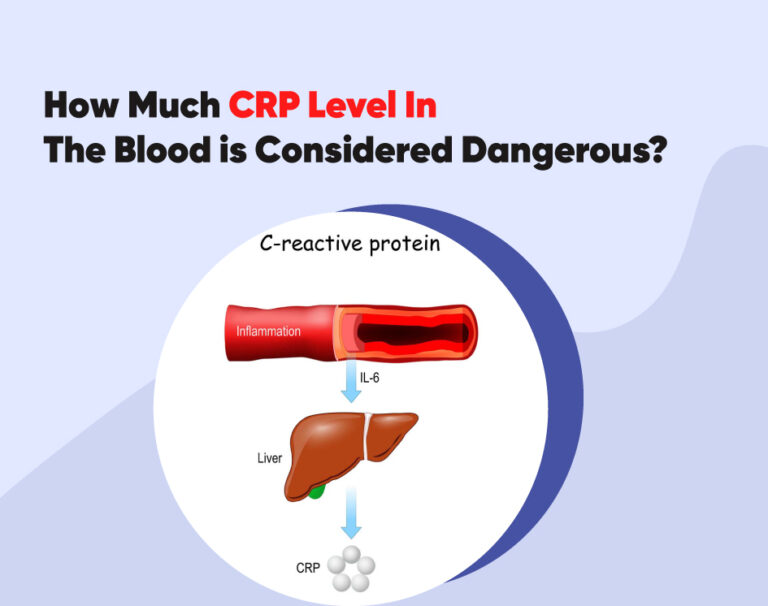
At its core, C-Reactive Protein is a substance produced by the liver. Its levels in the bloodstream rise significantly when there is inflammation in the body. This inflammation can be triggered by a vast array of conditions, from acute infections and injuries to chronic diseases like arthritis and cardiovascular disease. CRP itself doesn’t cause inflammation; rather, it’s a marker, an indicator that the body’s immune system is actively responding to a threat or damage.
The Biological Role of CRP
CRP’s primary function is to aid the immune system in its response. It’s a type of protein known as an acute-phase reactant. This means its production ramps up rapidly in response to inflammation. Once CRP binds to damaged or infected cells, it can activate the complement system, a cascade of proteins that helps to clear away pathogens and cellular debris. It can also tag pathogens for destruction by immune cells. In essence, CRP is a swift responder, helping to identify and neutralize threats.
CRP Levels: A Spectrum of Significance
The concentration of CRP in the blood is measured in milligrams per liter (mg/L). While normal CRP levels are typically quite low, often below 3 mg/L, this threshold can vary slightly between laboratories.
-
Low-Level Elevation (e.g., 3-10 mg/L): This might indicate mild inflammation. It could be due to minor infections, tissue injury, or even conditions like gum disease. In the context of chronic diseases, a persistent low-level elevation can be a subtle sign of underlying ongoing inflammation.
-
Moderate Elevation (e.g., 10-40 mg/L): This range suggests more significant inflammation, often associated with acute infections (bacterial or viral), trauma, or inflammatory conditions like some forms of arthritis.
-
High Elevation (e.g., >40 mg/L): This typically signifies severe inflammation, commonly seen in serious bacterial infections (like sepsis), major tissue injury, or significant inflammatory flares in chronic diseases.
It’s crucial to understand that CRP is a non-specific marker. This means a high CRP level doesn’t pinpoint a single disease. Instead, it signals that something is causing inflammation, and further diagnostic investigation is required to determine the underlying cause. This is where the interplay with technology, brand, and money becomes particularly relevant, as these factors influence how CRP is measured, interpreted, and ultimately acted upon.
Technological Advancements in CRP Testing: Speed, Accuracy, and Accessibility
The evolution of diagnostic technology has profoundly impacted CRP testing, making it faster, more accurate, and more accessible than ever before. These technological leaps directly influence the efficiency and scope of healthcare delivery.
Innovations in Assay Development
The methods used to measure CRP have become increasingly sophisticated. Traditional laboratory-based assays, while accurate, could take time. Modern point-of-care testing (POCT) devices have revolutionized this. These are small, portable instruments that can perform a CRP test using a small blood sample (often from a finger prick) and deliver results within minutes.
-
Immunoassays: The foundation of most CRP testing relies on immunoassay techniques. These methods use antibodies that specifically bind to CRP. This binding triggers a detectable signal (e.g., color change, fluorescence) that is proportional to the amount of CRP present. Advanced immunoassay platforms offer high sensitivity and specificity, ensuring reliable results.
-
Multiplexing Technologies: The trend towards integrating multiple diagnostic tests into a single platform is also impacting CRP testing. Multiplex assays can simultaneously measure CRP alongside other inflammatory markers or disease-specific biomarkers. This not only saves time and resources but also provides a more comprehensive picture of a patient’s health status.
The Role of AI and Data Analytics
The integration of Artificial Intelligence (AI) and advanced data analytics is another frontier in CRP testing. While AI isn’t directly performing the chemical reaction, it plays a crucial role in:
-
Interpreting Results: AI algorithms can analyze CRP levels in conjunction with other patient data (symptoms, medical history, other lab results) to help clinicians make more informed diagnoses and treatment decisions. This is particularly valuable in complex cases or when subtle trends are important.
-
Predictive Modeling: By analyzing large datasets of CRP results and patient outcomes, AI can help develop predictive models for disease progression or the risk of complications. For example, it might help identify patients at higher risk of cardiovascular events based on their CRP levels and other risk factors.
-
Quality Control and Optimization: AI can also be used to monitor the performance of diagnostic instruments, identify potential issues with assays, and optimize testing protocols, ensuring consistent accuracy and efficiency.
Digital Health and Remote Monitoring
The rise of digital health platforms and wearable devices is opening new avenues for CRP monitoring. While not yet mainstream for CRP, the concept of remote patient monitoring, where vital signs and key biomarkers are tracked outside of a traditional clinical setting, is gaining traction. Imagine a future where a wearable sensor, combined with a microfluidic device for blood sampling, could alert a patient and their doctor to a rising CRP level, prompting early intervention. This level of proactive health management, enabled by technology, could significantly alter how chronic inflammatory diseases are managed.
Branding and Perceived Value in CRP Testing
Beyond the scientific and technological aspects, the brand of a diagnostic service or product plays a significant role in its adoption, trust, and perceived value. For CRP testing, this manifests in several ways.
The Trust Factor: Brand Reputation in Diagnostics
When it comes to health, trust is paramount. A diagnostic company’s brand reputation is built on a foundation of accuracy, reliability, and ethical practices. For CRP testing, this means:
-
Accreditation and Certification: Laboratories and device manufacturers must adhere to stringent quality standards, such as those set by the College of American Pathologists (CAP) or ISO certifications. Demonstrating compliance through respected accreditations is a powerful branding tool that assures healthcare providers and patients of the test’s validity.
-
Clinical Validation and Evidence: Brands that invest in robust clinical studies and publish their findings in peer-reviewed journals build credibility. This evidence-based approach reinforces the diagnostic accuracy and clinical utility of their CRP assays.
-
Customer Service and Support: The overall experience of ordering, performing, and interpreting a CRP test contributes to a brand’s image. Responsive customer support, clear reporting, and educational resources can differentiate a provider.
Marketing and Patient Education
Effective marketing and patient education are crucial for ensuring CRP tests are used appropriately and understood correctly.
-
Demystifying CRP: The term “C-Reactive Protein” can sound technical and intimidating. Brands that can translate complex scientific concepts into accessible language for patients through website content, brochures, and social media are building a stronger connection. This includes explaining why a CRP test is ordered and what the results might mean in simple terms.
-
Highlighting the Benefits: Marketing efforts often focus on the benefits of CRP testing, such as its role in early disease detection, monitoring treatment effectiveness, and assessing cardiovascular risk. The personal branding of healthcare professionals who advocate for or utilize specific CRP testing technologies also contributes to its perceived importance.
-
Distinguishing Value: In a competitive market, brands need to differentiate themselves. This could be through superior accuracy, faster turnaround times (enabled by technology), better integration with electronic health records (EHRs), or specialized panels that include CRP alongside other relevant markers.
Corporate Identity and Healthcare Partnerships
The corporate identity of diagnostic companies is also shaped by their relationships within the healthcare ecosystem. Partnerships with hospitals, clinics, and research institutions lend further credibility and visibility to their CRP testing solutions. This collaborative branding strategy can elevate their standing as trusted partners in patient care.
The Economic Landscape of CRP Testing: Cost, Access, and Investment
The money aspect of CRP testing is multifaceted, encompassing the cost of tests, reimbursement policies, and the economic impact of managing inflammatory conditions.
Cost-Effectiveness and Reimbursement
The cost of CRP testing is a significant consideration for healthcare systems, insurers, and patients.
-
Laboratory vs. POCT Costs: Traditional laboratory-based CRP tests are generally less expensive per test than POCT devices. However, POCT offers the advantage of immediate results, potentially reducing downstream costs associated with delayed diagnosis and extended hospital stays. The economic trade-off between upfront cost and potential long-term savings is a key factor in adoption.
-
Insurance and Reimbursement: Insurance coverage and reimbursement rates for CRP testing can vary. For routine screening or specific diagnostic indications, reimbursement is often straightforward. However, for more niche applications or when tests are performed frequently, the economic implications for patients and providers can be substantial. Financial tools and platforms that help patients understand and manage their healthcare costs, including lab tests, are becoming increasingly important.
Investing in Diagnostic Innovation
The development of new and improved CRP assays requires significant investment. Companies are constantly innovating to improve sensitivity, specificity, speed, and ease of use. This research and development (R&D) is driven by the potential market demand and the perceived value of better diagnostic tools.
-
Venture Capital and Funding: Venture capital firms and other investors play a crucial role in funding the startups and established companies pushing the boundaries of diagnostic technology. Their investment decisions are based on market potential, technological feasibility, and the expected return on investment.
-
Return on Investment for Healthcare Providers: For hospitals and clinics, investing in advanced CRP testing capabilities can lead to improved patient outcomes, increased operational efficiency, and a stronger competitive position. The ability to offer faster, more accurate diagnostics can be a significant differentiator.
The Economic Burden of Chronic Inflammation
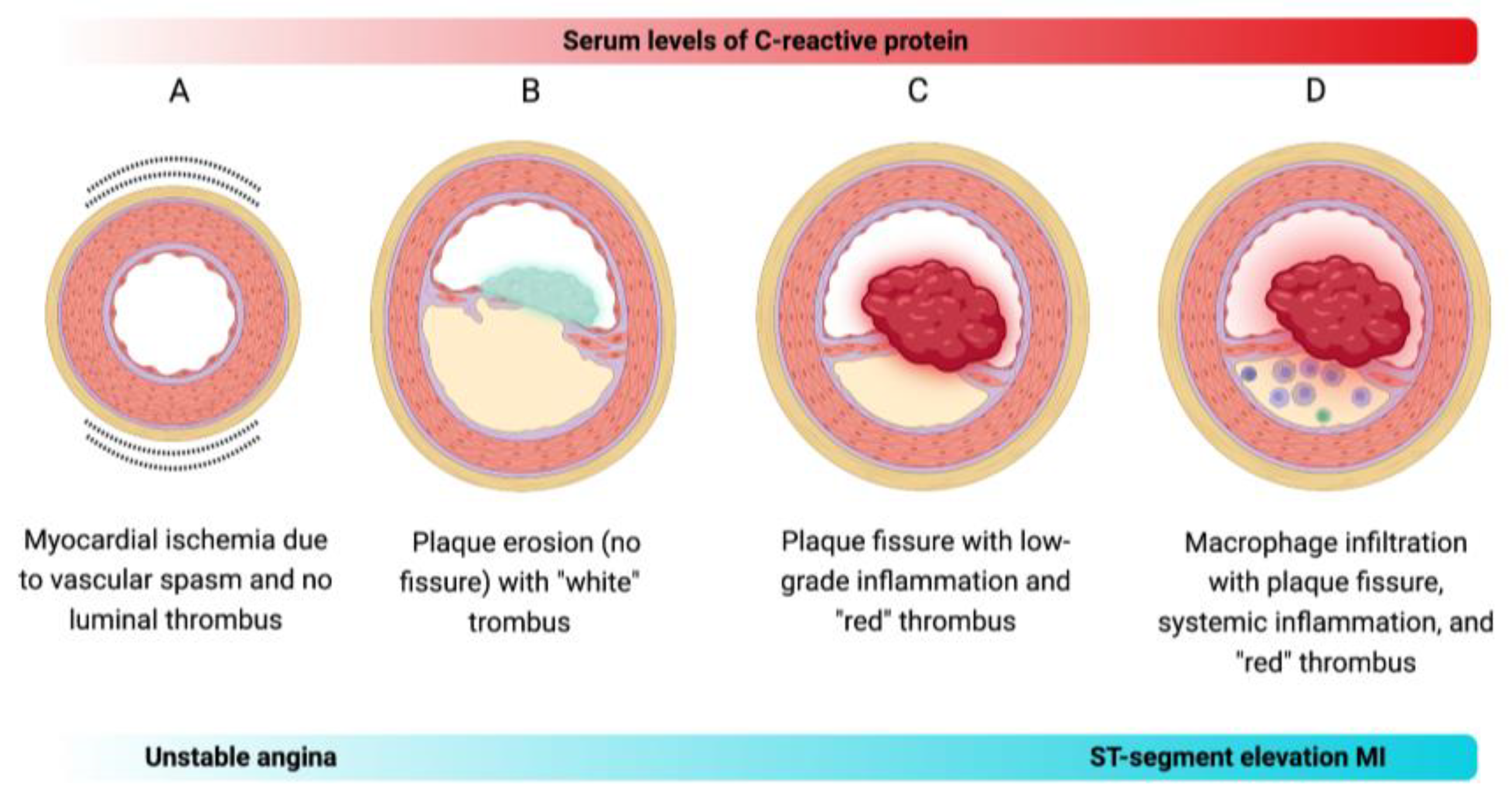
Ultimately, the economic impact of CRP testing is closely tied to the management of chronic inflammatory diseases. Conditions like cardiovascular disease, rheumatoid arthritis, and inflammatory bowel disease represent a significant economic burden on individuals and healthcare systems worldwide. CRP testing, by enabling earlier diagnosis, more precise monitoring of disease activity, and evaluation of treatment response, can contribute to:
-
Reduced Healthcare Expenditures: By identifying and managing inflammation effectively, CRP testing can help prevent exacerbations, complications, and hospitalizations, thereby reducing overall healthcare costs.
-
Improved Productivity and Quality of Life: For individuals suffering from chronic inflammatory conditions, effective management through tools like CRP testing can lead to improved quality of life, reduced pain, and the ability to maintain employment and engage in daily activities. This translates to significant economic benefits at both the individual and societal level.
-
Side Hustles and the Health Tech Economy: The growth of the health technology sector, including diagnostic innovation, also creates economic opportunities. From software developers specializing in diagnostic data analysis to entrepreneurs launching new testing solutions, there’s a burgeoning ecosystem contributing to online income and economic growth.
In conclusion, while C-Reactive Protein is a fundamental biological marker of inflammation, its journey from the laboratory to clinical application is deeply intertwined with the evolving landscapes of technology, brand perception, and economic realities. As technology continues to refine our ability to detect and interpret CRP, as brands build trust and awareness around diagnostic services, and as economic models dictate access and investment, CRP remains a vital tool, continually shaped by the forces that drive innovation and healthcare delivery.
aViewFromTheCave is a participant in the Amazon Services LLC Associates Program, an affiliate advertising program designed to provide a means for sites to earn advertising fees by advertising and linking to Amazon.com. Amazon, the Amazon logo, AmazonSupply, and the AmazonSupply logo are trademarks of Amazon.com, Inc. or its affiliates. As an Amazon Associate we earn affiliate commissions from qualifying purchases.