
In the complex ecosystem of healthcare, precise terminology is not merely an academic exercise; it forms the bedrock of effective communication, accurate diagnosis, and, crucially, financial management. Among the myriad abbreviations and acronyms that populate medical records, “AC” stands out as a deceptively simple yet multifaceted term. Its interpretation can vary significantly depending on the clinical context, influencing everything from medication adherence to critical care costs. For patients, providers, and financial stakeholders alike, a deep understanding of “AC” extends beyond its clinical definition, directly impacting financial flows, billing accuracy, and personal healthcare expenditures.
This article delves into the various meanings of “AC” in medical terminology and meticulously unpacks their profound financial implications. From prescription costs to intensive care unit bills, the seemingly small abbreviation “AC” casts a surprisingly long shadow over the economic landscape of healthcare.
Decoding “AC” in Clinical Practice and Its Cost Footprint
The primary challenge and financial impact of “AC” stem from its contextual variability. Different clinical scenarios assign entirely distinct meanings to this abbreviation, each carrying its own set of financial consequences.
“AC” as “Ante Cibum” (Before Meals): The Economic Impact of Medication Adherence
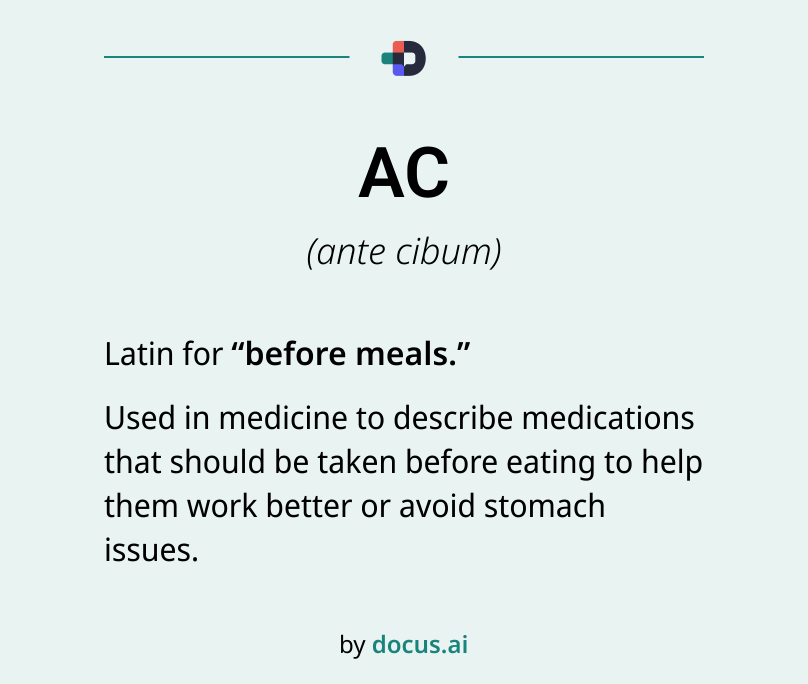
Perhaps one of the most common interpretations, “AC” as “Ante Cibum” (Latin for “before meals”) is a critical instruction for medication administration. Many drugs are prescribed to be taken “AC” to optimize absorption, minimize side effects, or ensure proper therapeutic action. The financial implications here are substantial and often overlooked.
Firstly, precise adherence to “AC” instructions directly affects medication efficacy. If a patient misinterprets “AC” or fails to follow instructions, the medication may not work as intended, leading to treatment failures, progression of disease, or the need for more aggressive and expensive interventions down the line. For chronic conditions like diabetes or hypertension, poor adherence, often linked to misunderstanding dosing schedules, can result in preventable hospitalizations, emergency room visits, and the escalation to pricier, more complex drug regimens. These costs accumulate rapidly, burdening both the individual patient (through out-of-pocket expenses, deductibles, and co-pays) and the healthcare system (through increased utilization of high-cost services).
Secondly, the cost of wasted medication due to improper use or non-adherence is a significant financial drain. Patients who do not take their medications correctly might experience less benefit, leading them to believe the drug is ineffective and discontinue use, leaving unused—and unreimbursed—prescriptions. Understanding “AC” correctly is thus a fundamental aspect of optimizing medication spending and ensuring that prescribed therapies deliver their intended financial and health value.
“AC” as “Anterior Chamber” (Ophthalmology): Financial Considerations in Eye Care
In ophthalmology, “AC” refers to the “anterior chamber,” the fluid-filled space between the cornea and the iris. Conditions affecting the anterior chamber, such as glaucoma, uveitis, or cataracts, are common and require specialized care, diagnostics, and often, surgical interventions. The financial implications here are tied to the high costs associated with specialized eye care.
Diagnostic procedures for anterior chamber conditions, such as slit-lamp examinations, gonioscopy, and intraocular pressure measurements, incur consultation and procedure fees. While some are routine, others can be costly. When conditions progress to require surgical intervention, such as cataract extraction or glaucoma surgery, the expenses escalate dramatically. These procedures involve significant facility fees, surgeon fees, anesthesiology costs, and post-operative medication.
For patients, understanding that a diagnosis related to the “AC” implies specialized ophthalmic care can prepare them for potentially higher costs, especially if they have limited vision insurance or high deductibles. The financial burden can be substantial, leading to difficult decisions about treatment access. For providers, accurate diagnosis and documentation of “AC” conditions are vital for correct coding and ensuring appropriate reimbursement from insurers for these high-value services. Early intervention in “AC”-related conditions, often guided by precise terminology, can sometimes prevent more costly, advanced-stage treatments, highlighting the long-term financial benefits of accurate clinical communication.
“AC” in Critical Care: “Assisted Control” Ventilation and Its Financial Weight
In the critical care setting, “AC” commonly stands for “Assisted Control” ventilation, a mode of mechanical ventilation used for patients who require significant respiratory support. This context places “AC” firmly within the realm of intensive care units (ICUs), which are among the most expensive areas of a hospital.
The financial weight of “AC” ventilation is immense. Patients requiring assisted control ventilation are typically critically ill, often suffering from severe respiratory failure, sepsis, trauma, or post-surgical complications. Their care involves not just the ventilator itself (which is a costly piece of equipment to acquire and maintain), but also continuous monitoring, specialized nursing care (often with a high nurse-to-patient ratio), multiple medications (sedatives, paralytics, antibiotics), and frequent diagnostic tests (blood gases, imaging).
A single day in an ICU can cost thousands of dollars, and prolonged stays, often necessary for patients on “AC” ventilation, can lead to medical bills skyrocketing into the hundreds of thousands or even millions of dollars. For healthcare systems, managing ICU beds and staffing is a huge financial undertaking. For patients and their families, these are often catastrophic financial events, even with robust insurance, due to high deductibles, co-insurance, and potential out-of-network charges. Understanding the severity and financial implications of “AC” in this context underscores the critical need for comprehensive health insurance and clear financial counseling for families facing such crises.
The Administrative and Billing Significance of “AC”
Beyond direct clinical contexts, the accurate interpretation and documentation of “AC” are paramount in the administrative and financial backbone of healthcare: medical billing and insurance claims. Misunderstandings or miscoding can lead to substantial financial discrepancies.
Accurate Coding and Reimbursement: How “AC” Affects the Bottom Line
Medical coding is the process of transforming healthcare diagnoses, procedures, medical services, and equipment into universal medical alphanumeric codes. These codes (such as CPT for procedures and ICD-10 for diagnoses) are essential for processing insurance claims and ensuring proper reimbursement. When “AC” is part of a clinical note, its correct interpretation by coders is critical.
For instance, if a physician notes “AC meds” (ante cibum medications), this might influence the coding for medication management services or specific drug costs. If a procedure is performed on the “AC” (anterior chamber), the specific CPT code chosen will reflect this, impacting the reimbursement rate for that ophthalmic surgery. In critical care, the accurate documentation and coding of “AC” ventilation and the associated intensive services are crucial for hospitals to be reimbursed for the high costs of ICU care.
Errors in coding due to misinterpretation of “AC” can lead to claim denials, delayed payments, or incorrect reimbursement amounts. For providers, this translates directly into revenue loss and administrative overhead spent on appeals. For patients, coding errors can result in incorrect bills, requiring them to pay for services that should have been covered or to dispute charges, leading to financial stress and confusion. Thus, the precise understanding of “AC” is not just about medical accuracy but about ensuring financial integrity in healthcare transactions.
Navigating Insurance Claims and Patient Liabilities

Insurance companies rely heavily on the clarity and accuracy of medical documentation and coding to process claims. When terms like “AC” are used, their correct interpretation by the payer is vital for approving coverage and determining patient liabilities (deductibles, co-pays, co-insurance).
If “AC”-related procedures or medications are not clearly documented or if the coding submitted to the insurer does not precisely reflect the services rendered based on the clinical meaning of “AC,” claims can be denied. For example, an insurance company might deny coverage for a specific glaucoma medication if the supporting documentation related to the “AC” (anterior chamber) is insufficient or poorly coded. This leaves the patient responsible for the full cost of the service or medication.
Patients often receive an “Explanation of Benefits” (EOB) from their insurer, detailing what was covered and what their financial responsibility is. Understanding medical terminology, including the various meanings of “AC,” can empower patients to review these documents critically, identify potential errors, and advocate for themselves regarding denied claims. The clarity around “AC” can therefore directly impact a patient’s out-of-pocket expenses and their ability to successfully navigate the often-opaque world of health insurance.
“AC” in Medical Device Technology: Procurement, Maintenance, and Operational Costs
While often associated with anatomical or temporal meanings, “AC” also finds a significant place in the realm of medical technology, specifically as “Alternating Current.” This interpretation carries substantial financial implications related to equipment acquisition, operation, and long-term facility planning.
Alternating Current (AC) in Medical Equipment: The Price of Powering Healthcare
A vast array of sophisticated medical devices, from MRI and CT scanners to operating room equipment and laboratory analyzers, operate on Alternating Current (AC) power. The financial burden associated with AC-powered medical technology begins with its initial procurement. These machines represent significant capital investments for hospitals and clinics, often costing hundreds of thousands to millions of dollars. The decision to purchase involves complex financial modeling, budgeting for depreciation, and assessing the return on investment through patient services.
Beyond acquisition, the operational costs of AC-powered equipment are substantial. This includes the electricity consumption itself, which for large machines like MRI scanners can be considerable. More critically, it involves the costs of specialized installation, regular maintenance, calibration, and repair by certified technicians. Downtime for such equipment due to power issues or malfunctions can lead to lost revenue for the facility and delays in patient care. The power infrastructure required to support these devices, including backup AC power systems, also represents a significant financial outlay.
Depreciation and Upgrade Cycles: Long-term Financial Planning for Medical Facilities
Medical technology evolves rapidly, and AC-powered devices are no exception. While a new CT scanner might be cutting-edge today, it will depreciate over time and eventually become outdated. Healthcare facilities must constantly budget for the depreciation of these assets and plan for costly upgrade cycles or complete replacements.
The financial planning involved in managing a fleet of AC-powered medical devices is immense. It requires forecasting future technological needs, securing capital for new acquisitions, and budgeting for the eventual decommissioning and disposal of old equipment. These costs are ultimately factored into the operational expenses of healthcare providers and can influence the pricing of medical services. For hospitals, understanding the long-term financial implications of investing in and maintaining AC-powered technology is critical for financial sustainability and the ability to provide state-of-the-art care.
Empowering Financial Literacy in Healthcare: The Patient’s Perspective on “AC”
For the individual patient, navigating the financial landscape of healthcare can be daunting. Understanding medical terminology, including the various meanings and implications of “AC,” is a crucial step towards greater financial literacy and control.
Understanding Medical Bills and Explanations of Benefits (EOBs)
Medical bills and Explanations of Benefits (EOBs) are often filled with jargon that can be confusing. Terms and codes related to “AC” (whether “ante cibum” for medication, “anterior chamber” for a procedure, or even references to AC power for equipment used) might appear on these documents. Patients who grasp the different meanings of “AC” can better scrutinize their bills, ask informed questions, and identify potential errors or discrepancies.
For instance, if an EOB shows a charge for an expensive ophthalmic procedure related to the “AC,” a patient who understands “anterior chamber” can connect this to a specific eye condition they were treated for. If a bill includes charges for “AC” ventilation, they can understand the context of their critical care stay. This knowledge empowers patients to challenge incorrect charges, dispute denied claims, and ensure they are only paying for services legitimately rendered and correctly coded. Financial literacy, starting with basic medical terminology, is a powerful tool in managing healthcare costs.
Informed Decision-Making: Cost-Benefit Analysis for “AC”-Related Treatments
When facing treatment options for conditions where “AC” terminology is relevant, patients can make more informed financial decisions if they understand the terms. For example, if a doctor discusses “AC” (anterior chamber) surgery for glaucoma, a financially literate patient would understand the potential costs involved and could proactively ask about:
-
The total estimated cost of the procedure, including facility fees, surgeon’s fees, and anesthesia.
-
Whether the procedure is covered by their insurance, and what their out-of-pocket expenses (deductible, co-insurance, co-pays) might be.
-
The cost of post-operative medications (e.g., “AC” eye drops) and follow-up visits.
-
Alternative, potentially less expensive, treatment options and their effectiveness.
By engaging in these discussions, patients can perform a personal cost-benefit analysis, weigh the financial burden against the potential health outcomes, and explore payment plans or financial assistance programs. This proactive approach, fueled by an understanding of medical terms like “AC,” helps mitigate unexpected financial shocks and promotes greater transparency in healthcare pricing.
Conclusion: Bridging Clinical Understanding with Financial Prudence
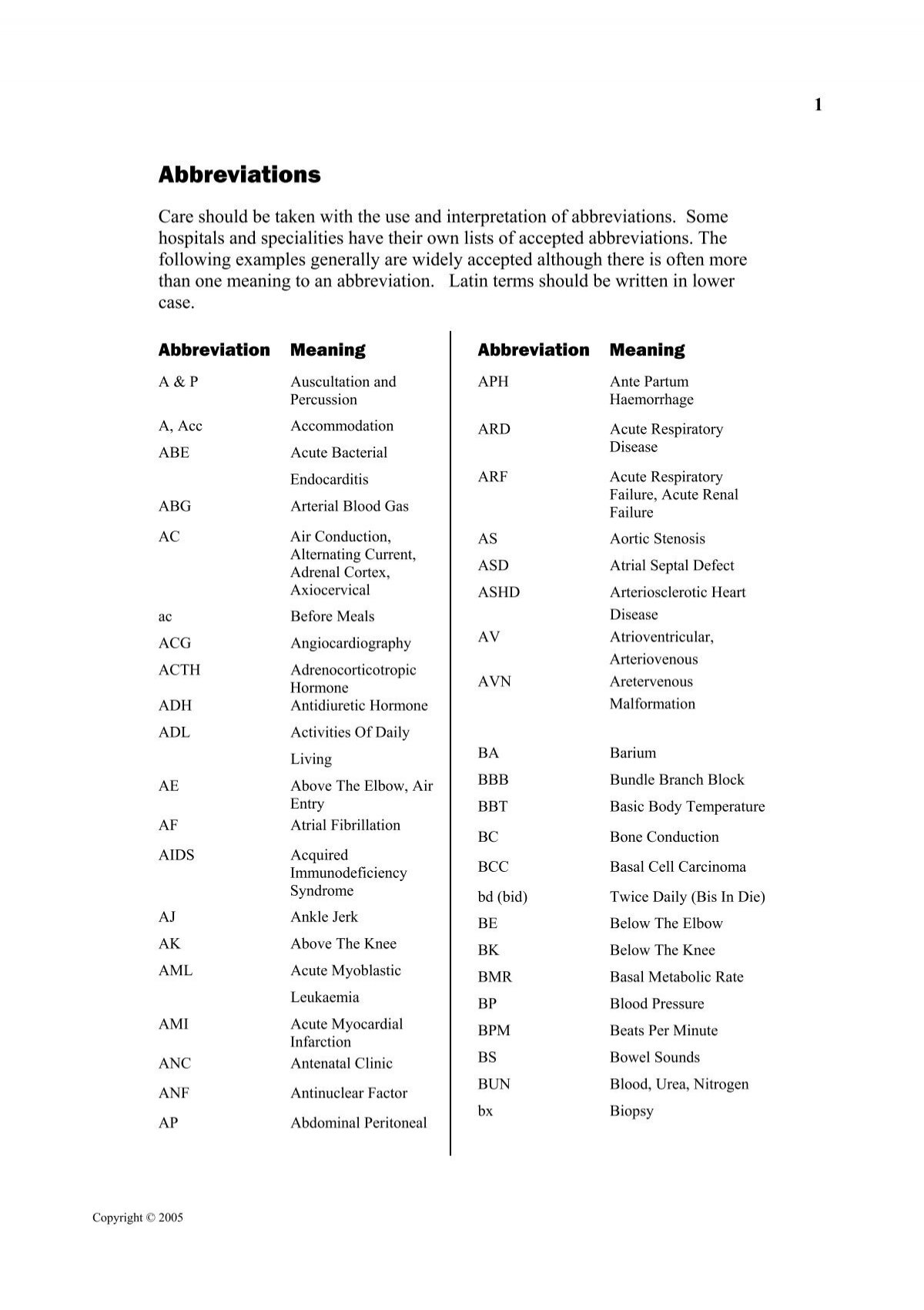
The abbreviation “AC” in medical terminology, despite its brevity, represents a nexus of clinical practice and financial implication. Whether it dictates medication timing (“ante cibum”), denotes a specific anatomical location (“anterior chamber”), or signifies critical life support (“assisted control” ventilation), its accurate interpretation is indispensable. Furthermore, its role as “Alternating Current” in medical technology underpins the massive capital and operational costs of modern healthcare infrastructure.
For healthcare professionals, a precise understanding of “AC” ensures optimal patient care, accurate documentation, and the integrity of billing and reimbursement processes, directly impacting institutional solvency. For patients, deciphering the various meanings of “AC” translates into greater financial literacy, enabling them to understand their medical bills, challenge inaccuracies, and make informed decisions about costly treatments.
Ultimately, bridging the gap between clinical understanding and financial prudence is essential for a sustainable healthcare system. Every term, including the seemingly innocuous “AC,” carries a hidden financial narrative that, when unveiled, empowers all stakeholders to navigate the complex economic realities of medicine with greater clarity and control.
aViewFromTheCave is a participant in the Amazon Services LLC Associates Program, an affiliate advertising program designed to provide a means for sites to earn advertising fees by advertising and linking to Amazon.com. Amazon, the Amazon logo, AmazonSupply, and the AmazonSupply logo are trademarks of Amazon.com, Inc. or its affiliates. As an Amazon Associate we earn affiliate commissions from qualifying purchases.