
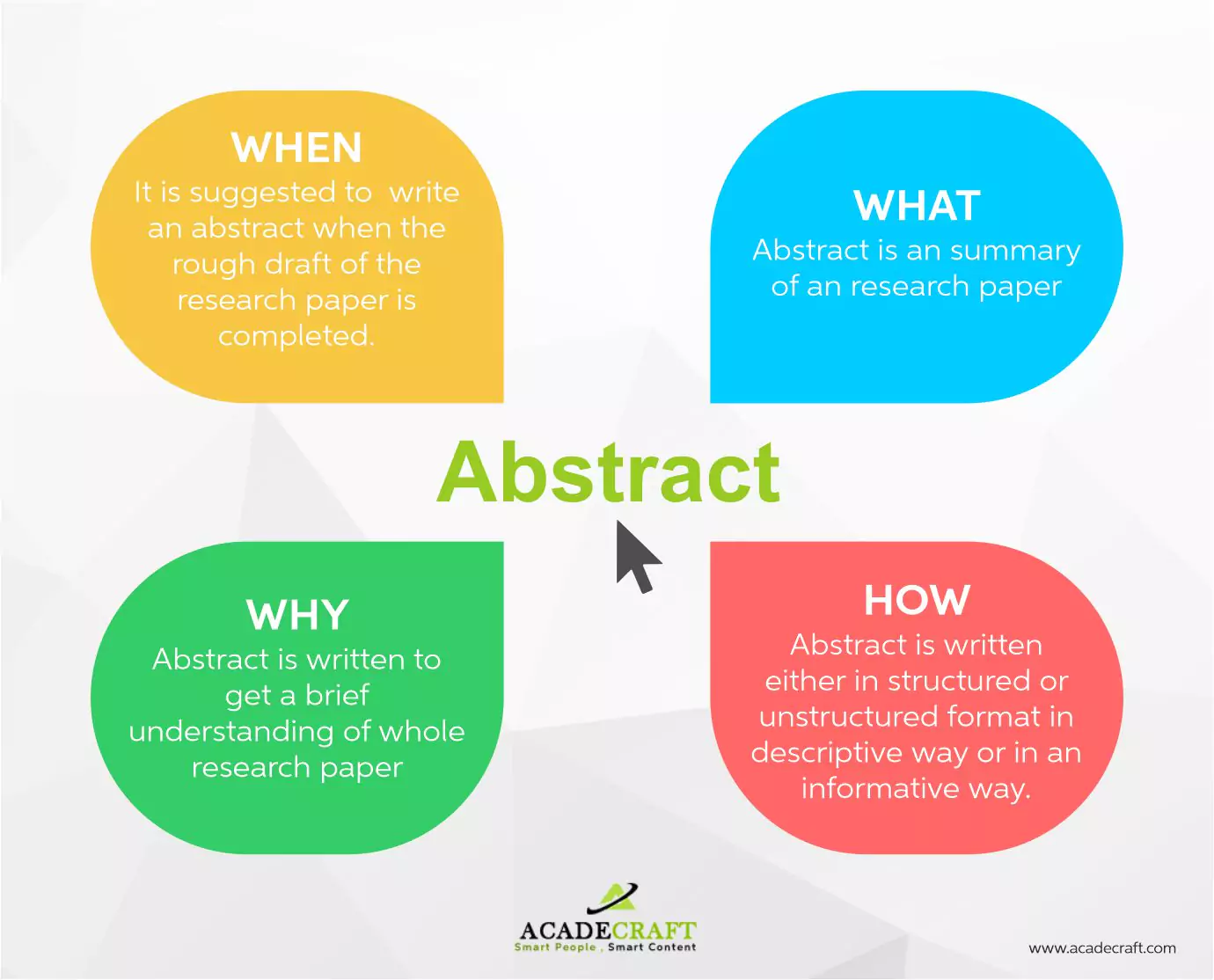
In an increasingly saturated marketplace, where products and services often mimic each other in features and functionality, the true differentiator for a brand lies not just in what it offers, but in what it means. This is where the nuanced art of abstract writing becomes an indispensable tool in brand communication. Abstract writing, in the context of branding, is the deliberate use of language to convey ideas, emotions, values, and concepts that transcend literal description. It’s about articulating the intangible essence of a brand – its spirit, its vision, its aspirational promise – rather than merely listing its attributes.

Unlike concrete writing, which focuses on specific, observable facts and details, abstract writing deals with generalizations, theories, feelings, and philosophies. For a brand, this means moving beyond the technical specifications of a product or the direct service offering to explore the deeper purpose, the underlying belief system, and the transformative experience it aims to deliver. It’s the difference between saying “This car has a V8 engine” and “This car embodies freedom and adventure.” The latter taps into a realm of meaning that resonates on a far more profound, emotional, and memorable level, forging a stronger connection between the brand and its audience.
The strategic application of abstract writing allows brands to build richer narratives, cultivate distinct identities, and foster loyalty that extends beyond transactional relationships. It provides the linguistic framework to communicate a brand’s soul, enabling it to stand out, inspire, and connect in a world yearning for authenticity and purpose.
The Essence of Abstract Writing in Brand Communication
At its core, abstract writing for brands is about elevating the conversation from the mundane to the meaningful. It redefines how a brand presents itself, allowing it to resonate with audiences on a much deeper, more personal plane.
Moving Beyond Product Features
Traditional marketing often fixates on the tangible aspects of a product or service: its specifications, its price point, its immediate benefits. While these details are undoubtedly important for informing purchasing decisions, they rarely form the bedrock of enduring brand loyalty. Abstract writing provides the language to pivot from the “what” to the “why” and “what it means.” Instead of merely describing a smartphone’s camera megapixels, abstract writing might speak to the memories it helps preserve, the connections it strengthens, or the creative expression it unlocks.
This shift in focus allows a brand to transcend its physical offerings and become a symbol for a desired lifestyle, an aspirational goal, or a set of shared values. It moves the brand from being a mere provider of goods to a partner in the customer’s journey, making it relevant not just for a specific purchase, but as an ongoing presence in their lives. By exploring the broader implications and emotional resonance of its offerings, a brand can articulate a value proposition that is unique and less susceptible to direct competition based solely on features or price.
Evoking Emotion and Aspiration
One of the most potent powers of abstract writing is its ability to tap directly into human emotions and aspirations. Concrete language describes; abstract language evokes. It uses metaphor, symbolism, and conceptual frameworks to stir feelings, paint mental pictures, and ignite desires. A financial institution might not just talk about “saving money” but about “securing your future” or “building a legacy.” A coffee brand might not just sell “beans” but “moments of mindful clarity” or “the start of something great.”
By crafting messages that resonate with deeply held desires – for security, belonging, self-expression, adventure, or transformation – brands can forge powerful emotional bonds with their audience. These connections are far more resilient than those built on purely rational arguments. When a brand successfully evokes aspiration, it positions itself not just as a solution provider, but as an enabler of a better self or a better life, making it an integral part of the customer’s personal narrative. This emotional resonance is a cornerstone of effective branding, turning casual consumers into passionate advocates.
Building a Unique Brand Voice and Identity
A brand’s voice is its personality expressed through language. Abstract writing is instrumental in cultivating a unique and memorable brand voice that goes beyond a mere tone of communication. It allows a brand to articulate its core identity, its philosophy, and its distinct character in a way that is authentically its own. Is the brand rebellious, nurturing, sophisticated, whimsical, or pioneering? Abstract language provides the palette to paint this picture.
By consistently employing abstract concepts and a specific style of conceptual language, a brand can establish a recognizable voice that sets it apart. This voice influences everything from marketing copy and website content to customer service interactions and social media presence. A brand identity built on abstract foundations is inherently more robust and adaptable because it isn’t tied to transient trends or product cycles. Instead, it’s rooted in timeless ideas and values, allowing the brand to evolve while retaining its essential character. This distinctive voice becomes a powerful asset in building brand recognition and fostering a cohesive corporate identity.
Strategies for Integrating Abstract Writing into Your Brand Identity
Successfully integrating abstract writing into brand communication requires a thoughtful and deliberate approach. It’s not about being vague, but about being meaningfully expansive.
Crafting Vision and Mission Statements
The most fundamental expressions of a brand’s identity, its vision and mission statements, are prime examples of where abstract writing shines. These statements are not meant to be operational plans, but guiding principles that articulate the brand’s ultimate purpose and aspiration. A well-crafted vision statement uses abstract language to paint a compelling picture of the future the brand seeks to create, inspiring both internal teams and external stakeholders. Similarly, a mission statement defines the brand’s core reason for existence and its guiding philosophy, often employing abstract concepts of impact, transformation, or contribution to a larger good. These foundational texts set the conceptual stage for all subsequent brand communications.
Developing Evocative Slogans and Taglines
Slogans and taglines are the distilled essence of a brand’s promise. The most iconic ones often leverage abstract writing to convey deep meaning in a concise, memorable phrase. Think “Just Do It” (Nike) – an abstract call to action embodying self-empowerment and determination, far more impactful than “Buy Our Shoes.” Or “Think Different” (Apple) – a philosophical stance on creativity and non-conformity. These phrases don’t describe products; they evoke a mindset, a feeling, or a belief system. They encapsulate the brand’s essence in a way that resonates emotionally and intellectually, serving as powerful anchors for brand recall and identity.
Brand Storytelling with Depth
Effective brand storytelling moves beyond a chronological recounting of events to explore deeper themes, values, and archetypes. Abstract writing allows brands to infuse their stories with layers of meaning, using metaphors, allegories, and symbolic narratives to connect with universal human experiences. A brand’s origin story, for example, might not just be about how a product was invented, but about a founder’s unwavering pursuit of a dream against all odds, embodying resilience and innovation. This approach makes stories more engaging, relatable, and impactful, positioning the brand as a protagonist in a larger, more meaningful narrative that customers can feel a part of.
Content Marketing That Inspires
In content marketing, abstract writing allows brands to create value-driven content that isn’t overtly promotional but deeply resonant. Instead of merely publishing articles about product updates, brands can create content that explores broader themes related to their industry, their values, or the aspirations of their audience. An outdoor gear company might publish articles on sustainable living, the philosophy of adventure, or the mental benefits of connecting with nature, rather than just product reviews. This type of content positions the brand as a thought leader and a source of inspiration, attracting an audience that shares its values and fostering a community around shared ideas, thereby building trust and long-term engagement.
The Power of Abstraction in Brand Differentiation and Connection
In a marketplace overflowing with options, abstract writing offers a powerful strategic advantage for brands seeking to carve out a distinct identity and forge lasting relationships.
Standing Out in a Crowded Market
When competitors offer similar products and services, relying solely on concrete features leads to a race to the bottom on price or a constant battle for incremental innovation. Abstract writing provides an alternative path to differentiation. By defining a brand through its unique philosophy, its core values, or the aspirational experience it promises, it creates a unique perceived value that is difficult for competitors to replicate. This kind of differentiation operates on a deeper psychological level, making the brand unique in the minds and hearts of consumers, regardless of feature parity. It moves the brand into a category of its own, defined by its meaning rather than its mechanics.
Fostering Community and Loyalty
Brands that communicate on a conceptual, abstract level attract and cultivate communities built on shared values and aspirations. When a brand’s messaging speaks to something larger than itself – a movement, a lifestyle, an ideal – it draws in individuals who identify with those larger concepts. This shared identity fosters a sense of belonging and community among customers, transcending the typical buyer-seller dynamic. Loyalty, in this context, becomes less about habit and more about alignment. Customers become loyal not just to a product, but to the ideas and values the brand represents, making them more resilient to competitive offers and more likely to advocate for the brand.
Adapting to Evolving Audiences
Market trends and consumer preferences are constantly shifting. Products and services can become obsolete, and even brand identities tied too closely to specific features can struggle to remain relevant. Abstract concepts, however, tend to be more timeless and adaptable. A brand whose core identity is built around abstract notions like “innovation,” “connection,” “empowerment,” or “well-being” can evolve its product lines and service offerings while maintaining its fundamental relevance. This flexibility allows brands to pivot, innovate, and respond to changing market demands without losing their essential character, ensuring longevity and continued resonance with evolving audiences.
Challenges and Best Practices for Abstract Brand Writing
While powerful, abstract writing requires careful execution to be effective. The line between being profound and being unclear is a fine one.
Avoiding Ambiguity vs. Inspiring Clarity
The primary challenge of abstract writing is striking the right balance between evocative broadness and meaningful clarity. If too abstract, messaging can become vague, confusing, or even alienating. The goal is not to obscure meaning but to elevate it. Best practice involves grounding abstract concepts with concrete examples, relatable scenarios, or clear calls to action when necessary. Abstract language should inspire thought and emotion, not bewilderment. It should open up a space for interpretation that aligns with the brand’s core message, rather than leaving the audience lost.
Consistency Across Channels
For abstract brand messaging to be effective, it must be consistently applied across all brand touchpoints – from website copy and social media posts to advertising campaigns, customer service interactions, and even internal communications. Inconsistency can dilute the brand’s identity and confuse the audience about its core meaning. Developing a comprehensive brand voice guide that outlines the parameters and examples of abstract language use is crucial for maintaining uniformity and ensuring that every piece of communication reinforces the brand’s overarching conceptual message.
Knowing Your Audience
The effectiveness of abstract writing is highly dependent on the audience it targets. Different demographics and psychographics respond to different types and levels of abstraction. A highly intellectual audience might appreciate philosophical depth, while a more pragmatic audience might require abstract concepts to be more directly linked to tangible benefits. Understanding your audience’s values, their communication preferences, and their capacity for conceptual thought is vital for tailoring abstract messaging that resonates authentically and avoids being perceived as pretentious or irrelevant.
The Role of Design in Reinforcing Abstract Concepts
Abstract written messages are often amplified and clarified by complementary visual design. Imagery, color palettes, typography, and overall aesthetic can powerfully reinforce the emotions, values, and concepts conveyed through language. A brand speaking to “elegance” might use minimalist design and sophisticated fonts, while a brand speaking to “adventure” might employ dynamic imagery and vibrant colors. Design acts as a crucial partner to abstract writing, providing a non-verbal layer of communication that helps solidify the brand’s intangible identity and ensures its message is holistic and impactful.
Conclusion
Abstract writing is far more than a stylistic choice; it is a strategic imperative for modern branding. In a world awash with information and choice, brands can no longer rely solely on literal descriptions or functional benefits to capture attention and foster loyalty. By embracing the art of abstract writing, brands gain the power to articulate their deeper purpose, evoke profound emotions, and cultivate unique identities that resonate with audiences on a meaningful level. It allows them to tell stories that inspire, create messages that endure, and build communities around shared values. For any brand aiming to transcend the transactional and forge lasting, emotional connections, mastering the craft of abstract writing is not just an advantage, but an essential pathway to building a powerful, enduring legacy.
aViewFromTheCave is a participant in the Amazon Services LLC Associates Program, an affiliate advertising program designed to provide a means for sites to earn advertising fees by advertising and linking to Amazon.com. Amazon, the Amazon logo, AmazonSupply, and the AmazonSupply logo are trademarks of Amazon.com, Inc. or its affiliates. As an Amazon Associate we earn affiliate commissions from qualifying purchases.