
Alprazolam, the generic name for the medication commonly known by the brand name Xanax, stands as one of the most widely recognized pharmaceutical interventions in modern medicine. Classified as a benzodiazepine, it acts as a central nervous system depressant. To understand its role in clinical practice, one must look beyond its popular culture presence and analyze its pharmacological mechanism and intended therapeutic applications. By examining how this medication interacts with the body and brain, patients and healthcare providers can better understand why it is prescribed and the stringent protocols surrounding its usage.
The Pharmacological Mechanism: How It Works
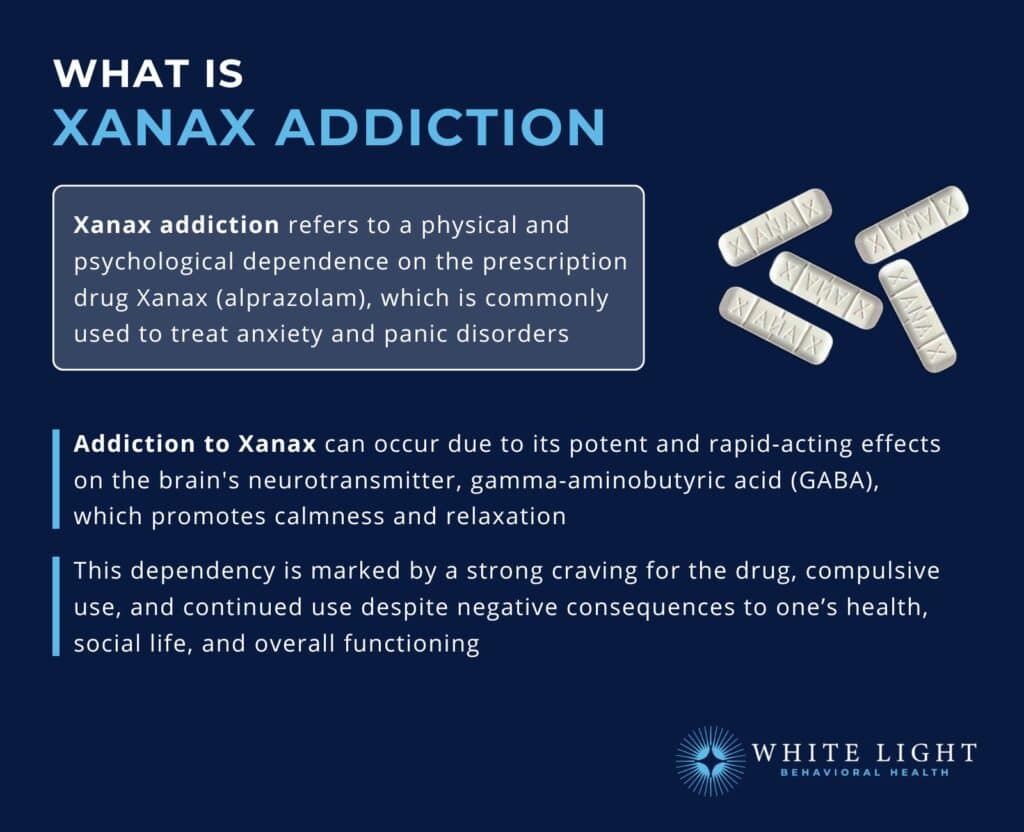
At the cellular level, Xanax functions by enhancing the effects of a specific neurotransmitter in the brain called gamma-aminobutyric acid (GABA). GABA is the body’s primary inhibitory neurotransmitter, responsible for calming excessive electrical activity in the brain. When a patient consumes alprazolam, the drug binds to specific sites on GABA-A receptors, increasing the efficiency of GABA’s natural calming signal.

The Role of Neurotransmission
In a balanced state, the brain maintains a precise equilibrium between excitatory neurotransmitters—which keep us alert—and inhibitory neurotransmitters, which help us regulate stress. In individuals suffering from severe anxiety or panic disorders, this system often functions at an overactive capacity. Xanax acts as a temporary “braking system,” allowing the brain to decelerate by deepening the inhibitory response. This shift provides the rapid relief that defines the drug’s clinical reputation.
Speed of Onset and Duration
One of the distinguishing features of Xanax is its high lipophilicity, which allows it to cross the blood-brain barrier rapidly. This results in a fast onset of action, often providing noticeable relief within 30 to 60 minutes. However, because it is processed relatively quickly by the liver compared to other benzodiazepines, the effects are short-lived. This specific kinetic profile makes it an effective tool for acute symptoms, though it also contributes to the requirement for frequent dosing in certain clinical settings.
Primary Clinical Indications: Anxiety and Panic Disorders
The primary purpose of Xanax is the management of anxiety disorders and the short-term relief of symptoms of anxiety. It is not intended for the management of the stresses of everyday life, but rather for diagnosed clinical conditions that significantly impair daily functioning.
Managing Generalized Anxiety Disorder (GAD)
Generalized Anxiety Disorder is characterized by persistent, excessive, and unrealistic worry about everyday things. For patients who experience this state of constant “high alert,” Xanax may be prescribed to help reduce the physiological manifestations of anxiety, such as muscle tension, irritability, and racing thoughts. It provides a window of relief during which patients can engage in other forms of treatment, such as Cognitive Behavioral Therapy (CBT).
The Treatment of Panic Disorder
Perhaps the most specific use for Xanax is in the treatment of panic disorder, with or without agoraphobia. Panic attacks are sudden episodes of intense fear that trigger severe physical reactions when there is no real danger. The symptoms—which include heart palpitations, shortness of breath, dizziness, and a sense of impending doom—can be debilitating. Because Xanax works quickly, it is frequently used to abort an active panic attack or to prevent one when a patient feels the symptoms escalating. It helps stabilize the nervous system, allowing the patient to regain a sense of equilibrium.

Safety, Regulation, and Controlled Use
Because Xanax is a potent psychoactive substance, it is classified as a Schedule IV controlled substance. This classification signifies that while the drug has a legitimate medical use, it also carries a risk of physical and psychological dependence. Understanding the safety profile is as critical as understanding the benefits.
The Risks of Dependency and Tolerance
The brain is an adaptive organ. When external GABA-enhancing agents like Xanax are introduced consistently, the brain may begin to downregulate its own natural production of GABA or reduce the number of receptors. This process leads to tolerance, where the patient requires higher doses to achieve the same therapeutic effect. Over time, physical dependence can develop, meaning that stopping the medication abruptly can trigger withdrawal symptoms, including rebound anxiety, insomnia, and in severe cases, seizures.
Clinical Protocols and Monitoring
Due to these risks, medical professionals adhere to strict prescribing guidelines. The standard of care emphasizes the “lowest effective dose for the shortest duration possible.” Healthcare providers typically use Xanax as a bridge therapy while primary, non-addictive medications—such as Selective Serotonin Reuptake Inhibitors (SSRIs)—take effect. The goal is never to rely on Xanax as a lifelong solution, but as a temporary stabilizer to manage the most acute symptoms while the underlying condition is addressed through broader psychiatric or psychological care.
Contraindications and Lifestyle Considerations
Medical science dictates that no medication is universal; individual health history determines whether Xanax is an appropriate choice. Patients must be transparent with their healthcare providers regarding their medical history to ensure safety.
Interaction with Other Substances
The most dangerous interaction involving Xanax occurs with other central nervous system depressants, particularly alcohol and opioid analgesics. When combined, these substances have a synergistic effect, meaning they magnify each other’s impact. This can lead to profound sedation, respiratory depression, and in tragic instances, fatal overdose. Because both alcohol and alprazolam affect the same neurochemical pathways, their combination is strictly contraindicated by medical professionals.
Special Populations
Certain populations require even greater caution. Older adults are more susceptible to the side effects of benzodiazepines, including cognitive impairment, dizziness, and an increased risk of falls. In pregnant or breastfeeding individuals, the drug’s potential to cross the placenta or enter breast milk necessitates a careful risk-benefit analysis by a specialist. Those with a history of substance abuse also require close monitoring, as the sedative effects can be inherently reinforcing for individuals predisposed to dependency.
The Future of Anxiety Management
While Xanax remains a cornerstone in the acute management of anxiety, the field of psychiatry is evolving. Research is increasingly focused on finding non-benzodiazepine alternatives that provide the same rapid relief without the associated risks of physical dependence. Despite the emergence of new treatments, the historical significance of alprazolam remains intact due to its unparalleled ability to offer immediate, reliable relief for severe panic.
Ultimately, the usage of Xanax must be viewed as part of a comprehensive, multi-modal treatment plan. It is a tool designed to provide stability for those in the midst of extreme psychological distress. When used under strict medical supervision, within the context of a broader recovery strategy, it serves a vital purpose in helping patients regain control over their autonomic nervous system. Success in treatment is measured not by the ongoing use of the medication, but by the patient’s ability to eventually function effectively, manage their anxiety through long-term coping strategies, and maintain a high quality of life. Understanding what the medication is used for is the first step in ensuring it is used responsibly and effectively.
aViewFromTheCave is a participant in the Amazon Services LLC Associates Program, an affiliate advertising program designed to provide a means for sites to earn advertising fees by advertising and linking to Amazon.com. Amazon, the Amazon logo, AmazonSupply, and the AmazonSupply logo are trademarks of Amazon.com, Inc. or its affiliates. As an Amazon Associate we earn affiliate commissions from qualifying purchases.