
In the world of corporate identity and marketing, few names have achieved the level of “proprietary eponym” status quite like Xanax. Much like Kleenex is to tissues or Google is to search engines, Xanax has transcended its chemical identity—Alprazolam—to become a cultural shorthand for an entire category of pharmaceutical intervention. To understand “what is a Xanax pill” from a brand strategy perspective is to examine one of the most successful, albeit controversial, branding exercises in the history of the healthcare industry.
The story of Xanax is not merely a medical one; it is a case study in how a brand can navigate the complex intersections of clinical necessity, consumer psychology, and cultural resonance. From its distinctive physical design to its linguistic structure, Xanax represents a pinnacle of strategic brand architecture.
1. The Genesis of a Household Name: Naming Strategy and Phonetics
The pharmaceutical industry is governed by strict regulatory bodies, such as the FDA, which dictate how drugs can be named to avoid confusion with other medications. Within these constraints, the branding of Xanax (originally developed by the Upjohn Company, now a part of Pfizer) was a stroke of linguistic genius.
From Chemistry to Consumer Identity
While the generic name “Alprazolam” is a mouthful of scientific jargon, “Xanax” is concise, memorable, and distinctive. In brand strategy, the goal of a name is to bridge the gap between a product’s function and the consumer’s memory. The name Xanax succeeded by being entirely abstract yet phonetically stable. It doesn’t sound like a “chemical”; it sounds like a solution.
The Power of the Palindrome
One of the most striking aspects of the Xanax brand is that the name is a palindrome—it reads the same forward and backward. This was not an accident. From a design and marketing perspective, palindromic names suggest balance, symmetry, and stability. For a medication marketed to treat anxiety and panic disorders, the subconscious suggestion of “balance” is a powerful psychological tool. The “X” at both the beginning and the end acts as a visual and auditory anchor, making the brand feel complete and self-contained.
2. Brand Architecture: The Visual Identity of the “Bar”
In product design, the physical form factor of a brand is often as important as its logo. For Xanax, the visual identity is inextricably linked to the physical appearance of the pill itself. This is a rare feat in branding, where the product’s shape becomes a trademarked asset as recognizable as a silhouette of a Coca-Cola bottle.
The Iconic “Xanax Bar”
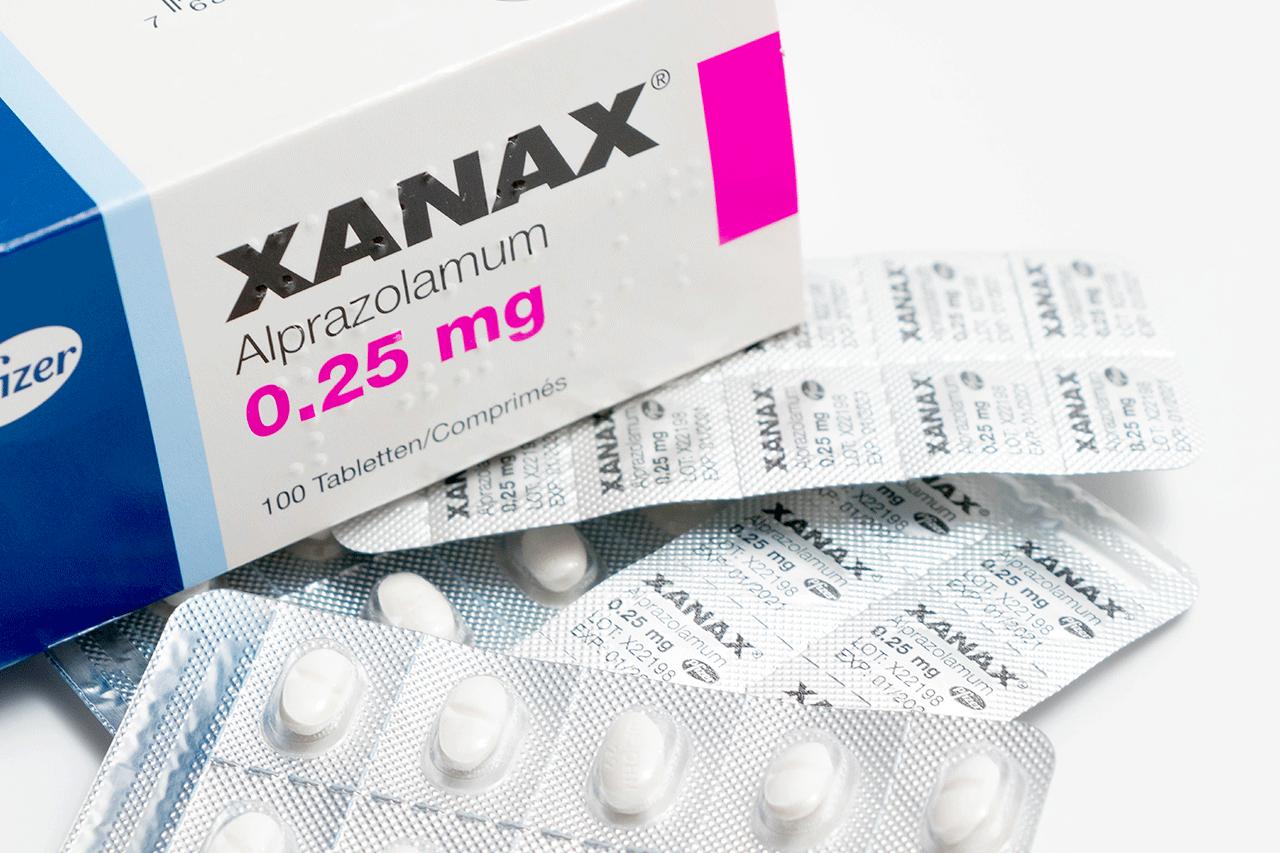
The 2mg dosage of Xanax is famously produced as a rectangular, multi-scored tablet, often referred to in popular culture and clinical circles as the “Xanax Bar.” This specific geometric design served a dual purpose. Functionally, it allowed for easy titration (breaking the pill into smaller doses). Brand-wise, it created a unique visual identifier that separated it from the sea of round or oval white pills produced by competitors.
Clinical Aesthetics and Corporate Identity
The branding of pharmaceutical pills involves “color psychology.” Xanax utilized different colors for different dosages—white, peach, blue, and green. By standardizing these colors, the brand created a visual shorthand for both doctors and patients. This consistency builds trust and reduces the “cognitive load” on the consumer, a core tenet of successful brand management. When a patient sees the specific shade and shape, they have an immediate brand association with reliability and efficacy.
3. The Genericization Trap: When a Brand Becomes a Verb
One of the greatest challenges in brand strategy is “genericization”—when a brand name becomes so popular that it starts being used as a common noun for all similar products. While this indicates massive market share, it presents significant legal and trademark risks for a corporation.

Defensive Branding and Trademark Protection
As Xanax’s patent expired and generic versions of alprazolam flooded the market, Pfizer had to pivot its strategy from “market creator” to “brand protector.” The brand strategy shifted toward emphasizing the “originality” and “quality control” of the name-brand product versus generic alternatives. In the pharmaceutical world, this is known as “Brand-to-Generic” strategy, where the manufacturer leverages the decades of trust built under the original name to justify a premium price point.
Navigating the “Linguistic Trademark” Dilemma
Today, “Xanax” is often used colloquially to describe any anti-anxiety medication, regardless of the manufacturer. From a brand equity standpoint, this is a double-edged sword. On one hand, it ensures the brand remains at the “top of mind” for consumers. On the other hand, it dilutes the exclusive value of the Pfizer-produced pill. Modern brand strategy for Xanax involves rigorous legal defense of the name to ensure it does not lose its status as a protected trademark, a battle also fought by brands like Jeep and Xerox.
4. Cultural Resonances and Brand Perception Management
Perhaps the most fascinating aspect of the Xanax brand is its lifecycle within popular culture. Unlike a brand of laundry detergent or a software tool, a pharmaceutical brand carries heavy emotional and social weight.
The Intersection of Pop Culture and Pharma Branding
Xanax has achieved a level of cultural penetration that few brands ever reach. It is mentioned in songs, movies, and literature, often serving as a symbol for the pressures of modern life. For a brand strategist, this “organic” placement is a nightmare to manage. While it keeps the brand relevant, it also associates the brand with lifestyle trends that may move away from its intended clinical purpose. The brand becomes a “meme,” and once a brand becomes a meme, the original manufacturer loses a degree of control over its narrative.
Managing Brand Equity Amidst Controversy
The Xanax brand has had to weather decades of scrutiny regarding over-prescription and dependency issues. From a corporate identity perspective, the strategy has been to maintain a strictly professional, clinical, and detached tone in all official communications. By leaning into the “legacy” and “science” of the brand, they distance the corporate entity from the cultural baggage of the product. This “stiff upper lip” brand personality is essential for maintaining a high-trust relationship with the medical community, who act as the primary gatekeepers of the product.
5. Lessons for Emerging Brands in the Healthcare and Wellness Space
The evolution of the Xanax brand offers vital lessons for modern startups in the health-tech and pharmaceutical sectors. In an era where “wellness” is a multi-billion dollar industry, how a brand positions a solution is often more important than the solution itself.
The Shift to Direct-to-Consumer (DTC) Branding
In the decades since Xanax was first launched, the way pharmaceutical brands interact with customers has changed. We now see a “lifestyle-first” approach in brands like Hims, Hers, or Ro. These companies have learned from the Xanax model—creating clean, minimalist aesthetics and catchy, short names—but they have added a layer of digital-native accessibility. Xanax was the precursor to the idea that a medical treatment could also be a recognizable “lifestyle” brand.
Brand Loyalty in a Regulated Market
The ultimate goal of any brand is to create a “moat” that competitors cannot cross. Xanax achieved this through a combination of first-mover advantage, iconic design, and a name that perfectly captured the zeitgeist. For a modern brand strategist, the takeaway is clear: consistency and visual distinction are the keys to longevity. Even when the patent is gone and the chemical is a commodity, the brand remains an asset with intrinsic value.

Conclusion: The Lasting Legacy of the Palindromic Pill
When we ask, “what is a Xanax pill,” we are looking at more than a medication. We are looking at a masterclass in brand longevity. Xanax succeeded by turning a complex psychiatric intervention into a simple, recognizable icon. Through strategic naming, unique physical design, and a careful balance between clinical authority and cultural presence, Xanax has secured its place in the hall of fame of global brands.
As the pharmaceutical landscape continues to evolve with AI-driven drug discovery and personalized medicine, the fundamental principles demonstrated by the Xanax brand—simplicity, symmetry, and psychological resonance—will remain the gold standard for any company looking to turn a product into a household name. In the end, the chemical might be Alprazolam, but the value is Xanax.
aViewFromTheCave is a participant in the Amazon Services LLC Associates Program, an affiliate advertising program designed to provide a means for sites to earn advertising fees by advertising and linking to Amazon.com. Amazon, the Amazon logo, AmazonSupply, and the AmazonSupply logo are trademarks of Amazon.com, Inc. or its affiliates. As an Amazon Associate we earn affiliate commissions from qualifying purchases.