
The retail landscape is notoriously inconsistent, and nowhere is this more apparent than in the denim industry. For many shoppers, the transition from one brand to another feels like navigating a labyrinth where sizing labels lose their objective meaning. When you encounter a size 30 in women’s jeans, you are entering a space where vanity sizing, international conversion standards, and brand-specific fit models collide. Understanding what a size 30 actually represents requires looking beyond the number and examining the underlying business strategies and manufacturing practices that define modern apparel retail.
Decoding the Size 30: Numerical Standards and Brand Identity
In the context of the American fashion industry, a size 30 typically corresponds to a waist measurement of 30 inches. However, in the world of women’s apparel, a number does not always function as a static physical measurement. Instead, it often functions as a component of brand identity.
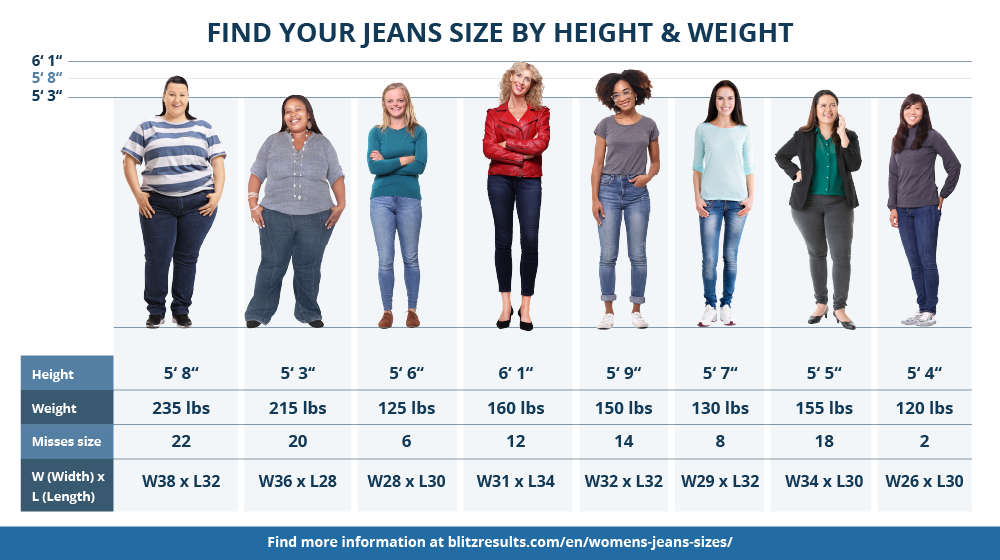
The Variance Between Mass Market and Luxury Denim
When a consumer picks up a pair of size 30 jeans, the reality of the fit is heavily dictated by the brand’s positioning. In mass-market retail, where “vanity sizing” is a standard marketing tactic, a size 30 may be intentionally cut larger than a true 30-inch waist to provide a psychological comfort boost to the buyer. Conversely, high-end denim brands—particularly those that utilize raw or Japanese selvedge denim—often adhere to traditional measurement standards. In these instances, a size 30 means exactly 30 inches.
This discrepancy creates a significant challenge for consumers and retailers alike. If a brand targets a demographic that prioritizes perceived smaller sizing, they will manipulate their patterns to ensure a size 30 fits an individual who might actually be a size 32 in a legacy denim house. This practice, while effective for conversion rates in the short term, complicates the customer journey and leads to higher return rates in the e-commerce sector.
Industry Standardization Challenges
The reason there is no universal “size 30” is that there is no mandated global standard for clothing sizes. Brands develop their own “fit blocks”—the master patterns from which all other sizes are graded. When a design team establishes a fit block for a size 30, they make subjective decisions regarding hip-to-waist ratios, rise length, and ease. A size 30 meant for a “curvy” fit will differ vastly from a size 30 meant for an “athletic” or “straight” fit. Consequently, the number on the tag is merely a reference point within that specific company’s ecosystem, rather than a universal physical coordinate.
The Economics of Fit and Returns in E-commerce
For modern fashion retailers, the size 30 represents a critical data point in the battle against return logistics. As online shopping continues to dominate the retail landscape, the “sizing issue” has transformed from a minor inconvenience into a massive financial liability for businesses.
The Cost of Inconsistent Sizing
When a customer orders a size 30 based on a brand’s digital size guide, only to find the garment does not fit, the retailer incurs the cost of reverse logistics. This includes shipping, restocking, and often, the need to discount the item as “previously handled.” Brands that fail to provide clear, granular measurements alongside their sizing charts are effectively choosing to accept higher operational costs.
Businesses that invest in sizing technology—such as AI-driven fit recommendation tools—are moving away from relying on the arbitrary “size 30” label. By asking customers for their height, weight, and preferred fit preference (loose vs. snug), these tools translate the internal brand sizing into a personalized expectation. This strategic shift not only improves the customer experience but significantly protects profit margins by reducing the percentage of items sent back to the warehouse.
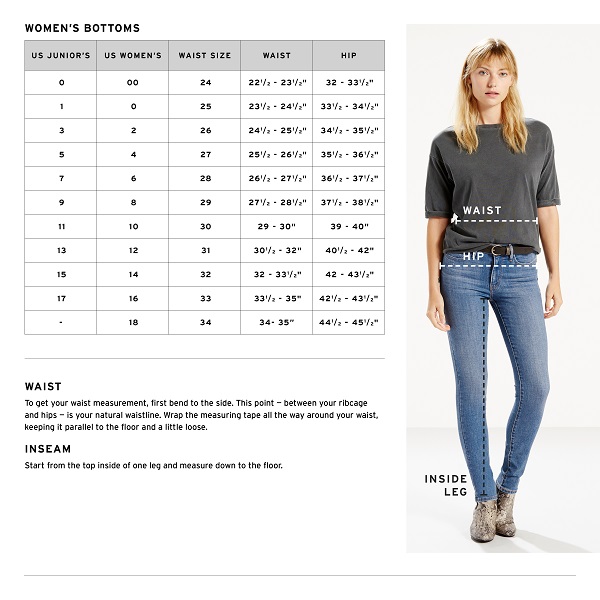
Influencing Purchasing Behavior
From a branding perspective, the sizing label is a psychological trigger. Brands that purposefully size their garments more generously (down-sizing) often see increased loyalty from their target demographic. By labeling a 32-inch waist as a “size 30,” the brand is participating in a subtle form of marketing that rewards the consumer with a sense of success. While this is debated in terms of ethical business practices, the data remains clear: shoppers gravitate toward brands where they feel their “typical size” fits comfortably. This creates a brand-specific lock-in effect, where a customer might avoid a competitor simply because they do not want to size up to a 32, even if the quality of the competitor’s denim is superior.
Navigating Denim Specifications: What to Look For
To navigate the inconsistency of a size 30, consumers and professionals must look past the label and analyze the technical specifications of the garment. Understanding these elements can help bypass the confusion caused by arbitrary sizing.
Fabric Composition and Stretch Factors
The “size 30” measurement is secondary to the fabric composition. Denim is no longer just rigid cotton; it is a complex blend of cotton, polyester, elastane, and viscose.
- 100% Cotton: These jeans have zero “give.” A size 30 in 100% cotton will feel significantly tighter and more restrictive than a size 30 with 2% elastane.
- High-Stretch Denim: Jeans with 3–5% elastane are designed to hug the body. A size 30 in this category will often expand to accommodate larger measurements, meaning the brand may intentionally cut the garment smaller to ensure a form-fitting silhouette.
Retailers who explicitly highlight the “stretch factor” in their product descriptions significantly mitigate the confusion surrounding the size 30. Consumers who learn to read fiber content labels effectively gain the ability to predict fit, regardless of the numerical size listed on the tag.
Rise and Silhouette Variations
A size 30 jean is also defined by its rise—the distance from the crotch seam to the top of the waistband. High-rise, mid-rise, and low-rise jeans will all fit a size 30 waist differently because the circumference of the body changes depending on where the waistband sits. A size 30 high-rise jean is typically measured at the natural waist (the narrowest part of the torso), while a size 30 low-rise jean is measured at the hips. When purchasing, the consumer must align the brand’s definition of “size 30” with the specific silhouette being purchased. Failure to do so is the primary cause of the “this doesn’t fit” complaint, even when the size listed is technically correct for the user’s waist.
The Future of Sizing: Toward a Data-Driven Apparel Market
The legacy of the size 30 label is slowly being eroded by the emergence of new technologies and a shift toward body-inclusive branding. The future of retail lies in moving away from standardized numbers toward custom-fit models.
Integrating AI and Virtual Try-Ons
We are entering an era where the size 30 might eventually become obsolete. Through computer vision and machine learning, retailers are now able to create 3D avatars of their customers. Instead of selecting a size 30, the user will soon be presented with a garment that is digitally “fitted” to their specific geometry. This is the ultimate form of brand differentiation. A company that offers a custom-tailored experience—or at the very least, a highly personalized fit recommendation—establishes a competitive advantage that a brand relying on traditional sizing cannot match.

The Strategic Shift to Transparency
Brands that prioritize transparency in their sizing—for example, by listing the model’s measurements, the garment’s flat-lay dimensions, and the specific material stretch—are building long-term brand equity. They are moving the conversation away from the ego-driven “size 30” label toward a value-driven conversation about quality and fit. As the market matures, the brands that win will be those that empower their customers with data, ensuring that when a shopper chooses a size 30, they aren’t guessing—they are investing in a product they know will meet their functional needs and expectations.
In conclusion, a size 30 is not a single point of truth. It is a nuanced label defined by marketing strategies, fabric engineering, and the specific brand’s approach to the consumer experience. By understanding the intersection of these factors, both businesses and consumers can navigate the complexities of modern denim with greater confidence and accuracy.
aViewFromTheCave is a participant in the Amazon Services LLC Associates Program, an affiliate advertising program designed to provide a means for sites to earn advertising fees by advertising and linking to Amazon.com. Amazon, the Amazon logo, AmazonSupply, and the AmazonSupply logo are trademarks of Amazon.com, Inc. or its affiliates. As an Amazon Associate we earn affiliate commissions from qualifying purchases.