
In the world of ticketing, especially for live events, you’ll frequently encounter the term “will call.” But what exactly does it mean, and how does it function? Understanding will call is crucial for a smooth event experience, ensuring you can easily and securely retrieve your purchased tickets. This guide will delve into the intricacies of will call, exploring its purpose, the process involved, its advantages, and potential pitfalls to watch out for, all from a practical, user-centric perspective.
The Fundamentals of Will Call Ticketing
At its core, “will call” is a method of ticket distribution where a patron picks up their pre-purchased tickets in person at a designated location, typically at the venue itself, shortly before the event. Instead of receiving physical tickets in the mail or printing them at home, will call offers an alternative for those who prefer or require this method of acquisition. This system has evolved over time, adapting to the digital age while retaining its fundamental purpose of providing a secure and convenient way to receive event access.
Origins and Evolution of the Term
The term “will call” itself has roots in the retail and service industries, originating from the practice of customers calling a store to have items held for pickup. This concept seamlessly transitioned into the ticketing industry. In earlier days, when mail delivery was the primary method for ticket distribution and online ordering was nascent, will call was a necessity for many. Patrons would often call the box office or venue to reserve tickets, and then “call for” them in person. While the “calling” aspect has largely been supplanted by online booking systems, the term “will call” has persisted as the standard nomenclature for this in-person pickup service. This enduring terminology highlights the historical context of the system and its continued relevance in the modern ticketing landscape.
The Role of Will Call in the Ticketing Ecosystem
Will call serves a vital function within the broader ticketing ecosystem. It acts as a bridge between the purchase of a ticket and the physical entry into an event. For event organizers, it offers a managed distribution channel, allowing them to control ticket dispersal and potentially reduce the incidence of fraudulent tickets compared to purely paper-based systems. For patrons, it provides a tangible form of a ticket they can hold and present for entry, offering a sense of security and immediate possession. In an era where digital tickets are prevalent, will call remains a valuable option for those who may not have reliable access to printing facilities, prefer a physical ticket, or are purchasing tickets for others. It also plays a significant role in last-minute purchases, allowing individuals to secure tickets and pick them up on their way to the event.
The Will Call Pickup Process: Step-by-Step
Navigating the will call process is generally straightforward, but being prepared can make it even smoother. The experience typically involves a few key stages, from the initial purchase to the final retrieval of your tickets. Understanding each of these steps will help alleviate any potential anxiety and ensure you don’t miss your event due to ticketing issues.
Making a Will Call Purchase
When you’re purchasing tickets online or over the phone, you’ll often be presented with various delivery options. Among these will be “Will Call” or “Box Office Pickup.” Selecting this option indicates your intention to retrieve your tickets in person. During the checkout process, you might be asked to confirm your identification, as this will be crucial at the pickup point. It’s also important to note any specific instructions provided by the ticketing platform or venue regarding the will call pickup window – the times during which you can collect your tickets. Some venues have strict hours, while others allow pickup right up until showtime.
What to Bring for Pickup
The most critical element for a successful will call pickup is proper identification. You will almost always need to present the credit card that was used to make the purchase. This serves as a primary verification method, linking the purchase to your identity. In addition to the credit card, you will typically need a valid, government-issued photo ID (such as a driver’s license, passport, or state ID). The name on the photo ID should ideally match the name on the credit card and the name associated with the ticket order. Some ticketing systems may also require you to present the order confirmation email or a printed copy of it. While not always mandatory, having it readily available can expedite the process if there are any discrepancies.
The Pickup Location and Procedure
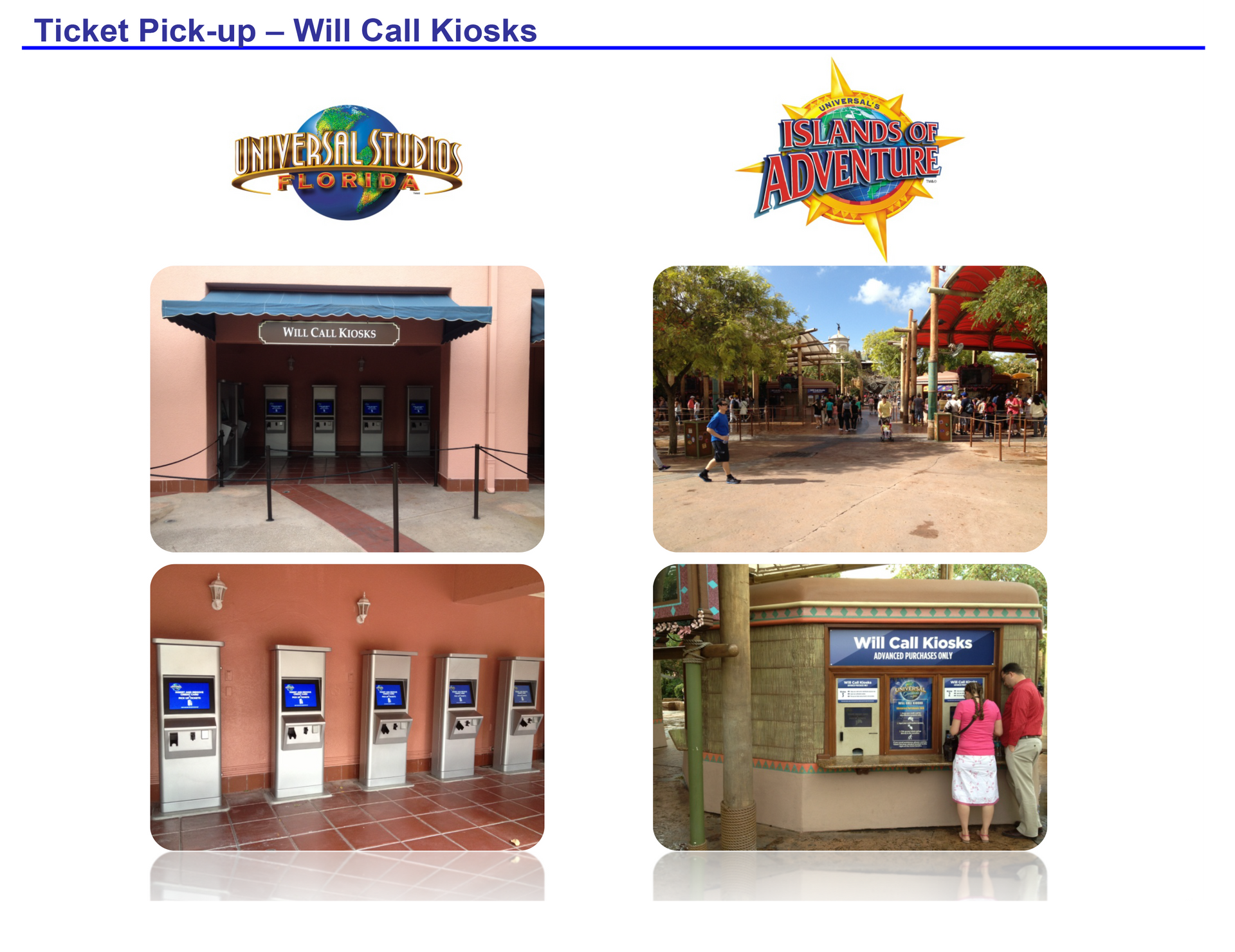
The will call pickup location is usually clearly marked at the venue. It’s most commonly found at the box office or a dedicated will call window at the main entrance. On the day of the event, especially during peak times, there might be queues, so factoring in extra time is advisable. Once you reach the window, politely inform the attendant that you are there to pick up will call tickets. They will then ask for your identification and the credit card used for the purchase. After verifying your information against their system, they will issue your physical tickets. It’s always a good practice to quickly check that you have the correct number of tickets and that they are for the correct event, date, and seating location before you leave the window.
Advantages of Choosing Will Call
While digital tickets have become increasingly common, the will call option still offers distinct benefits for many event-goers. These advantages range from security and convenience to cost-effectiveness and flexibility. Understanding these upsides can help you decide if will call is the right choice for your next event.
Security and Fraud Prevention
One of the primary advantages of will call is its inherent security. By requiring in-person pickup with verified identification, the system significantly reduces the risk of ticket fraud. Unlike tickets mailed or delivered digitally, which can be lost, stolen, or counterfeited, will call tickets are only released to the authorized purchaser. This direct handover minimizes opportunities for unauthorized duplication or sale of tickets. For high-demand events where ticket scalping and fraudulent sales are prevalent, will call offers a more secure way to ensure that your entry is legitimate and guaranteed.
Convenience for Last-Minute Purchasers
Will call is a boon for those who tend to make last-minute decisions or purchases. If you decide to attend an event shortly before it begins, or if tickets are released close to the event date, opting for will call means you don’t have to worry about shipping delays or the need to find a printer. You can complete your purchase and pick up your tickets on your way to the venue, making the entire process seamless and stress-free. This is particularly beneficial for individuals traveling to the event from out of town, as it eliminates the need to arrange for ticket delivery to a hotel or another address.
Potential Cost Savings and Fee Avoidance
In some instances, choosing will call as your delivery method can lead to cost savings. Ticketing platforms often charge shipping fees for mailed tickets or convenience fees for digital delivery. By opting for will call, you can sometimes avoid these additional charges, making your ticket purchase more economical. While this isn’t universally true for all ticketing providers, it’s a factor worth considering, especially when purchasing multiple tickets. Always compare the total cost with all available delivery options before finalizing your purchase.
Potential Drawbacks and Considerations
Despite its advantages, the will call system is not without its potential downsides. Being aware of these can help you prepare and avoid any last-minute complications that might arise. Understanding these limitations allows for informed decision-making when choosing your ticket delivery method.
Time Constraints and Queues
The most significant drawback of will call can be the time commitment required. Especially for popular events, the will call window can experience long lines, particularly in the hour leading up to the event start time. This means you need to arrive at the venue earlier than you might otherwise, potentially cutting into pre-event activities or socializing. If you’re on a tight schedule or prefer to arrive close to showtime, the potential for significant queues might make will call an inconvenient option. It’s wise to check with the venue or ticketing company about expected rush times for will call pickup.
Need for Identification and Accessibility
The reliance on specific identification, particularly the credit card used for purchase, can be a hurdle for some. If the person who made the purchase cannot be present to pick up the tickets, or if they forget the required credit card, it can lead to significant problems. Some venues may have a process for authorized pickup by a third party, but this often requires prior arrangements and specific documentation. Furthermore, if the venue’s will call location is not easily accessible, or if you have mobility issues, navigating to the pickup point might be challenging. This is where digital or mail delivery might prove more convenient.
Risk of Forgetting or Losing Tickets
While less common than with other methods, there’s still a risk of forgetting your will call tickets at the venue after picking them up, or misplacing them before entering the event. Because they are physical tickets, they are subject to the same vulnerabilities as any other paper item. It’s crucial to keep them in a safe and accessible place once you have them in hand. Unlike digital tickets that reside on your phone, losing physical will call tickets can mean being denied entry without a valid replacement. Therefore, diligent care of these physical documents is paramount.
Will Call in the Digital Age: Trends and Alternatives
The ticketing landscape is constantly evolving, and will call, while still relevant, is now part of a broader spectrum of delivery options. Understanding how it fits into the digital age and what alternatives exist can help you make the most informed choice for your event experiences.
The Rise of Digital and Mobile Ticketing
The most significant trend impacting will call is the ubiquitous rise of digital and mobile ticketing. Platforms like Ticketmaster, Live Nation, and AXS increasingly prioritize mobile tickets delivered directly to a smartphone app. These tickets can be scanned from a device, eliminating the need for printing or in-person pickup. This offers unparalleled convenience, as your ticket is always with you. Many venues are now exclusively using mobile ticketing, phasing out traditional paper tickets and, in some cases, even the will call option altogether. This shift reflects a broader move towards digital-first experiences.

Hybrid Ticketing Models and Future Prospects
Despite the dominance of digital, many ticketing providers and venues still offer a hybrid approach, allowing patrons to choose between digital, print-at-home, and will call. This caters to a diverse audience with varying technological comfort levels and preferences. The future likely holds continued reliance on digital methods, but will call is unlikely to disappear entirely in the short to medium term. It will probably remain as a niche option for specific event types, demographics, or for situations where digital access might be unreliable. For instance, international travelers may still prefer the tangible security of a will call ticket. As technology advances, we might also see innovative ways to link digital identities to physical ticket redemption, further enhancing the security and convenience of the will call process.
aViewFromTheCave is a participant in the Amazon Services LLC Associates Program, an affiliate advertising program designed to provide a means for sites to earn advertising fees by advertising and linking to Amazon.com. Amazon, the Amazon logo, AmazonSupply, and the AmazonSupply logo are trademarks of Amazon.com, Inc. or its affiliates. As an Amazon Associate we earn affiliate commissions from qualifying purchases.