
A car title, at its core, is more than just a piece of paper; it’s the undisputed legal proof of vehicle ownership. In the realm of personal finance and asset management, a clear, unblemished title is paramount, representing the full value and transferability of a significant investment. However, not all titles are created equal. The term “wild title” on a car often refers to a title bearing unusual, non-standard, or problematic designations that significantly impact a vehicle’s financial standing, its market value, insurability, and even its legality. Understanding these “wild” designations is crucial for anyone buying, selling, or owning a vehicle, as they carry substantial financial implications that can easily turn a perceived asset into a costly liability.
Understanding the Core: The Standard Car Title
Before delving into the complexities of “wild titles,” it’s essential to grasp the fundamental role of a standard car title. This document, issued by the state’s Department of Motor Vehicles (DMV) or equivalent agency, serves as the ultimate proof of ownership. It contains vital information about the vehicle, including the Vehicle Identification Number (VIN), make, model, year, and the name of the legal owner.
The Legal Proof of Ownership
Possession of a clear title signifies that you have the legal right to possess, operate, and, crucially, sell the vehicle. Without it, your claim to the car is tenuous, making it impossible to conduct legitimate transactions. This legal proof is fundamental for everything from registering the vehicle with the state to proving your assets for financial planning.
Essential for Financial Transactions
A car title is indispensable for almost any financial transaction involving the vehicle. When you purchase a car, the title is transferred into your name. When you sell it, you sign over the title to the new owner. If you take out a car loan, the lienholder (the lender) is typically noted on the title until the loan is fully repaid, at which point the lien is released, and a clear title is issued to the owner. Any deviation from this standard, clear title can introduce significant financial hurdles.
Decoding “Wild Titles”: Categories of Problematic Designations
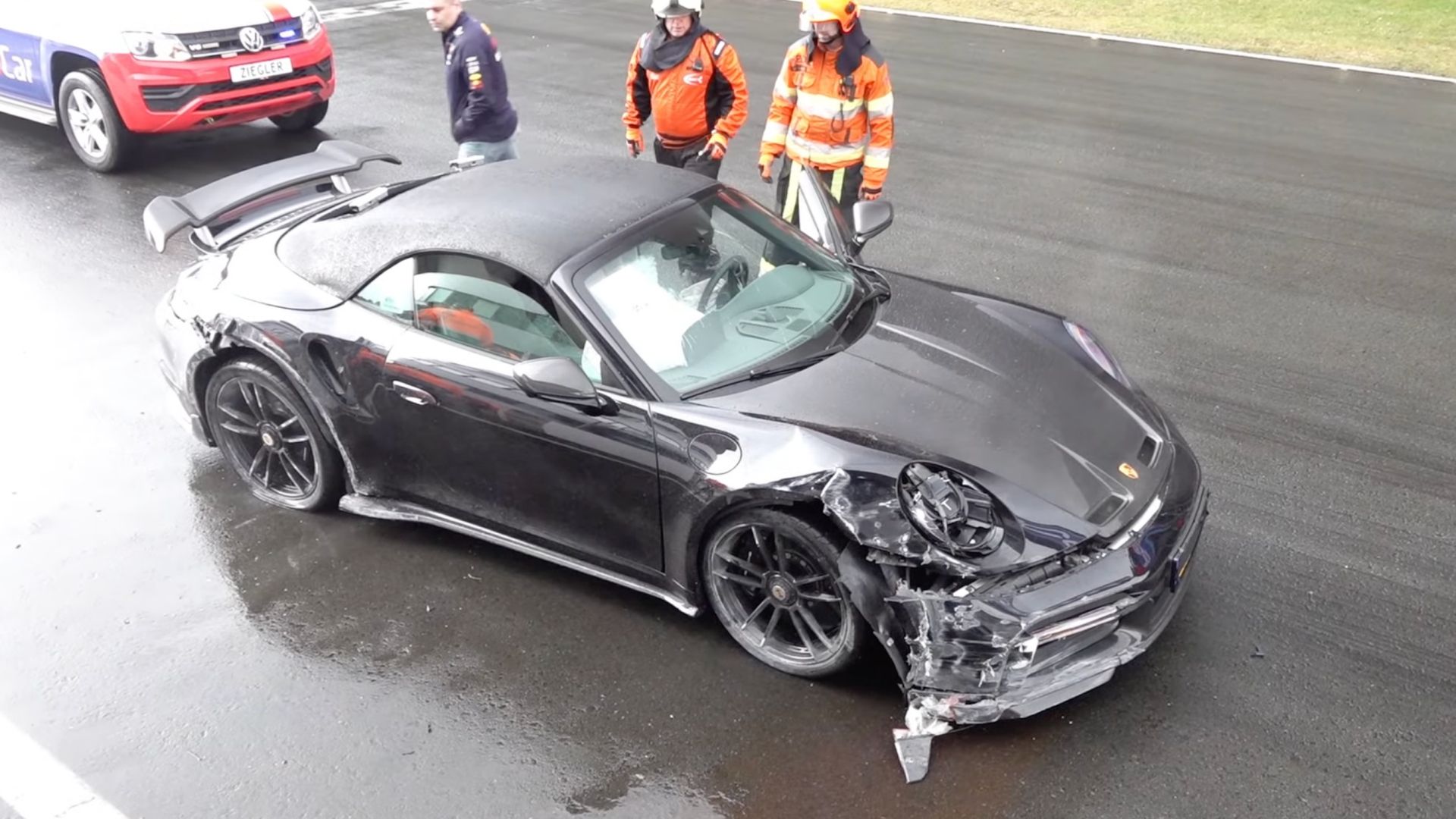
“Wild titles” encompass a range of designations that indicate a vehicle has experienced significant events impacting its safety, integrity, or history. These designations are typically branded directly onto the title itself, serving as a permanent record. Ignoring or misunderstanding these brands can lead to considerable financial distress.
Salvage and Rebuilt Titles: The Aftermath of Damage
One of the most common “wild title” designations is “salvage.” A salvage title is issued when an insurance company declares a vehicle a total loss due to damage from an accident, vandalism, natural disaster, or theft. The cost to repair the vehicle exceeds a certain percentage of its market value (which varies by state, often 70-80%). While not illegal to own, a salvage title immediately signals severe damage.
A rebuilt title (sometimes called “restored” or “prior salvage”) is issued after a vehicle with a salvage title has been repaired and inspected by the state to ensure it is roadworthy. While it indicates the car is now safe to drive, the “rebuilt” brand remains permanently on the title.
- Financial implications: Vehicles with salvage or rebuilt titles suffer significant value depreciation, often 30-50% or more compared to a clean title vehicle. Insurance companies may be reluctant to provide full coverage, or premiums may be substantially higher. Reselling these vehicles is also challenging, as many buyers are wary of their past.
Flood Titles: Hidden Dangers and Diminished Value
A flood title is a specific type of salvage title indicating that a vehicle has sustained significant water damage, typically from being submerged up to the dashboard or higher. Water damage is notoriously insidious, affecting electrical systems, upholstery, mechanical components, and leading to long-term issues like mold, corrosion, and system failures.
- Financial implications: Flood-damaged vehicles are difficult to properly repair and often develop persistent electrical or mechanical problems years later. Their market value is severely diminished, and many lenders are hesitant to finance them. Insurance companies often total these vehicles due to the extensive and unpredictable nature of repairs.
Lemon Titles: Persistent Problems and Consumer Protection
A lemon title (or “manufacturer buyback title”) is a unique “wild title” designation resulting from state “lemon laws” designed to protect consumers from defective new vehicles. If a new vehicle has a significant, unrepairable defect that substantially impairs its use, value, or safety, and the manufacturer has made multiple unsuccessful attempts to fix it (or it’s been out of service for an extended period), the manufacturer may be required to buy it back from the owner. When this happens, the vehicle is often branded with a lemon title.
- Financial implications: While the original owner may have received compensation, a lemon-branded vehicle carries a stigma that drastically reduces its resale value. Buyers are understandably cautious about purchasing a car that the manufacturer itself couldn’t fix. Financing can be difficult, and the long-term reliability remains a significant question mark.
Bonded Titles: Bridging Gaps in Ownership Proof
A bonded title is a different kind of “wild title” issued when the original title is missing, defective, or there’s insufficient proof of ownership. This can happen, for example, if you purchase a vehicle without receiving a proper title, inherit a car without the correct paperwork, or if the original title was lost or stolen and cannot be replaced through standard means. To obtain a bonded title, the applicant must usually purchase a surety bond, which protects previous owners or lienholders from financial loss if they later claim ownership of the vehicle.
- Financial implications: The cost of the surety bond itself is a direct financial implication. More significantly, a bonded title can signal potential underlying ownership disputes or legal ambiguities, making the vehicle less attractive to potential buyers. While it allows the vehicle to be registered and operated, the cloud of a potentially imperfect ownership history can deter future transactions and impact the vehicle’s perceived value.
Other Noteworthy “Wild” Designations
Beyond these primary categories, other circumstances can brand a title and create financial headaches:
- Odometer Rollback: If a vehicle’s odometer has been illegally tampered with to show fewer miles, the title may be branded to indicate “odometer fraud.” This directly impacts value, as mileage is a key determinant.
- Theft Recovery: Sometimes, a vehicle stolen and recovered may receive a brand, especially if it was stripped or damaged during the theft.
- Lien on Title: While not inherently “wild” in the sense of damage, an active lien means a third party (usually a lender) has a financial claim on the vehicle. Attempting to sell a vehicle with a lien without satisfying it first is problematic and can lead to legal complications for the buyer.
The Financial Impact of a Wild Title

The presence of a “wild title” brand has far-reaching financial consequences that can significantly erode the value and utility of a vehicle.
Asset Depreciation and Resale Value
The most immediate and profound impact is on the vehicle’s market value. A salvage, flood, or lemon title can reduce a car’s value by 30% to 70% compared to a clean title equivalent. Even a rebuilt title, while indicating repairs, still carries a substantial depreciation penalty. This means that a significant portion of your investment is immediately lost, and recouping it upon resale becomes a formidable challenge.
Insurance Challenges and Higher Premiums
Many insurance companies are hesitant to provide comprehensive or collision coverage for vehicles with salvage or flood titles, as assessing their true risk and repair costs is difficult. If coverage is available, premiums are often significantly higher. In the event of another accident, the vehicle’s already diminished value means the insurance payout would be much lower. Some insurers may even refuse to cover these vehicles altogether.
Difficulty Securing Loans
Lenders are risk-averse, and a “wild title” represents a significant risk. Vehicles with salvage, rebuilt, flood, or lemon titles are much harder to finance, as their resale value is uncertain, making them poor collateral. If a loan is secured, it may come with higher interest rates and less favorable terms, if at all.
Legal and Liability Risks
Purchasing a vehicle with a “wild title” without full knowledge can expose you to legal risks. For example, if a previously flood-damaged vehicle has hidden structural issues, or if a lemon-branded car continues to malfunction, the buyer might face unforeseen repair costs or even safety hazards. In cases of title washing (illegally removing a brand from a title, often by transferring it through different states), the buyer could unknowingly become involved in fraudulent activity.
Protecting Your Investment: Due Diligence When Buying
Given the severe financial implications, due diligence is paramount when considering a vehicle purchase, particularly when examining the title.
The Importance of a Vehicle History Report
Always obtain a comprehensive vehicle history report from reputable services like CarFax or AutoCheck. These reports draw data from various sources (DMVs, insurance companies, repair shops) and will reveal any branded titles, accident history, flood damage, odometer discrepancies, or liens. This is often the first line of defense against unknowingly buying a problematic vehicle.
Professional Inspections
Beyond the history report, a pre-purchase inspection by an independent, certified mechanic is invaluable. They can identify signs of structural damage, water intrusion, poorly executed repairs, or mechanical issues that might not be immediately apparent, even on a seemingly clean title vehicle. They can also cross-reference VINs on various parts of the car to ensure consistency.
Verifying Title Information
Always physically inspect the vehicle’s title document. Ensure the VIN on the title matches the VIN on the vehicle itself (typically located on the dashboard, driver’s side door jamb, and engine block). Look for any brands or designations clearly printed on the title. If purchasing from a private seller, verify their identity and ensure they are the legitimate owner listed on the title.
Understanding State-Specific Regulations
Title branding requirements and the definition of a “total loss” can vary significantly from state to state. Be aware of the regulations in your state and, if purchasing from out of state, the regulations in the vehicle’s previous state. Some unethical sellers may engage in “title washing,” where they move a branded title vehicle to a state with less stringent branding laws to obtain a “clean” title, an illegal practice that can be difficult to detect without thorough research.
Strategies for Selling a Vehicle with a Wild Title
If you find yourself owning a vehicle with a “wild title,” selling it requires a transparent and strategic approach to minimize financial loss.
Transparency is Key
Full disclosure of the title brand and the vehicle’s history is not just ethical; it’s often legally required. Providing all available documentation, including repair records, inspection reports, and the vehicle history report, helps build trust with potential buyers. Hiding such information can lead to legal repercussions after the sale.
Realistic Pricing
Expect to price your vehicle significantly lower than comparable models with clean titles. Research the market for similar vehicles with the same title brands to set a realistic, competitive price. Factor in the cost a buyer might incur for higher insurance premiums or potential future repairs.
Targeting Specific Markets
Buyers for “wild title” vehicles often fall into specific categories:
- Mechanics or Enthusiasts: Individuals with the skills and tools to repair or restore the vehicle themselves, seeing the low price as an opportunity.
- Export Markets: Some countries have different regulations or a higher demand for such vehicles.
- Parts Vehicles: If the damage is too extensive or costly to repair, the vehicle might be sold for its salvageable parts.
- Budget Buyers: Individuals seeking very inexpensive transportation who are aware of the risks and limitations.
By understanding what constitutes a “wild title” and its extensive financial ramifications, both buyers and sellers can navigate the complexities of the automotive market with greater awareness, protecting their assets and making more informed financial decisions.
aViewFromTheCave is a participant in the Amazon Services LLC Associates Program, an affiliate advertising program designed to provide a means for sites to earn advertising fees by advertising and linking to Amazon.com. Amazon, the Amazon logo, AmazonSupply, and the AmazonSupply logo are trademarks of Amazon.com, Inc. or its affiliates. As an Amazon Associate we earn affiliate commissions from qualifying purchases.