
In the intricate dance of global commerce, goods move from production lines to the hands of consumers through a carefully orchestrated series of transactions. At the heart of this movement, often operating behind the scenes yet fundamentally critical, lies wholesale trade. Far more than just buying in bulk, wholesale trade is a sophisticated financial and logistical model that underpins nearly every industry, influencing pricing, supply chains, and business profitability. For anyone looking to understand the mechanics of business finance, supply chain management, or the fundamental economics of goods distribution, grasping the essence of wholesale trade is indispensable.
This article delves into the core definition, financial advantages, operational dynamics, and strategic significance of wholesale trade, illuminating its enduring role in shaping economic landscapes and business success. We will explore how this B2B model facilitates efficiency, drives revenue, and manages costs, making it a cornerstone for businesses from burgeoning startups to multinational conglomerates.
The Core Concept of Wholesale Trade: A Financial and Operational Primer
Wholesale trade represents a critical juncture in the supply chain, facilitating the flow of goods from producers to resellers, institutions, or industrial users. It’s a business model predicated on volume and efficiency, designed to streamline distribution and optimize costs across the value chain.
Defining Wholesale: B2B Transactions at Scale
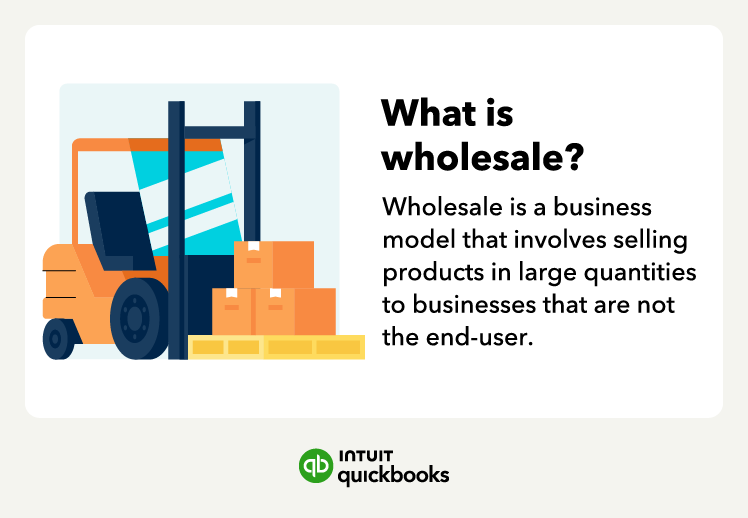
At its most fundamental, wholesale trade involves the sale of goods in large quantities, typically at a lower price per unit, to another business entity rather than directly to the end consumer. These business entities can include retailers, other wholesalers, industrial users, commercial institutions, or government agencies. The distinguishing characteristic is the business-to-business (B2B) nature of the transaction and the scale involved. A wholesale transaction isn’t just about discounted goods; it’s about establishing a commercial relationship that enables subsequent transactions further down the supply chain, each with its own financial implications. The financial model here focuses on volume turnover and manageable margins rather than high individual transaction profit.
Key Characteristics of Wholesale Business Models
Wholesale operations are defined by several key characteristics that have direct financial implications:
-
Volume-Based Transactions: Wholesalers purchase and sell goods in bulk. This volume allows them to negotiate better prices from manufacturers and offers economies of scale for their buyers. From a financial perspective, this impacts inventory holding costs, purchasing power, and cash flow requirements.
-
Reduced Unit Price: Due to the large quantities, the price per unit in wholesale is significantly lower than the retail price. This pricing strategy is crucial for allowing retailers to apply their own markup and still offer competitive prices to consumers, directly impacting the profit margins for all parties involved.
-
B2B Customer Base: Unlike retail, the customers of a wholesale business are other businesses. This necessitates different sales strategies, marketing approaches, and often, more complex credit and payment terms, all of which fall under business finance considerations.
-
Supply Chain Integration: Wholesalers often play a pivotal role in logistics, warehousing, and transportation, bridging the gap between producers and myriad smaller businesses. Their efficiency in these areas directly affects the overall financial health and operational smoothnes of the entire supply chain.
Wholesale vs. Retail: A Fundamental Distinction
Understanding the difference between wholesale and retail is crucial for any financial analyst or business strategist. While both involve the sale of goods, their target markets, operational scales, and financial models diverge significantly:
-
Target Audience: Wholesalers sell to businesses; retailers sell to individual consumers. This impacts pricing strategies, marketing spend, and customer relationship management.
-
Pricing Strategy: Wholesale prices are designed to be lower per unit to enable subsequent markups by retailers. Retail prices are set to cover operating costs, marketing, and profit margins when selling directly to the end-user. The markups in each segment are critical components of business finance.
-
Transaction Volume: Wholesale deals in large quantities; retail deals in smaller, often single-unit purchases. This impacts inventory management, warehousing costs, and the velocity of cash flow.
-
Role in Supply Chain: Wholesalers are intermediaries, often central to distribution networks. Retailers are the final point of sale to the public. Each role requires different financial capitalization and risk assessment.
The distinction highlights that these are not merely different ways of selling, but distinct business models with unique financial structures, risks, and opportunities.
The Financial Imperatives and Advantages of Wholesale
Wholesale trade isn’t merely an operational step; it’s a strategic financial lever for both sellers and buyers in the supply chain. Its model offers compelling economic advantages that drive efficiency, manage capital, and enhance profitability across various business types.
Cost Efficiency and Economies of Scale for Buyers
For businesses that purchase goods wholesale (e.g., retailers, restaurants, manufacturers using raw materials), the primary financial advantage is significant cost savings. Buying in bulk translates to a lower per-unit cost, which directly impacts their cost of goods sold (COGS). This reduction in COGS allows buyers to:
-
Improve Gross Margins: A lower acquisition cost means a higher potential profit margin when they resell the goods or incorporate them into their own products.
-
Offer Competitive Pricing: They can pass on some savings to their customers, enabling them to price products more competitively and potentially capture a larger market share.
-
Reduce Shipping and Handling Costs: Consolidating purchases into larger shipments often means lower overall freight costs compared to multiple smaller orders, optimizing logistics expenditure.
-
Minimize Procurement Overhead: Dealing with fewer suppliers for larger orders can streamline the purchasing process, reducing administrative costs associated with vendor management and order processing.
These economies of scale are a cornerstone of financial planning for any business heavily reliant on product inventory.
Revenue Generation and Market Penetration for Sellers
For businesses that sell wholesale (e.g., manufacturers, distributors), the model offers powerful avenues for revenue generation and market expansion:
-
High Sales Volume: While the per-unit profit margin might be lower than direct-to-consumer sales, the sheer volume of wholesale orders can lead to substantial overall revenue. This consistent, large-scale income stream is vital for sustaining production and covering fixed costs.
-
Reduced Marketing and Sales Costs per Unit: Selling to a few large wholesale clients often requires less granular marketing and individual sales effort per unit compared to reaching thousands of individual consumers. This efficiency can lower customer acquisition costs and boost net profitability.
-
Broader Market Reach: Wholesalers provide access to a wider network of retailers and businesses that a producer might not be able to reach directly, especially in diverse geographical areas or niche markets. This expanded distribution network fuels accelerated sales growth and brand exposure without the need for extensive capital investment in retail infrastructure.
-
Predictable Demand: Wholesale contracts often involve larger, more predictable orders, which can help manufacturers better plan production schedules, manage inventory, and forecast revenue, leading to more stable financial projections.
Inventory Management and Cash Flow Implications
Effective inventory management is a critical financial component of wholesale trade for both parties:
-
For Wholesalers/Distributors: They must balance large inventory holdings with the need to avoid excess stock that ties up capital and incurs storage costs (warehousing, insurance, potential obsolescence). Efficient inventory turnover is key to healthy cash flow. Managing credit terms with suppliers and buyers is also paramount; favorable terms can significantly impact liquidity.
-
For Buyers (e.g., Retailers): Purchasing wholesale allows them to hold sufficient stock to meet demand without over-investing in inventory that might not sell quickly. This frees up working capital for other business operations. However, they must accurately forecast demand to avoid stockouts (lost sales) or overstocking (tied-up capital, storage costs).
Cash flow is significantly impacted by the payment terms negotiated in wholesale agreements. Wholesalers often extend credit to buyers, meaning they finance their inventory for a period, which requires robust working capital management. Conversely, prompt payment from buyers is crucial for the wholesaler’s liquidity. The interplay of inventory levels, payment cycles, and credit terms is a constant financial balancing act.
Pricing Strategies in Wholesale: Margins and Markups
Pricing in wholesale is a sophisticated financial exercise, involving careful calculation of costs, desired margins, and market competitiveness.
-
Cost-Plus Pricing: A common strategy where a markup percentage is added to the cost of production or acquisition to determine the wholesale price. The challenge is ensuring this markup allows for a reasonable profit while still enabling the buyer to add their own markup and remain competitive.
-
Competitive Pricing: Setting prices based on what competitors are charging for similar products. This requires continuous market analysis to ensure the wholesale price is attractive to buyers while still yielding acceptable margins.
-
Tiered Pricing: Offering different price points based on the volume purchased. Larger orders receive deeper discounts, incentivizing buyers to commit to higher quantities, which benefits the wholesaler through increased sales volume and often lower per-unit handling costs. This is a direct financial incentive mechanism.
-
Psychological Pricing: While more common in retail, some elements can apply to wholesale, such as pricing just below a round number to give the impression of better value.
The ultimate goal is to achieve a balance: a price that is appealing to wholesale buyers, allows them sufficient margin to resell profitably, and generates a sustainable profit for the wholesaler. Understanding these financial dynamics is crucial for setting effective pricing strategies that drive both volume and profitability.
Players and Ecosystems in Wholesale Trade
The wholesale landscape is a diverse ecosystem comprising various entities, each playing a distinct role in the journey of a product from its inception to its final sale. Understanding these roles is essential for comprehending the financial flows and operational structures that characterize modern commerce.
Manufacturers and Producers
At the very beginning of the supply chain are the manufacturers and producers. These are the entities responsible for creating the goods. For them, wholesale trade is often the primary channel for distributing their products to a broad market. Their financial interest lies in:
-
Maximizing Production Efficiency: To keep per-unit costs low, which allows for competitive wholesale pricing and healthy margins.
-
Securing Large Orders: Wholesale contracts provide the stable, large-volume orders necessary to justify production runs, optimize factory utilization, and achieve economies of scale.
-
Managing Production Costs: Effective cost control (raw materials, labor, overhead) is crucial for profitability, as their wholesale selling price must cover these costs and provide a return.
-
Cash Flow from Bulk Sales: Large wholesale payments, even if on credit terms, represent significant cash inflows that support ongoing operations, R&D, and expansion.
Manufacturers often weigh the financial benefits of selling directly to consumers (higher margins per unit) versus selling wholesale (lower margins but higher volume, broader distribution, and reduced marketing/logistics burden).
Wholesalers, Distributors, and Agents
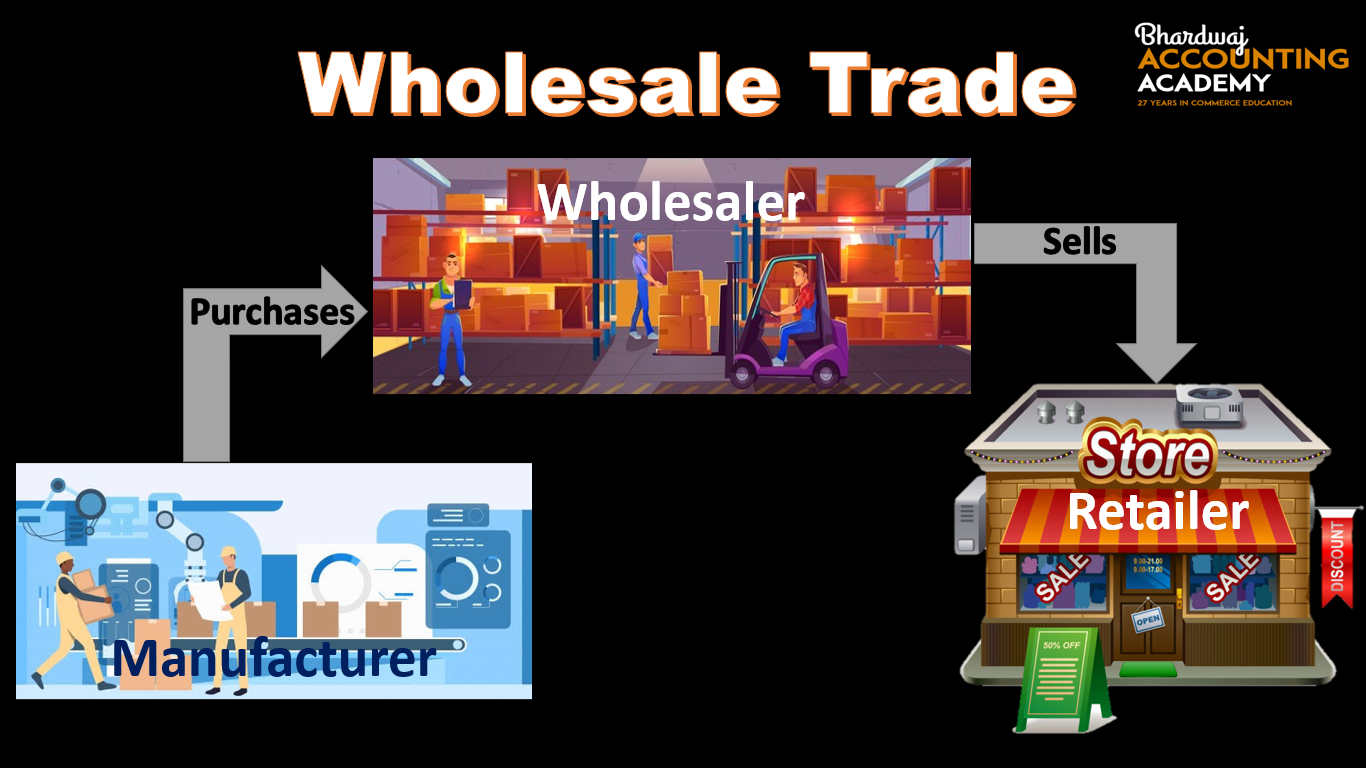
These are the quintessential intermediaries in wholesale trade, forming the bridge between manufacturers and their diverse customer base. While often used interchangeably, there are subtle differences in their roles and financial models:
-
Wholesalers: Purchase goods in large quantities directly from manufacturers, store them, and then resell them in smaller bulk quantities to retailers or other businesses. Their financial model revolves around purchasing at a low price, adding a markup, and profiting from the volume of sales. They often bear inventory risk and manage logistics.
-
Distributors: Similar to wholesalers but often have a closer relationship with the manufacturer, sometimes even exclusive rights to distribute products within a certain geographic region or to a specific market segment. They typically offer more value-added services like marketing support, technical assistance, and after-sales service, which can justify higher margins. Their financial investment in inventory and market development can be substantial.
-
Agents/Brokers: Unlike wholesalers or distributors, agents and brokers typically do not take ownership of the goods. Instead, they act as facilitators, connecting buyers and sellers and earning a commission on each transaction. Their financial model is asset-light, focused on sales expertise and network building, with less capital tied up in inventory or infrastructure.
These intermediaries optimize the flow of goods, reduce the logistical burden on manufacturers, and provide essential services like warehousing, transportation, and breaking down bulk shipments into manageable quantities for smaller businesses. Their financial health depends on efficient operations, strong supplier relationships, and effective credit management.
Retailers and Other Business Buyers
These entities represent the demand side of the wholesale equation, purchasing goods for resale to the end consumer or for their own operational use. This group includes:
-
Retailers: Small boutiques, large chain stores, e-commerce businesses, and department stores that purchase goods wholesale and then mark them up for sale to individual customers. Their financial success hinges on attractive wholesale pricing, efficient inventory turnover, and effective marketing to the consumer.
-
Industrial Users: Businesses that purchase wholesale components or raw materials for use in their own manufacturing processes (e.g., an auto manufacturer buying tires in bulk). Their financial focus is on supply chain reliability, quality control, and cost-effective procurement.
-
Institutions: Organizations like schools, hospitals, and government agencies that purchase goods in bulk for their operational needs (e.g., office supplies, medical equipment, cafeteria provisions). For them, cost efficiency and consistent supply are paramount.
For all these buyers, securing favorable wholesale terms directly impacts their cost structure, profitability, and competitive positioning.
The Role of Supply Chain Finance
In the complex web of wholesale trade, supply chain finance plays a crucial role in optimizing working capital and mitigating financial risks for all parties involved. This involves a range of financial solutions and technologies designed to improve liquidity by unlocking cash tied up in the supply chain. Examples include:
-
Invoice Factoring/Discounting: Wholesalers can sell their unpaid invoices to a third-party financial institution at a discount, receiving immediate cash flow. This reduces the waiting time for payments from buyers, improving the wholesaler’s liquidity.
-
Dynamic Discounting: Allows buyers to take early payment discounts in exchange for earlier payment to their suppliers (wholesalers or manufacturers). This creates a win-win, providing early cash to the supplier and cost savings to the buyer.
-
Reverse Factoring (Supplier Finance): A buyer arranges for a financial institution to pay their suppliers’ invoices early at a discount, with the buyer then paying the financial institution on the original due date. This supports the financial health of the suppliers, ensuring a stable supply.
These financial tools are essential for managing the often significant cash flow gaps that can arise in wholesale trade due to long payment terms, large inventory holdings, and capital-intensive logistics.
Navigating the Challenges and Future of Wholesale Trade
While the financial advantages of wholesale trade are substantial, the sector is not without its challenges. From managing inherent risks to adapting to a rapidly evolving digital landscape and global economic pressures, wholesalers and businesses engaging in wholesale transactions must navigate a complex environment.
Managing Risk: Inventory, Demand, and Credit
Risk management is a paramount financial consideration in wholesale trade:
-
Inventory Risk: Holding large quantities of inventory ties up significant capital. Wholesalers face the risk of obsolescence (especially for technology or fashion goods), damage, theft, or simply slow-moving stock that incurs high storage costs. Over-stocking can lead to write-downs, directly impacting profitability. Effective forecasting and just-in-time inventory strategies are crucial.
-
Demand Risk: Misjudging market demand can lead to either excess inventory or stockouts. Excess inventory burdens capital; stockouts result in lost sales and potentially damaged customer relationships, impacting future revenue. Market research and robust sales forecasting are vital to mitigate this.
-
Credit Risk: Extending credit to business buyers is common in wholesale. Wholesalers face the risk of non-payment or late payment, which directly affects their cash flow and working capital. Thorough credit assessments of buyers, establishing clear payment terms, and potentially using credit insurance or factoring services are essential financial safeguards.
-
Operational Risk: Disruptions in logistics, warehousing issues, or unforeseen supply chain breakdowns can lead to financial losses. Diversifying suppliers and having contingency plans are crucial.
Embracing Digital Transformation in Wholesale Finance
The digital revolution is reshaping the financial and operational landscape of wholesale trade, offering both opportunities and necessities for adaptation:
-
E-commerce Platforms (B2B Marketplaces): Online platforms allow wholesalers to reach a wider customer base globally, automate order processing, and streamline transactions. This reduces sales and administrative costs, improves efficiency, and opens new revenue channels.
-
ERP Systems and Financial Software: Integrated Enterprise Resource Planning (ERP) systems provide real-time visibility into inventory, sales, purchasing, and financial data. This enables better decision-making, optimized resource allocation, and more accurate financial reporting and forecasting.
-
Data Analytics: Leveraging big data to analyze sales trends, customer behavior, and market dynamics allows wholesalers to refine pricing strategies, improve inventory management, and identify new opportunities, leading to enhanced profitability.
-
Automated Payments and Financial Processes: Digital payment solutions, automated invoicing, and reconciliation reduce manual errors, speed up cash cycles, and lower administrative costs, improving overall financial efficiency.
Embracing these technologies is not just about operational efficiency; it’s a strategic financial imperative for maintaining competitiveness and unlocking growth.
Global Wholesale Trade and Currency Considerations
For businesses engaged in international wholesale, an additional layer of financial complexity arises:
-
Currency Exchange Rate Risk: Fluctuations in exchange rates can significantly impact the cost of goods purchased from international suppliers or the value of sales made to international buyers. Hedging strategies (e.g., forward contracts, options) are often employed to mitigate this risk, representing a key component of international business finance.
-
Customs Duties and Tariffs: These taxes on imported or exported goods directly affect the cost structure and final pricing of products in international wholesale, requiring careful financial planning and compliance.
-
International Payment Systems: Navigating different banking systems, international wire transfers, and varying payment regulations requires robust financial controls and an understanding of global financial markets.
Sustainability and Ethical Financial Practices
Increasingly, businesses and consumers are demanding greater transparency and ethical conduct throughout the supply chain. This translates into financial implications for wholesale trade:
-
Sustainable Sourcing: Investing in ethically sourced materials or working with environmentally responsible suppliers can initially increase costs but can enhance brand reputation and consumer loyalty, potentially leading to long-term financial benefits.
-
Fair Labor Practices: Ensuring fair wages and safe working conditions across the supply chain can lead to higher production costs but mitigates reputational risk and aligns with growing ESG (Environmental, Social, Governance) investment criteria.
-
Transparent Financial Reporting: Adherence to ethical financial practices, avoiding predatory pricing or exploitative terms, contributes to long-term trust and stable business relationships, which are invaluable assets.
Integrating sustainability and ethics is becoming a non-negotiable aspect of financial strategy, impacting investment decisions, consumer perception, and regulatory compliance.
The Strategic Importance of Understanding Wholesale for Businesses
For any entrepreneur, investor, or business leader, a deep understanding of wholesale trade is not merely academic; it is strategically vital for making informed decisions that impact profitability, scalability, and market positioning.
Optimizing Profitability through Wholesale Channels
Businesses must critically evaluate how wholesale channels contribute to their overall profitability. This involves:
-
Channel Cost Analysis: Understanding the fully loaded cost of selling through wholesale versus direct-to-consumer (D2C) channels. While wholesale may have lower per-unit margins, it can have lower marketing, fulfillment, and customer service costs per transaction.
-
Volume vs. Margin Optimization: Deciding on the optimal mix of wholesale and D2C sales to maximize overall profit. Some businesses use wholesale to cover fixed costs and achieve production economies, while D2C offers higher marginal profits.
-
Strategic Partnerships: Identifying the right wholesale partners who align with financial goals and brand values can significantly enhance distribution efficiency and revenue generation. Poor partnerships can lead to discounts, returns, and inventory headaches that erode profit.
A nuanced financial analysis helps businesses leverage wholesale to optimize their profit and loss statements.
Scaling Operations and Market Reach
Wholesale trade is an invaluable tool for ambitious businesses looking to grow significantly:
-
Rapid Expansion: Wholesalers and distributors provide established networks, allowing a company to quickly enter new markets or geographic regions without the massive capital investment required to build its own retail presence or distribution infrastructure.
-
Reduced Capital Outlay for Distribution: Instead of opening new stores or building extensive e-commerce logistics, a business can rely on its wholesale partners, freeing up capital for product development, marketing, or other growth initiatives.
-
Risk Diversification: Distributing products through multiple wholesale channels reduces dependence on a single sales stream, diversifying revenue risk and enhancing financial stability.
For startups and growing companies, a well-executed wholesale strategy can be the fastest and most cost-effective path to scale.
Informing Investment and Business Expansion Decisions
Investors and business owners often look closely at a company’s wholesale strategy when evaluating its potential:
-
Valuation: A strong, diversified wholesale network can signal robust sales potential and market penetration, making a company more attractive to investors. The stability of wholesale revenue streams often provides a predictable basis for valuation.
-
Feasibility Studies: Before expanding into new product lines or markets, businesses often conduct financial feasibility studies that heavily consider potential wholesale partnerships and pricing structures to estimate viability and profitability.
-
Mergers and Acquisitions: For companies looking to acquire or merge, the wholesale relationships, distribution networks, and financial performance within the wholesale segment of the target company are critical due diligence points.
Understanding the dynamics and financial implications of wholesale trade is therefore fundamental to making sound strategic decisions about a company’s future growth, investment, and long-term viability.

Conclusion: The Enduring Financial Significance of Wholesale Trade
Wholesale trade, though often less visible than its retail counterpart, stands as an indispensable pillar of the global economy. It is a sophisticated financial and operational model that facilitates the efficient movement of goods, drives economies of scale, and plays a critical role in the profitability and growth strategies of countless businesses. From optimizing cost structures for buyers to expanding market reach and generating substantial revenue for sellers, the financial imperatives of wholesale are profound and far-reaching.
As the business landscape continues to evolve with digital transformation, globalization, and an increasing emphasis on sustainability, the wholesale sector faces both new challenges and unprecedented opportunities. Businesses that grasp its complexities – managing inventory, navigating credit risks, embracing technology, and adapting to global financial dynamics – will be best positioned to leverage this vital commercial activity for sustained success. In essence, understanding “what is a wholesale trade” is not just about defining a commercial transaction; it’s about comprehending a fundamental engine of modern commerce and its enduring financial significance.
aViewFromTheCave is a participant in the Amazon Services LLC Associates Program, an affiliate advertising program designed to provide a means for sites to earn advertising fees by advertising and linking to Amazon.com. Amazon, the Amazon logo, AmazonSupply, and the AmazonSupply logo are trademarks of Amazon.com, Inc. or its affiliates. As an Amazon Associate we earn affiliate commissions from qualifying purchases.