
In the realm of design, manufacturing, and ultimately, brand identity, material selection is a foundational decision that impacts aesthetics, functionality, cost, and market perception. The term “white wood” frequently arises, often evoking a specific set of characteristics and applications. Far from being a single species, “white wood” is a broad, often informal, designation referring to a category of light-colored, typically softer hardwoods or even some softwoods, distinguished by their pale sapwood and often uniform grain. Understanding these woods is crucial for designers and brand strategists alike, as their properties can significantly influence product development, aesthetic appeal, and a brand’s overarching message.
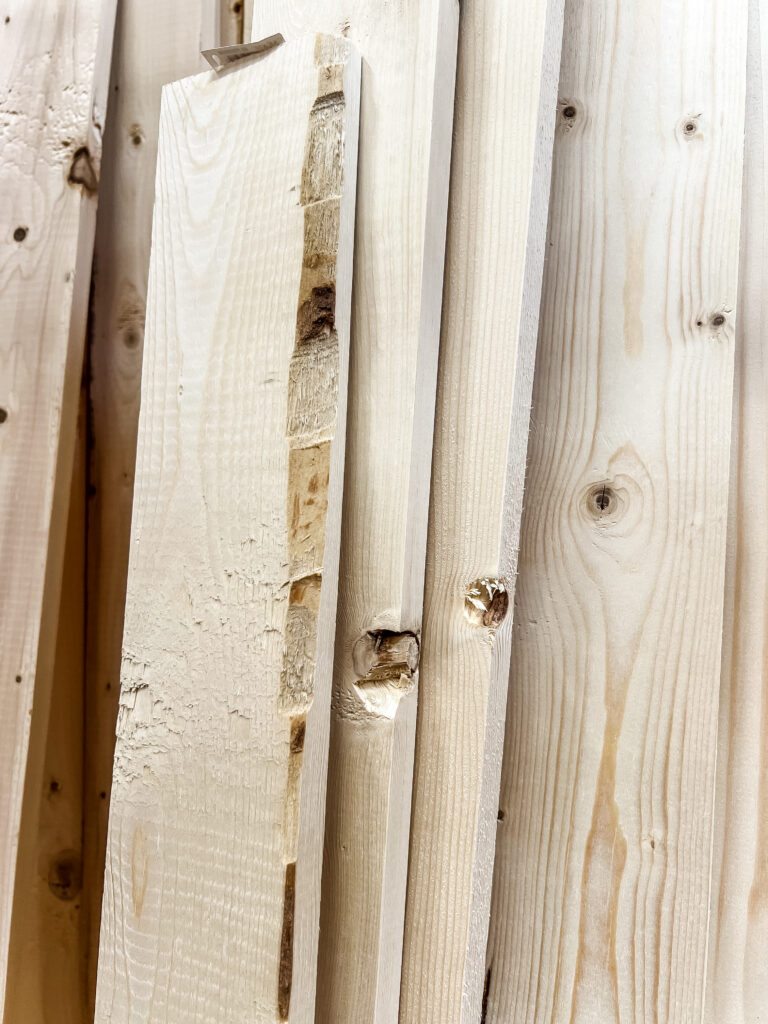
Defining “White Wood” in Design and Manufacturing
At its core, “white wood” generally describes lumber that is light in color, sometimes nearly white, with minimal heartwood differentiation, or at least a large proportion of light-colored sapwood. These woods are typically easy to work with, accept finishes well, and are often more readily available and cost-effective than their darker, denser counterparts. For brands, this translates into flexibility in design, production efficiency, and strategic pricing.
The Aesthetic and Functional Appeal
The primary aesthetic appeal of white woods lies in their light, often neutral, coloration. This makes them exceptionally versatile for a wide range of design aesthetics, from minimalist and Scandinavian to modern and rustic-chic. Their subtle grain patterns often provide a clean canvas, allowing the form of the product or the applied finish to take center stage. Functionally, many white woods are relatively lightweight, possess good dimensional stability once properly dried, and are easy to cut, carve, sand, and fasten. This ease of workability is a significant advantage in manufacturing, reducing production time and tooling wear, and allowing for intricate designs without prohibitive costs.
Moreover, their excellent receptivity to paints, stains, and other finishes is a key attribute. Brands that rely on a specific color palette for their products, or those offering customizable finishes, often turn to white woods as their base material. The uniform light color ensures consistent results, preventing underlying wood tones from interfering with the desired finish, thereby maintaining brand consistency across product lines.
Common Species and Their Characteristics
While not an exhaustive list, several species commonly fall under the “white wood” umbrella, each with unique characteristics that designers consider:
- Poplar (Liriodendron tulipifera): Perhaps the most common “white wood,” poplar is a fast-growing, relatively soft hardwood. Its sapwood is creamy white, sometimes with greenish or purplish streaks in the heartwood, which mellows to a brownish tone. Poplar is prized for its affordability, workability, and excellent paint-grade qualities. It’s often used for painted furniture, interior millwork, cabinetry frames, and as a secondary wood where visible surfaces will be painted or veneered.
- Basswood (Tilia americana): Known for its exceptional softness and fine, even grain, basswood is a favorite among carvers and model makers. Its nearly white to pale brown color and smooth texture make it ideal for intricate detailing. For brands, basswood is often chosen for specialty items, artisanal products, and children’s toys where a smooth, splinter-resistant finish is paramount.
- Aspen (Populus tremuloides): Similar to poplar, aspen is lightweight, soft, and very pale, almost white. It has a fine, uniform texture and is commonly used for furniture parts, interior panels, and craft items. Its softness and light color make it particularly suitable for applications requiring a pristine painted finish.
- Maple (Acer saccharum/rubrum): While often considered a more premium hardwood, the sapwood of certain maple species, particularly hard maple, is famously pale, sometimes with a subtle reddish tint. Its dense, fine grain offers excellent strength and durability, making it suitable for high-end furniture, flooring, and kitchenware where a light, natural wood aesthetic is desired without painting. Brands leverage maple for products that need to convey robustness and longevity alongside a clean, modern look.
- Birch (Betula spp.): Both yellow birch and white birch offer pale, creamy sapwood with a fine, even grain. Birch is harder than poplar or basswood, making it more durable for certain applications. It takes stains and polishes very well, often used for furniture, cabinetry, and plywood. Brands select birch for its blend of durability, light color, and ability to achieve a beautiful, smooth finish, whether painted or natural.
White Wood’s Role in Product Design and Aesthetics
The strategic application of white woods in product design is a testament to their versatility. They are not merely budget alternatives but intentional choices that support specific design objectives and contribute to a brand’s visual language.
Versatility and Adaptability
White woods offer unparalleled adaptability to diverse design specifications. Their light color palette serves as an ideal foundation, whether the goal is to create a bright, airy feel in interior spaces or to produce products with clean, crisp lines. For furniture brands, white woods are foundational for styles ranging from Scandinavian minimalism, where their light tones enhance spaciousness and simplicity, to country chic, where they provide a neutral base for distressed or painted finishes. In the realm of product design, from children’s toys to intricate decorative objects, the ease of machining these woods allows for complex forms and details that might be impractical or cost-prohibitive with denser, more expensive materials. This adaptability means brands can maintain design integrity across various product lines and aesthetics without constantly sourcing new, specialized materials.
Furthermore, their neutral canvas quality means they can be easily manipulated to achieve a desired aesthetic. They can be stained to mimic darker woods, painted in vibrant hues, or left natural with a clear coat to highlight their subtle beauty. This flexibility in finishing allows brands to respond to evolving market trends and seasonal collections without altering their core material sourcing strategy, simplifying supply chains and maintaining production consistency.
Achieving Desired Design Outcomes
The choice of white wood directly impacts the final aesthetic and tactile experience of a product. For instance, a brand creating modern, minimalist desks might select hard maple for its pale, uniform appearance and robust nature, conveying a sense of understated quality and durability. Conversely, a company specializing in bespoke, hand-carved decorative items might prefer basswood for its fine grain and exceptional workability, allowing for intricate details that speak to artisanal craftsmanship.
Designers often leverage the paint-grade superiority of woods like poplar or aspen for products where a flawless, opaque finish is critical. This might include high-gloss cabinetry, brightly colored children’s furniture, or painted architectural mouldings. The smooth surface and minimal grain show-through ensure that the final painted product looks premium, free from the imperfections that can arise when painting over more open-grained or darker woods. By understanding these nuances, brands can make informed material choices that align perfectly with their aesthetic vision and the desired customer experience.
Impact on Brand Identity and Market Perception
The choice of materials, including specific white woods, is a powerful non-verbal communicator of a brand’s values, quality standards, and target market. It contributes significantly to the narrative a brand builds around its products.
Communicating Value and Sustainability
For many brands, the selection of white woods is a strategic move to communicate specific values. For instance, brands committed to sustainability often highlight the use of fast-growing, domestically sourced woods like poplar or aspen. This allows them to build a narrative around environmental responsibility, appealing to eco-conscious consumers. By specifying Forest Stewardship Council (FSC) certified white woods, brands can further reinforce their commitment to responsible forestry, enhancing their green credentials and market appeal.
Moreover, the perception of value is intricately linked to material choice. While often more affordable than exotic or very dense hardwoods, white woods, when expertly designed and finished, can still convey high quality. For brands targeting the mid-market or those focused on offering accessible design, white woods provide a compelling balance of cost-effectiveness and aesthetic appeal. A brand offering beautifully crafted, painted children’s furniture made from sustainably sourced poplar, for example, communicates both responsible manufacturing and delightful design, resonating with parents seeking both quality and values.
Strategic Material Selection for Branding
Material selection is a deliberate branding exercise. A brand aiming for a light, airy, and contemporary aesthetic might consistently use natural, clear-coated maple or birch in its furniture line, creating a signature look that differentiates it in the market. This consistent use builds brand recognition and reinforces a particular lifestyle or design philosophy. Conversely, a brand that specializes in vibrant, playful products might opt for poplar, leveraging its excellent paint-grade qualities to achieve its distinctive color palette consistently across all items.
The choice of white wood can also inform a brand’s positioning. A premium brand might select hard maple for its durability and fine grain, emphasizing longevity and enduring design. A more budget-friendly brand might opt for poplar, focusing on accessibility and versatile design options through varied finishes. In both cases, the material choice is not arbitrary but a carefully considered component of the brand strategy, aligning with pricing, quality promises, and target audience expectations. This strategic alignment ensures that every product communicates a cohesive brand message, from its tactile feel to its visual presentation.
Design Considerations and Best Practices
To fully leverage the potential of white woods in brand and product design, a nuanced understanding of their handling, finishing, and sourcing is essential. These best practices ensure that the chosen material supports the brand’s quality and aesthetic objectives.
Finishing and Durability
The inherent properties of white woods make them excellent candidates for a wide array of finishes. However, careful consideration is required to achieve optimal results and ensure product durability. For painted applications, proper priming is crucial, especially for woods like poplar which can have slight color variations or absorb paint unevenly without a good base coat. High-quality paints and meticulous application ensure a smooth, durable, and visually appealing finish that aligns with premium brand standards. For natural finishes, the choice of clear coat—be it lacquer, polyurethane, or oil—will impact the final appearance, sheen, and protection. Designers must consider how the finish enhances the natural grain and color, while also protecting the product from wear, moisture, and UV degradation. Brands aiming for a natural, tactile feel might opt for oil finishes, while those prioritizing maximum durability might choose a multi-coat polyurethane.
While generally softer than dense hardwoods, the durability of white woods can be significantly enhanced through smart design and proper finishing. For high-wear surfaces, pairing white wood with a robust veneer or a very hard topcoat can provide the necessary resilience. Understanding the specific application and anticipated use of the product allows designers to select the right white wood species and apply the most appropriate finishing system, thereby ensuring the product lives up to the brand’s promise of quality and longevity.

Sustainability and Sourcing
For brands increasingly focused on environmental responsibility, the sustainable sourcing of white woods presents a compelling opportunity. Many common white wood species, such as poplar and aspen, are fast-growing and abundantly available in temperate forests. This makes them excellent choices for brands looking to minimize their environmental footprint. Engaging with suppliers who adhere to sustainable forestry practices, ideally through certifications like FSC or PEFC (Programme for the Endorsement of Forest Certification), allows brands to demonstrate a tangible commitment to ecological stewardship.
Communicating these sourcing practices effectively is a powerful branding tool. Consumers are increasingly valuing transparency and sustainability in their purchasing decisions. Brands that can articulate where their white wood comes from, how it’s harvested, and its environmental benefits build trust and resonate with a growing segment of the market. This not only bolsters brand reputation but also contributes to a positive industry impact, encouraging broader adoption of responsible material choices throughout the design and manufacturing sectors.
aViewFromTheCave is a participant in the Amazon Services LLC Associates Program, an affiliate advertising program designed to provide a means for sites to earn advertising fees by advertising and linking to Amazon.com. Amazon, the Amazon logo, AmazonSupply, and the AmazonSupply logo are trademarks of Amazon.com, Inc. or its affiliates. As an Amazon Associate we earn affiliate commissions from qualifying purchases.