
The term “whippit whipped cream” often sparks curiosity, primarily because “whippit” itself carries multiple connotations. In the context of culinary applications, particularly homemade whipped cream, a “whippit” refers to the small, disposable cartridge containing nitrous oxide (N2O) gas. These cartridges are the indispensable power source for handheld whipped cream dispensers, offering a superior alternative to aerosol cans and manual whipping methods. This discussion will delve into the technology behind these chargers, their function within a whipped cream dispenser, and how they enable the creation of light, airy, and stable whipped cream.
Demystifying the “Whippet”: The Technology Behind Culinary Aeration
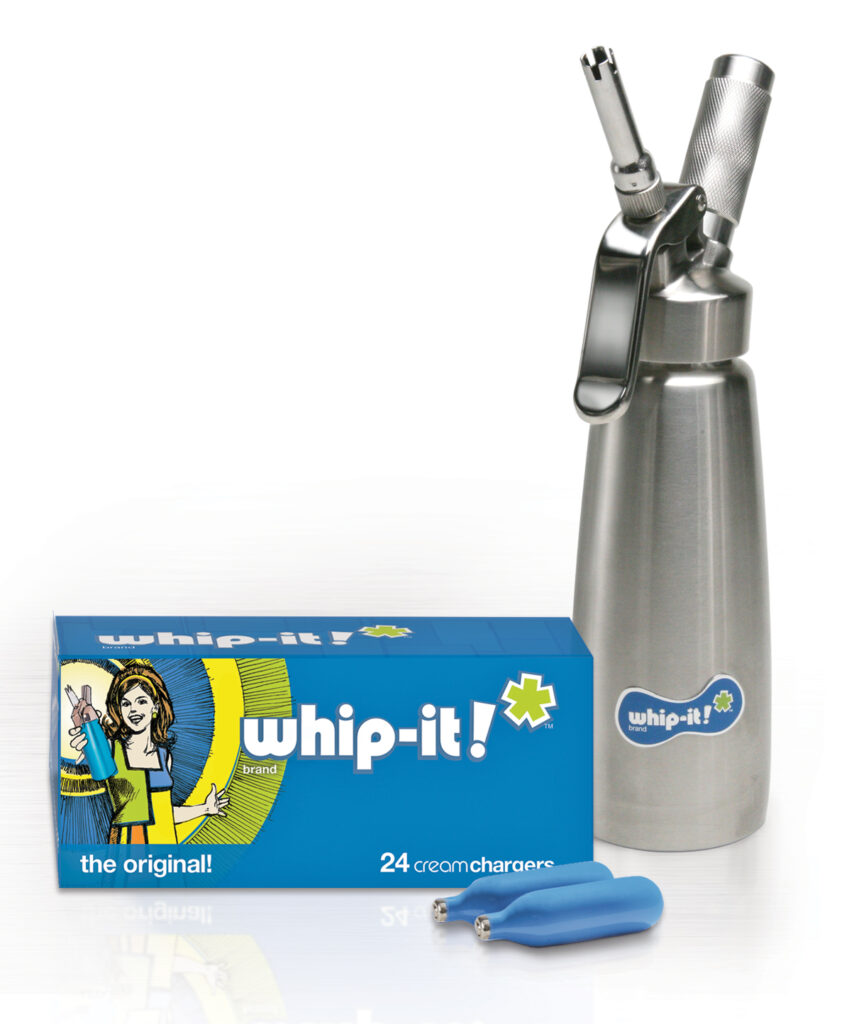
At its core, a “whippit” in the culinary sense is a compact, pressurized cylinder designed to store food-grade nitrous oxide. While the term itself is often used colloquially, the industry standard refers to these as N2O chargers or cream chargers. Their primary technological function is to infuse a liquid, typically heavy cream, with gas under pressure, resulting in an immediate expansion and transformation into a foamy, aerated texture. This stands in stark contrast to the mechanical aeration achieved through whisking, which incorporates atmospheric air.

The Core Mechanism: Nitrous Oxide’s Role
Nitrous oxide is chosen for cream chargers due to its unique properties that are ideal for food preparation. When N2O dissolves into the fat molecules of heavy cream, it remains in solution until the pressure is released. Upon dispensing, the sudden drop in pressure causes the dissolved gas to rapidly expand, creating countless tiny bubbles. These bubbles are then stabilized by the fat and protein networks within the cream, resulting in the characteristic light, fluffy, and stable texture of whipped cream. Unlike carbon dioxide (CO2) which can create an acidic taste or alter the cream’s texture negatively, N2O is flavorless and chemically inert with most food products, making it perfect for this application.
Beyond the Can: The Whipped Cream Dispenser
The “whippit” charger is only one half of the equation; its technological partner is the whipped cream dispenser, also known as a cream siphon or creamer. These dispensers are specialized kitchen gadgets designed to safely house the N2O charger and integrate it into a controlled system for aerating liquids. A typical dispenser consists of a heavy-duty stainless steel or aluminum canister, a head assembly with a release valve, and a nozzle. The charger is inserted into a small holder on the head, which punctures the charger’s seal, allowing the N2O to flow into the cream-filled canister. This closed-system technology ensures efficient gas transfer and safety during pressurization.
How Whippets Work: Engineering the Perfect Foam
Understanding the precise sequence of events within a whipped cream dispenser provides insight into the elegant engineering behind these culinary tools. From the moment the charger is punctured to the final decadent dollop, a series of physical and chemical processes are at play, all driven by the N2O contained within the whippit.
The Science of Aeration
When a whippit’s N2O is released into the cream dispenser, the gas diffuses into the liquid cream under high pressure. The fat globules in the cream help to stabilize the gas, holding it in solution. As the user depresses the lever on the dispenser, the cream-gas mixture is forced through a small nozzle. This sudden reduction in pressure causes the dissolved N2O to rapidly expand, forming microscopic bubbles. The fat content in the cream then wraps around these gas bubbles, creating a stable emulsion that we recognize as whipped cream. The higher the fat content in the cream, the more stable and voluminous the resulting whipped cream will be, as more fat is available to encapsulate the expanding gas. This rapid aeration process is far more efficient and produces a finer, more consistent texture than traditional mechanical whisking.
Charger Anatomy and Usage
A standard whippit charger is a small, sealed steel cylinder, typically weighing around 7.5 to 8 grams when full, containing approximately 8 grams of pure N2O. One end is sealed with a thin, rupturable foil or diaphragm. To use, the charger is placed into a charger holder on the dispenser head. As the holder is screwed onto the dispenser, a pin within the head punctures the charger’s seal, releasing the N2O into the main canister. Users typically shake the dispenser vigorously for a few seconds after charging to help the N2O fully dissolve into the cream. This ensures optimal aeration and consistency. The entire process takes mere seconds, transforming liquid cream into a ready-to-serve whipped topping.
Safety, Storage, and Responsible Use of N2O Chargers
While N2O chargers are designed for culinary use, understanding their technological properties necessitates adhering to strict safety protocols. As pressurized containers, improper handling or misuse can pose risks. Responsible storage and application are paramount to ensuring both user safety and optimal performance of the gadget.
Handling Precautions
The primary safety concern with N2O chargers stems from their pressurized nature. It is crucial to always use them exclusively with an approved whipped cream dispenser designed for their specific size and pressure rating. Never attempt to open, tamper with, or refill a used charger. Chargers should be kept away from direct heat sources, including direct sunlight, as excessive heat can increase internal pressure and potentially cause the charger to rupture. Always ensure proper ventilation when using N2O, as in very high concentrations, it can displace oxygen. Furthermore, the rapid release of gas can cause cryogenic burns if skin comes into direct contact with the escaping N2O, so avoid direct skin contact with the nozzle during dispensing.
Environmental Considerations
The steel casings of N2O chargers are generally recyclable. After use, once the gas has been fully expelled, chargers should be disposed of according to local recycling guidelines for steel or scrap metal. Many municipalities have specific collection programs for metal waste, and responsible disposal minimizes environmental impact. Manufacturers often provide guidance on recycling their specific products, emphasizing the importance of emptying the cartridge completely before disposal. While N2O is a greenhouse gas, the quantities used in culinary applications are relatively small compared to industrial emissions. Nevertheless, mindful use and proper disposal contribute to overall environmental responsibility.
Choosing Your Whipped Cream System: Dispensers and Chargers
Selecting the right whipped cream dispenser and compatible chargers is crucial for achieving consistent, high-quality results. The market offers a range of options, each with specific features and considerations that cater to different user needs and preferences, solidifying their status as essential kitchen tech.
Different Dispenser Types and Features
Whipped cream dispensers come in various materials and designs, each offering distinct advantages. Stainless steel models are typically more durable, often dishwasher-safe, and maintain temperature better, making them ideal for professional or frequent home use. Aluminum dispensers are lighter and more budget-friendly, suitable for occasional use. Capacities range from small half-pint (0.25-liter) models for personal use to larger quart (1-liter) versions for entertaining or commercial settings. Key features to consider include the quality of the head assembly (metal vs. plastic), interchangeable decorator nozzles for varied presentations, and ease of cleaning. Higher-end models often boast advanced valve systems for more precise control over dispensing.
Charger Compatibility and Quality
While most culinary N2O chargers are designed to be universally compatible with standard whipped cream dispensers, slight variations exist. It’s always best to verify compatibility with your specific dispenser model. The quality of the N2O gas itself is paramount. Food-grade N2O chargers should be marked as such, indicating they meet strict purity standards free from industrial contaminants. Reputable brands prioritize clean manufacturing processes to ensure the gas does not impart any unwanted flavors or odors to your whipped cream. Investing in high-quality chargers not only guarantees better tasting results but also contributes to the longevity and safe operation of your dispenser.
Troubleshooting Common Whippet-Related Issues
Even with high-quality equipment, occasional technical hiccups can arise. Understanding common issues related to N2O chargers and dispensers can save frustration and ensure a smooth, enjoyable experience with your kitchen gadget.
Why isn’t my whipped cream whipping?
Several factors can prevent your cream from whipping properly. The most common culprit is often the cream itself: ensure you are using heavy cream (also known as whipping cream) with a fat content of at least 35%. Lower fat creams may not hold the gas effectively. Other issues include insufficient shaking after charging (which prevents the N2O from fully dissolving) or an expired/faulty N2O charger that didn’t fully release its gas. Sometimes, the dispenser itself might be the problem – a clogged nozzle or a faulty gasket in the head assembly can prevent proper pressure build-up or release. Always check these components for blockages or wear.

Dispenser Maintenance Tips
Regular maintenance is key to the longevity and optimal performance of your whipped cream dispenser. After each use, disassemble the head, nozzles, and internal components, and clean them thoroughly with warm, soapy water. Pay special attention to the small gaskets and O-rings, ensuring they are free of cream residue, which can dry and lead to leaks or blockages. For models that are not dishwasher safe, hand-washing is essential. Allow all parts to air dry completely before reassembling or storing. Periodically inspect the pressure valve and all seals for signs of wear or damage, replacing them as needed. Proper care ensures your “whippit” system continues to deliver perfectly aerated delights for years to come.
aViewFromTheCave is a participant in the Amazon Services LLC Associates Program, an affiliate advertising program designed to provide a means for sites to earn advertising fees by advertising and linking to Amazon.com. Amazon, the Amazon logo, AmazonSupply, and the AmazonSupply logo are trademarks of Amazon.com, Inc. or its affiliates. As an Amazon Associate we earn affiliate commissions from qualifying purchases.