
The human body is a remarkably complex system, constantly responding to its environment and internal changes. Sometimes, these responses manifest in visible ways on our skin, providing clues to what might be happening beneath the surface. One such common, yet often misunderstood, visual cue is a wheal. This article delves into the nature of wheals, exploring what they are, why they appear, and how they relate to various underlying processes that might impact our well-being. While the immediate concern is often cosmetic or symptomatic, understanding wheals can also offer insights into broader health considerations, and in some cases, even touch upon the technological and financial aspects of managing health.

The Visual Anatomy of a Wheal: More Than Just a Bump
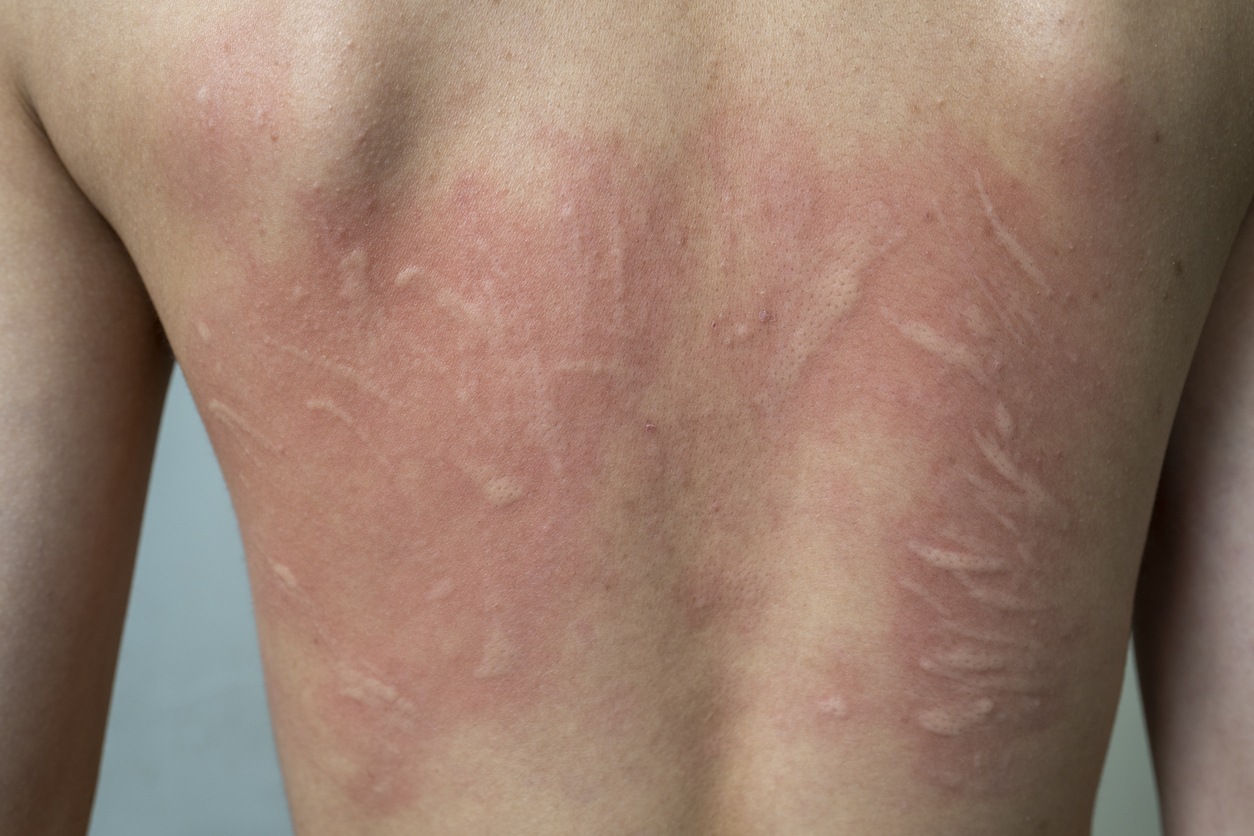
A wheal, medically known as urticaria or more commonly as a “hive,” is a transient, raised, itchy, and often reddish or pinkish lesion on the skin. Its appearance is distinct and can be described by several key characteristics:
The Defining Features of a Wheal
- Raised and Swollen: Wheals are characterized by localized edema, or swelling, within the dermis. This swelling pushes the epidermis outwards, creating a palpable bump. The size can vary significantly, from small, pinpoint elevations to large, confluent areas that cover substantial portions of the skin.
- Pale Center with Red Borders: A classic wheal often exhibits a pale or whitish center, which is surrounded by a red, inflamed border. This is due to the rapid accumulation of fluid in the dermal tissue, which can displace blood vessels in the center, while the surrounding vessels dilate in response to inflammation.
- Itchy (Pruritic): The intense itching associated with wheals is a hallmark symptom. This pruritus is caused by the release of histamine and other inflammatory mediators that stimulate nerve endings in the skin.
- Transient Nature: Perhaps one of the most defining aspects of a wheal is its temporary existence. Individual wheals typically appear and disappear within a few hours, often no longer than 24 hours, although they can recur or migrate to different areas of the body. The pattern of urticaria can be intermittent, lasting for days, weeks, or even months in chronic cases.
- Shape and Arrangement: Wheals can take on various shapes, including round, oval, linear, or irregularly shaped. They can appear as isolated lesions or coalesce to form larger patches or plaques.
The Underlying Mechanism: Histamine’s Role
The formation of a wheal is primarily driven by the release of histamine, a potent chemical mediator produced by mast cells and basophils, types of white blood cells found in the skin. When these cells are triggered by a stimulus, they degranulate, releasing histamine and other inflammatory substances into the surrounding tissue.
This release of histamine leads to:
- Vasodilation: Blood vessels in the affected area widen, leading to increased blood flow and the characteristic redness.
- Increased Vascular Permeability: The small blood vessels become more porous, allowing fluid to leak out of the vessels and into the surrounding dermal tissue. This leakage is what causes the swelling and the raised appearance of the wheal.
- Nerve Stimulation: Histamine also interacts with nerve endings, triggering the sensation of itching.
Triggers and Causes: Unraveling the Mystery Behind the Wheal
The appearance of wheals is not a disease in itself but rather a symptom of an underlying reaction. The triggers can be incredibly diverse, ranging from common allergens to more complex medical conditions. Understanding these triggers is crucial for effective management and prevention.
Allergic Reactions: The Most Common Culprit
Allergies are arguably the most frequent cause of wheal formation. When an individual’s immune system mistakenly identifies a harmless substance (an allergen) as a threat, it mounts an exaggerated response, leading to the release of histamine. Common allergens include:
- Foods: Shellfish, nuts, dairy products, eggs, and certain fruits are common food allergens.
- Insect Bites and Stings: The venom and saliva of insects like mosquitoes, bees, wasps, and ants can trigger localized or widespread urticaria.
- Medications: Antibiotics (especially penicillin), aspirin, ibuprofen, and certain contrast dyes used in medical imaging are known to cause drug-induced urticaria.
- Pollen and Animal Dander: Inhalant allergens can also lead to skin reactions, though often accompanied by respiratory symptoms.
- Latex: Exposure to latex, common in gloves and balloons, can cause contact urticaria.
Non-Allergic Triggers: Beyond the Immune System’s Misdirection
Not all wheals are a direct result of an allergic response. A variety of other factors can also stimulate mast cells to release histamine or directly affect blood vessels to cause similar reactions:
- Physical Urticaria: These are reactions to physical stimuli applied to the skin:
- Dermatographism (Skin Writing): This occurs when stroking or scratching the skin leaves behind raised, itchy wheals in the pattern of the scratch.
- Cold Urticaria: Exposure to cold temperatures, even briefly, can trigger wheals.
- Heat Urticaria: Similar to cold urticaria, exposure to heat can induce the reaction.
- Pressure Urticaria: Prolonged or intense pressure on the skin, such as from tight clothing or prolonged sitting, can lead to wheals.
- Solar Urticaria: Exposure to sunlight can trigger wheals in susceptible individuals.
- Vibratory Urticaria: Exposure to vibrations, such as from power tools, can cause localized swelling.
- Infections: While not always directly causing wheals, some infections can indirectly lead to their formation. Viral infections, such as hepatitis and Epstein-Barr virus, and bacterial infections, like strep throat, have been implicated.
- Stress: Emotional stress can exacerbate or trigger urticaria in some individuals, likely by influencing the nervous system’s interaction with mast cells.
- Autoimmune Conditions: In some cases, urticaria can be a manifestation of an underlying autoimmune disease, where the body’s immune system attacks its own tissues. Chronic spontaneous urticaria, a form of urticaria that occurs without an identifiable external trigger, is often linked to autoimmune processes.
- Contact Dermatitis: While contact dermatitis typically presents with eczema-like symptoms, some individuals may experience wheal formation upon direct contact with irritants or allergens.
Managing and Diagnosing Wheals: A Multifaceted Approach
The management of wheals primarily focuses on identifying and avoiding triggers, while also alleviating symptoms. Given the wide range of potential causes, a thorough diagnostic approach is often necessary, especially for recurrent or chronic urticaria.
Diagnostic Pathways: Pinpointing the Cause
- Medical History and Physical Examination: A detailed history from the patient is paramount. This includes information about the onset, duration, frequency, and characteristics of the wheals, as well as any associated symptoms. The doctor will also perform a thorough physical examination to assess the skin and look for any other clues.
- Allergy Testing: If an allergic trigger is suspected, various allergy tests may be performed:
- Skin Prick Tests: Small amounts of suspected allergens are pricked into the skin, and the reaction is observed for the development of wheals.
- Patch Tests: Used to identify contact allergens, these involve applying small patches containing suspected irritants or allergens to the skin for an extended period.
- Blood Tests (RAST or ImmunoCAP): These tests measure the levels of specific IgE antibodies in the blood, which indicate an allergic response to particular allergens.
- Elimination Diets: For suspected food allergies, a carefully monitored elimination diet may be recommended, where specific foods are removed from the diet and then reintroduced one by one to identify the culprit.
- Other Investigations: In cases of chronic or recurrent urticaria, particularly when other underlying conditions are suspected, further investigations such as blood counts, thyroid function tests, or autoimmune markers may be ordered.
Treatment Strategies: Alleviating Symptoms and Preventing Recurrence
The treatment for wheals typically involves a multi-pronged approach:
- Antihistamines: These are the cornerstone of urticaria treatment. They work by blocking the action of histamine, thereby reducing itching and swelling. Over-the-counter and prescription-strength antihistamines are available, with non-sedating options often preferred for daytime use.
- Corticosteroids: In severe cases or for short-term relief of widespread urticaria, oral or topical corticosteroids may be prescribed to reduce inflammation. However, due to potential side effects, they are generally not recommended for long-term management of chronic urticaria.
- Avoiding Triggers: Once a trigger is identified, the most effective treatment is to avoid further exposure. This might involve dietary changes, avoiding certain medications, or taking precautions to prevent insect bites.
- Leukotriene Modifiers: These medications, often used for asthma, can sometimes be beneficial in managing chronic urticaria, especially when combined with antihistamines.
- Immunosuppressants: For severe, refractory cases of chronic urticaria, particularly those with an autoimmune component, immunosuppressant medications may be considered, although these carry their own set of risks and require close medical supervision.
- Omalizumab: This is a biologic therapy that targets IgE antibodies and has shown significant effectiveness in treating chronic spontaneous urticaria that does not respond to other treatments.
The Broader Implications: Connecting Skin Health to Technology and Finance
While the immediate concern with a wheal is often symptom relief, its presence can also connect to broader themes relevant to our modern lives, touching upon technology and financial considerations in healthcare.
Leveraging Technology for Skin Health Monitoring and Diagnosis
The digital age has opened new avenues for managing and understanding skin conditions. For individuals experiencing wheals, technology can play a significant role:
- Symptom Tracking Apps: Numerous mobile applications allow users to log their symptoms, including the appearance, duration, and intensity of wheals, along with potential triggers. This detailed data can be invaluable when discussing the condition with a healthcare provider, offering objective insights beyond subjective recall. Some apps even utilize AI to analyze skin images, providing preliminary assessments and guidance.
- Telemedicine Platforms: For routine follow-ups, prescription refills, or even initial consultations about less severe cases, telemedicine offers a convenient and accessible way to connect with dermatologists or allergists. This can be particularly helpful for individuals in remote areas or those with mobility issues.
- Wearable Devices: While not directly diagnosing wheals, wearable devices that monitor physiological parameters like stress levels or sleep patterns could indirectly contribute to understanding the interplay between overall well-being and skin reactivity. For instance, if stress is identified as a trigger, wearable data might corroborate this connection.
- AI-Powered Diagnostic Tools: The field of AI is rapidly advancing in medical diagnostics. While still in development for widespread clinical use, AI algorithms are being trained to analyze dermatological images and potentially identify patterns indicative of various skin conditions, including urticaria. This could, in the future, aid in faster and more accurate initial assessments.
- Digital Health Records: Secure, accessible digital health records allow individuals to store and share their medical history, including past diagnoses and treatments for urticaria, with different healthcare providers, ensuring continuity of care and informed decision-making.

Financial Considerations in Managing Skin Health
Healthcare, including the diagnosis and treatment of skin conditions like urticaria, often involves financial considerations. Understanding these aspects can empower individuals to navigate the system effectively:
- Insurance Coverage: Understanding your health insurance plan is crucial. This includes knowing your deductible, co-pays, and what treatments and specialist visits are covered. For chronic conditions, pre-authorization for certain treatments might be necessary.
- Cost of Medications: Antihistamines and other prescription medications can represent a significant expense. Exploring options like generic versions, prescription discount cards, or manufacturer coupons can help reduce costs. If a specific medication proves highly effective but is expensive, discussing alternative, more affordable options with your doctor is advisable.
- Specialist Consultations: Visiting an allergist or dermatologist may incur additional costs beyond your primary care physician. Planning for these specialist visits, including any necessary diagnostic tests, is important for budgeting.
- Lifestyle Adjustments and Prevention: While not directly medical costs, implementing lifestyle changes to avoid triggers, such as purchasing hypoallergenic products or making dietary adjustments, can have financial implications. However, these preventive measures can often save money in the long run by reducing the need for costly treatments and doctor visits.
- Health Savings Accounts (HSAs) and Flexible Spending Accounts (FSAs): If available through your employer, these accounts offer tax advantages for medical expenses, which can be used to cover deductibles, co-pays, and prescription costs related to managing urticaria.
- Brand Reputation and Trust in Healthcare: In the broader context of healthcare, the “brand” of a medical institution, a pharmaceutical company, or even an individual practitioner can influence patient trust and decision-making. A reputable dermatologist or allergist with a proven track record in managing skin conditions can provide peace of mind, even if their services come at a premium. Understanding case studies of successful treatment outcomes for similar conditions can inform these choices.
In conclusion, a wheal on the skin, while often appearing as a simple, temporary blemish, is a fascinating indicator of the body’s complex reactions. By understanding its characteristics, potential triggers, and diagnostic pathways, individuals can better manage their symptoms and seek appropriate medical attention. Furthermore, acknowledging the roles of technology in monitoring and diagnosis, and the financial implications of healthcare, provides a more holistic perspective on skin health management in our contemporary world.
aViewFromTheCave is a participant in the Amazon Services LLC Associates Program, an affiliate advertising program designed to provide a means for sites to earn advertising fees by advertising and linking to Amazon.com. Amazon, the Amazon logo, AmazonSupply, and the AmazonSupply logo are trademarks of Amazon.com, Inc. or its affiliates. As an Amazon Associate we earn affiliate commissions from qualifying purchases.