
For most of human history, the water tap was a purely mechanical device—a simple valve designed to control the flow of a liquid through a piping system. However, in the context of the modern smart home and the burgeoning Internet of Things (IoT) landscape, the definition of a “water tap” has undergone a radical transformation. Today, a water tap is no longer just a piece of plumbing; it is a sophisticated electronic endpoint, a data-gathering node, and a critical component of home automation ecosystems.
As we delve into the intersection of hardware engineering and software integration, understanding what a water tap has become requires a look at the technology driving fluid management. From voice-activated interfaces to machine-learning algorithms that detect microscopic leaks, the modern tap is a testament to how digital innovation can reimagine the most basic human utilities.

The Digital Revolution of the Home’s Most Essential Hardware
The transition from the traditional compression washer faucet to the modern digital tap represents one of the most significant jumps in residential technology. While the primary function remains the delivery of water, the method of delivery has shifted from physical leverage to digital logic.
From Mechanical Valves to Software-Driven Interfaces
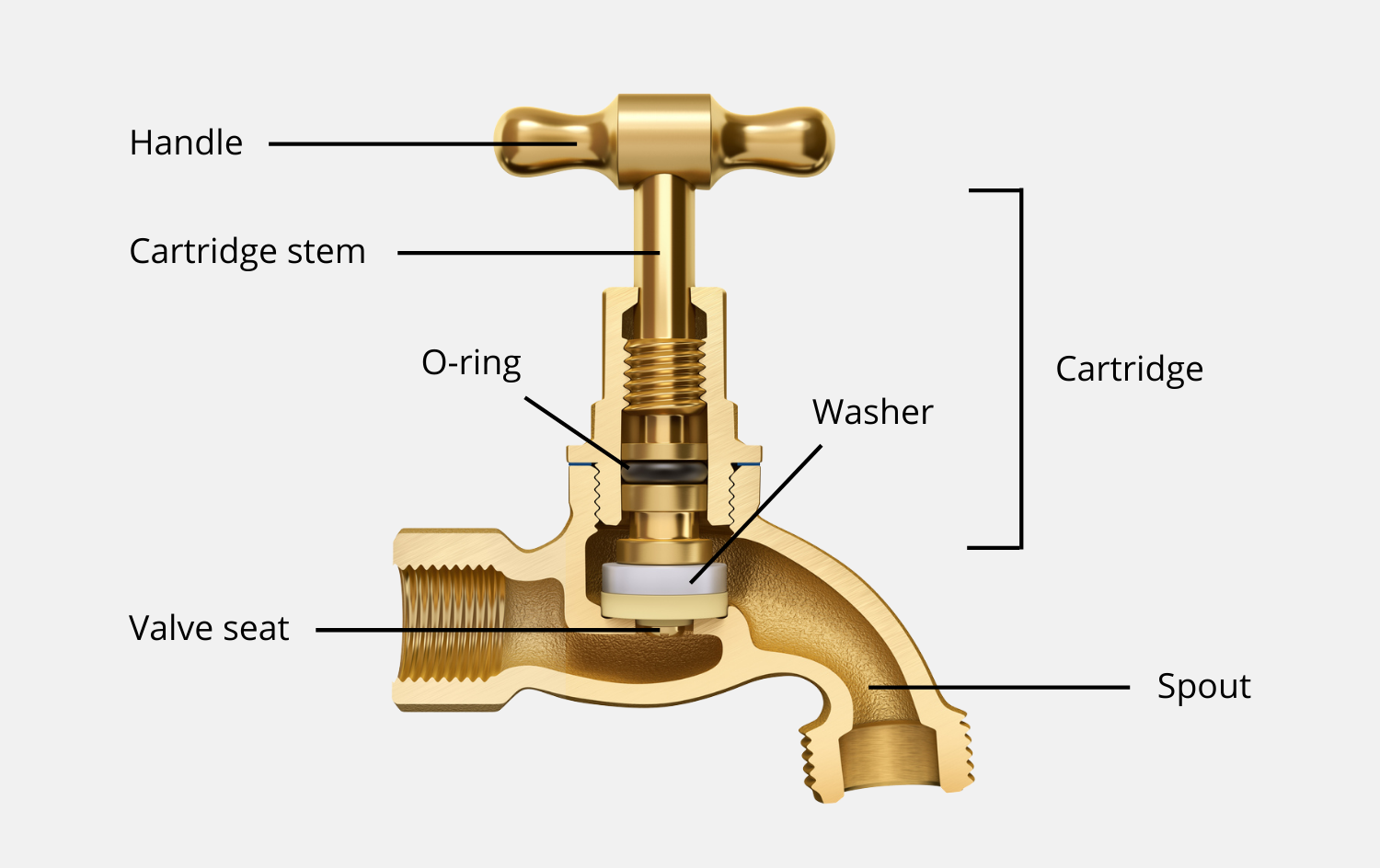
In a traditional setup, a user manually manipulates a handle to move a stem, which in turn opens a valve. In a modern smart tap, this physical action is often replaced by a solenoid valve—an electromechanical device that uses an electromagnetic coil to control the flow. This shift is significant because it moves the point of control from the hand to the circuit board. Once a valve is electronically controlled, it can be triggered by a variety of inputs: a touch-capacitive sensor, an infrared motion detector, or a command sent from a smartphone or a voice assistant like Alexa or Google Assistant.
This software-driven approach allows for precision that was previously impossible. For example, a user can instruct a smart tap to dispense exactly eight ounces of water at 105 degrees Fahrenheit. The onboard microprocessor calculates the necessary mix of hot and cold water and manages the flow rate until the precise volume is reached. This is not just plumbing; it is a controlled fluid dispensing system managed by an embedded operating system.
The Role of Semiconductors in Modern Plumbing
The inclusion of semiconductors in water taps has introduced “intelligence” to the sink. Integrated circuits (ICs) now manage power consumption, handle signal processing from sensors, and maintain wireless connectivity. These chips allow the tap to “sleep” when not in use, waking up instantly when a hand enters the sensor field. This level of responsiveness requires high-speed processing to ensure there is no latency between the user’s intent and the water flow. As semiconductor technology advances, we are seeing even more powerful chips being embedded into these fixtures, enabling local data processing and reducing the reliance on cloud-based commands for simple tasks.
Exploring the Tech Architecture of Smart Taps
To truly answer what a water tap is in the current era, one must look under the hood. The architecture of a smart tap is a blend of fluid dynamics, electrical engineering, and wireless communication protocols.
Voice Integration and Ecosystem Compatibility
One of the defining features of contemporary water taps is their place within the broader smart home ecosystem. High-end models now feature Wi-Fi and Bluetooth connectivity, allowing them to integrate with platforms like Apple HomeKit, Amazon Alexa, and Samsung SmartThings. Through voice integration, the tap becomes an extension of the kitchen’s computational power.
This connectivity is achieved through proprietary apps that allow users to create “presets.” For instance, a “Baby Bottle” preset could be programmed to dispense a specific volume of water at a temperature that is safe for formula. This requires the tap to communicate constantly with a central hub or cloud server, ensuring that firmware updates are applied and that the device remains synchronized with other smart appliances.
Capacitive vs. Infrared Sensing Technologies
The “touchless” nature of modern taps relies on two primary types of sensors. Infrared (IR) sensors work by emitting a beam of light and measuring the reflection; when your hands break that beam, the solenoid opens. While effective, IR can sometimes struggle with reflective surfaces or specific lighting conditions.
Capacitive sensing, on the other hand, detects the electrical properties of the human body. When you touch the spout or handle—or even get near it in some “near-field” models—the tap detects a change in capacitance and triggers the flow. This technology is similar to what is found in smartphone screens. The integration of these sensors requires sophisticated filtering algorithms to ensure that the tap doesn’t turn on accidentally due to steam, humidity, or a rogue paper towel.
The Mechanics of Digital Mixing Valves
Perhaps the most impressive piece of tech inside a modern tap is the digital mixing valve. Traditional faucets mix hot and cold water based on the physical position of a cartridge. Digital taps use thermistors to monitor the temperature of the incoming water in real-time. If the hot water supply fluctuates, the digital valve adjusts the mix instantly to maintain a constant output temperature. This prevents “thermal shock” or scalding, providing a level of safety and consistency that mechanical systems cannot match.
Data-Driven Sustainability: How Tech Taps Prevent Waste
In an era of increasing environmental awareness, the water tap has evolved into a tool for conservation. By leveraging data analytics and precision hardware, these devices are helping to curb the global issue of water scarcity.
Machine Learning for Preventive Maintenance and Leak Detection
One of the most advanced applications of technology in fluid management is the use of machine learning (ML) for leak detection. Some smart tap systems are paired with “whole-home” monitors that analyze the vibration and pressure signatures of water moving through the pipes. By learning the “fingerprint” of the home’s water usage, these AI tools can distinguish between a running shower and a pinhole leak in the basement.
If the system detects an anomaly—such as water flowing at 3:00 AM for an extended period—it can send an alert to the user’s phone or even trigger an automatic shut-off valve. This proactive approach to maintenance, powered by data, can save thousands of gallons of water and prevent catastrophic property damage.
Consumption Analytics and the Gamification of Conservation
Smart taps provide users with something they have never had before: granular data on their water usage. Through accompanying mobile apps, users can see exactly how many gallons are used per day, per week, or per task. This transparency often leads to behavioral changes. Some apps even offer “gamification” features, where users can set goals or compare their conservation efforts with city averages. By turning water usage into a measurable metric, technology empowers consumers to make more informed decisions about their environmental footprint.
Security and Connectivity Challenges in Fluid Tech
As with any IoT device, the migration of the water tap into the digital realm introduces new challenges, particularly regarding cybersecurity and network stability.
Protecting the Hydration Network from Cyber Threats
While it may seem far-fetched, a “hacked” water tap is a theoretical possibility in a poorly secured smart home. If a device is connected to the internet, it is an entry point. Manufacturers are now forced to prioritize encryption and secure boot processes to ensure that their fixtures cannot be hijacked to join a botnet or to cause domestic disruptions. This has led to the adoption of more robust security standards, such as the Matter protocol, which aims to provide a unified, secure framework for all smart home devices to communicate.
Local Control vs. Cloud Dependency
A significant debate in the tech community is the reliance of smart devices on the cloud. If your internet goes out, can you still get a glass of water? The best-engineered smart taps feature “fail-safe” mechanical overrides or local control protocols. This ensures that even if the cloud server is down, the core functionality of the tap remains accessible. This balance between high-tech features and low-tech reliability is a hallmark of mature product design in the gadget space.
The Future Horizon: AI-Enhanced Purity and Molecular Analysis
The definition of a water tap will continue to expand as we look toward the future. We are already seeing the first generation of taps that do more than just move water; they analyze it.
Real-Time Contaminant Monitoring via Integrated Sensors
The next frontier for the water tap is the integration of molecular sensors. Imagine a tap that can detect lead, chlorine levels, or bacterial contaminants in real-time. Using microfluidic chips and optical sensors, future taps could provide a “purity score” for every glass of water dispensed. If contaminants are detected, the tap could automatically route the water through an advanced multi-stage filtration system or shut off entirely to protect the user.
Custom Hydration Ecosystems
The final stage of the tap’s evolution is its integration into personal health tech. In the future, your water tap might sync with your wearable fitness tracker. If your smartwatch detects that you are dehydrated after a workout, your kitchen tap could glow blue to remind you to drink, or even dispense a custom-formulated blend of water and electrolytes tailored to your body’s specific needs.
In conclusion, when we ask “what is a water tap,” we are no longer talking about a simple spout. We are talking about a sophisticated piece of household technology that sits at the intersection of environmental science, software engineering, and the digital lifestyle. As these devices become smarter, more secure, and more integrated, they will continue to transform our most basic interaction with the most vital resource on Earth.
aViewFromTheCave is a participant in the Amazon Services LLC Associates Program, an affiliate advertising program designed to provide a means for sites to earn advertising fees by advertising and linking to Amazon.com. Amazon, the Amazon logo, AmazonSupply, and the AmazonSupply logo are trademarks of Amazon.com, Inc. or its affiliates. As an Amazon Associate we earn affiliate commissions from qualifying purchases.