
The average homeowner rarely gives a second thought to the water pressure in their pipes until something goes wrong. Leaky faucets that spray with alarming force, appliances that seem to churn through water at an unusual rate, or even the unsettling noise of pipes vibrating – these are all potential indicators of excessive water pressure. This is where a water pressure regulator valve, often shortened to PRV, steps in as an unsung hero of a modern plumbing system. Far from being a niche gadget for the technically inclined, understanding the function and importance of a PRV is crucial for anyone concerned with the longevity of their home’s infrastructure and the efficiency of their water usage.

In essence, a water pressure regulator valve is a mechanical device designed to automatically control and reduce incoming high-pressure water from the main supply line to a safe, consistent, and usable level for your household. Municipal water systems often deliver water at pressures significantly higher than what is ideal for residential plumbing. While this high pressure is necessary to ensure water reaches every tap, even those on upper floors, it can wreak havoc on a home’s plumbing if not managed. The PRV acts as a crucial intermediary, protecting your pipes, fixtures, and appliances from the damaging effects of over-pressurization.
The Underside of High Pressure: Why It’s a Problem
The temptation might be to think that “more pressure” equals “better performance.” After all, a stronger shower can be a desirable feature. However, in the context of residential plumbing, excessive pressure is a silent destroyer. Understanding the detrimental effects of high water pressure is the first step in appreciating the necessity of a PRV.
Damaging Your Home’s Plumbing System
The constant bombardment of high-pressure water subjects your entire plumbing network to undue stress. This stress can manifest in several ways:
- Pipe Stress and Leaks: Standard household pipes, especially older ones, are not designed to withstand sustained high pressures. Over time, this pressure can cause microscopic fractures to develop, leading to small leaks that can go undetected for a long time. These slow leaks can contribute to water damage, mold growth, and increased water bills. In more severe cases, it can lead to catastrophic pipe bursts.
- Fixture Wear and Tear: Faucets, toilet fill valves, showerheads, and other plumbing fixtures are equipped with seals, washers, and other internal components that are calibrated for specific pressure ranges. High pressure forces these components to work harder than intended, leading to premature wear and failure. This means frequent replacement of seemingly minor parts, adding up to significant expense and inconvenience.
- Appliance Strain: Modern appliances that connect to the water supply – dishwashers, washing machines, ice makers, and even water heaters – are particularly vulnerable. Their internal mechanisms, hoses, and seals are designed to operate within a certain pressure window. Exceeding this can lead to leaks within the appliance, damaged solenoids, or a shortened lifespan. For instance, a washing machine subjected to high pressure might experience hose ruptures or internal component failures, leading to costly repairs or replacement.
Inefficient Water Usage and Unpleasant Experiences
Beyond the potential for damage, high water pressure can also lead to practical issues:
- Water Waste: A faucet or showerhead operating at excessively high pressure will simply dispense more water than necessary. Even if you’re not consciously running the water longer, the increased flow rate means you’re using more water per minute, contributing to higher utility bills and a larger environmental footprint.
- Noisy Plumbing: The familiar banging or rattling sounds often heard in plumbing systems, known as “water hammer,” are frequently exacerbated by high pressure. This phenomenon occurs when water moving at high velocity is suddenly stopped or changes direction, creating shockwaves. This noise is not only annoying but also an indicator of stress on your pipes.
- Uncomfortable Shower Experiences: While some prefer a powerful shower, excessive pressure can make it uncomfortable, even painful, for others. Water can spray erratically, and the force can be overbearing.
The Mechanics and Function of a Water Pressure Regulator Valve
Understanding how a PRV works reveals its elegant simplicity and its profound impact on a home’s plumbing. While there are variations in design, the fundamental principles remain consistent across most residential PRVs.
How a PRV Controls Pressure
At its core, a PRV is a spring-loaded diaphragm valve. It’s installed on the main water line after the shut-off valve and before the water branches out to the rest of the house. Here’s a breakdown of its operation:
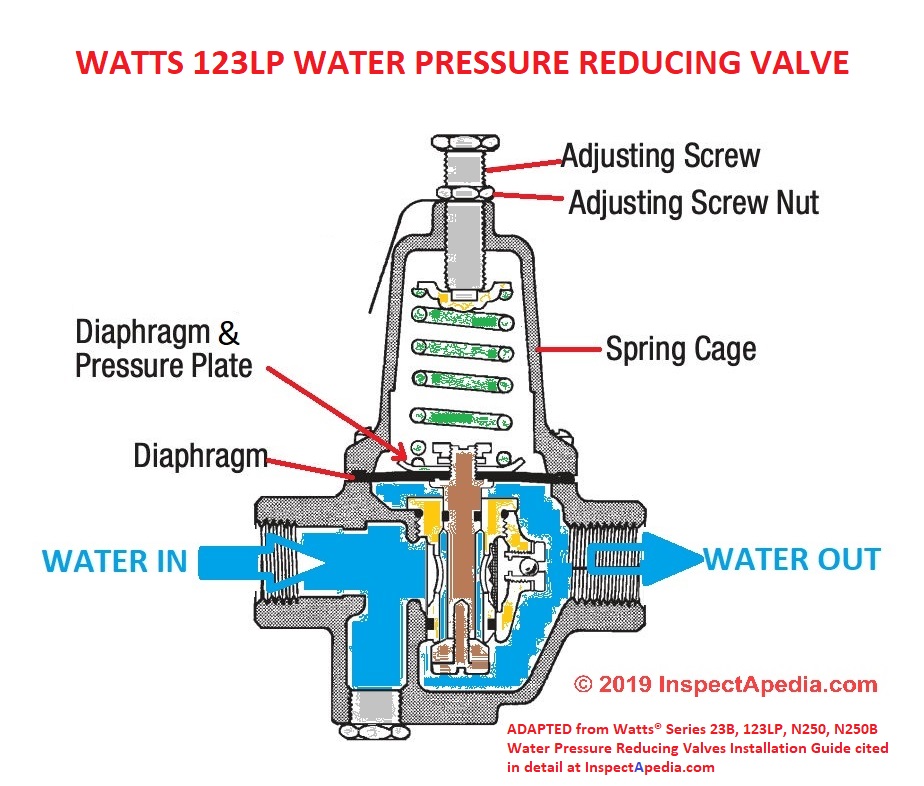
- Inlet and Outlet: The valve has an inlet where the high-pressure water from the municipal supply enters and an outlet where the regulated, lower-pressure water exits to the home’s plumbing.
- Diaphragm: A flexible diaphragm is a key component, separating the water chamber from a spring chamber.
- Spring and Adjustment Screw: A calibrated spring is positioned above the diaphragm. An adjustment screw or nut is used to compress or decompress this spring, thereby setting the desired outlet pressure. When the spring is compressed more, it pushes down harder on the diaphragm, requiring higher water pressure on the outlet side to balance. Conversely, less compression results in a lower regulated pressure.
- Valve Seat and Plunger: Beneath the diaphragm is a valve seat, which controls the flow of water. A plunger or similar mechanism connects the diaphragm to the valve seat.
When water pressure at the inlet is high, it pushes against the diaphragm. As long as the pressure on the outlet side is at or below the set point (determined by the spring tension), the diaphragm remains in a position that allows water to flow freely. However, as soon as the outlet pressure begins to rise above the set point, it pushes upward on the diaphragm with greater force than the spring can counteract. This upward movement causes the plunger to press against the valve seat, constricting the flow of water from the inlet. This throttling action effectively reduces the pressure exiting the valve. Conversely, if the outlet pressure drops below the set point (e.g., when a faucet is turned on), the spring’s force overcomes the diaphragm, opening the valve further to allow more water through until the desired pressure is maintained.
Types and Installation Considerations
While the fundamental principle is the same, PRVs can have minor design differences. Some are lead-free for drinking water safety, and others might have integrated strainers to catch sediment.
Installation of a PRV is typically done by a qualified plumber. It’s crucial to ensure it’s installed in the correct orientation (indicated by an arrow on the valve body showing the direction of water flow) and at an accessible location for future adjustments or maintenance. The ideal installation point is after the main shut-off valve but before any branching of the water line within the house. Many plumbing codes require a PRV if the incoming pressure exceeds a certain threshold, typically around 80 psi (pounds per square inch).
Maintaining Optimal Water Pressure: The Benefits of a PRV
The investment in and maintenance of a water pressure regulator valve offer a wealth of benefits, extending far beyond simply preventing leaks. It’s about safeguarding your home, improving efficiency, and ensuring a more comfortable living experience.
Protecting Your Investment and Enhancing Longevity
The most significant benefit of a PRV is its role as a protector. By consistently delivering water at a safe and manageable pressure, it directly contributes to:
- Extended Appliance Lifespan: Dishwashers, washing machines, refrigerators with ice makers, and water heaters are expensive appliances. By reducing the strain on their internal components, seals, and hoses, a PRV can significantly prolong their operational life, saving homeowners considerable replacement costs over time.
- Reduced Plumbing Repairs: The constant stress from high pressure is a primary culprit for leaks, burst pipes, and worn-out fixtures. A PRV minimizes this stress, leading to fewer emergency repairs, less water damage, and a more reliable plumbing system overall. This translates to peace of mind and substantial savings on repair bills.
- Preservation of Fixtures: Faucets, showerheads, and toilet mechanisms are designed to function optimally within a specific pressure range. A PRV ensures they operate as intended, preventing premature wear and tear on cartridges, seals, and other delicate parts, thus extending their usability and maintaining their performance.
Promoting Water and Energy Efficiency
Beyond physical protection, a PRV contributes to a more sustainable and cost-effective household:
- Water Conservation: As mentioned, high pressure leads to higher flow rates. By reducing the pressure, a PRV ensures that faucets and showerheads deliver a measured amount of water, preventing unintentional waste. Over time, this can lead to a noticeable reduction in water consumption and, consequently, lower water bills.
- Energy Savings: For households with electric or gas water heaters, efficient water usage translates directly into energy savings. When you’re not using excessive amounts of hot water due to high pressure, your water heater cycles less frequently, consuming less energy. This is a direct and tangible financial benefit that accumulates over time.
- Quieter Operation: By mitigating water hammer and general system stress, a PRV contributes to a quieter home. The elimination of jarring noises and vibrations creates a more peaceful and comfortable living environment.

The Simple Solution for a Complex Problem
In conclusion, a water pressure regulator valve is an indispensable component of a well-maintained and efficient plumbing system. It acts as a silent guardian, shielding your home’s infrastructure from the damaging consequences of overly aggressive municipal water pressure. While the initial thought might be that high pressure is a sign of robust service, the reality for homeowners is that it can be a harbinger of costly repairs and inefficiencies. By understanding what a water pressure regulator valve is, how it functions, and the myriad benefits it provides, homeowners can make informed decisions about their plumbing, ensuring the longevity of their systems, the efficiency of their water usage, and the overall comfort and safety of their homes. It’s a relatively small investment that delivers significant and long-lasting returns.
aViewFromTheCave is a participant in the Amazon Services LLC Associates Program, an affiliate advertising program designed to provide a means for sites to earn advertising fees by advertising and linking to Amazon.com. Amazon, the Amazon logo, AmazonSupply, and the AmazonSupply logo are trademarks of Amazon.com, Inc. or its affiliates. As an Amazon Associate we earn affiliate commissions from qualifying purchases.