
In today’s fast-paced digital landscape, the concept of a “watchlist” has permeated various aspects of our lives. From personal organization to cybersecurity, and even financial management, a watchlist serves as a crucial tool for tracking, monitoring, and alerting. Understanding what a watchlist is, how it functions, and its diverse applications is becoming increasingly important for individuals and organizations alike. This article delves into the multifaceted nature of watchlists, exploring their core principles, technological underpinnings, and practical implementations across different domains.
The Fundamental Concept of a Watchlist
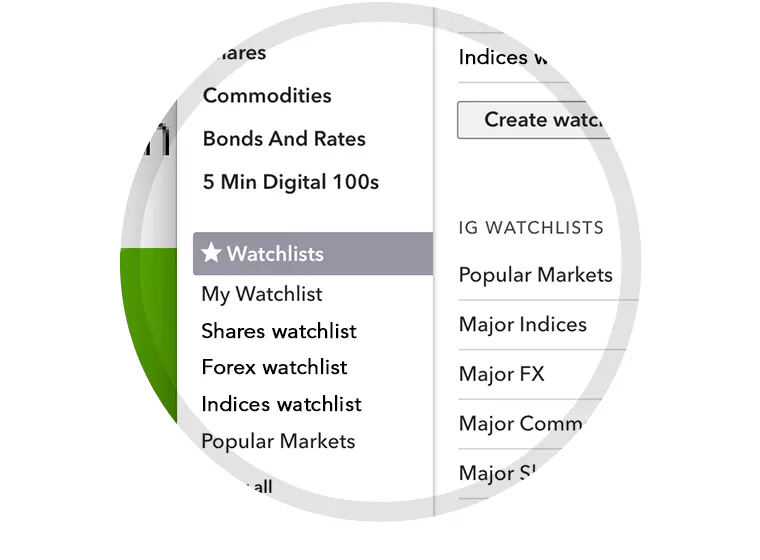
At its heart, a watchlist is a curated list of items, entities, or events that are being monitored for specific reasons. This monitoring can range from simply keeping an eye on something of interest to actively searching for deviations from a defined norm or the occurrence of predefined triggers. The primary purpose of a watchlist is to streamline the process of observation and to facilitate timely action when necessary.
Defining the Scope and Purpose
The effectiveness of any watchlist hinges on a clear definition of its scope and purpose. Before a watchlist can be established, it’s essential to ask: what are we watching? And why? The answer to these questions will dictate the type of information to be collected, the criteria for inclusion, and the desired outcome of the monitoring process.
For instance, a watchlist of potential cybersecurity threats will focus on IP addresses, domain names, or malware signatures associated with malicious activity. In contrast, a watchlist for personal finance might track the stock prices of specific companies or the performance of different investment funds. Each watchlist serves a unique objective, requiring a tailored approach to its creation and maintenance.
Key Components of a Watchlist System
Regardless of its specific application, a functional watchlist system typically comprises several key components:
- The List Itself: This is the core of the watchlist, containing the specific items being monitored. These items can be anything from a list of known malicious websites to a selection of stocks you are interested in.
- Monitoring Mechanism: This refers to the technology or process used to continuously observe the items on the list. This could involve automated scripts, specialized software, or even human oversight.
- Criteria for Alerting: A crucial element is the definition of what constitutes a significant event or change that warrants attention. This could be a specific price movement in the stock market, the detection of a known threat signature, or the arrival of a new relevant piece of information.
- Notification System: Once an alert criterion is met, the system needs a way to inform the relevant parties. This can range from email notifications and SMS alerts to dashboard warnings and automated responses.
- Actionable Insights: Ideally, a watchlist should not just alert but also provide context or data that enables informed decision-making and subsequent actions.
The Evolution of Watchlists: From Manual to Automated
Historically, watchlists were often managed manually. Think of a trader jotting down stock prices in a notebook or a security guard keeping a log of suspicious individuals. While effective to a certain degree, these manual methods were prone to human error, were time-consuming, and lacked the speed and scalability required in today’s digital age.
The advent of technology has revolutionized the creation and management of watchlists. Automated systems can now scan vast amounts of data in real-time, identify patterns, and trigger alerts far more efficiently than any human could. This evolution has made watchlists indispensable tools in areas demanding constant vigilance and rapid response.
Watchlists in the Realm of Technology: Enhancing Security and Efficiency
Within the technology sector, watchlists play a pivotal role in safeguarding digital assets, optimizing system performance, and staying ahead of emerging trends. Their applications span cybersecurity, software development, and digital content management.
Cybersecurity Watchlists: The First Line of Defense
In the ever-evolving landscape of cyber threats, watchlists are a cornerstone of modern security strategies. These lists are instrumental in identifying and blocking malicious actors, their tools, and their infrastructure.
Threat Intelligence Feeds
A primary use of watchlists in cybersecurity is through threat intelligence feeds. These feeds are dynamic lists of indicators of compromise (IoCs) such as:
- Malicious IP Addresses: Known servers used for distributing malware, command and control (C2) communication, or phishing campaigns.
- Malware Hashes: Unique digital fingerprints of known malicious files, allowing for their detection and removal.
- Malicious Domain Names and URLs: Websites designed for phishing, distributing malware, or hosting malicious content.
- Suspicious File Names and Registry Keys: Patterns commonly associated with malware infections.
Organizations subscribe to or generate these feeds to proactively block or flag these threats before they can impact their networks. Security Information and Event Management (SIEM) systems, Intrusion Detection Systems (IDS), and firewalls often integrate these threat intelligence watchlists to automate defenses.
Vulnerability Watchlists
Beyond active threats, watchlists are also used to track known software vulnerabilities. As new exploits are discovered and documented (e.g., in the Common Vulnerabilities and Exposures (CVE) database), they are added to vulnerability watchlists. This allows organizations to:
- Prioritize Patching: Focus on applying security updates to systems affected by the most critical vulnerabilities.
- Assess Risk: Understand their exposure to specific types of attacks.
- Implement Compensating Controls: Deploy additional security measures if immediate patching isn’t feasible.
User and Entity Behavior Analytics (UEBA) Watchlists
In more advanced security setups, watchlists can be dynamically generated based on anomalous user or entity behavior. If a user’s login patterns, access to sensitive data, or network activity deviates significantly from their baseline, they might be added to a “suspicious activity” watchlist for further investigation by security analysts. This helps in detecting insider threats or compromised accounts.
Software Development and Operations: Streamlining Processes
Watchlists aren’t solely for security; they also offer significant benefits in software development and IT operations.
Dependency Watchlists
In software development, projects often rely on numerous third-party libraries and dependencies. A watchlist of these dependencies can be used to:
- Track Versions: Ensure that the project is using up-to-date and secure versions of its dependencies.
- Monitor for Deprecation: Identify libraries that are no longer supported by their maintainers and plan for their replacement.
- Scan for Known Vulnerabilities: Automatically check dependencies for any newly discovered security flaws. Tools like Dependabot or Snyk leverage this concept to alert developers to potential issues.
Performance and Error Watchlists
For operational teams, watchlists can monitor key performance indicators (KPIs) of applications and systems. If metrics like response time, error rates, or resource utilization exceed predefined thresholds, the system or service might be added to a “performance alert” watchlist. This prompts immediate investigation and troubleshooting to prevent service disruptions.
Feature Flag Watchlists
In agile development, feature flags are used to control the rollout of new features. A watchlist of active feature flags can help teams manage their lifecycle, ensuring that features are enabled or disabled as intended, and that no unintended consequences arise.
Digital Content and Resource Management
Beyond core IT functions, watchlists are also employed in managing digital content and resources.

Copyright and Intellectual Property Watchlists
Organizations concerned with intellectual property rights may maintain watchlists of websites or platforms known for distributing pirated content or infringing on their copyrights. This enables them to monitor for violations and take appropriate legal action.
Keyword and Content Monitoring Watchlists
Marketing teams and brand managers might use watchlists to track mentions of their brand, products, or competitors across the web, social media, or news outlets. These watchlists can be configured to alert them to specific keywords, sentiment, or emerging trends, helping them to stay informed and respond effectively to public perception.
The Multifaceted Role of Watchlists in the Financial World
In the realm of finance, watchlists are not just a convenience; they are a fundamental tool for informed decision-making, risk management, and wealth creation. From individual investors to large financial institutions, watchlists provide a structured approach to tracking market movements and identifying opportunities.
Investment Watchlists: Navigating the Markets
For investors, watchlists are essential for keeping a close eye on securities of interest, market trends, and potential investment opportunities.
Personal Investment Portfolios
Individual investors commonly create watchlists of stocks, bonds, exchange-traded funds (ETFs), or cryptocurrencies they are considering for their portfolio. These watchlists allow them to:
- Monitor Price Movements: Track the real-time price fluctuations of chosen assets.
- Observe Technical Indicators: Integrate technical analysis tools to identify potential buy or sell signals based on patterns and indicators like moving averages, RSI, or MACD.
- Receive News and Events Alerts: Stay informed about company-specific news (earnings reports, product launches, management changes) or broader market events that could impact their investments.
- Compare Performance: Easily compare the performance of different assets against each other or against market benchmarks.
Platforms like Yahoo Finance, Google Finance, Robinhood, and many brokerage accounts offer sophisticated watchlist functionalities, allowing users to customize their lists and receive timely notifications.
Sector and Industry Analysis
Beyond individual securities, investors often use watchlists to monitor the performance of entire sectors or industries. This helps them identify which areas of the economy are growing or declining, informing strategic allocation of capital. For example, a watchlist might track the performance of major companies in the renewable energy sector to gauge investor sentiment and growth potential in that industry.
Economic Indicator Watchlists
Savvy investors also create watchlists for key economic indicators that can influence market behavior. This could include:
- Interest Rate Announcements: From central banks like the Federal Reserve.
- Inflation Reports: Consumer Price Index (CPI) and Producer Price Index (PPI).
- Employment Data: Non-farm payrolls and unemployment rates.
- GDP Growth Figures:
- Commodity Prices: Oil, gold, etc.
Monitoring these indicators helps investors understand the broader economic climate and anticipate potential market reactions.
Risk Management Watchlists: Identifying and Mitigating Threats
In financial institutions, watchlists are critical for identifying and mitigating various forms of risk.
Sanctions and Politically Exposed Persons (PEP) Watchlists
Financial institutions are legally obligated to screen their customers and transactions against sanctions lists (e.g., OFAC sanctions lists) and lists of Politically Exposed Persons (PEPs). These watchlists are designed to prevent financial crimes, money laundering, and the financing of terrorism. Any match triggers a heightened level of scrutiny and potentially the blocking of transactions or accounts.
Fraud Watchlists
Banks and credit card companies maintain extensive fraud watchlists. These lists contain information about known fraudsters, stolen credit card numbers, and patterns of fraudulent activity. When a transaction matches an entry on a fraud watchlist, it is automatically flagged for review or declined, helping to protect both the institution and its customers.
Credit Risk Watchlists
For lenders and credit rating agencies, watchlists are used to monitor entities (companies or individuals) exhibiting signs of deteriorating creditworthiness. This could include:
- Late Payments: Repeated instances of missed loan or credit card payments.
- Increased Debt Levels: Significant increases in borrowing without corresponding income growth.
- Negative News: Adverse news about a company’s financial health or operational challenges.
Being placed on a credit risk watchlist often leads to a re-evaluation of credit limits, interest rates, or even the recall of existing credit lines.
Market Manipulation Watchlists
Regulatory bodies and exchanges use watchlists to identify suspicious trading patterns that may indicate market manipulation, such as insider trading or spoofing. These watchlists help in flagging potentially illegal activities for further investigation by compliance departments.
Online Income and Side Hustle Opportunities: Tracking Potential
For individuals looking to generate income online or explore side hustles, watchlists can be valuable for tracking opportunities and market trends.
Platform and Opportunity Watchlists
One might create a watchlist of freelance platforms (e.g., Upwork, Fiverr) to monitor new job postings, trending skills, or average rates for services. Similarly, individuals interested in specific side hustles, like dropshipping or affiliate marketing, might watchlist relevant e-commerce platforms, product trends, or competitor activities.

Skill Development Watchlists
To stay competitive in the online income landscape, individuals may create watchlists of emerging skills or certifications that are in high demand. This allows them to proactively pursue training and development in areas that offer lucrative opportunities.
In conclusion, watchlists, regardless of their domain, are powerful tools that leverage technology to bring order to complexity. By defining what to monitor and why, and by employing robust mechanisms for tracking and alerting, watchlists empower individuals and organizations to stay informed, manage risks effectively, and capitalize on opportunities in an increasingly dynamic world. Whether it’s protecting digital infrastructure, making informed investment decisions, or navigating the burgeoning world of online income, the intelligent application of watchlists is an indispensable strategy for success.
aViewFromTheCave is a participant in the Amazon Services LLC Associates Program, an affiliate advertising program designed to provide a means for sites to earn advertising fees by advertising and linking to Amazon.com. Amazon, the Amazon logo, AmazonSupply, and the AmazonSupply logo are trademarks of Amazon.com, Inc. or its affiliates. As an Amazon Associate we earn affiliate commissions from qualifying purchases.